
If you're struggling with chronic pain, seeking professional care could be a pivotal step towards reclaiming your life. It's not just about finding relief; it's about developing a personalized approach that addresses both the physical and emotional aspects of your pain. With the right support, you can explore various treatment options and build a network that empowers you. But what happens when you take that first step? Understanding the full spectrum of benefits might just change how you view your pain management journey.
Understanding Chronic Pain
Chronic pain isn't just a fleeting ache; it's a persistent condition that can greatly impact your daily life. You may find it challenging to perform everyday tasks, enjoy hobbies, or even get a good night's sleep.
Unlike acute pain, which typically arises from injury or illness and fades as you heal, chronic pain lingers for weeks, months, or even years. This ongoing discomfort can stem from various causes, such as injuries, surgeries, or underlying health issues.
Understanding the nature of chronic pain is vital for managing it effectively. You might experience it as a dull ache, sharp stabbing, or a burning sensation, and it can fluctuate in intensity. This unpredictability often adds to the emotional toll, leading to feelings of frustration, anxiety, or depression.
It's important to recognize that chronic pain isn't just a physical issue; it can also affect your mental well-being. You may also notice that stress and fatigue can exacerbate your pain levels. It's not uncommon to feel overwhelmed by the constant battle against this condition.
However, by learning about your pain and its triggers, you can take steps to regain control. This might involve keeping a pain diary or identifying activities that worsen your symptoms. By understanding what you're dealing with, you can engage more effectively with your healthcare providers and advocate for your needs.
Embracing this knowledge empowers you to seek appropriate support and develop strategies to manage your chronic pain more effectively.
Benefits of Professional Care
Seeking professional care can greatly enhance your journey in managing chronic pain. When you connect with healthcare professionals, you gain access to expertise that can make a significant difference in your quality of life. These specialists understand the complexities of chronic pain and can provide tailored strategies to address your unique needs.
One major benefit of professional care is the development of a personalized pain management plan. Rather than trying to navigate this journey alone, you'll work with doctors, physical therapists, or pain specialists who can assess your situation and recommend effective interventions. This individualized approach increases the likelihood of finding relief and improves your overall well-being.
Additionally, professionals can help you navigate the emotional aspects of chronic pain. Living with persistent pain can lead to anxiety and depression, and having a support network is essential. Professionals can offer counseling or recommend support groups where you can connect with others facing similar challenges.
Moreover, professional care provides a structured environment for monitoring your progress. Regular follow-ups allow for adjustments in your management plan based on how you're responding to treatments. This ongoing relationship fosters accountability and encourages you to stay committed to your pain management goals.
Ultimately, seeking professional care not only equips you with effective strategies but also empowers you to reclaim control over your life. With the right support, you can find a path that leads to improved function, reduced pain, and a better overall quality of life.
Treatment Options Available
When it comes to managing pain, understanding the various treatment options available can empower you to make informed decisions about your care. Chronic pain can be complex, but there are several effective strategies to help alleviate your discomfort.
It's crucial to explore these options with your healthcare provider to find what works best for you.
1. Medications: Over-the-counter pain relievers like ibuprofen or acetaminophen can help, but your doctor may prescribe stronger medications, including opioids or antidepressants, depending on your specific needs.
2. Physical Therapy: A trained physical therapist can design a personalized exercise program to strengthen muscles, increase flexibility, and improve your overall mobility.
This can lead to significant pain relief and a better quality of life.
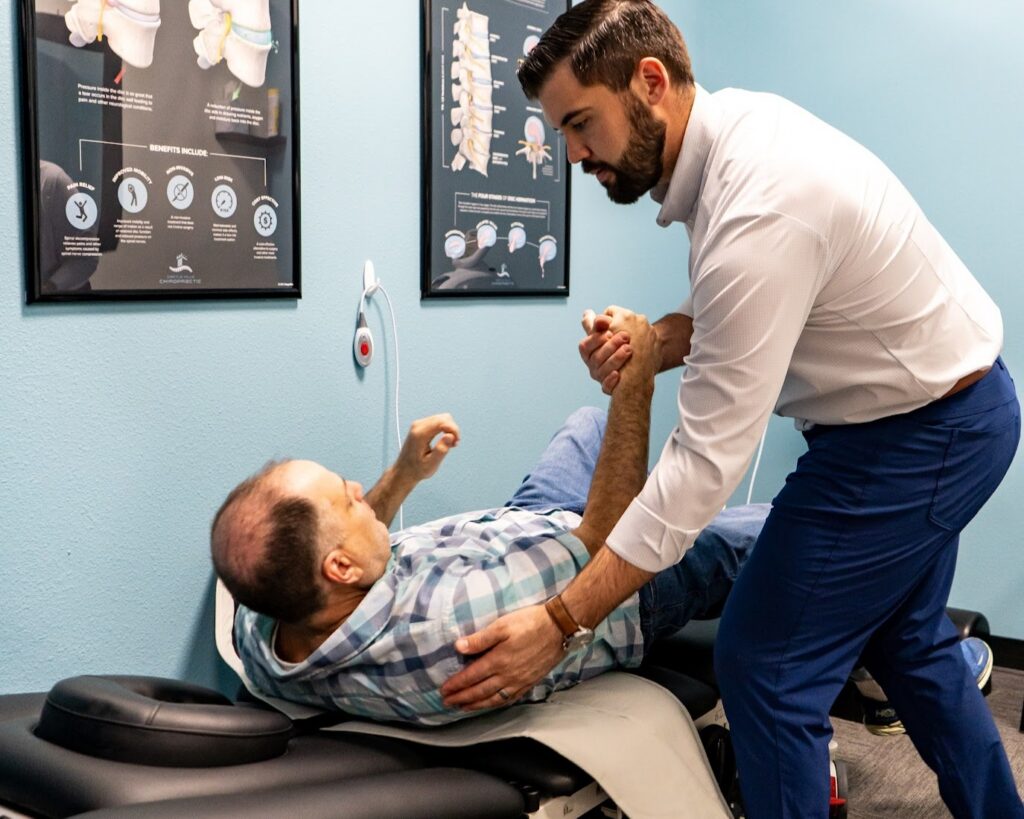
3. Alternative Therapies: Techniques such as acupuncture, chiropractic adjustments, or massage therapy may provide relief and promote relaxation.
Many people find these complementary approaches beneficial alongside traditional treatments.
4. Lifestyle Modifications: Simple changes, like adopting a balanced diet, maintaining a healthy weight, and incorporating regular exercise, can have a profound impact on your pain levels.
Stress management techniques, such as mindfulness or yoga, are also helpful.
Psychological Impact of Pain
Living with chronic pain can take a significant toll on your mental health. The constant discomfort often leads to feelings of frustration, anxiety, and even depression. You might find it hard to enjoy activities you once loved, and that can create a cycle of isolation and sadness.
As you struggle with daily tasks, your self-esteem may diminish, making it even more challenging to cope. Moreover, chronic pain can affect your sleep patterns. Lack of quality sleep exacerbates feelings of irritability and fatigue, which can cloud your judgment and reduce your ability to manage stress.
This can lead to a heightened sense of hopelessness, where you feel trapped in a cycle of pain and emotional distress. You may also experience mood swings, as the pain can create a sense of unpredictability in your life.
This unpredictability can leave you feeling out of control, making it difficult to maintain healthy relationships. You might withdraw from loved ones, fearing they won't understand your pain or its effects on your mood.
It's essential to recognize these psychological impacts and seek help. A mental health professional can provide coping strategies tailored to your situation. Cognitive-behavioral therapy, mindfulness techniques, or even support groups can be effective in addressing the emotional challenges you face.
Understanding that you're not alone in this experience is important to reclaiming your mental well-being and finding a path forward.
Building a Support System
Building a strong support system can considerably improve your ability to manage chronic pain and its psychological effects. Surrounding yourself with understanding and empathetic individuals can provide you with the emotional, practical, and informational support you need.
Here are four key components to reflect on when building your support system:
1. Family and Friends: Reach out to those who care about you. They can offer encouragement, listen to your concerns, and help you through tough days.
Make sure they understand your pain and its impact on your life.
2. Healthcare Providers: Establish a relationship with your doctors and therapists. They can guide your treatment plan, help you explore management options, and provide resources for coping strategies.
Regular communication can foster a collaborative environment that benefits your health.
3. Support Groups: Joining a support group can connect you with others facing similar challenges. Sharing experiences, coping mechanisms, and advice can create a sense of community and reduce feelings of isolation.
4. Online Communities: Don't underestimate the power of online forums and groups. They can offer a wealth of information and support from people who understand what you're going through, no matter where you are.
Conclusion
In seeking care for chronic pain management, you're taking a crucial step toward reclaiming your quality of life. By working with professionals, you gain access to tailored treatment plans that address both physical and emotional challenges. With various treatment options and ongoing support, you can effectively manage your pain and build a network of resources around you. Don't hesitate to reach out for help; your journey to relief and empowerment starts with that first step.