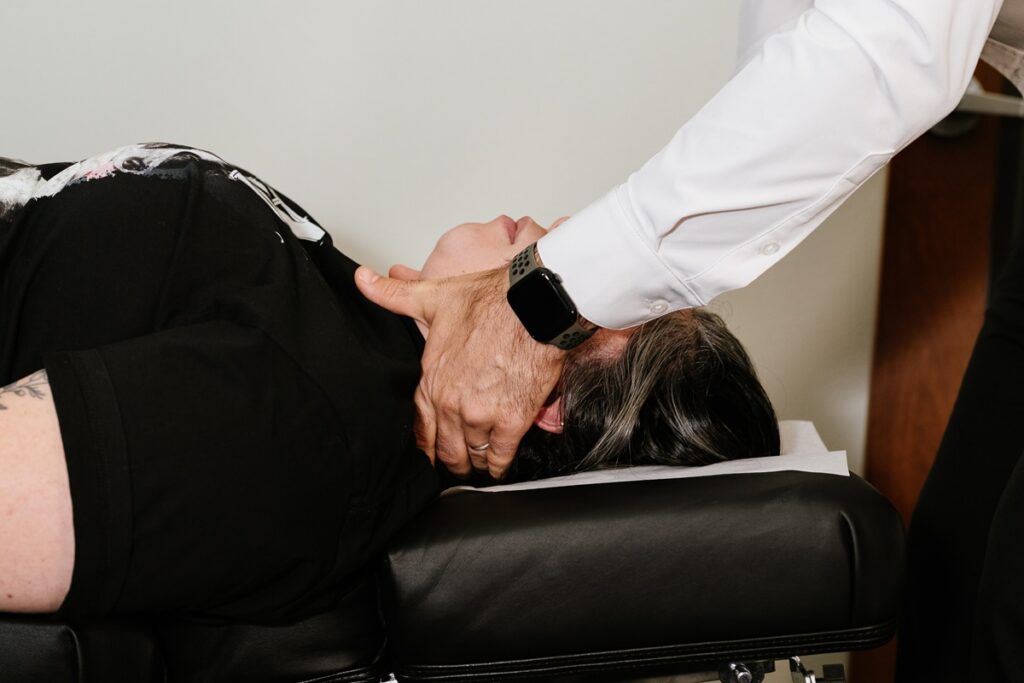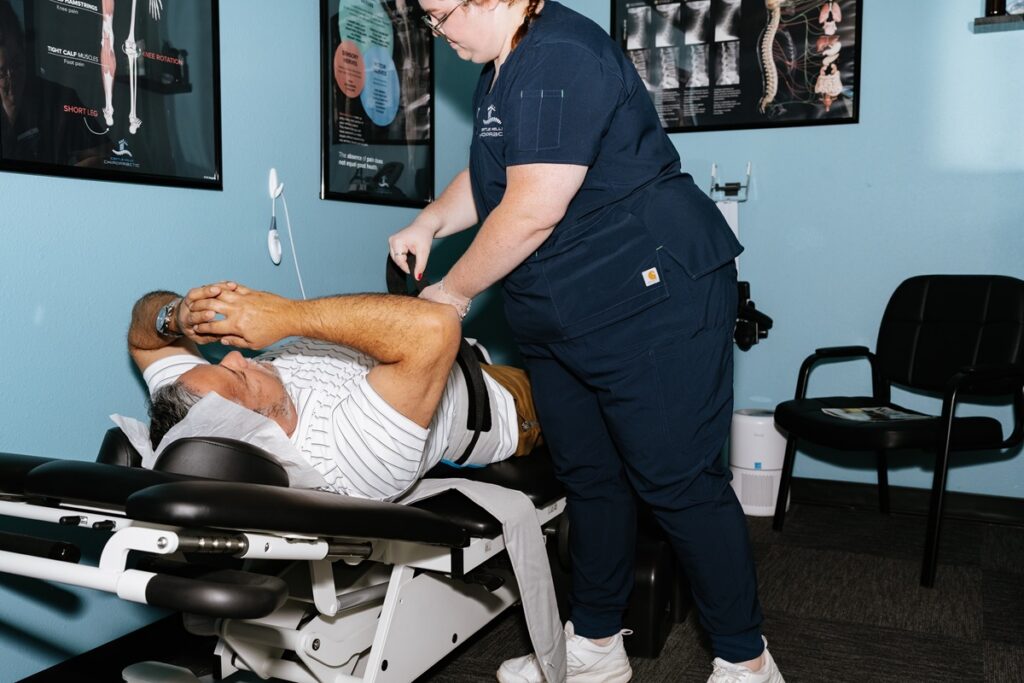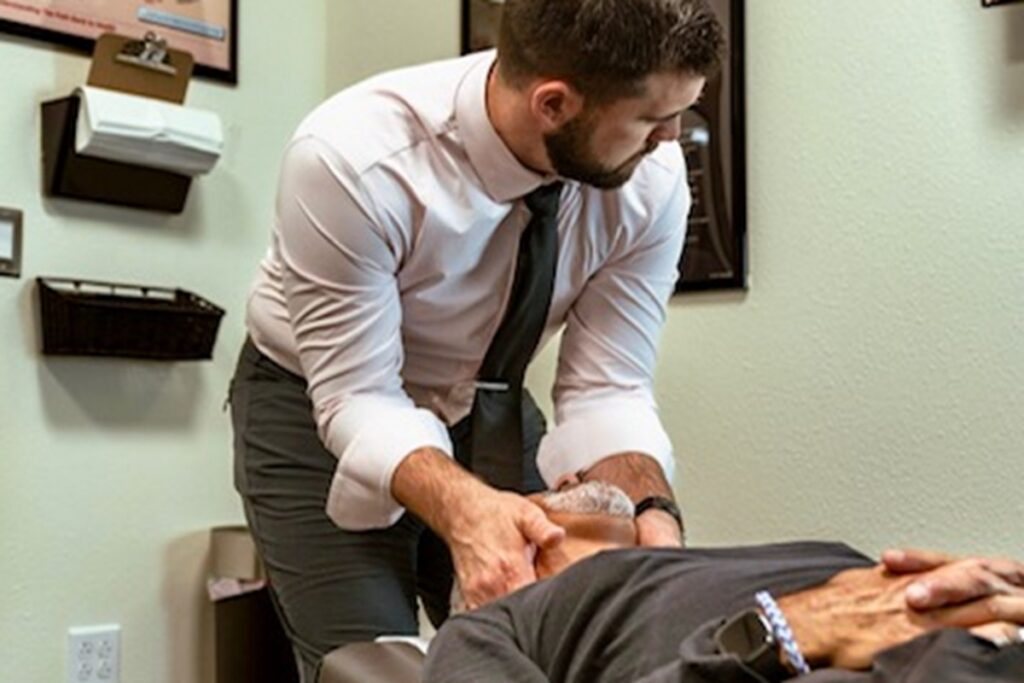

Focusing on exercises for low back health is crucial for everyone, particularly if you’ve ever felt discomfort in that area. As a chiropractor, I want to emphasize the importance of strengthening your core and glutes, as these muscles help stabilize your spine. When your spine is well-supported, you can enjoy better posture and experience less strain during your daily activities.
But remember, it’s not just about building strength; flexibility and mobility are equally important. Incorporating gentle stretching and mobility exercises into your routine can significantly enhance your back health. Curious about how these elements come together to support your back? Let’s dive deeper!
Here are some simple tips to help you maintain a healthy back:
- Stay Active: Engage in regular physical activity that includes both strength training and flexibility exercises. Activities like walking, yoga, or swimming can be beneficial.
- Practice Good Posture: Be mindful of your posture throughout the day, whether you’re sitting at a desk or lifting heavy items. Keep your back straight and shoulders relaxed.
- Listen to Your Body: If you start to feel any discomfort, don’t ignore it. Consult with a chiropractor who can provide personalized advice and care.
- Incorporate Stretching: Gentle stretches for your lower back and hips can improve flexibility and reduce tension. Simple stretches like knee-to-chest or child’s pose can do wonders.
- Consider Chiropractic Care: Regular chiropractic adjustments can help maintain spinal alignment and overall wellness. This natural approach can assist in pain relief and support your body’s healing process.
By focusing on these practices, you can take control of your low back health. Remember, a well-balanced approach that includes strength, flexibility, and chiropractic care is key to achieving optimal health and wellness.
Key Takeaways
- Strengthening your core muscles is essential for maintaining stability in your spine and can significantly reduce the risk of lower back injuries. Consider incorporating exercises that target your abdominal and back muscles into your routine.
- Working on your flexibility through simple stretching can greatly improve your posture and help alleviate discomfort. Try to include stretches for your lower back and hips to promote ease of movement and prevent tightness.
- Regular exercise plays a vital role in supporting proper spinal alignment and function. This can help prevent pain and improve your overall mobility. Activities like walking, swimming, or yoga are great choices to keep your spine healthy.
- Engaging in targeted exercises not only helps your back but also encourages an active lifestyle, which can boost your overall physical performance. Find activities you enjoy, as this will make it easier to stay consistent.
- Consistent movement and gentle stretching routines are beneficial for relaxation and can support long-term low back health. Remember, incorporating even small amounts of activity into your daily life can make a big difference.
As a chiropractor, I believe that regular chiropractic care, combined with these simple exercises and stretches, can help you achieve optimal health and wellness naturally. Remember, taking care of your back today can lead to a pain-free tomorrow.
Understanding the Anatomy of the Lower Back
When you think about your lower back, you mightn’t realize just how intricate its structure truly is. It comprises five lumbar vertebrae, connected by discs, ligaments, and muscles that work in harmony to provide both stability and mobility. This lumbar region plays a vital role in supporting your upper body and allows for bending and lifting, which are essential for daily activities.
Surrounding these bones are important muscles, including the multifidus and erector spinae. These muscles are key players in maintaining good posture and aiding in movement. Additionally, nerves travel through this area, branching out to control sensation and function in your legs.
Understanding this anatomy can help you appreciate how your lower back functions and why it may sometimes feel strained. Engaging in exercises that target these structures can strengthen your muscles and improve flexibility, promoting better health and reducing the risk of injury.
As a local chiropractor, I believe that knowledge of your lower back’s anatomy empowers you to take proactive steps toward maintaining its well-being. Chiropractic care is an excellent choice for relieving pain and promoting natural wellness. Regular adjustments can help ensure your spine is aligned, improving your overall health and reducing discomfort.
Here are a few tips to support your lower back health:
- Maintain Good Posture: Whether sitting or standing, keep your back straight and shoulders back to prevent strain.
- Stay Active: Incorporate gentle exercises like walking or stretching into your routine to keep your back muscles strong and flexible.
- Listen to Your Body: If you feel discomfort, don’t ignore it. Consult with a chiropractor to address any issues before they become more serious.
- Use Proper Lifting Techniques: Bend at your knees, not your back, and keep heavy objects close to your body when lifting.
- Stay Hydrated: Drinking plenty of water helps keep your spinal discs healthy and supports overall bodily function.
Common Causes of Low Back Pain
Understanding the structure of your lower back is the first step towards better health, but it’s also crucial to be aware of the everyday habits that can lead to low back pain. Many people don’t realize how their daily activities might contribute to discomfort.
Here are three common causes and some simple tips to help you avoid them:
- Poor Posture: Slouching while working at your desk or staring at your phone can place undue strain on your lower back over time. To combat this, try to maintain a neutral spine by sitting up straight and keeping your shoulders back. Consider using ergonomic furniture that supports your posture and take regular breaks to stretch and move around.
- Sedentary Lifestyle: Spending long hours sitting can weaken your core muscles, making your back more susceptible to pain. Incorporating regular movement into your day is essential. Simple activities like short walks, desk stretches, or even standing while you work can help strengthen your back and promote overall wellness.
- Improper Lifting Techniques: Lifting heavy objects with poor form, such as bending from your back rather than your knees, can lead to injury. Always remember to bend at your knees, keeping the object close to your body, and use your legs to lift. This technique reduces strain on your back and helps prevent pain.
Chiropractic care can be an excellent resource for managing low back pain and fostering overall health. Regular adjustments can help align your spine, alleviate discomfort, and improve your body’s natural ability to heal.
If you’re struggling with back pain, consider visiting a chiropractor to explore natural solutions for your wellness journey. Remember, small changes in your daily routine can lead to significant improvements in your back health!
The Benefits of Strengthening the Lower Back
Strengthening your lower back is a vital step towards enhancing your overall health and well-being, and it’s something we often emphasize in chiropractic care. A robust lower back provides crucial support for your spine, helping to improve your posture and significantly reduce the risk of injuries. By focusing on strengthening this area, you’ll likely experience increased mobility, making everyday activities much easier and more enjoyable.
Let’s take a closer look at some of the key benefits of a strong lower back:
| Benefit | Description | Impact |
|---|---|---|
| Improved Posture | Strengthens core muscles | Reduces back strain |
| Enhanced Flexibility | Increases range of motion | Eases movement |
| Pain Reduction | Alleviates discomfort | Promotes comfort |
| Injury Prevention | Fortifies surrounding muscles | Lowers injury risk |
| Boosted Confidence | Supports overall physical performance | Encourages active lifestyle |
As a chiropractor, I believe that natural healing through spinal alignment and targeted exercises can greatly benefit your lower back. Here are some simple tips to help you get started:
- Engage in Core Strengthening Exercises: Simple exercises like planks and bridges can help strengthen your core and lower back.
- Practice Good Posture: Be mindful of your posture when sitting or standing. Keeping your shoulders back and your spine aligned can make a significant difference.
- Stay Active: Regular physical activity, such as walking or stretching, can keep your lower back muscles strong and flexible.
- Listen to Your Body: If you feel discomfort, don’t push through it. Consider scheduling an appointment with your chiropractor to assess your spine and receive personalized advice.
- Incorporate Stretching: Gentle stretching can help enhance flexibility and reduce tension in the lower back.
Chiropractic care is an excellent way to achieve optimal health and wellness. By focusing on the spine and incorporating these practices into your daily routine, you can help alleviate pain, prevent injuries, and improve your overall quality of life. Remember, your lower back health is essential for your well-being, so take the time to care for it!
Key Exercises for Low Back Health
When it comes to maintaining a healthy low back, it’s crucial to focus on core stabilization exercises, flexibility, and strengthening key muscle groups. These essential exercises not only support your spine but also improve your overall mobility, leading to a more active and pain-free life. As a chiropractor, I want to emphasize that chiropractic care plays a vital role in achieving optimal health and wellness, especially when it comes to back pain relief.
Core stabilization exercises are particularly important because they help support your spine and maintain proper posture. A strong core acts like a natural brace for your back, reducing the risk of injury and strain. Simple exercises like planks, bird-dogs, and bridges can be easily incorporated into your daily routine. Remember to engage your abdominal muscles while performing these moves for maximum benefit.
Flexibility is another key component of low back health. Stretching tight muscles can alleviate tension and improve your range of motion. Incorporate gentle stretches into your day, such as knee-to-chest stretches or seated forward bends. Not only will this help your back feel better, but it will also enhance your overall body function.
Strengthening the muscles that support your spine is equally important. Focus on exercises that target your lower back, hips, and glutes, such as squats and lunges. These movements help build a solid foundation for your spine, enabling it to handle daily activities with ease.
In addition to these exercises, regular chiropractic adjustments can help maintain spinal alignment and promote natural healing. Chiropractic care encourages your body to function optimally, providing pain relief without the need for medications or invasive procedures.
To sum it up, incorporating core stabilization, flexibility, and strengthening exercises into your routine, along with regular chiropractic care, can significantly improve your low back health. Remember to listen to your body and consult with your chiropractor for personalized advice. Together, we can work towards a healthier, pain-free life!
Core Stabilization Exercises
Core stabilization exercises are essential for maintaining a healthy spine and supporting overall wellness. A strong core not only helps to improve your posture but also plays a vital role in preventing injuries and alleviating back pain. As a local chiropractor, I emphasize the importance of these exercises in conjunction with regular chiropractic care to achieve optimal health. Here are three simple yet effective core stabilization exercises you can easily add to your daily routine:
- Plank: Begin by positioning yourself face down, then lift your body so that only your forearms and toes are touching the ground. Keep your body in a straight line from head to heels while engaging your core. Aim to hold this position for 30-60 seconds. This exercise strengthens your abdominal muscles and supports spinal alignment.
- Bird-Dog: Start on all fours, ensuring your hands are aligned under your shoulders and your knees under your hips. Slowly extend one arm forward while simultaneously extending the opposite leg back. Focus on maintaining balance and keeping your back straight. Hold for a moment, then switch sides. This exercise promotes coordination and stability, benefiting your lower back.
- Dead Bug: Lie on your back with your arms extended towards the ceiling and your knees bent at 90 degrees. Gradually lower one arm and the opposite leg towards the floor, keeping your back flat against the mat. Return to the starting position and repeat with the other arm and leg. This exercise helps to strengthen your core while protecting your spine.
Integrating these exercises into your routine can significantly improve your core strength and promote a healthy back. Remember, regular chiropractic adjustments complement these exercises, ensuring that your spine remains aligned and functioning optimally. Focus on your core health, and you’ll be taking a proactive step towards a pain-free and healthier lifestyle!
Flexibility and Stretching
Incorporating flexibility and stretching into your routine is vital for maintaining a healthy spine and preventing low back pain. Enhancing your flexibility can relieve tension and improve mobility in your lower back, ultimately reducing the risk of injury. As a chiropractor, I recommend focusing on stretches that specifically target the hamstrings, hip flexors, and lower back muscles.
Some simple yet effective exercises include the seated forward bend, cat-cow stretch, and child’s pose. These stretches can make a significant difference in your overall spinal health. Aim to hold each stretch for 15-30 seconds to allow your muscles to relax and lengthen properly. Remember to breathe deeply during each stretch, as this not only promotes relaxation but also increases the effectiveness of your efforts.
Integrating these stretches consistently into your daily routine not only supports your low back but also contributes to your overall well-being. Think of stretching as a natural way to enhance your body’s function and comfort without the need for medication or invasive procedures.
If you’re looking for further support on your wellness journey, consider chiropractic care, which can help align your spine and enhance your body’s natural ability to heal. By prioritizing flexibility and regular chiropractic adjustments, you’re taking proactive steps toward a healthier, pain-free life.
Strengthening Muscle Groups
To maintain a healthy lower back, it’s crucial to strengthen certain muscle groups that support your spine and help prevent injury. By focusing on these areas, you can enhance your stability and reduce discomfort, paving the way for a healthier, pain-free life. Here are three key muscle groups to strengthen, along with some simple exercises you can do at home:
- Core Muscles: Your core is the powerhouse of your body, and strengthening it can provide excellent support for your spine. Consider incorporating exercises like planks and bridges into your routine. These exercises engage your abdominal muscles, which are essential for maintaining proper posture and reducing strain on your back.
- Glutes: Strong glute muscles are vital for overall back health. They help support your pelvis and spine. Simple exercises such as squats and lunges can effectively activate your glutes. These movements not only help with posture but also enhance your overall stability during daily activities.
- Leg Muscles: Strong legs play an important role in supporting your lower back. Include exercises like leg raises and hamstring curls in your workout to build leg strength. A strong lower body helps distribute weight evenly and reduces stress on your back, making activities easier and more enjoyable.
Incorporating these exercises into your daily routine can lead to noticeable improvements in your back health.
Remember, chiropractic care is an excellent way to support your body’s natural healing processes. Regular visits to your chiropractor can help ensure that your spine remains aligned and functioning optimally, allowing you to live a healthier, more active life.
Always listen to your body and consult with your chiropractor for personalized advice on maintaining your back health.
Incorporating Stretching Into Your Routine
Incorporating stretching into your daily routine can significantly enhance your low back health. As a local chiropractor, I want to emphasize that not only does stretching improve flexibility, but it also plays a crucial role in reducing tension and preventing injuries. This natural approach to wellness is essential for maintaining a healthy spine and overall well-being.
Here are some effective stretching techniques you can easily incorporate into your day:
- Knee-to-Chest Stretch: Lying on your back, pull one knee toward your chest, holding for 15-30 seconds. This stretch helps alleviate tension in the lower back.
- Cat-Cow Stretch: Start on all fours, arch your back (cat) and then dip it down (cow). This dynamic movement promotes spinal flexibility and can relieve stress on your back.
- Child’s Pose: Kneel on the floor and sit back on your heels, reaching your arms forward on the ground. This soothing stretch helps relax the spine and release tension.
- Seated Forward Bend: Sitting with your legs extended, reach forward towards your toes. This stretch can improve hamstring flexibility and relieve lower back strain.
Best Times to Stretch:
- Morning: Start your day with gentle stretches to wake up your muscles and prepare your spine for the day ahead.
- During Breaks: If you have a sedentary job, take short breaks to stretch your back and hips, keeping your body loose and preventing stiffness.
- Before Bed: Gentle stretching in the evening can help relax your muscles and promote a restful night’s sleep.
Remember, regular stretching can complement your chiropractic care by enhancing your spinal health and overall wellness. Always listen to your body and consult with your chiropractor if you have any concerns.
Benefits of Stretching
As a chiropractor, I often emphasize the importance of stretching as a key component of maintaining a healthy spine and overall wellness. Regular stretching can significantly improve your low back health by enhancing flexibility, reducing tension, and promoting better posture.
Here are some benefits you can expect when you incorporate stretching into your daily routine:
- Increased Flexibility: Stretching helps loosen up your muscles and joints, allowing for a greater range of motion. This increased flexibility can help you perform daily activities with ease and reduce the risk of injury.
- Reduced Muscle Tension: By regularly stretching, you can alleviate tightness in the muscles surrounding your lower back. This is crucial, as tight muscles can lead to discomfort and pain. Stretching serves as a natural way to ease this tension and keep your back feeling great.
- Better Posture: Incorporating stretching into your routine encourages proper spinal alignment. By promoting a more upright posture, you can reduce strain on your back over time, allowing you to move through life with greater comfort and confidence.
In addition to these benefits, I encourage my patients to think about their stretching routine as part of their overall chiropractic care. Remember, maintaining a healthy spine is essential for achieving optimal health. Regular visits to your chiropractor can further enhance the benefits of stretching by ensuring your spine is properly aligned and functioning well.
As a takeaway, try to set aside a few minutes each day to incorporate gentle stretches into your routine. Listen to your body, and consider pairing your stretching with deep breathing exercises to enhance relaxation. These simple practices can go a long way in supporting your low back health and overall well-being.
Recommended Stretching Techniques
Integrating stretching into your daily routine is essential for maintaining a healthy spine and enhancing overall flexibility. As a chiropractor, I recommend focusing on effective stretching techniques that specifically target your low back, helping you relieve discomfort and promote natural healing. Here are some simple stretches you can easily incorporate into your day:
| Stretch Technique | Description |
|---|---|
| Cat-Cow Stretch | While on all fours, alternate arching your back (like a cat) and rounding it (like a cow). This gentle motion promotes spinal flexibility and warms up your back muscles. |
| Child’s Pose | Sit back on your heels, extend your arms forward, and relax your back into a deep stretch. This position helps to decompress the spine and provides a soothing release for tension. |
| Seated Forward Bend | Sit with your legs extended in front of you and reach toward your toes. This stretch helps to lengthen the lower back and can help alleviate tightness. |
| Knee-to-Chest Stretch | Lie on your back and gently pull one knee toward your chest, holding it for a few moments. This stretch is excellent for relieving lower back tension and promoting relaxation. |
Timing Your Stretching Routine
Timing Your Stretching Routine for Optimal Health
Incorporating stretching into your daily routine can greatly enhance your overall well-being, relieve tension, and improve flexibility. As a chiropractor, I emphasize the importance of caring for your spine and body naturally. Here are some ideal moments to integrate stretching into your day:
- Morning Wake-Up: Greet the day with gentle stretches right after you wake up. This not only helps awaken your muscles but also prepares your spine for the activities ahead. A few simple stretches can promote better posture and reduce stiffness.
- Midday Break: Use your lunch break or a brief pause during the day to stretch. This practice can alleviate tension from prolonged sitting, boost circulation, and enhance your focus. Stretching regularly can keep your spine healthy and reduce the risk of discomfort.
- Pre- and Post-Workout: Whether you’re hitting the gym or going for a walk, always include stretching before and after your physical activity. Pre-workout stretches warm up your muscles, making them more resilient, while post-workout stretches aid in recovery and enhance flexibility. Remember, a healthy spine is key to an active lifestyle.
Posture and Its Impact on Low Back Health
As you go about your daily activities, the way you hold your body can significantly impact your low back health. Good posture plays a crucial role in maintaining the alignment of your spine, whether you’re sitting, standing, or moving. When you slouch or hunch over, you can put unnecessary strain on your back muscles and ligaments, leading to discomfort and potential injuries.
It’s especially important to pay attention to your sitting habits, especially if you work at a desk for long hours. Make sure your chair provides support for your lower back, and keep your feet flat on the floor. When standing, aim to distribute your weight evenly on both feet and engage your core muscles. These simple adjustments can help alleviate tension and promote better spinal health.
You may not realize it, but minor tweaks in your posture can lead to significant benefits. By being mindful of how you carry yourself throughout the day, you can reduce strain on your low back and enhance your overall well-being.
Chiropractic care is an excellent option for those seeking pain relief and natural wellness. Regular adjustments can help maintain proper spinal alignment, improve posture, and alleviate discomfort. If you’re experiencing low back pain or tension, consider visiting a chiropractor who can guide you on the path to optimal health through natural healing practices. Remember, maintaining good posture is a key step in supporting your spine and living a healthier life!
Lifestyle Changes for Optimal Low Back Support
Making small lifestyle changes can significantly enhance your low back support and overall well-being. You don’t need to completely change your daily routine; just a few simple adjustments can lead to remarkable improvements in your spinal health.
- Stay Active: Regular physical activity is crucial for a healthy spine. Activities such as walking or swimming not only keep you fit but also strengthen your core and back muscles, which are essential for supporting your lower back. Aim for at least 30 minutes of movement most days, and consider incorporating gentle stretching or yoga to improve flexibility.
- Lift Smart: Understanding how to lift correctly is vital for preventing back strain. Always bend your knees, keep your back straight, and use your legs to lift heavy objects. This technique reduces the pressure on your lower back and helps maintain proper spinal alignment, which can also minimize the risk of injury.
- Prioritize Sleep: A good night’s sleep is essential for your overall health, including your spinal health. Invest in a supportive mattress and consider your sleep position. Lying on your side with a pillow between your knees can help maintain the natural curve of your spine and reduce strain on your back.
- Consider Chiropractic Care: Regular visits to your chiropractor can play a pivotal role in maintaining your spinal health. Chiropractic adjustments help align your spine, reduce pain, and improve your overall function. Your chiropractor can also provide personalized advice on exercises and lifestyle changes that promote long-term wellness.
Conclusion
Focusing on exercises for low back health is crucial for keeping your core strong and flexible, which is essential for overall well-being. By integrating specific strengthening and stretching routines, you not only improve your posture but also alleviate pain and reduce the risk of injuries. Remember, making small adjustments in your daily habits can significantly support your lower back health.
Chiropractic care plays a vital role in this journey. By aligning your spine and enhancing your body’s natural ability to heal, chiropractic adjustments can complement your exercise efforts. This holistic approach empowers you to remain active and functional in your everyday activities.
Here are some simple tips to support your low back health:
- Stay Active: Incorporate gentle movements into your daily routine, like walking or yoga, to keep your muscles engaged.
- Mind Your Posture: Whether sitting at a desk or lifting objects, maintaining good posture can help prevent strain on your back.
- Listen to Your Body: If you experience discomfort, don’t push through the pain. Consult with a chiropractor who can guide you on the best course of action.
- Incorporate Stretching: Simple stretches can help improve flexibility and relieve tension in your back muscles.
Taking charge of your back health starts with these practices. By prioritizing exercises and seeking chiropractic care, you can support your body’s natural healing process and enjoy a pain-free, active lifestyle. Make the choice for natural wellness today!