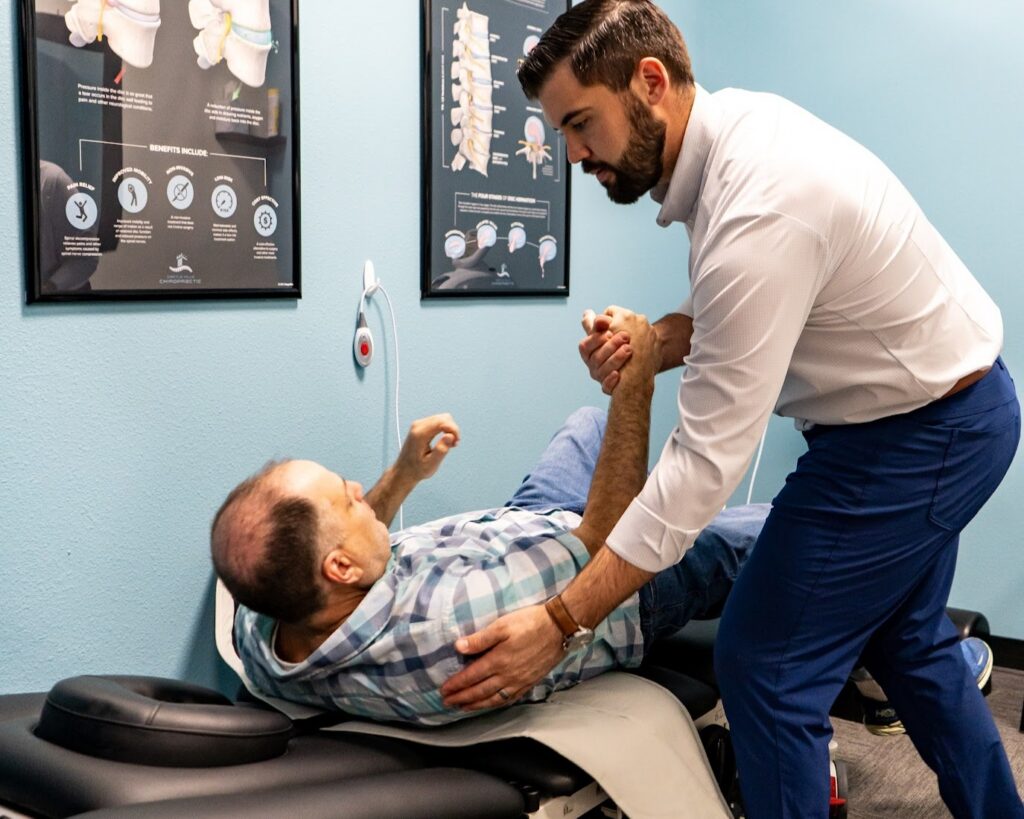

You might wonder how something as simple as an adjustment can have profound effects on anxiety. When your body is in alignment, it communicates more effectively with your nervous system, signaling safety and relaxation. This process not only calms your mind but can also enhance your emotional regulation through the release of neurotransmitters. Understanding the intricate connection between your body and mind reveals just how powerful adjustments can be. But what other factors contribute to this relationship, and how can you integrate these insights into your life?
Understanding Anxiety Mechanisms
Anxiety often stems from a complex interplay of biological, psychological, and environmental factors. You might experience anxiety when your brain perceives a threat, triggering a "fight or flight" response. This reaction floods your body with stress hormones like cortisol and adrenaline, preparing you to respond to danger.
However, when this response becomes chronic, it can lead to persistent feelings of unease or panic.
Psychologically, your thoughts play a vital role in anxiety. If you often focus on worst-case scenarios or replay negative experiences, you might find your anxiety intensifying. Your beliefs and past experiences shape how you interpret situations, which can exacerbate feelings of fear.
It's important to recognize these thought patterns and challenge them to manage anxiety effectively.
Environmental factors also contribute greatly. Stressful life events, such as job changes or relationship issues, can trigger anxiety. Even your surroundings—like crowded places or noisy environments—can provoke feelings of discomfort.
You mightn't realize it, but your daily interactions and circumstances are constantly influencing your mental state.
Understanding these mechanisms is the first step toward managing anxiety. By identifying the triggers and patterns in your life, you can begin to take control.
Recognizing the biological, psychological, and environmental factors at play empowers you to adopt healthier coping strategies. This awareness sets the stage for effective interventions, paving the way for you to feel more grounded and secure in your daily life.
The Role of Physical Alignment
Your physical alignment plays an essential role in how your nervous system reacts to stress.
When you maintain good posture, you can positively influence your mood and reduce muscle tension, helping you feel more at ease.
Nervous System Regulation
When you experience physical misalignment, it can throw your nervous system off balance, heightening feelings of unease. Your body relies on proper alignment to maintain ideal functioning. When your spine, joints, or muscles are out of place, it creates tension that disrupts your nervous system's ability to regulate stress responses.
Adjustments help restore physical alignment, easing this tension and promoting a sense of calm. By realigning your body, you're not just addressing physical discomfort; you're also sending signals to your nervous system that it's safe to relax. This can lead to a decrease in anxiety as your body shifts from a state of fight-or-flight to one of rest and recovery.
Regular adjustments can enhance your body's ability to cope with stressors, allowing you to respond more effectively to anxiety triggers. As your nervous system stabilizes, you may notice improvements in your overall mental well-being.
You'll likely find that with enhanced alignment, you feel more grounded and centered, which can greatly contribute to reducing anxiety. Embracing adjustments can be a powerful step in creating a balanced, calm, and resilient nervous system.
Posture and Mood
Maintaining proper posture plays an essential role in influencing your mood and emotional state. When you stand or sit up straight, you're not just aligning your body; you're also sending signals to your brain about how to feel.
Good physical alignment can elevate your mood and enhance your overall well-being.
Consider how your posture can affect you:
- Confidence Boost: Standing tall can make you feel more self-assured and empowered.
- Reduced Fatigue: Good posture reduces strain on your muscles, making you feel less tired and more energized.
- Enhanced Focus: With an aligned body, your mind can concentrate better, improving your productivity and clarity.
- Positive Mindset: Upright posture can help combat negative thoughts and promote a more optimistic outlook on life.
Muscle Tension Release
Proper posture not only boosts your mood but also plays a significant role in muscle tension release. When you maintain proper alignment, your muscles don't have to work as hard to support your body. This ease allows for a natural flow of movement, reducing the tightness that can lead to discomfort and anxiety.
You mightn't realize it, but slouching or hunching can create physical tension that compounds stress. By adjusting your posture, you can alleviate strain on your muscles, leading to a more relaxed state. As you sit or stand tall, you engage your core and open up your chest, which helps to release built-up tension in your shoulders and neck.
Incorporating regular adjustments into your routine can further enhance this process. Whether through chiropractic care, yoga, or simple stretching, these practices promote better alignment, making it easier for your body to function without unnecessary strain.
As you experience muscle tension release, you may find your anxiety levels drop, allowing for a clearer mind and improved emotional well-being. So, pay attention to your posture—it's a crucial step towards feeling more relaxed and grounded.
Mindful Breathing Techniques
Breathing deeply can help you tap into a sense of calm and clarity, making it a powerful tool for reducing anxiety. Mindful breathing techniques allow you to focus on your breath, anchoring your attention and promoting relaxation in moments of stress. By practicing these techniques regularly, you can manage your anxiety more effectively.
Here are some mindful breathing techniques to try:
- Diaphragmatic Breathing: Place one hand on your chest and the other on your abdomen. Inhale deeply through your nose, allowing your diaphragm to expand while keeping your chest still. Exhale slowly through your mouth.
- 4-7-8 Breathing: Inhale for a count of four, hold your breath for seven, then exhale for a count of eight. This technique helps calm your nervous system.
- Box Breathing: Inhale for four counts, hold for four counts, exhale for four counts, and then hold again for four counts. Repeat this cycle several times to center yourself.
- Visualization: As you breathe deeply, visualize a peaceful scene, like a beach or a forest. Let the imagery enhance your sense of relaxation and focus.
Integrating these mindful breathing techniques into your daily routine can considerably reduce anxiety levels.
Whenever you feel overwhelmed, take a moment to pause, breathe, and reconnect with the present moment. You'll find that even a few minutes of deep, mindful breathing can create a profound sense of peace and clarity.
Lifestyle Changes for Calmness
In moments of stress, making intentional lifestyle changes can greatly enhance your sense of calmness. Start by evaluating your daily routine. Are you squeezing in too many commitments? Prioritize your tasks and set boundaries. Learning to say no can free up precious time and reduce feelings of overwhelm.
Next, consider your diet. What you eat directly impacts your mood and energy levels. Incorporating whole foods, such as fruits, vegetables, and whole grains, can provide essential nutrients that support mental clarity and emotional stability. Stay hydrated, too—dehydration can lead to irritability and fatigue.
Physical activity is another key factor. Engaging in regular exercise, whether it's a brisk walk, yoga, or a gym session, releases endorphins that naturally boost your mood. Aim for at least 30 minutes of exercise most days, and don't forget to include activities you genuinely enjoy.
Sleep is essential for maintaining calmness. Prioritize a consistent sleep schedule and create a restful environment. Limit screen time before bed and consider relaxation techniques to wind down.
Lastly, cultivate social connections. Surrounding yourself with supportive friends and family can provide a sense of belonging and reduce feelings of isolation. Share your thoughts and feelings; it can lighten your emotional load.
The Connection Between Body and Mind
When you feel anxious, it's easy to overlook how closely connected your body and mind truly are. This connection plays a significant role in your overall well-being. Your thoughts and emotions can manifest physically, and vice versa. Understanding this relationship can empower you to take control of your anxiety.
Your body responds to stress and anxiety in various ways, and these physical symptoms can further exacerbate your mental state. Here's how the connection between body and mind unfolds:
- Physical Symptoms: You might experience muscle tension, headaches, or fatigue when you're anxious. These symptoms can distract you and make the anxiety feel more overwhelming.
- Breathing Patterns: When you're stressed, your breathing often becomes shallow or rapid. This can signal your brain to enter a more anxious state, creating a vicious cycle.
- Posture: Slouching or tensing up can negatively affect your mood. Being aware of your body posture and consciously relaxing can help lift your spirits.
- Mindfulness: Engaging in mindfulness practices can help you tune into how your body feels. Recognizing tension or discomfort allows you to address it before it spirals into anxiety.
Benefits of Regular Adjustments
Regular adjustments can considerably improve your nervous system function, helping you feel more balanced and in control.
When your body operates at its best, your stress response becomes more effective, allowing you to handle challenges with greater ease.
Embracing these adjustments can lead to a calmer, more resilient you.
Improved Nervous System Function
Adjustments can greatly enhance how your nervous system functions, leading to a noticeable reduction in anxiety. When your spine is aligned, your nervous system communicates more effectively, which can help you feel more balanced and in control.
Here's how improved nervous system function can benefit you:
- Better Communication: Your brain and body can send and receive signals more efficiently, reducing feelings of overwhelm.
- Increased Calmness: A well-functioning nervous system can help you respond to stressors with a sense of ease rather than panic.
- Enhanced Mood: Regular adjustments can release neurotransmitters like serotonin, which improves your overall emotional state.
- Faster Recovery: Your body can heal and recover from stress more quickly when the nervous system is functioning at its best.
Enhanced Stress Response
By incorporating adjustments into your routine, you can greatly enhance your body's ability to respond to stress. Regular adjustments help align your spine and improve nervous system function, allowing your body to communicate more effectively. This improved communication means your body can react to stressors in a healthier way.
When you're under stress, your body releases hormones like cortisol. Adjustments can help regulate these hormone levels, preventing overwhelming responses that lead to anxiety and tension. As your body learns to manage stress better, you'll find it easier to handle daily challenges without feeling overwhelmed.
Moreover, adjustments can enhance your overall sense of well-being, making you more resilient in the face of stress. When you feel good physically, your mental state improves too. This holistic benefit means you're not just reacting to stress; you're actively managing it.
Incorporating regular adjustments into your lifestyle empowers you to take control of your stress response. You'll notice increased energy levels, better mood regulation, and a stronger ability to cope with life's ups and downs. Embracing this practice can pave the way for a more balanced, less anxious life.
The Science of Stress Relief
Understanding the science behind stress relief can empower you to tackle anxiety more effectively. When you grasp how stress impacts your body and mind, you can adopt strategies that truly work.
Stress triggers a cascade of physiological responses, often leading to feelings of overwhelm. By understanding these reactions, you can find effective ways to alleviate stress.
Here are some key aspects of stress relief:
- Cortisol Regulation: High levels of stress increase cortisol, the stress hormone. Engaging in stress-relief techniques like deep breathing helps lower cortisol levels, promoting calmness.
- Physical Activity: Exercise releases endorphins, the body's natural mood lifters. Even a short walk can help clear your mind and reduce anxiety.
- Mindfulness Practices: Techniques such as meditation or yoga encourage present-moment awareness. They help you detach from racing thoughts, fostering a sense of peace.
- Social Connections: Spending time with friends or family can mitigate stress. The support and love from your social circle play a critical role in emotional well-being.
Creating a Supportive Environment
Creating a supportive environment plays an essential role in managing anxiety. When you surround yourself with positive influences and nurturing spaces, you create a foundation that fosters calmness and reassurance.
Start by identifying the people in your life who uplift you. Whether it's friends, family, or colleagues, their presence can provide comfort and understanding during anxious moments. Open communication with them can also help you express your feelings and seek support when needed.
Next, consider your physical environment. A cluttered or chaotic space can heighten feelings of anxiety, while an organized, serene setting can promote relaxation.
Take time to declutter your surroundings, incorporate calming colors, and add elements that bring you joy, like plants or artwork. These small changes can greatly impact your mental state.
Additionally, establish routines that offer predictability. Knowing what to expect each day can ease your mind and create a sense of security.
Incorporate mindfulness practices, such as meditation or deep breathing exercises, into your daily routine. These practices not only help you manage stress but also reinforce your supportive environment.
Finally, engage in activities that nourish your well-being. Whether it's pursuing a hobby, exercising, or spending time in nature, these experiences can ground you and reduce anxiety.
Integrating Adjustments Into Daily Life
To reduce anxiety effectively, you can start by incorporating daily mindfulness practices into your routine.
Building a consistent schedule not only helps ground you but also creates a sense of stability in your life.
Daily Mindfulness Practices
Incorporating daily mindfulness practices into your routine can greatly enhance your ability to manage anxiety. By taking just a few moments each day to focus on the present, you can create a calming effect that helps ground you in stressful situations.
Here are some effective ways to integrate mindfulness into your life:
- Mindful Breathing: Spend five minutes focusing on your breath. Inhale deeply, hold for a moment, then exhale slowly. This simple practice can reduce tension and clear your mind.
- Body Scan: Take a few minutes to mentally scan your body from head to toe. Notice any areas of tension and consciously relax them. This helps you reconnect with your physical self.
- Gratitude Journaling: Write down three things you're grateful for each day. This practice shifts your focus from anxiety to appreciation, fostering a positive mindset.
- Mindful Eating: During meals, savor each bite and pay attention to flavors, textures, and scents. This practice not only enhances your eating experience but also encourages present-moment awareness.
Consistent Routine Building
Building a consistent routine can greatly alleviate anxiety by providing structure to your day. When you integrate adjustments into your daily life, you create a sense of predictability that can be comforting.
Start by identifying key activities, such as waking up, meals, work, and relaxation time. By scheduling these activities, you reduce the uncertainty that often fuels anxiety.
Make sure to incorporate small adjustments that fit your lifestyle. For instance, if mornings are stressful, try setting a wake-up time that allows for a calm breakfast.
Break tasks into manageable steps, so you don't feel overwhelmed. Use tools like planners or apps to keep track of your routine, ensuring you stick to your schedule.
Long-Term Effects on Mental Health
Over time, adjustments in behavior and mindset can lead to significant long-term effects on mental health. By actively making these changes, you can create a foundation for a more resilient and balanced state of mind.
These adjustments don't just provide immediate relief; they can also pave the way for enduring benefits.
Here are some of the long-term effects you might experience:
- Increased Resilience: You'll find it easier to bounce back from stressful situations, as your mindset shifts toward viewing challenges as opportunities for growth.
- Improved Emotional Regulation: With practice, you'll become better at managing your emotions, reducing the frequency and intensity of anxiety episodes.
- Enhanced Self-Esteem: As you make positive adjustments, you'll likely notice a boost in self-confidence, leading to a more positive self-image and outlook on life.
- Stronger Relationships: By adopting healthier behaviors, you can improve your communication and interpersonal skills, fostering deeper connections with others.
These long-term effects can transform your mental landscape.
When you consistently implement adjustments, you're not just addressing anxiety in the short term; you're building a more fulfilling life overall.
As these changes take root, you'll begin to notice a shift in how you perceive yourself and your environment.
Embracing this journey can lead to profound growth, helping you cultivate a mindset that thrives amidst life's uncertainties.
Conclusion
Incorporating adjustments into your routine can markedly reduce anxiety and enhance your overall well-being. By improving your physical alignment and promoting better communication between your brain and body, you create a sense of calm and resilience. Coupled with mindful breathing and supportive lifestyle changes, you're empowered to manage stress effectively. Embracing these practices not only fosters emotional stability but also leads to long-term mental health benefits, helping you navigate life with greater ease and confidence.