
As a local chiropractor, I understand how disruptive back pain can be to your everyday life. Many people are surprised to learn that effective relief often combines various approaches, including both natural healing techniques and lifestyle adjustments. Simple changes in posture and specific stretches can significantly improve your comfort and mobility.
But there's so much more to explore! Alternative therapies, such as chiropractic adjustments, can play a crucial role in alleviating back pain by addressing the underlying issues in your spine and nervous system. It's also important to recognize when it's time to seek professional help. By understanding the full range of options available to you, from chiropractic care to holistic practices, you can take charge of your back health and enhance your overall well-being. Let's delve deeper into these strategies and find what works best for you!
Understanding Back Pain Causes
As a local chiropractor, I want to share some insights about back pain and its various causes to help you understand how chiropractic care can assist in managing and preventing this common issue.
Back pain can stem from numerous sources, and recognizing these can empower you to take proactive steps toward relief. One prevalent cause is muscle strain, which often occurs when lifting heavy objects incorrectly or overdoing it during physical activities. If you've ever experienced a sudden, sharp pain after twisting in an awkward manner, you're not alone—this is a common scenario we see in patients.
Another important factor to consider is herniated discs. This condition arises when the cushioning between your vertebrae either slips or bulges, potentially putting pressure on nearby nerves. This can lead to discomfort that may radiate through your legs or arms, creating additional challenges for your daily activities.
Arthritis is another contributor to back pain. The inflammation in your joints can result in stiffness and discomfort that may limit your movement.
Furthermore, lifestyle choices play a significant role; being overweight can increase the strain on your back, while a sedentary lifestyle can weaken your core muscles, making your back more susceptible to pain.
You might be surprised to learn that emotional stress can also manifest physically, often leading to tension in your back. This connection highlights the importance of addressing both physical and emotional health to achieve overall well-being.
Certain medical conditions, such as scoliosis or osteoporosis, can further predispose individuals to back pain. By understanding these underlying causes, you can make informed decisions about your health and wellness.
At our chiropractic practice, we focus on identifying and addressing these issues through natural healing methods. By working together, we can create a personalized plan to reduce your risk of back pain and improve your quality of life.
Importance of Good Posture
As a local chiropractor, I want to emphasize how important good posture is for your overall health, especially when it comes to preventing and alleviating back pain. When you maintain proper alignment, you're not just making yourself look good; you're actually reducing the strain on your spine and the surrounding muscles. This alignment allows your body to distribute weight evenly, which minimizes stress on your back. Conversely, if you tend to slouch or hunch over, you're setting yourself up for discomfort and pain down the road.
Consider your daily activities—sitting at a desk, driving, or even standing in line. Each of these scenarios requires that you pay attention to your posture. When sitting, ensure your back is straight, your feet are flat on the floor, and your monitor is at eye level. This ergonomically sound setup helps you avoid leaning forward or backward, which can lead to muscle fatigue and discomfort.
When standing, keep your shoulders back and distribute your weight evenly between both feet. If you're on your feet for long stretches, try shifting your weight from one foot to the other or using a footrest to relieve pressure on your lower back.
Even your sleeping position can impact your spine health. A supportive mattress and pillow can help maintain proper spinal alignment, which promotes better rest and reduces the risk of waking up with back pain.
As your chiropractor, my goal is to help you understand the importance of these practices and how they contribute to your journey toward natural healing and overall wellness. By being mindful of your posture, you're taking a proactive step in caring for your spine and enhancing your quality of life.
Exercise and Stretching Techniques
As a local chiropractor, I want to emphasize the importance of incorporating regular exercise and stretching into your daily routine to enhance your back health and overall well-being. Engaging in physical activity is crucial for strengthening the muscles that support your spine. When these muscles are stronger, they can help reduce strain on your back, thereby preventing pain and discomfort.
I recommend a balanced mix of aerobic exercises, such as walking, swimming, or cycling. These activities not only improve your circulation but also boost your overall fitness, which is essential for maintaining a healthy spine. Additionally, incorporating strength training into your routine will help you build muscle, further supporting your back.
Stretching is equally vital in promoting back health. It increases flexibility, alleviates tightness, and encourages better posture. Focus on stretches that target your back, hips, and legs. Simple stretches like the cat-cow, child's pose, and hamstring stretches can be incredibly beneficial. Hold each stretch for 15 to 30 seconds while breathing deeply to help relax your muscles.
Don't forget to include core-strengthening exercises in your regimen as well. A strong core is essential for stabilizing your spine and protecting your back during everyday activities. Exercises such as planks, bridges, and pelvic tilts are great options to consider. It's important to engage in these exercises regularly, but always listen to your body. If you experience any pain, please stop and reach out to a healthcare professional for guidance.
Before embarking on any new exercise program, I strongly encourage you to consult with your doctor or a physical therapist, especially if you have existing back issues. They can provide personalized advice and ensure that you're using the right techniques.
Heat and Cold Therapy
As a local chiropractor, I want to share some valuable insights on how heat and cold therapy can play a significant role in alleviating back pain and promoting healing. Many of my patients have found these methods to be effective, especially if they're new to chiropractic care and natural healing.
Heat therapy, such as a warm towel or heating pad, is wonderful for relaxing and loosening tight muscles. It enhances blood circulation in the affected area, which can speed up the healing process and reduce stiffness. When using heat, I recommend applying it for 15 to 20 minutes at a time. It's important to place a thin cloth between your skin and the heat source to prevent any burns.
Conversely, cold therapy—like ice packs or cold compresses—serves as an excellent method for reducing inflammation and numbing sharp pain. Cold compresses work by constricting blood vessels, which helps minimize swelling and provides relief from discomfort. Just like with heat, I suggest applying cold therapy for 15 to 20 minutes, ensuring you wrap the ice pack in a cloth to protect your skin.
For the best results, consider alternating between heat and cold therapies. For example, you might start with heat to relax your muscles before engaging in gentle movements, followed by cold therapy to address any inflammation that may arise afterward.
Always listen to your body. If you experience increased pain or discomfort during treatment, please stop and consult with me or another healthcare professional.
Both heat and cold therapy can be powerful allies in your journey toward back pain relief, so I encourage you to incorporate them into your routine for optimal results. Remember, natural healing is about finding what works best for you!
Over-the-Counter Pain Relief
As your local chiropractor, I want to help you understand how to effectively manage back pain, especially if you're new to chiropractic care and natural healing methods.
After you've explored heat and cold therapy, you might consider incorporating over-the-counter pain relief options to further assist in managing your discomfort. These medications can play a role in alleviating pain and improving your daily activities, but it's essential to select the right type based on your individual needs.
Here are some common over-the-counter options I recommend for you to consider:
- Acetaminophen: This is often a go-to for mild to moderate pain relief. It's generally easier on the stomach compared to some other pain relievers, making it a good option for many individuals.
- Nonsteroidal Anti-Inflammatory Drugs (NSAIDs): Medications such as ibuprofen or naproxen can help reduce inflammation while providing pain relief. However, if you have existing health concerns, especially related to your stomach or kidneys, it's important to approach these with caution.
- Topical Pain Relievers: Creams and patches that contain ingredients like menthol or capsaicin can be applied directly to the painful area. This localized approach can provide relief without the potential systemic effects associated with oral medications.
- Combination Products: Some over-the-counter options blend acetaminophen and NSAIDs. This combination can offer a more comprehensive approach to pain management.
Always take the time to read labels for proper dosage and potential side effects.
If your back pain continues or worsens, please don't hesitate to reach out to me or another healthcare professional.
Remember, effective management of back pain often requires a holistic approach, and chiropractic care can be a valuable component of your journey towards better health.
Alternative Therapies
As a local chiropractor dedicated to helping our community, I want to share how alternative therapies can be a valuable part of managing back pain and enhancing your overall well-being. These approaches focus on holistic healing and can beautifully complement conventional treatments.
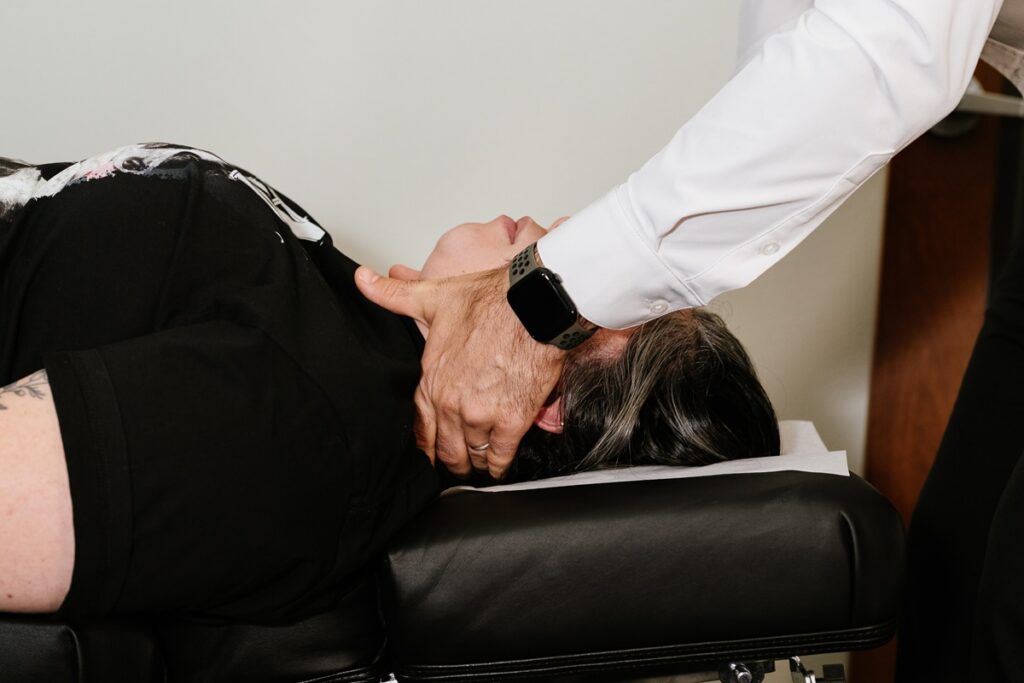
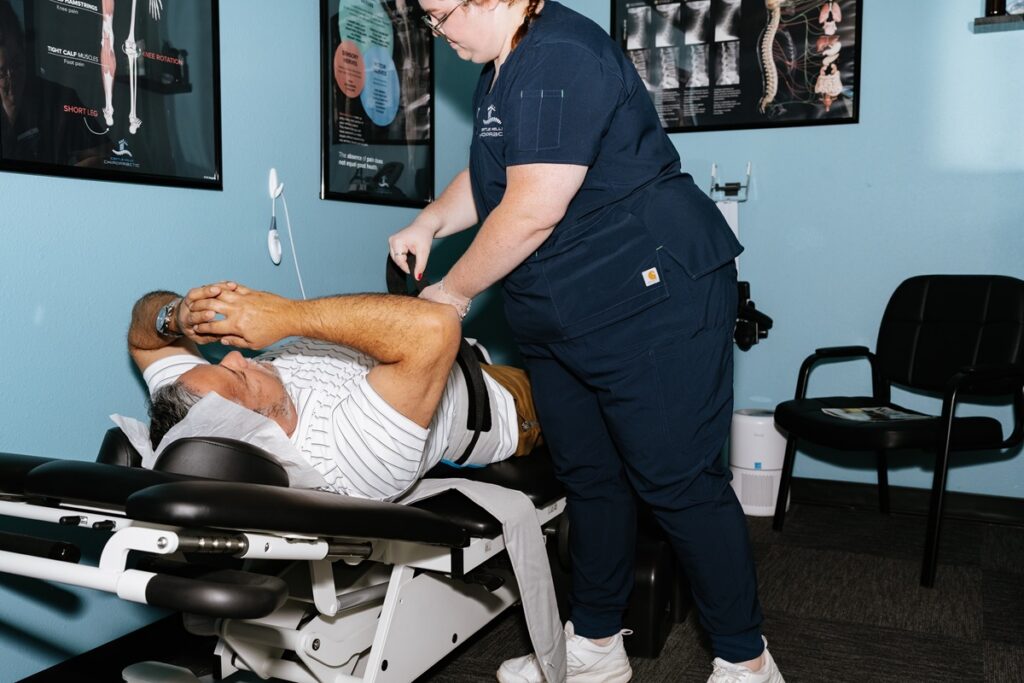
One of the most effective alternative therapies I recommend is chiropractic care. This method involves hands-on spinal manipulation and other specialized techniques to align your body's musculoskeletal structure. By ensuring your spine and joints are properly aligned, we can alleviate pain, improve mobility, and enhance your overall function. Many patients experience significant relief from back pain through regular adjustments.
Acupuncture is another popular option that has helped numerous individuals. This ancient Chinese practice involves the insertion of thin needles at specific points on the body to promote energy flow and reduce pain. Many of my patients have found that regular acupuncture sessions significantly improve their back pain and overall comfort.
Additionally, practices like yoga and Pilates are excellent for those dealing with back pain. They emphasize flexibility, strength, and body awareness. Incorporating these exercises into your routine can improve your posture, strengthen your core muscles, and relieve tension in your back.
Massage therapy is also a fantastic choice for pain relief. Techniques such as deep tissue or trigger point massage can effectively release muscle tension and enhance circulation, promoting relaxation and healing.
Moreover, herbal remedies and supplements, like turmeric or glucosamine, can offer anti-inflammatory benefits that may help reduce pain. However, I always advise consulting with a healthcare professional before starting any new supplements to ensure they're safe and suitable for your particular situation.
By integrating these alternative therapies into your wellness routine, you can take control of your back pain in a natural way. I encourage you to explore these options, listen to your body, and discover what works best for you.
When to Seek Professional Help
As a local chiropractor, I want to emphasize that while alternative therapies, including chiropractic care, can offer substantial relief for back pain, it's crucial to recognize when it's time to seek professional help.
Being aware of the signs that suggest you should consult a healthcare provider can prevent complications and ensure you receive the appropriate diagnosis and treatment. If you find yourself experiencing any of the following symptoms, please don't hesitate to reach out for professional advice:
- Severe Pain: If your back pain is intense and doesn't improve with rest or over-the-counter medications, this may be a signal that you need further evaluation.
- Radiating Pain: If you feel pain that travels down your legs, particularly when accompanied by numbness or tingling, this could indicate a more serious issue that requires attention.
- Loss of Function: If you're having difficulty standing, walking, or carrying out daily activities because of your pain, it's essential to get assessed by a professional.
- Accompanying Symptoms: If your back pain is accompanied by unexplained weight loss, fever, or issues with bowel or bladder control, these could be red flags that warrant immediate medical attention.
Ignoring these signs can lead to more severe conditions or chronic pain.
As a chiropractor, I can conduct a thorough assessment, which may include physical examinations and imaging tests, to help identify the root cause of your discomfort.
Depending on the findings, I may recommend treatments such as chiropractic adjustments, physical therapy, or referrals for other medical interventions if necessary.
Remember, it's always wise to prioritize your health. By seeking help early, you can enhance your chances of a quicker recovery and return to your normal activities sooner.
Don't hesitate—your well-being is important, and I'm here to support you on your journey to better health!
Conclusion
As a local chiropractor, I want to share some effective techniques for managing back pain that you may not be familiar with. It's essential to approach your back pain with a comprehensive strategy that suits your individual needs. One of the fundamental aspects is maintaining good posture, which helps to align your spine and reduce strain.
Incorporating regular exercise into your routine can also greatly benefit your back health. Strengthening the muscles that support your spine will not only help alleviate discomfort but also prevent future issues. I also encourage my patients to explore alternative therapies, such as chiropractic adjustments, which can provide significant relief by restoring proper alignment and function to your spine.
Don't underestimate the power of heat and cold therapy, as these methods can effectively reduce inflammation and soothe tight muscles. Additionally, over-the-counter pain relief options can be useful when needed, but they should be used judiciously.
If your back pain persists or becomes more severe, I urge you to seek professional help. We can work together to create a personalized plan that promotes a healthier, pain-free back. Remember, taking these proactive steps is vital for long-term relief and overall wellness.