
If you’re dealing with low back pain, know that you’re not alone. Many individuals experience discomfort that can disrupt their daily lives. The good news is that relief is often within reach through effective techniques, especially when you consider the benefits of chiropractic care. By focusing on proper posture, targeted stretching, and spinal health, you can find ways to alleviate your pain naturally.
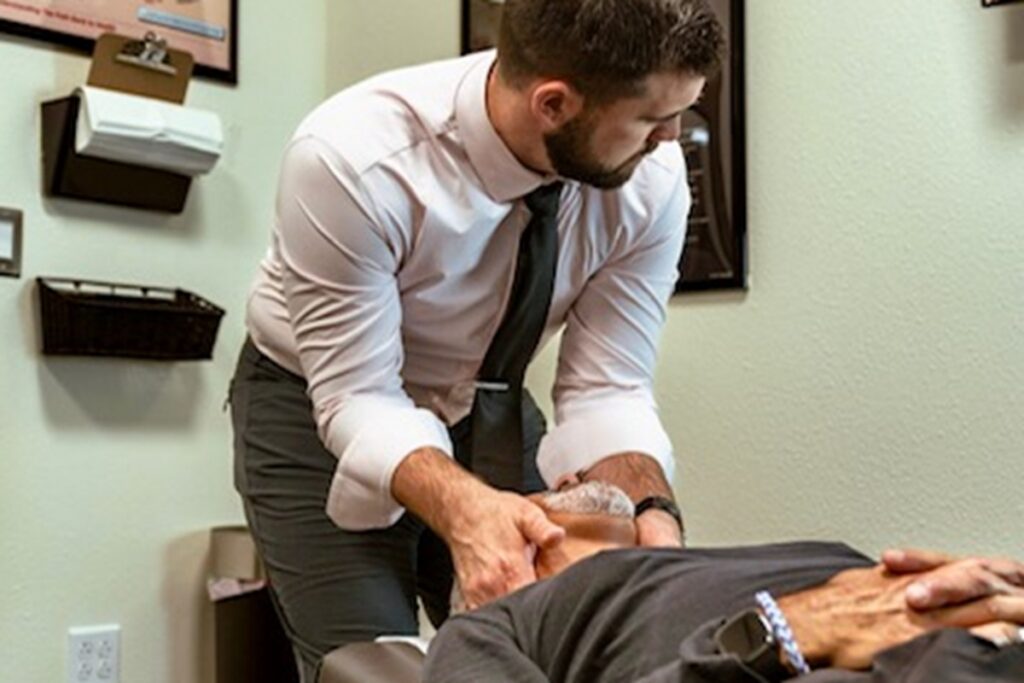
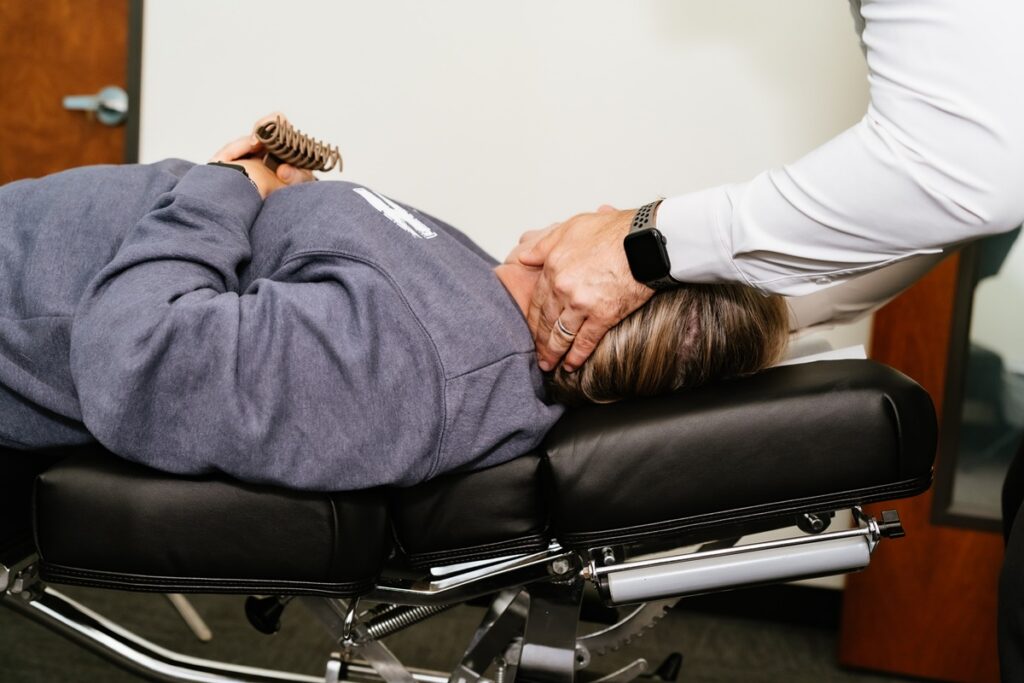
Chiropractic care is a holistic approach that emphasizes the importance of a healthy spine for overall well-being. Regular adjustments from a chiropractor can help realign your spine, relieve tension, and promote better mobility. This natural healing method not only addresses pain but also enhances your body’s ability to heal itself.
In addition to chiropractic adjustments, here are some simple strategies you can incorporate into your routine for better low back health:
- Practice Good Posture: Be mindful of your posture throughout the day, whether you’re sitting, standing, or lifting. Keeping your spine aligned can reduce strain on your back.
- Stay Active: Engage in low-impact exercises like walking or swimming to strengthen your back muscles without overexerting yourself. Movement is key to maintaining spinal health.
- Incorporate Stretching: Gentle stretches can help alleviate tension in your back. Focus on stretches that target the lower back, hamstrings, and hips.
- Use Ergonomic Furniture: If you work at a desk, invest in ergonomic furniture that supports your spine and promotes good posture.
- Stay Hydrated: Drinking plenty of water is essential for maintaining the health of your spinal discs, which rely on hydration to stay healthy and flexible.
By embracing these practices and considering the benefits of chiropractic care, you can take significant steps toward managing your low back pain naturally. Remember, your spine is at the core of your overall health, and nurturing it can lead to a happier, healthier life. If you have any questions or need guidance, don’t hesitate to reach out to your local chiropractor for personalized advice and support.
Key Takeaways
- Regular chiropractic adjustments are essential for realigning your spine, easing pain, and enhancing your overall mobility and function. By visiting your chiropractor, you can experience the benefits of natural healing without relying on medications or invasive procedures.
- Incorporating gentle stretching and strengthening exercises into your daily routine can help improve your flexibility and support your spinal health. Simple activities, like yoga or even basic stretches, can make a significant difference in how your back feels.
- It’s crucial to maintain proper posture and set up your workspace ergonomically. This can significantly reduce strain on your lower back. Simple changes, like using a chair that supports your lower back or adjusting your computer screen to eye level, can help keep discomfort at bay.
- Don’t underestimate the power of relaxation techniques! Practices such as deep breathing exercises or yoga can help relieve muscle tension, especially during stressful times. These techniques not only promote relaxation but also enhance your overall well-being.
- If you’re experiencing persistent pain, worsening symptoms, or any unusual neurological signs, it’s important to seek professional chiropractic care. Your chiropractor is trained to assess and treat these issues, guiding you on the path to recovery and optimal health without resorting to surgeries or medications. Remember, your health is best supported through natural and holistic approaches!
Understanding the Causes of Low Back Pain
When it comes to low back pain, it’s vital to understand the different causes so you can take the right steps toward relief and wellness.
One common culprit is muscle strains, which often happen from lifting heavy objects or making sudden movements. To protect your back, always remember to lift with your legs and not your back, and avoid twisting your torso while holding something heavy.
Another factor to consider is your posture. Sitting for long periods, especially without proper support, can significantly stress your back. Make sure your chair supports your lower back, and take breaks to stretch and move around regularly. This simple habit can do wonders for your spinal health.
Herniated discs are another concern, occurring when the cushioning between your vertebrae slips out of place, which can irritate nearby nerves and lead to pain. Regular chiropractic adjustments can help maintain proper alignment and reduce the risk of disc issues.
Conditions like arthritis or osteoporosis can also make your spine more susceptible to pain. While these issues may require ongoing management, chiropractic care can provide relief by improving joint function and promoting better mobility.
Don’t overlook the impact of stress and anxiety, as they can cause muscle tension in your back, intensifying discomfort. Incorporating relaxation techniques such as deep breathing, yoga, or meditation can be beneficial.
Lastly, lifestyle factors like a lack of exercise or obesity can put extra strain on your back. Engaging in regular physical activity and maintaining a healthy weight are essential for long-term spinal health. Simple exercises like walking, swimming, or gentle stretching can help strengthen your back and improve your overall well-being.
By recognizing these causes and incorporating chiropractic care into your routine, you can effectively address low back pain and take proactive steps toward a healthier, pain-free life.
The Importance of Stretching and Strengthening Exercises
Incorporating stretching and strengthening exercises into your routine is crucial for maintaining a healthy back and preventing pain. As a chiropractor, I want to emphasize that these exercises not only promote wellness but also complement the natural healing benefits of chiropractic care.
Stretching plays a key role in enhancing flexibility, which can reduce muscle tension and improve circulation. When your muscles are more flexible, you’re less likely to experience stiffness or discomfort, leading to a more active and enjoyable lifestyle.
On the other hand, strengthening exercises target the muscles that support your spine. By focusing on your core, you can significantly enhance stability and reduce the risk of injury. A strong core is essential for maintaining proper posture and alignment, which are vital for overall spinal health. Strengthening these muscles can alleviate current pain and prevent it from recurring, allowing you to live your life to the fullest.
I recommend integrating both stretching and strengthening exercises into your weekly routine. Here are some simple tips to help you get started:
- Start with Gentle Stretches: Incorporate basic stretches like forward bends and side stretches to ease tension in your back. Hold each stretch for 15-30 seconds and breathe deeply.
- Strengthen Your Core: Focus on exercises like planks, bridges, and abdominal contractions. These can be done at home without any equipment and are effective in building core strength.
- Consistency is Key: Aim for at least 15-30 minutes of stretching and strengthening exercises a few times a week. The more consistent you are, the more benefits you’ll see.
- Listen to Your Body: Pay attention to how your body feels during these exercises. If you experience pain (not to be confused with discomfort), stop and consult with a chiropractor for guidance.
- Combine with Chiropractic Care: Regular visits to your chiropractor can enhance the benefits of your exercise routine, helping to align your spine and improve overall function.
By prioritizing these exercises alongside chiropractic care, you’re taking proactive steps toward lasting relief and optimal health. You’ll notice improved mobility, reduced pain, and a greater sense of control over your body.
Embrace this natural approach to wellness and enjoy the benefits of a healthier, pain-free life!
Posture Correction Techniques for Everyday Life
Maintaining good posture is essential for your overall health and well-being, and it plays a significant role in spinal health. As a chiropractor, I want to emphasize that proper posture not only helps prevent pain but also promotes optimal function of your body. To enhance your posture, it’s crucial to be mindful of how you sit, stand, and move throughout your daily activities.
When sitting, ensure your feet are flat on the ground, your back is straight, and your shoulders are relaxed. If you spend long hours at a desk, it’s important to adjust your chair height so that your elbows create a 90-degree angle. This small adjustment can make a big difference in your comfort and spinal alignment.
As you stand, try to distribute your weight evenly between both feet. Engaging your core muscles can help support your spine and prevent strain. Remember to avoid locking your knees, as this can lead to discomfort over time. Choosing supportive footwear is also beneficial for maintaining balance and reducing stress on your spine.
Incorporating posture checks into your daily routine can be a game-changer. Consider setting reminders on your phone or computer to evaluate your stance every hour. Simple exercises, like wall angels or chin tucks, can reinforce good posture habits and support spinal health.
Not only do these techniques help alleviate low back pain, but they also enhance your confidence and overall well-being in daily activities.
Chiropractic care is a natural and effective way to improve your posture and relieve pain. Regular adjustments can help align your spine, making it easier to maintain good posture and live a healthier life. Remember, taking care of your spine is essential for your overall health, so consider visiting your chiropractor for personalized advice and treatment. Together, we can work towards your journey to optimal health!
Mindfulness and Relaxation Practices
As a local chiropractor, I understand that managing low back pain can be challenging, but incorporating mindfulness and relaxation techniques can be incredibly beneficial. These practices not only help to alleviate discomfort but also promote overall wellness.
One effective method is to explore breathing techniques. Deep, intentional breathing can help calm your mind and reduce stress, which may contribute to your pain. Guided meditation is another excellent option; it allows you to focus your thoughts and cultivate a sense of peace, making it easier to manage your discomfort.
Additionally, consider trying progressive muscle relaxation. This technique involves tensing and then relaxing different muscle groups, helping you to release built-up tension in your body. By integrating these practices into your daily routine, you can enhance your relaxation and potentially reduce your pain levels.
While these methods are helpful, it’s important to remember that chiropractic care is a powerful ally in your journey toward optimal health. Regular chiropractic adjustments can help align your spine, relieve pressure on nerves, and improve your overall bodily function. By prioritizing chiropractic care, you’re taking a significant step towards achieving pain relief and a healthier lifestyle.
Breathing Techniques for Relaxation
Breathing deeply can significantly enhance your relaxation, especially during moments of low back pain. As a chiropractor, I often emphasize the importance of incorporating natural techniques into your wellness routine. One effective method is to focus on your breath. Start by inhaling slowly through your nose, allowing your abdomen to rise as you fill your lungs with air. Hold that breath for a couple of seconds, then gently exhale through your mouth, consciously feeling your body release tension. Repeat this process for several minutes, letting each breath work to soothe your discomfort.
While you breathe, visualize the pain melting away with each exhale. This not only calms your mind but also helps alleviate muscle tightness, making it easier for you to manage your low back pain. To enhance this practice, you might find it helpful to count your breaths—inhale for a count of four, hold for four, and exhale for six. This simple technique is a wonderful way to bring mindfulness into your day and can complement your chiropractic care for optimal results.
Guided Meditation Benefits
Embracing guided meditation can be an excellent complement to your chiropractic care for managing low back pain and enhancing your overall well-being. By focusing your mind and calming your body, guided meditation helps create a sense of relaxation that can alleviate tension in your back, allowing your chiropractic adjustments to work more effectively.
These sessions encourage mindfulness, making you more aware of your body and its sensations, which can significantly reduce stress and anxiety. This awareness can help you understand where you might be holding tension, enabling you to address tight areas through gentle stretches and movements recommended by your chiropractor.
Incorporating regular meditation into your wellness routine can also improve your emotional health, offering a mental break from pain. As you develop this practice alongside your chiropractic care, you may find it easier to cope with discomfort and cultivate a more positive outlook on your healing journey.
Here are a few tips to get started with guided meditation:
- Find a Quiet Space: Choose a calm environment where you won’t be disturbed, allowing you to fully relax and focus.
- Set a Time: Aim for a specific time each day to practice, even if it’s just for a few minutes. Consistency is key.
- Use Apps or Videos: There are many guided meditation apps and online videos that can help you through the process, making it easier to stay engaged.
- Combine with Breathing Exercises: Pair your meditation with deep breathing techniques to enhance relaxation and support your spine’s alignment.
- Listen to Your Body: Pay attention to how your body feels during meditation. This awareness can help you communicate better with your chiropractor about your needs.
Progressive Muscle Relaxation
Progressive muscle relaxation (PMR) is an effective technique that can help you release tension in both your body and mind, making it particularly beneficial for managing low back pain. By consciously tensing and then relaxing different muscle groups, you can’t only enhance your awareness of physical sensations but also encourage relaxation throughout your body.
To get started, find a quiet and comfortable space where you can either sit or lie down. Begin with your feet by tensing the muscles for a few seconds and then allowing them to relax completely. Gradually move up through your legs, abdomen, arms, and neck. This practice not only helps to reduce stress and tension but can also play a significant role in alleviating discomfort in your lower back.
Incorporating PMR into your daily routine can lead to lasting relief, but remember that chiropractic care is also a powerful ally in your journey towards optimal health. Regular chiropractic adjustments can help align your spine, improve your overall function, and further reduce pain.
Here are a few additional tips for managing low back pain naturally:
- Maintain good posture when sitting and standing to reduce strain on your back.
- Stay active with regular, gentle exercises such as walking or yoga to keep your muscles strong and flexible.
- Apply heat or cold to your back to help soothe discomfort.
- Stay hydrated and eat a balanced diet to support overall health and wellness.
Exploring Alternative Therapies: Acupuncture and Chiropractic Care
As you seek relief from low back pain, consider the incredible benefits of chiropractic care as a natural and effective solution. Chiropractic care is designed to restore balance within your body, promoting healing and optimal health without the need for invasive procedures or medications.
| Therapy | Benefits |
|---|---|
| Chiropractic Care | Realigns the spine, enhances mobility, reduces pain, and decreases inflammation naturally. |
| Non-invasive | Focuses on gentle adjustments to support your body’s healing process. |
| Personalized Plans | Each treatment is tailored to meet your unique needs and health goals. |
| Affordable | Often more cost-effective than traditional medical treatments. |
| Accessibility | Chiropractic services are widely available in many communities, making it easy to access care. |
Incorporating chiropractic care into your wellness routine can significantly enhance your recovery process. Here are some general tips for maintaining a healthy spine and overall wellness:
- Maintain Good Posture: Be mindful of your posture, especially when sitting for long periods. Use ergonomic chairs and take regular breaks to stand and stretch.
- Stay Active: Engage in regular physical activity to strengthen your back muscles and improve flexibility. Simple exercises like walking, swimming, or yoga can make a big difference.
- Hydrate: Drink plenty of water to keep your body hydrated, which is essential for maintaining healthy spinal discs.
- Sleep Well: Ensure you have a supportive mattress and pillow that align your spine properly while you sleep.
- Regular Chiropractic Visits: Schedule routine check-ups with your chiropractor to monitor your spinal health and address any issues before they become problems.
Always consult with a chiropractor to ensure your treatment plan is aligned with your specific needs and health conditions. By making chiropractic care a cornerstone of your wellness journey, you can achieve effective pain management and a healthier, more vibrant life.
Ergonomic Adjustments for Home and Work
When you prioritize ergonomic adjustments in your home and work environments, you can significantly reduce the risk of low back pain and enhance your overall comfort. By making simple changes, you can pave the way for a healthier lifestyle. Start by evaluating your workspace and seating arrangements to ensure they support your body’s natural alignment, which is vital for maintaining a healthy spine.
- Chair Height: Adjust your chair so that your feet rest flat on the floor. This helps distribute your weight evenly and reduces strain on your lower back.
- Lumbar Support: Use a lumbar support cushion to maintain the natural curve of your spine. This simple addition can alleviate pressure on your back and promote better posture.
- Monitor Position: Position your computer monitor at eye level. This will help you avoid straining your neck, which can lead to discomfort and tension.
- Reach and Stretch: Keep frequently used items within easy reach to minimize twisting and bending. This reduces the risk of injury and promotes better spinal health.
- Regular Breaks: Take regular breaks to stretch and move around. This practice encourages circulation and helps prevent stiffness, making it easier for your body to function optimally.
Remember, chiropractic care is an excellent way to support your body’s natural healing processes. Regular visits to your chiropractor can help address any misalignments and ensure your spine is functioning at its best.
When to Seek Professional Help
Experiencing persistent low back pain can be incredibly frustrating, especially when it interferes with your daily activities. If your pain lasts longer than a few weeks, it’s essential to consider seeking professional help. Ignoring symptoms like numbness, tingling, or weakness in your legs could lead to more significant issues, as these may indicate nerve problems that require immediate attention. Additionally, if your pain becomes more intense or disrupts your sleep, consulting a chiropractor can be a wise decision.
As a chiropractor, I want you to know that you don’t have to suffer in silence. If you’ve experienced back pain after an injury, or if you’re dealing with fever or unexplained weight loss, it’s crucial to reach out for evaluation. These signs may point to conditions that need to be addressed, and a chiropractor can guide you through the natural healing process.
Remember, early intervention is key to effective treatment and recovery. Taking the step to seek chiropractic care shows that you’re proactive about your health and well-being. Chiropractors focus on restoring proper spinal function and overall body balance, which can lead to significant pain relief and improved quality of life.
Here are some general tips to help manage your back health:
- Stay Active: Gentle exercises, such as walking or stretching, can help keep your back flexible and strong.
- Practice Good Posture: Maintaining proper posture while sitting, standing, and lifting can help prevent strain on your back.
- Use Supportive Furniture: Invest in a good chair and mattress that provide proper support to your spine.
- Stay Hydrated: Drinking plenty of water can help keep your discs hydrated and maintain spinal health.
- Consider Regular Chiropractic Visits: Routine adjustments can help keep your spine aligned and functioning optimally.
Don’t hesitate to reach out to a chiropractor who can provide the personalized care and guidance you need to get back on track. Your journey to health and wellness is important, and chiropractic care is here to support you every step of the way.
Conclusion
Incorporating these chiropractic techniques into your daily routine can greatly enhance your ability to manage low back pain naturally. Focus on gentle stretching and strengthening exercises that support your spine, as well as maintaining good posture to alleviate stress on your back. Mindfulness practices can also be beneficial in reducing stress, which often contributes to pain.
Make sure to assess your home and work environments for ergonomic adjustments that can further support your back health. Simple changes, like adjusting your chair height or computer monitor, can make a big difference in how your body feels throughout the day.
If your pain continues or worsens, consider reaching out to a chiropractor. They can provide personalized care to help ensure you’re on the path to recovery. Remember, taking these proactive steps can empower you to live a more active and pain-free life, all while embracing natural healing methods that promote overall wellness. Your spine will thank you!