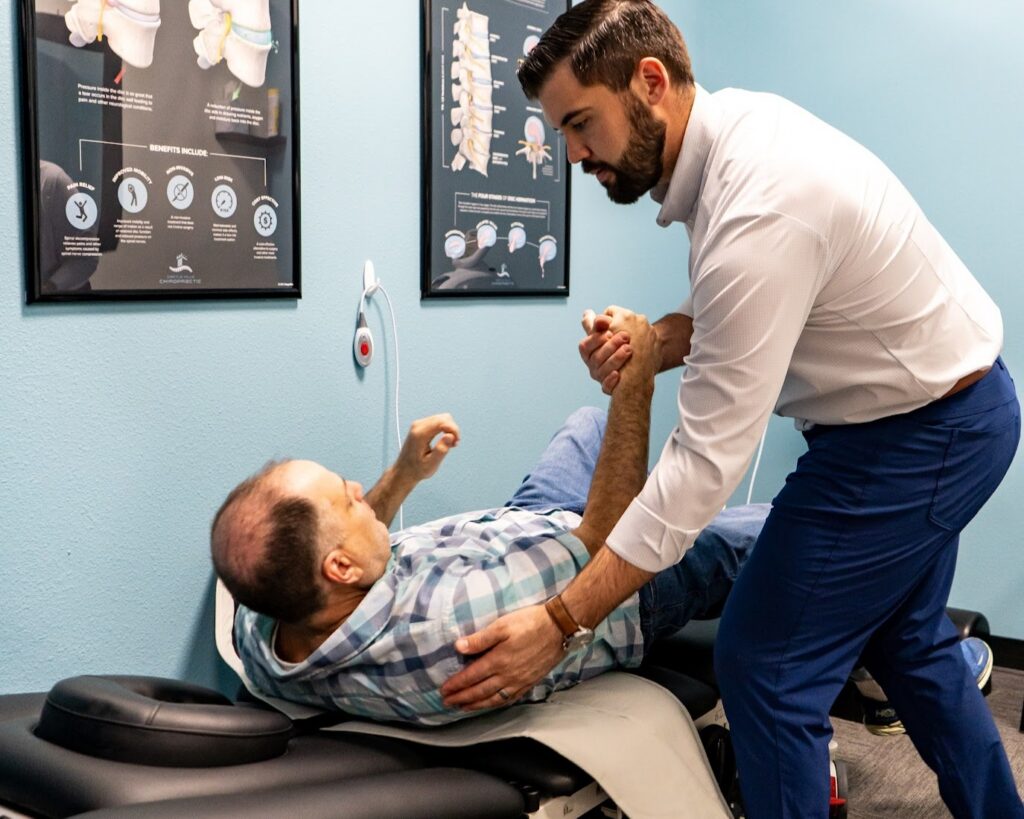

You might not realize how much routine care can impact your mobility until you start noticing the little changes in your daily life. Regular check-ups and targeted exercises can lead to significant improvements in flexibility and strength, allowing you to stay active and engaged in the activities you love. But there's more to this than just occasional visits to the doctor or a few stretches. Understanding how to create a personalized mobility plan tailored to your needs could open doors you didn't even know were closed. Curious about how to get started?
Importance of Routine Care
Routine care is essential for maintaining your mobility and overall well-being. By committing to regular assessments and interventions, you can identify potential issues before they escalate into serious problems. Think about it: when you check in with your healthcare provider, you're proactively managing your health rather than reacting to crises. This proactive approach helps you stay active and engaged in your daily life.
Moreover, routine care isn't just about physical health; it also has a significant impact on your mental and emotional well-being. Regular check-ins can provide peace of mind, knowing you're taking the necessary steps to care for yourself. It's easy to overlook small aches and pains, but addressing them promptly can prevent chronic conditions from developing.
You might also find that routine care encourages you to adopt healthier habits. By interacting with healthcare professionals, you gain insights into your body's needs, which can motivate you to make better lifestyle choices. This might include maintaining a balanced diet, incorporating regular exercise, or getting adequate sleep—all essential factors for sustaining mobility.
Lastly, routine care creates a partnership between you and your healthcare provider. This relationship fosters open communication, allowing you to voice concerns and ask questions. When you feel supported, you're more likely to stay committed to your health journey.
Benefits of Regular Check-Ups
Regular check-ups provide an essential opportunity to catch potential health issues early, guaranteeing you stay on track with your mobility goals. You mightn't realize it, but these routine visits can greatly impact your overall well-being.
By prioritizing regular check-ups, you're taking proactive steps that can lead to a healthier, more active life.
Here are some key benefits you can expect from keeping up with your check-ups:
- Early Detection: Spotting health issues before they escalate can save you time, money, and unnecessary suffering.
- Personalized Care: Your healthcare provider can tailor their recommendations based on your unique health history and lifestyle.
- Peace of Mind: Knowing that you're taking care of your health can reduce anxiety and help you feel more in control.
- Enhanced Mobility: By addressing potential problems early, you can maintain your strength and flexibility, keeping you moving with ease.
Regular check-ups aren't just about addressing problems; they're about building a foundation for a vibrant life.
You deserve to enjoy activities you love without the worry of underlying health issues. So, don't wait—schedule your next appointment and commit to your mobility journey.
Consistent care guarantees that you're not only living but thriving, allowing you to embrace life's adventures fully.
Stretching and Strengthening Exercises
To maintain and enhance your mobility, incorporating stretching and strengthening exercises into your routine is key. These exercises not only improve flexibility but also build muscle strength, which is vital for overall mobility.
When you stretch regularly, you help lengthen your muscles and improve your range of motion. This can make daily activities easier and reduce the risk of injury.
Start with simple stretches that target major muscle groups, such as your hamstrings, quadriceps, and shoulders. Hold each stretch for at least 15-30 seconds, and don't forget to breathe deeply. You can incorporate dynamic stretches, like arm swings or leg swings, to warm up before more intense activities.
Strengthening exercises are equally important. They help support your joints and muscles, making them less prone to injury. Focus on exercises that engage multiple muscle groups, like squats, lunges, and push-ups. Aim for 2-3 sets of 8-12 repetitions for each exercise. You can use your body weight or add resistance bands for added challenge.
Consistency is essential. Try to include these exercises in your routine at least three times a week. You'll notice improvements in your mobility, balance, and overall strength over time.
The Role of Physical Therapy
Physical therapy plays an essential role in enhancing mobility and overall physical function. If you're facing challenges with movement or recovering from an injury, physical therapy can be your guiding light. It's not just about exercises; it's about understanding your body, your limitations, and your potential.
Through tailored interventions, you'll regain strength and flexibility, helping you reclaim the activities you love.
Imagine the joy of moving without pain. Picture yourself:
- Walking with ease, enjoying strolls in the park.
- Dancing at your friend's wedding, feeling the rhythm.
- Playing catch with your kids, sharing laughter and fun.
- Climbing stairs without hesitation, embracing challenges.
Physical therapists are trained to assess your individual needs and create targeted programs to address them. They'll teach you proper techniques and exercises that enhance your strength, balance, and coordination.
With their support, you'll break down barriers that hinder your mobility, fostering your confidence along the way.
Furthermore, physical therapy isn't just about recovery; it's about prevention. By learning how to care for your body now, you'll minimize the risk of future injuries.
You'll be equipped with the knowledge and skills to maintain your mobility for years to come.
Creating a Personalized Mobility Plan
Creating a personalized mobility plan starts with understanding your unique needs and goals. You'll want to assess your current mobility level, identify any limitations, and pinpoint what you hope to achieve. Maybe you want to walk longer distances, improve your balance, or regain strength after an injury. Whatever it is, clarity around your objectives is essential.
Next, consider your lifestyle. Are you active and looking to enhance your performance, or do you need a gentler approach due to health concerns? Tailoring your plan to fit seamlessly into your daily routine will increase your chances of sticking with it. Include activities you enjoy, whether it's walking, swimming, or yoga. This won't only make exercising more enjoyable but also help you stay motivated.
Don't forget to incorporate a variety of exercises. Strength training, flexibility work, and cardiovascular activities all play important roles in improving mobility. Schedule regular check-ins to evaluate your progress and make necessary adjustments. If you're not seeing the results you want, it's okay to tweak your plan.
Lastly, consider enlisting the help of healthcare professionals. A physical therapist or a personal trainer can provide valuable insights and guidance tailored to your specific needs. They can help guarantee you're performing exercises correctly and safely, maximizing the benefits of your plan.
Conclusion
Incorporating routine care into your life is key to unfastening greater mobility and enhancing your well-being. Regular check-ups help catch issues early, while stretching and strengthening exercises boost your flexibility and strength. Don't underestimate the benefits of physical therapy; it can tailor your recovery and mobility improvement. By creating a personalized mobility plan, you empower yourself to live an active lifestyle. Start prioritizing your health today, and watch your mobility flourish for years to come!