
When you face a sports injury, it's easy to feel overwhelmed by the options for recovery. Instead of reaching for conventional treatments, you might consider natural healing methods that can enhance your body's own ability to recover. By integrating herbal remedies, balanced nutrition, and targeted physical therapy techniques, you can create a holistic approach that not only aids in healing but also strengthens your performance. Curious about which natural remedies and practices can help you bounce back and prevent future injuries? The answers might surprise you.
Understanding Sports Injuries
When it comes to sports injuries, understanding the underlying causes is crucial for effective recovery. You might feel frustrated when dealing with a setback, but recognizing the reasons behind your injury can help you avoid future issues.
Injuries typically stem from overuse, improper technique, or inadequate warm-up and cool-down routines.
Overuse injuries occur when you push your body beyond its limits without allowing sufficient time for rest and recovery. This can lead to stress fractures, tendonitis, or muscle strains. Pay attention to your body's signals—persistent pain or fatigue isn't something to ignore.
Improper technique often leads to injuries as well. Whether you're running, playing basketball, or swimming, using an incorrect form can place excessive strain on your muscles and joints. Consider consulting with a coach or trainer to guarantee your technique is on point.
Lastly, neglecting warm-ups and cool-downs can leave your muscles unprepared for the demands of your sport. A proper warm-up increases blood flow and prepares your body for action, while cooling down helps in recovery and flexibility.
The Power of Herbal Remedies
When you're dealing with sports injuries, herbal remedies can be a game changer.
These natural solutions offer effective pain relief and can help reduce inflammation.
Herbal Pain Relief
Herbal remedies have long been celebrated for their natural ability to alleviate pain and promote healing. When dealing with sports injuries, you might find relief in various herbs that have stood the test of time.
For instance, arnica is well-known for its effectiveness in reducing bruising and soreness. You can apply arnica gel or cream directly to the affected area for quick relief.
Another powerful option is ginger, which you can consume as tea or in capsules. It possesses analgesic properties that can help calm headaches and muscle pain.
If you prefer a topical solution, consider using cayenne pepper. It contains capsaicin, which can desensitize your pain receptors when applied as a cream.
Turmeric, with its active compound curcumin, is also worth exploring. You can add it to your meals or take it as a supplement to harness its anti-pain benefits.
Finally, don't overlook peppermint oil; its cooling effect can soothe sore muscles when massaged in.
Anti-Inflammatory Herbs
In the domain of natural healing, anti-inflammatory herbs stand out as powerful allies in recovering from sports injuries. These herbs can notably reduce swelling and pain, allowing you to bounce back faster.
One of the most popular options is turmeric, known for its active compound, curcumin, which has potent anti-inflammatory properties. Incorporating turmeric into your diet can help ease joint pain and promote healing.
Ginger is another fantastic choice. It contains gingerols that combat inflammation effectively. You can enjoy it in teas, smoothies, or even as a spice in your meals.
Boswellia, or Indian frankincense, is also worth considering; it's been shown to reduce inflammation in conditions like arthritis, making it a valuable asset for athletes.
Willow bark, often referred to as nature's aspirin, can relieve pain and inflammation too.
Don't forget about the healing power of green tea, packed with antioxidants that fight inflammation and support recovery.
Physical Therapy Techniques
After an injury, physical therapy techniques play an essential role in your recovery process. These techniques help restore mobility, strength, and function, allowing you to get back to your game as soon as possible.
First, you'll want to focus on range of motion exercises. These gentle movements can help reduce stiffness and improve flexibility in the affected area. Gradually increase the intensity as you begin to feel more comfortable.
Next, strengthening exercises are vital. They target the muscles around your injury, helping to provide support and prevent future issues. Start with low-resistance exercises, and as your strength improves, you can introduce more challenging movements. Resistance bands and light weights can be particularly useful.
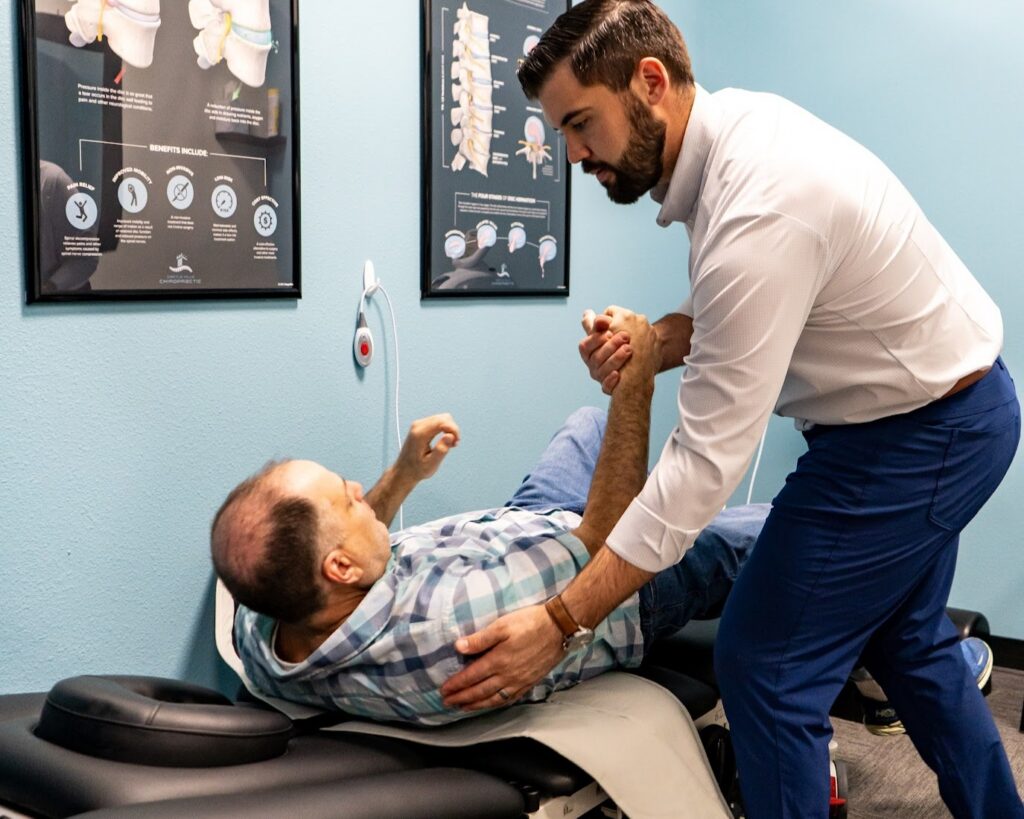
Manual therapy is another effective technique. A qualified physical therapist can use hands-on techniques to manipulate soft tissues, which can alleviate pain and improve circulation.
Don't underestimate the power of modalities like heat, ice, and electrical stimulation—these can be beneficial in managing pain and swelling.
Balance and proprioception exercises should also be a part of your routine. They enhance your body's awareness of movement and position, reducing the risk of re-injury. Incorporate exercises like single-leg stands or balance boards into your sessions.
Finally, remember to communicate with your therapist throughout the process. They can adjust your program based on your progress, ensuring you're always challenged but never overexerted.
With dedication to these physical therapy techniques, you'll be well on your way to a full recovery.
Nutrition for Recovery
Recovering from a sports injury goes beyond just physical therapy; nutrition plays a significant role in how quickly and effectively your body heals. When you're injured, your body requires essential nutrients to repair tissues and reduce inflammation. Focus on incorporating a balanced diet rich in vitamins, minerals, proteins, and healthy fats.
Start with protein, as it's essential for muscle repair. Include lean meats, fish, eggs, legumes, and dairy in your meals. Aim for a variety of sources to guarantee you're getting all the necessary amino acids.
Don't forget about carbohydrates—they provide the energy your body needs for recovery. Opt for whole grains, fruits, and vegetables, which also offer antioxidants to combat inflammation.
Healthy fats, like those found in avocados, nuts, and olive oil, are important for reducing inflammation and promoting healing. Omega-3 fatty acids, in particular, can be beneficial, so consider fatty fish like salmon or flaxseeds.
Stay hydrated, too; water is necessary for every bodily function, including recovery.
Supplements can also help, but consult with a healthcare professional before adding anything to your regimen. Vitamin C supports collagen formation, while vitamin D plays a role in bone health. Zinc is another important mineral for immune function and tissue repair.
Mindfulness and Mental Resilience
Mindfulness practices can markedly enhance your mental resilience during the recovery from a sports injury. When you're sidelined, it's easy to feel overwhelmed by frustration and anxiety. However, incorporating mindfulness techniques can help you regain control over your thoughts and emotions, allowing you to approach your healing process with a more positive mindset.
Start by dedicating a few minutes each day to mindfulness meditation. Find a quiet space, close your eyes, and focus on your breath. This simple practice helps ground you in the present moment and reduces stress levels.
You may also try body scans, where you mentally check in with different parts of your body, promoting awareness and acceptance of your current state.
Visualization is another powerful tool. Picture yourself fully healed, performing your sport again with strength and confidence. This mental imagery reinforces your commitment to recovery and fosters a sense of hope. Pair this with positive affirmations, reminding yourself that healing takes time and patience.
Additionally, practice gratitude by acknowledging small victories in your recovery journey. Celebrate progress, no matter how minor it seems. This habit cultivates a resilient mindset, shifting your focus from what you've lost to what you're gaining.
Restorative Practices for Athletes
Restorative practices are vital for athletes aiming to heal effectively and return to peak performance. These practices focus on recovery and restoring balance, both physically and mentally.
You should prioritize sleep, as it's during these hours that your body repairs tissues and strengthens the immune system. Aim for 7-9 hours of quality sleep each night, creating a sleep environment that's dark, quiet, and cool.
Incorporating active recovery into your routine can also be beneficial. Engage in low-impact activities like swimming, cycling, or yoga. These exercises increase blood flow without straining your injured areas, helping to alleviate soreness and promote healing.
Stretching is another key element—gentle stretches can enhance flexibility and reduce tightness in surrounding muscles.
Nutrition plays a significant role in your recovery process. Focus on whole foods rich in vitamins and minerals. Foods high in omega-3 fatty acids, like salmon and walnuts, can help reduce inflammation.
Don't forget to hydrate; proper hydration supports joint function and muscle recovery.
Lastly, consider incorporating techniques such as massage therapy or acupuncture. These methods can relieve tension, improve circulation, and accelerate the healing process.
Listening to your body is essential; if you feel pain during any activity, give yourself permission to rest and recuperate.
Preventing Future Injuries
To prevent future injuries, you need to focus on strengthening your muscles and joints.
Incorporating proper warm-up techniques into your routine is essential for preparing your body for activity.
Don't forget that balanced nutrition and hydration play a key role in keeping you injury-free.
Strengthening Muscles and Joints
While injuries can sideline even the most dedicated athletes, strengthening your muscles and joints can greatly reduce the risk of future setbacks. By focusing on targeted exercises, you can build the stability and resilience needed to withstand the demands of your sport.
Start by incorporating resistance training into your routine. This can include bodyweight exercises, free weights, or resistance bands—whatever suits your level best.
Don't forget about flexibility! Stretching regularly helps improve your range of motion and keeps your muscles limber, which plays an important role in injury prevention. Yoga and Pilates are excellent options for enhancing both strength and flexibility.
Additionally, consider working on your core stability. A strong core supports your entire body, helping to prevent injuries in your limbs and joints. Incorporate planks, bridges, and rotational exercises to develop this essential area.
Lastly, listen to your body. If you feel any discomfort during exercise, it's important to adjust your routine accordingly.
Proper Warm-Up Techniques
How can you effectively prepare your body for the demands of your sport? The answer lies in proper warm-up techniques. Warming up isn't just a routine; it's essential for preventing injuries and enhancing your performance.
Start with 5-10 minutes of light aerobic activity, like jogging or jumping rope, to increase your heart rate and blood flow to the muscles.
Next, incorporate dynamic stretches. These movements, such as leg swings, arm circles, and lunges, help improve flexibility and mobility. Focus on your sport-specific motions; if you're a soccer player, practice short sprints or lateral movements. This mimics the actions you'll perform during the game.
Don't forget to include sport-specific drills. Gradually increase the intensity to prepare your body for the challenges ahead. For instance, if you're a basketball player, practice shooting or dribbling at varying speeds.
Finally, always listen to your body. If you feel any discomfort, adjust your warm-up accordingly.
Balanced Nutrition and Hydration
Ideal nutrition and hydration play a critical role in your athletic performance and recovery, directly influencing your ability to prevent future injuries. When you fuel your body with the right nutrients, you enhance muscle function, boost energy levels, and support recovery processes.
Focus on a balanced diet rich in lean proteins, whole grains, healthy fats, and plenty of fruits and vegetables. These food groups provide essential vitamins and minerals that strengthen your immune system and repair tissues.
Hydration is equally crucial. Dehydration can lead to muscle cramps, fatigue, and impaired coordination—all factors that increase your risk of injury. Aim to drink water consistently throughout the day, and consider electrolyte-rich beverages during intense workouts.
Pay attention to your body; thirst is a sign that you need to hydrate.
Don't forget about timing. Eating a well-rounded meal or snack 30 minutes to two hours before exercise can provide the energy you need.
Post-workout, refuel with protein and carbohydrates to aid in recovery. By prioritizing balanced nutrition and hydration, you're setting yourself up for success and markedly reducing the chances of future injuries.
Take these steps, and release your game!
Conclusion
By embracing natural healing methods, you can release your true athletic potential. Incorporate herbal remedies, focus on nutrition, and engage in restorative practices to support your recovery. Remember to listen to your body and prioritize prevention strategies to avoid future injuries. With a holistic approach, you'll not only heal faster but also enhance your overall performance. Get back in the game stronger and more resilient than ever—your journey to success starts now!