
If you’ve ever dealt with low back pain, you know just how challenging it can be to go about your daily life. What you might not realize is that this pain could be a symptom of hidden injuries lurking beneath the surface. Common culprits include strained muscles, herniated discs, and nerve compression. It’s vital to uncover the true source of your discomfort to find effective relief.
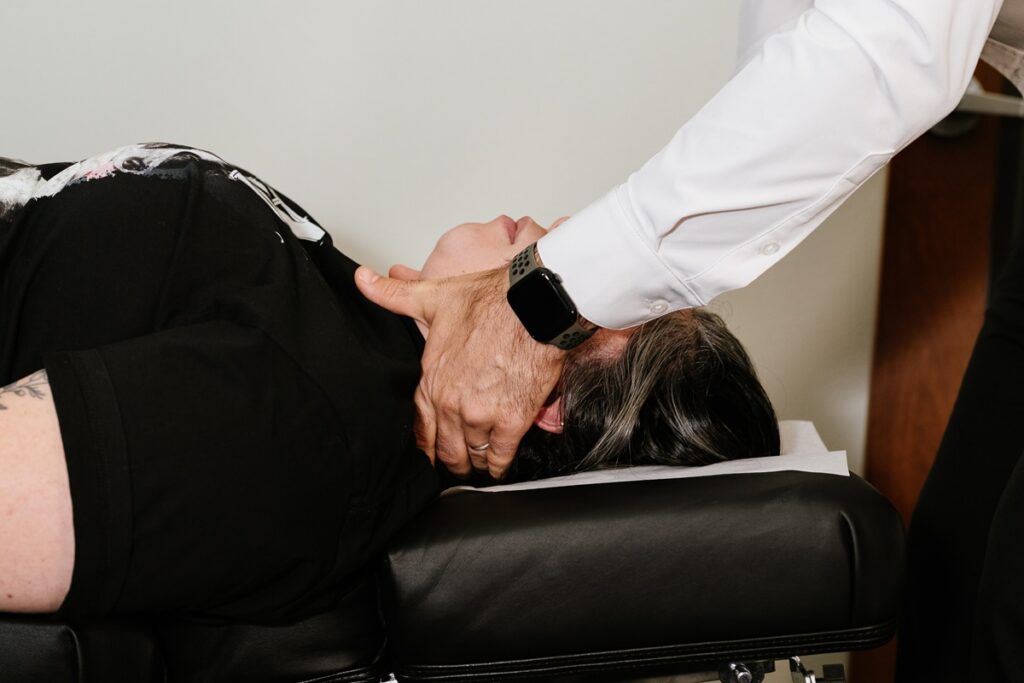
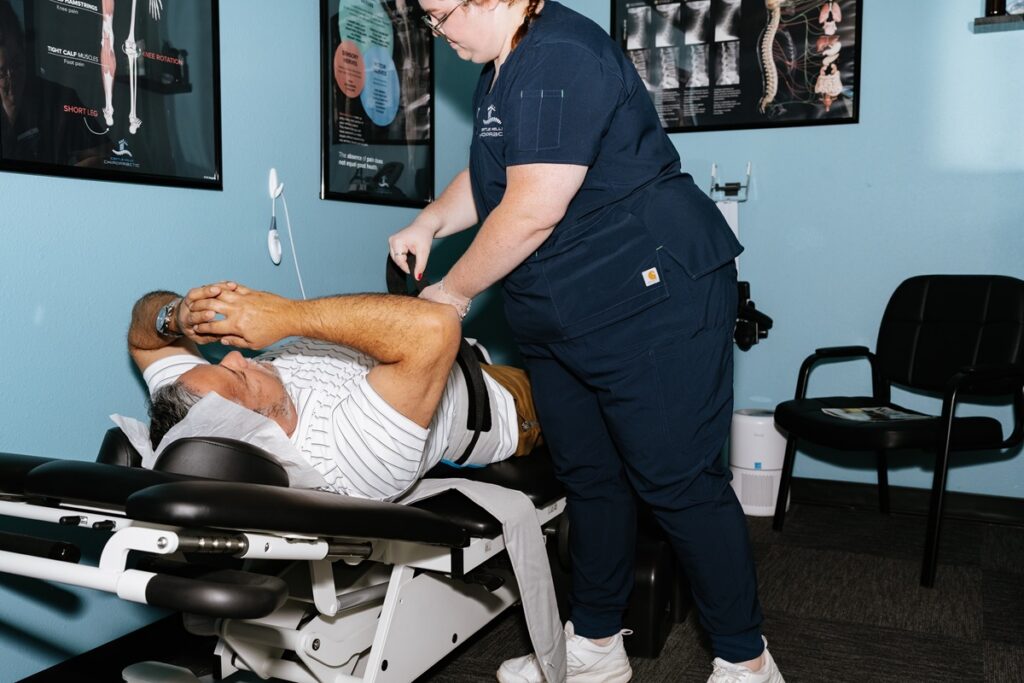
As a local chiropractor, I want to emphasize the importance of understanding your body and how chiropractic care can help you achieve optimal health. By addressing the root cause of your low back pain through gentle adjustments and spinal care, you can promote healing and restore function without the need for surgery or medications.
Here are some general tips that may help manage your low back pain:
- Stay Active: Gentle exercises, such as walking or stretching, can help keep your back muscles strong and flexible.
- Posture Matters: Pay attention to your posture, especially when sitting for long periods. Use ergonomic chairs and take breaks to stand and stretch.
- Warm Up and Cool Down: If you’re engaging in physical activity, make sure to warm up before and cool down afterward to prevent strain.
- Listen to Your Body: If you feel discomfort during activities, don’t push through the pain. Instead, rest and consult a chiropractor for guidance.
- Consider Chiropractic Care: Regular chiropractic adjustments can help align your spine, reduce tension in your muscles, and enhance your overall well-being.
By prioritizing your spinal health and seeking natural, non-invasive solutions like chiropractic care, you can address low back pain effectively and lead a healthier, more active life. Remember, understanding your body is the first step towards achieving lasting relief!
Key Takeaways
Uncover Hidden Injuries Behind Low Back Pain with Chiropractic Care
Low back pain can be frustrating and debilitating, but many people don’t realize that common culprits lie beneath the surface. As a chiropractor, I want to shed light on these hidden injuries and how natural healing through chiropractic care can help you achieve optimal health.
- Muscle Strains and Sprains: These are often the result of improper lifting or sudden movements and can lead to significant discomfort. Chiropractic adjustments can help realign your spine and improve muscle function, promoting healing and reducing pain.
- Disc Herniations: When the inner material of a disc protrudes, it can press on nearby nerves, causing pain, numbness, or weakness in your legs. Chiropractic care focuses on spinal adjustments and gentle therapies to relieve pressure on these nerves, allowing your body to heal naturally.
- Nerve Compression: This condition can disrupt the communication between your brain and body, leading to symptoms like sciatica, numbness, and muscle weakness. Chiropractic treatment aims to relieve this compression, restoring proper function and reducing discomfort.
- Sacroiliac Joint Dysfunction: This issue can mimic other conditions and often presents as localized pain in the lower back, hips, or legs, which can worsen with movement. Chiropractic adjustments can help restore mobility and alleviate pain in this area.
To uncover the cause of your low back pain, a detailed evaluation by a chiropractor can be invaluable. By understanding your medical history and conducting a thorough examination, we can identify underlying pain mechanisms and create a customized treatment plan just for you.
Takeaway Tips for a Healthier Back:
- Practice Good Posture: Keep your spine aligned when sitting or standing to reduce strain on your back.
- Lift Correctly: Bend at the knees and keep the object close to your body when lifting heavy items.
- Stay Active: Gentle exercises and stretches can strengthen your back muscles and improve flexibility.
- Listen to Your Body: If you feel pain, don’t push through it—seek guidance from a chiropractor.
Choosing chiropractic care is a natural and effective way to address low back pain and improve your overall wellness. Embrace a healthier lifestyle and let us help you on your path to pain relief and optimal health!
Understanding the Anatomy of Low Back Pain
When you think about low back pain, it’s important to understand the anatomy that contributes to it. Your lumbar spine, made up of five vertebrae, is crucial for providing both support and flexibility to your body. The intervertebral discs act like shock absorbers, cushioning these bones during movement, which is essential for maintaining a healthy and active lifestyle.
Surrounding the spine are muscles, ligaments, and tendons that work together to stabilize and enable movement. The nerves in your lower back are also vital; they send signals between your brain and body, helping to control both movement and sensation. When any of these components is injured or strained, it can lead to pain and discomfort.
A great way to help protect your lumbar region is by maintaining proper posture and building core strength. Simple practices, like being mindful of how you sit, stand, and lift, can make a big difference in preventing injuries. Additionally, being aware of your daily movements can help you identify potential risk factors for pain.
Chiropractic care is a fantastic option for addressing low back pain naturally. By focusing on spinal health, chiropractic adjustments can help restore proper alignment, improve mobility, and enhance overall wellness. This holistic approach not only targets pain relief but also promotes a healthier lifestyle.
Common Hidden Injuries That Contribute to Low Back Pain
When you experience low back pain, it often results from common hidden injuries such as muscle strains and sprains. Additionally, issues like disc herniations and bulges can significantly contribute to your discomfort. Understanding these underlying causes is crucial for addressing your pain effectively.
As a chiropractor, I want to emphasize that chiropractic care is an excellent choice for relieving low back pain and promoting overall wellness. Through gentle adjustments and targeted therapies, we can help restore proper alignment and function to your spine, which can alleviate pain and support your body’s natural healing processes.
Here are some helpful tips to take care of your back and enhance your wellness:
- Stay Active: Engage in regular physical activity, such as walking or stretching, to keep your muscles strong and flexible.
- Practice Good Posture: Whether sitting at a desk or lifting heavy objects, maintaining proper posture can help prevent strain on your back.
- Listen to Your Body: Pay attention to any discomfort. If something feels off, it’s important to address it early, ideally with a chiropractic consultation.
- Incorporate Core Strengthening Exercises: Strengthening your core can provide better support for your lower back. Simple exercises like planks and bridges can make a difference.
- Stay Hydrated: Proper hydration is vital for spinal health. Drinking enough water helps keep spinal discs healthy and functioning well.
Muscle Strains and Sprains
Muscle strains and sprains can often be the hidden culprits behind low back pain, and many of us may not even realize that our daily activities could lead to these injuries. As your local chiropractor, I want to help you recognize some common causes of these issues so that you can take proactive steps to protect your back and enhance your overall well-being.
Here are three frequent triggers to be mindful of:
- Improper Lifting: Lifting heavy objects without the right technique can easily strain your back muscles. Always remember to bend your knees, keep your back straight, and lift with your legs. This simple adjustment can make a significant difference in preventing injuries.
- Sudden Movements: Quick twists or jerking motions can sprain your muscles and ligaments. When engaging in physical activities, try to move smoothly and avoid abrupt changes in direction. If you need to turn, pivot on your feet rather than twisting your torso.
- Overexertion: Pushing yourself too hard during exercise or strenuous activities, especially if you’re not accustomed to them, can lead to painful strains. It’s important to listen to your body and gradually increase the intensity of your workouts. Start with lighter activities and build up your strength and stamina over time.
Recognizing these triggers is essential for preventing low back pain. If you do find yourself experiencing discomfort or suspect you’ve strained or sprained a muscle, chiropractic care can be a natural and effective treatment option. Through gentle adjustments and targeted therapies, we can help you recover and restore your spinal health.
Taking care of your back is crucial—it’s the foundation of your mobility and overall health!
Incorporating regular chiropractic visits into your wellness routine can help you maintain a strong, healthy spine and prevent future injuries. Remember, a proactive approach is always better than a reactive one. Stay mindful, move carefully, and prioritize your spinal health for a vibrant, active life!
Disc Herniations and Bulges
Many people think that low back pain is just from muscle strains, but it’s important to know that disc herniations and bulges can also play a big role in your discomfort. These conditions happen when the soft inner material of a spinal disc pushes out through the tougher outer layer. This can lead to pressure on nearby nerves, resulting in pain, numbness, or weakness in your legs and back. You mightn’t even be aware that these issues are the reason behind your pain.
Several factors, such as aging, injuries, and repetitive movements, can increase your chances of experiencing disc problems. If you believe you might’ve a herniation or bulge, it’s crucial to seek a professional evaluation, and chiropractic care can be an excellent option for addressing these issues.
Chiropractic care focuses on the spine and overall body alignment, which can help relieve pressure on the discs and nerves, leading to better pain management and improved mobility. Through gentle adjustments, your chiropractor can help restore proper alignment and function, promoting natural healing.
In addition to chiropractic care, there are simple tips you can incorporate into your daily routine to support your spinal health:
- Stay Active: Regular low-impact exercises like walking or swimming can strengthen your back and core muscles.
- Practice Good Posture: Pay attention to how you sit, stand, and lift objects to avoid unnecessary strain on your spine.
- Stretch Daily: Simple stretches can help improve flexibility and reduce tension in your back.
- Listen to Your Body: If you feel pain or discomfort, take a break and seek professional advice rather than pushing through it.
The Role of Herniated Discs in Low Back Discomfort
Herniated discs can be a major source of low back discomfort, and understanding them is key to finding relief naturally. When the soft center of a disc bulges out, it may press on nearby nerves, resulting in pain, numbness, or weakness. Fortunately, there are many ways to manage this condition without resorting to medications or surgery.
Here are three essential points to consider about herniated discs:
- Symptoms: You might notice sharp pain radiating down your legs or a persistent ache in your lower back. These sensations can be bothersome, but it’s important to recognize that they often stem from nerve irritation caused by the herniated disc.
- Causes: Certain activities like heavy lifting, sudden movements, or simply the natural aging process can increase your risk of developing a herniated disc. Being aware of these factors can help you take preventative measures to protect your spine.
- Natural Treatment: Chiropractic care is an excellent choice for addressing the discomfort associated with herniated discs. Through gentle spinal adjustments, a chiropractor can help restore proper alignment, reduce nerve irritation, and promote your body’s natural healing processes. Incorporating exercises to strengthen your core and improve flexibility can also support your spine and prevent further issues.
Recognizing how herniated discs contribute to your low back pain is the first step toward feeling better naturally. By prioritizing chiropractic care and adopting healthier habits, you can greatly enhance your quality of life and return to your daily activities with greater ease.
Identifying Sacroiliac Joint Dysfunction
If you’re dealing with ongoing low back pain, it could be a sign of sacroiliac joint dysfunction. This condition often causes discomfort in your lower back, hips, or legs, and can sometimes feel like other issues. That’s why it’s important to understand your body and seek the right solutions.
As a chiropractor, I believe that identifying and addressing sacroiliac joint dysfunction is crucial for achieving optimal health. Instead of relying on medications or surgeries, chiropractic care offers a natural and effective approach. Through gentle adjustments and personalized treatment plans, we can help restore proper alignment and function to your spine and joints, alleviating pain and promoting healing.
Here are some helpful tips to consider:
- Stay Active: Engage in gentle exercises, like walking or stretching, to keep your body moving and improve flexibility. This can also help reduce stiffness in your joints.
- Maintain Good Posture: Pay attention to your posture, especially when sitting for long periods. Ensure your workspace is ergonomically set up to support your spine.
- Practice Core Strengthening: Strengthening your core muscles can provide better support for your lower back and help prevent further discomfort.
- Use Heat and Cold Therapy: Applying heat can help relax tense muscles, while cold therapy can reduce inflammation. Both can be effective for managing pain.
- Consult with a Chiropractor: Regular chiropractic check-ups can help detect any misalignments early on and provide you with the best natural care tailored to your needs.
Symptoms of Dysfunction
Sacroiliac joint dysfunction is often overlooked but can significantly affect your daily life. Many people mistake its symptoms for general lower back pain. As a local chiropractor, I want to help you recognize these signs and explore how chiropractic care can be your best option for relief and natural wellness. Here are three common symptoms to watch for:
- Localized Pain: You might feel sharp or aching pain in your lower back or buttocks, which can sometimes radiate down your leg. This discomfort can limit your ability to enjoy daily activities.
- Stiffness: Stiffness in your hips or lower back can make it challenging to move or bend. You may notice that simple tasks become more difficult, affecting your overall quality of life.
- Pain with Movement: Activities like sitting, standing, or climbing stairs can worsen the pain, leading to restrictions in your daily routine. This can be frustrating, but it’s important to understand that there are natural ways to alleviate this discomfort.
Recognizing these symptoms early is crucial. By seeking chiropractic care, you can address the dysfunction and promote healing without the need for medications or surgeries.
Here are some general tips to help manage your symptoms at home:
- Stay Active: Gentle exercises and stretches can help improve flexibility and reduce stiffness. Focus on movements that don’t exacerbate your pain.
- Practice Good Posture: Maintaining proper posture while sitting or standing can reduce strain on your lower back and sacroiliac joint.
- Use Heat or Cold Therapy: Applying a warm compress or ice pack can provide temporary relief from pain and inflammation.
- Consider Chiropractic Adjustments: Regular chiropractic adjustments can help restore proper alignment and function to your spine, promoting overall wellness.
Taking these steps can help you manage your symptoms effectively. Remember, chiropractic care is designed to support your body’s natural healing process, so you can get back to enjoying life without pain.
If you’re experiencing any of the symptoms mentioned, I encourage you to reach out for a consultation. Together, we can create a plan tailored to your needs.
Diagnostic Techniques Used
To effectively identify sacroiliac joint dysfunction, chiropractors employ a range of diagnostic techniques that focus on understanding your unique symptoms and physical condition.
We start with a detailed discussion about your medical history and conduct a thorough physical examination. This allows us to assess where you’re feeling pain, how intense it is, and any limitations you might’ve with movement.
During the evaluation, we may perform specific tests, such as the FABER test or the Gaenslen test. These help us pinpoint the source of your discomfort and determine how best to help you.
While imaging techniques like X-rays or MRIs can be useful in some cases, our primary goal is to avoid invasive procedures and focus on natural healing.
In certain situations, we might also consider diagnostic injections into the sacroiliac joint. These can provide immediate pain relief and help confirm the diagnosis, allowing us to tailor a treatment plan specifically for you.
Chiropractic care offers a holistic approach to not just address pain but also promote overall wellness.
Here are some general tips to help you manage discomfort and improve your quality of life:
- Stay Active: Gentle movements and stretching can help maintain flexibility and reduce stiffness in the affected area.
- Practice Good Posture: Being mindful of your posture when sitting, standing, or lifting can prevent further strain on your joints.
- Use Heat or Ice: Applying heat or ice to the affected area can provide relief from pain and inflammation.
- Consider Regular Chiropractic Adjustments: Regular visits to your chiropractor can keep your spine aligned and help your body heal naturally.
The Impact of Nerve Compression on Low Back Pain
Nerve compression is a significant factor in low back pain, as it disrupts the communication between your brain and body.
When the nerves in your lower back become compressed, it can lead to a range of symptoms that may impact your daily activities. Here are some common signs to watch out for:
- Radiating Pain: You might experience pain that travels down your legs or into your buttocks, a condition often referred to as sciatica. This discomfort can be quite distracting and can limit your movement.
- Numbness and Tingling: If you notice tingling sensations or numbness in your legs or feet, this can make it challenging to walk or stand comfortably. It’s essential to pay attention to these sensations, as they’re signals from your body.
- Muscle Weakness: Weakness in your legs or feet can make everyday tasks, like climbing stairs or lifting objects, more difficult. This can affect your overall quality of life.
Understanding these symptoms is crucial for recognizing how nerve compression might be affecting your low back pain.
The good news is that chiropractic care can help alleviate these issues without the need for surgery or medications. By addressing the underlying causes of nerve compression, a chiropractor can help restore proper alignment and function to your spine, promoting natural healing.
Here are some tips to help manage your low back pain and support your overall well-being:
- Stay Active: Gentle exercises, like walking or stretching, can help keep your muscles strong and your spine flexible.
- Practice Good Posture: Being mindful of your posture while sitting, standing, and lifting can help reduce strain on your back.
- Use Heat or Cold Therapy: Applying heat or cold packs can provide relief from pain and reduce inflammation.
- Schedule Regular Chiropractic Visits: Regular adjustments can help maintain spinal alignment, improve nerve function, and support your body’s natural healing processes.
Effective Strategies for Diagnosis and Treatment
When you’re experiencing low back pain, it’s essential to seek effective ways to identify and treat the underlying issues causing your discomfort. A great first step is to consult with a chiropractor who specializes in spinal health. They’ll conduct a thorough assessment, which may include physical examinations and possibly referrals for imaging tests like MRIs or X-rays, if necessary. This helps uncover any hidden problems, such as misalignments in your spine or issues with your discs.
Once the cause of your pain is identified, a personalized chiropractic treatment plan can be developed just for you. Chiropractic adjustments are a natural and effective way to realign your spine, relieve pressure on nerves, and promote your body’s healing processes. In addition to adjustments, your chiropractor may recommend specific exercises to strengthen your core and improve your flexibility, which is crucial for preventing future pain.
It’s also important to adopt healthy lifestyle habits to support your recovery. Maintaining a healthy weight, practicing good posture, and staying active with regular exercise can significantly enhance your overall well-being and spinal health. Remember, your spine is the foundation of your body, and taking care of it’s vital for a pain-free life.
If you’re not seeing improvement with your current methods, don’t hesitate to discuss alternative chiropractic treatments with your chiropractor. They can guide you through various natural therapies that can complement your recovery journey. By staying proactive about your health and choosing chiropractic care, you can achieve lasting relief from low back pain and enjoy a more vibrant, active lifestyle.
Conclusion
To summarize, it’s essential to understand the hidden injuries behind low back pain for effective treatment. Common culprits like herniated discs, sacroiliac dysfunction, and nerve compression can contribute to your discomfort. By identifying these issues, you can tackle the root causes of your pain.
Chiropractic care is a fantastic option for addressing these problems naturally. A thorough assessment by a chiropractor can help pinpoint the source of your pain and create a personalized treatment plan just for you. With the right strategies, such as gentle spinal adjustments and core-strengthening exercises, you can experience relief and improve your spinal health over the long term.
Here are some general tips to help manage low back pain:
- Stay Active: Gentle movement, like walking or stretching, can help keep your back flexible and strong.
- Practice Good Posture: Be mindful of how you sit, stand, and lift. Proper posture can help reduce strain on your back.
- Strengthen Your Core: A strong core supports your spine. Consider exercises that engage your abdominal and back muscles.
- Use Heat or Cold Therapy: Applying heat or cold to your back can help relieve pain and inflammation.
Remember, if you’re experiencing low back pain, don’t hesitate to reach out to a chiropractor. They can guide you on the path to natural healing and optimal health.