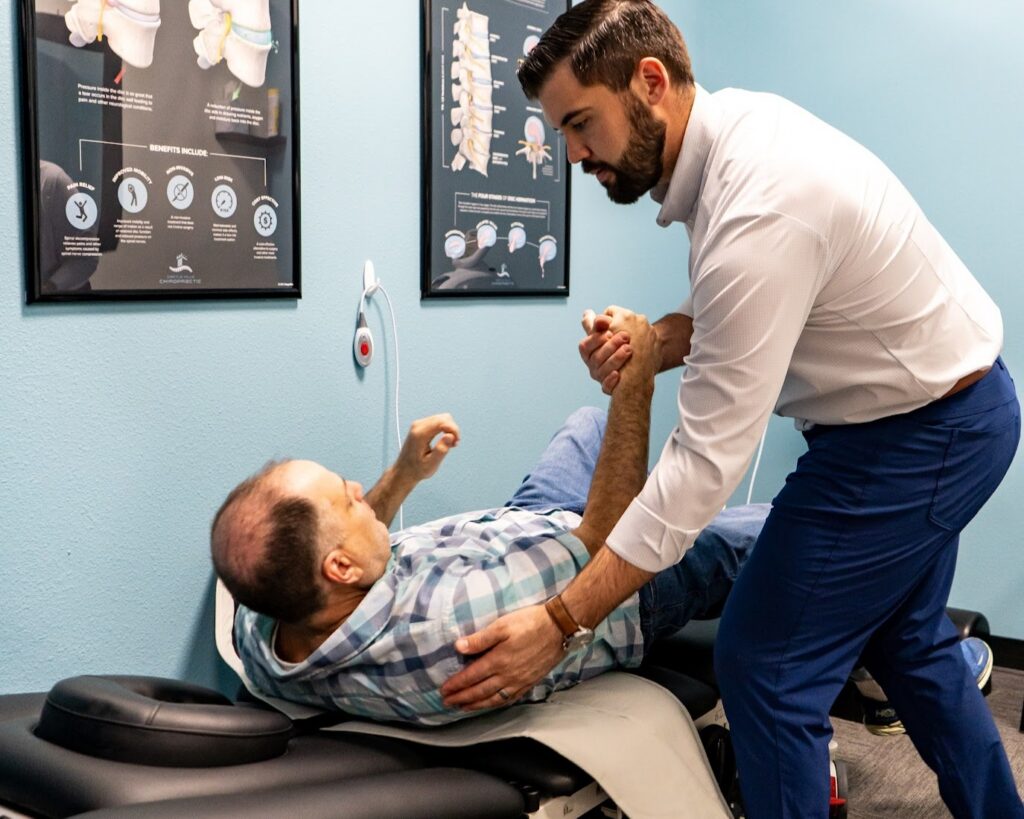

As a local chiropractor, I understand that many of you may be dealing with persistent neck stiffness, and I want to share some unconventional treatment options that can provide relief beyond traditional methods. Chiropractic care is one such approach that focuses on restoring balance and flexibility to your body.
In addition to chiropractic adjustments, I encourage exploring complementary therapies like acupuncture and gentle movement practices such as yoga or tai chi. These methods work in harmony to enhance your overall well-being by promoting natural healing and improving your body’s range of motion.
If you’re curious about how these therapies can work together to alleviate your neck stiffness, I invite you to learn more about each option. Together, we can find the right combination that suits your individual needs and helps you regain your comfort and mobility.
Acupuncture: Ancient Healing for Modern Pain
If you’re experiencing neck stiffness, you might want to explore chiropractic care as a natural healing solution. Chiropractic treatment focuses on aligning the spine and improving your body’s overall function, which can be particularly beneficial for addressing neck issues.
During your visit, I’ll assess your specific condition and tailor a treatment plan designed to relieve muscle tension, reduce pain, and improve your range of motion. Many patients find relief after just a few sessions, often reporting significant improvements in their neck stiffness.
Chiropractic care takes a holistic approach, meaning it not only addresses your neck pain but also promotes your overall well-being. If you’re concerned about the methods used, know that chiropractic adjustments are safe and well-tolerated by most individuals.
If traditional treatments haven’t provided the relief you’re looking for, consider giving chiropractic care a try. Embrace the benefits of a natural approach and take the first step towards a more flexible, pain-free neck.
Chiropractic Care: Realigning Your Relief
As your local chiropractor, I want to share with you an effective approach to managing neck stiffness that you may not be familiar with: chiropractic care. Unlike acupuncture, which offers a different methodology, chiropractic care focuses on spinal alignment and joint function to help alleviate discomfort and improve mobility in your neck.
During your visit to my practice, I’ll conduct a thorough assessment of your posture and movement patterns. This helps me identify any misalignments that could be contributing to your neck pain.
Through chiropractic adjustments, I can restore proper alignment in your spine, which allows your muscles and joints to function more efficiently.
Many of my patients experience immediate relief following their sessions, reporting a significant reduction in pain and an enhanced range of motion.
Additionally, I often incorporate complementary therapies, such as massage or physical therapy, into your treatment plan to further support your healing process.
If you’ve been struggling with neck stiffness and have tried other methods without success, I encourage you to consider chiropractic care.
Your journey to a more comfortable and flexible neck could start with a simple appointment. Let’s work together to help you regain your well-being.
Yoga: Flexibility and Mindfulness for Neck Health
As a local chiropractor, I want to share the benefits of yoga for neck health, especially for those who may not be familiar with chiropractic care or natural healing practices.
While many people think of yoga as primarily a way to relax and promote mindfulness, it’s also an excellent way to improve the health of your neck. By incorporating specific poses into your routine, you can enhance your flexibility and strengthen the muscles that support your cervical spine.
Gentle poses like Cat-Cow and Child’s Pose are particularly effective in stretching and releasing tension in the neck area. These movements can help alleviate discomfort and promote better alignment, which is essential for maintaining a healthy neck.
Practicing yoga also encourages a focus on your breath, fostering mindfulness that can significantly reduce stress—a key factor in neck stiffness. As you become more in tune with your body, you’ll start to notice when you’re holding tension in your neck and shoulders. This awareness allows you to consciously relax those muscles, which can lead to greater relief.
Consistency in your practice is crucial. Regularly integrating neck-focused yoga into your routine can lead to lasting improvements in flexibility and range of motion, which complements the benefits of chiropractic adjustments.
Whether you’re new to yoga or have been practicing for years, adding these exercises can be an effective way to alleviate stiffness and promote your overall well-being.
Massage Therapy: Easing Tension and Pain
As a local chiropractor, I want to educate you about the benefits of massage therapy for relieving neck stiffness and pain.
This holistic approach utilizes various techniques to target areas of tension, helping to restore mobility and alleviate discomfort.
Understanding the different types of massage can empower you to make informed choices about your natural healing journey.
Let’s delve into how these methods can contribute to your overall well-being and enhance the effectiveness of chiropractic care.
Types of Massage Techniques
As a local chiropractor, I often see patients struggling with neck stiffness, and I want to share how various massage techniques can provide relief and enhance your overall well-being.
One widely recognized method is Swedish massage, which employs long, flowing strokes and kneading to promote relaxation throughout the body.
If you’re dealing with chronic tension, deep tissue massage can be particularly beneficial, as it targets the deeper layers of muscle to alleviate persistent tightness.
For those experiencing specific areas of discomfort, trigger point therapy is an effective approach. This technique focuses on pinpointing tight knots in the muscles, helping to release the tension that contributes to your neck stiffness.
If you prefer a gentler method, shiatsu might be right for you. This technique utilizes finger pressure along energy pathways to restore balance and promote relaxation.
Additionally, I recommend myofascial release techniques, which work to stretch and soften the connective tissue, ultimately improving your mobility.
Each of these massage techniques offers unique benefits, and I encourage you to explore them to discover what resonates with you.
Benefits for Neck Pain
As a local chiropractor, I want to share with you the incredible benefits that massage therapy can offer for those suffering from neck pain. Many people are unfamiliar with how chiropractic care, combined with various massage techniques, can significantly alleviate discomfort.
Massage therapy is an effective way to relieve tension in the neck, as it helps to promote healthy blood circulation. This increased circulation delivers vital nutrients to your muscles, which can lead to reduced stiffness and improved flexibility.
For individuals dealing with chronic neck pain, regular massage sessions can be a game changer, making everyday tasks much easier and more comfortable.
Another remarkable benefit of massage is its ability to stimulate the release of endorphins, the body’s natural painkillers. This not only helps to reduce pain but can also elevate your mood, contributing to a more positive outlook on life.
Furthermore, many of my patients report improved sleep quality after incorporating massage into their wellness routine, as the relaxation techniques help to calm the mind and body.
By incorporating massage therapy alongside chiropractic adjustments, you can take an active role in managing your neck pain. This holistic approach fosters long-term relief and enhances your overall well-being.
Herbal Remedies: Nature’s Approach to Healing
As a chiropractor, I often recommend exploring herbal remedies as a natural approach to alleviating neck stiffness.
These remedies can offer a gentle alternative to traditional treatments. You might consider incorporating anti-inflammatory botanicals, calming essential oils, and muscle-relaxing teas into your routine, as they may help ease your discomfort.
Understanding how these natural solutions work can be an important part of your healing journey, complementing the adjustments and therapies we provide in our practice.
Let’s discuss how we can integrate these options into your overall wellness plan.
Herbal Anti-Inflammatory Botanicals
As a local chiropractor, I want to share some valuable insights on how you can naturally relieve neck stiffness using herbal anti-inflammatory botanicals. Many patients are surprised to learn that nature offers effective solutions for discomfort.
One of the most well-known botanicals is turmeric; its active compound, curcumin, is renowned for its powerful anti-inflammatory properties. If you’re dealing with inflammation and stiffness, incorporating turmeric into your daily routine might be beneficial.
Another fantastic option is ginger. Not only does ginger help reduce inflammation, but it can also alleviate pain, making it a great ally for your neck discomfort.
Boswellia, derived from the resin of the Boswellia tree, is another herb worth considering. Research has shown that it can improve joint function and reduce stiffness, which is essential for maintaining a healthy neck.
Lastly, don’t overlook cayenne pepper. Its active component, capsaicin, works by blocking pain signals, offering another layer of relief from discomfort.
You can integrate these herbs into your diet or take them as supplements, but I always recommend consulting with a healthcare professional before starting any new treatment. This ensures that the approach is safe and tailored to your individual needs.
Embracing natural remedies like these can complement the chiropractic care I provide, helping you achieve a more holistic approach to managing your neck stiffness.
Essential Oils for Relaxation
As a chiropractor, I often guide my patients toward natural methods for relieving discomfort and promoting overall relaxation. One effective approach is incorporating essential oils into your wellness routine, particularly for issues like neck stiffness. Oils such as lavender, eucalyptus, and peppermint are known for their calming properties and can significantly ease tension while uplifting your mood.
You might consider diffusing these oils in your home or adding a few drops to a warm bath for a truly soothing experience. For more targeted relief, I recommend blending essential oils with a carrier oil—like coconut or jojoba—and gently massaging the mixture into your neck and shoulders. This not only helps to relax tight muscles but also allows the oils to penetrate deeply, offering additional comfort.
It’s important to choose high-quality, pure essential oils to ensure you get the best results. Also, remember to perform a patch test with any new oil to avoid potential skin irritation.
Teas for Muscle Relief
As a local chiropractor, I often emphasize the importance of natural remedies in supporting overall wellness, including muscle relief. Herbal teas can be a delightful addition to your routine, offering a gentle way to soothe muscle tension and promote relaxation.
For instance, chamomile tea is a fantastic option, widely recognized for its calming properties that help alleviate stress and tension in the body.
Ginger tea is another excellent choice, known for its anti-inflammatory effects that can help reduce pain and stiffness in the muscles. If you find yourself needing a refreshing option, I recommend peppermint tea; its cooling properties can help relax tight muscles and enhance your overall comfort.
Additionally, valerian root tea may be beneficial for those struggling with sleep and muscle relaxation. Incorporating these herbal teas into your daily routine can create a soothing ritual that not only calms your mind but also supports your body in relieving persistent neck stiffness and discomfort.
So, I encourage you to grab your favorite mug, brew a cup of one of these herbal teas, and take a moment to unwind with nature’s healing touch.
Aromatherapy: Scented Relief for Neck Stiffness
As a chiropractor, I often see patients struggling with neck stiffness, and while traditional treatments like adjustments and physical therapy are effective, I want to introduce you to an alternative approach: aromatherapy. This natural healing method utilizes the power of essential oils to create a soothing atmosphere that can aid in relaxation and relief from discomfort.
One of the most well-known essential oils for relaxation is lavender oil. Its calming properties can help ease tension and promote a sense of tranquility. You can enjoy its benefits by adding a few drops to a diffuser or by mixing it with a carrier oil for a gentle massage on your neck.
Another essential oil to consider is peppermint oil. Its invigorating scent and cooling sensation can help alleviate tightness and provide immediate relief when applied to tense areas. Additionally, eucalyptus oil is renowned for its anti-inflammatory properties, making it a great option for reducing stiffness in your neck.
To enhance your aromatherapy experience, I recommend creating a serene environment. Soft music and dim lighting can help set the mood, allowing you to fully relax. Inhaling these soothing scents not only elevates your mood but also helps relieve stress, which can contribute to neck stiffness.
Incorporating aromatherapy into your self-care routine could be a fragrant and effective way to alleviate persistent discomfort. As you explore these natural options, remember that they can complement the chiropractic care you receive, leading to a more holistic approach to your well-being.
Tai Chi: Gentle Movement for Better Mobility
As a local chiropractor, I often recommend gentle practices like Tai Chi to my patients who are looking for effective ways to improve mobility and alleviate neck stiffness. This ancient Chinese martial art incorporates slow, flowing movements alongside deep breathing techniques, which can promote relaxation and enhance flexibility in your body.
One of the key benefits of Tai Chi is its ability to increase body awareness. As you engage in the practice, you’ll become more attuned to areas of tension in your neck and shoulders, which is essential for maintaining good posture and overall spinal health.
Tai Chi is a low-impact activity, making it suitable for individuals of all fitness levels. You won’t need any special equipment—just wear comfortable clothing and find a quiet space to practice. Regular participation can significantly improve your range of motion and strengthen the muscles that provide support to your neck.
Additionally, the meditative nature of Tai Chi encourages mindfulness, which can help reduce the stress that often contributes to stiffness and discomfort. By integrating this practice into your daily routine, you may not only experience relief from neck pain but also enjoy a greater sense of overall well-being.
I encourage you to give Tai Chi a try and discover the benefits for yourself!
Dry Needling: Trigger Point Therapy Explained
As a local chiropractor, I want to share with you an effective technique that can provide significant relief if you’re struggling with neck stiffness and discomfort: dry needling.
This method focuses on treating trigger points in your muscles—those tight knots that can lead to pain and restrict your range of motion. Let me explain how dry needling works and how it can benefit you:
- Identification: First, I’ll carefully assess your neck to locate the trigger points that are contributing to your discomfort.
- Needling: Using thin needles, I’ll gently insert them into these trigger points to stimulate the muscle fibers directly.
- Release: The placement of the needles helps to release the built-up tension in your muscles, improving blood circulation and significantly reducing pain.
- Follow-Up: To maintain the mobility and relief you’ve gained, I may recommend specific stretches or exercises tailored to your needs.
Many patients find that incorporating dry needling into their treatment plan not only provides quick relief from neck stiffness but also enhances their overall function.
If you’re curious about how this natural healing approach can work for you, let’s discuss it further during your next visit!
Biofeedback: Harnessing Your Body’s Responses
As a local chiropractor, I want to introduce you to the benefits of biofeedback techniques in managing neck stiffness. Many people are unfamiliar with how their body’s physiological functions play a role in their overall well-being.
By utilizing biofeedback, you can gain insight into these responses and learn how to make adjustments that lead to relaxation and reduced discomfort. Incorporating regular biofeedback sessions into your routine may be an effective approach to alleviating neck tension and promoting natural healing.
Understanding and mastering these techniques can empower you to take control of your health and enhance your quality of life.
Understanding Biofeedback Techniques
As a local chiropractor, I want to share with you how harnessing the power of biofeedback can significantly improve your management of neck stiffness. This innovative technique enhances your awareness of your body’s responses, allowing you to make the necessary adjustments for relief.
Here are four essential biofeedback techniques that you can consider incorporating into your wellness routine:
- Electromyography (EMG): This technique measures muscle tension in your neck. By understanding which muscles are overactive, you can work on relaxing them, which may alleviate discomfort.
- Thermal Biofeedback: This method monitors your skin temperature, providing insights into your stress levels. By learning to manage stress through relaxation practices, you can help decrease tension in your neck.
- Heart Rate Variability (HRV): By observing your heart rate patterns, you can cultivate mindfulness and better manage stress. Improved stress management can lead to a reduction in neck stiffness.
- Neurofeedback: This advanced technique uses brainwave feedback to help you achieve mental relaxation. Reducing mental tension can have a positive impact on physical tension in your neck.
By integrating these biofeedback techniques into your self-care routine, you may find a more holistic approach to relieving neck stiffness and enhancing your overall well-being.
If you have any questions about how these methods can be tailored to your specific needs, feel free to reach out during your next visit!
Benefits for Neck Stiffness
As a local chiropractor, I want to share with you the incredible benefits of biofeedback, especially if you’re struggling with neck stiffness. This innovative technique can truly enhance your understanding of your body’s functions.
By using biofeedback, you can become more aware of the tension and discomfort in your neck, allowing you to identify stress triggers that may be contributing to your symptoms.
Through monitoring your body’s physiological responses, you can learn effective relaxation techniques that help alleviate stiffness. Biofeedback empowers you to take charge of your well-being, encouraging a proactive approach to managing pain.
It also helps establish a stronger connection between your mind and body, which can improve your overall resilience to stress.
As you incorporate biofeedback into your routine, you may notice significant improvements such as better muscle relaxation, an increased range of motion, and reduced discomfort.
This can make daily activities feel much more manageable and enjoyable. By embracing biofeedback as part of your journey towards healing, you could experience meaningful relief from persistent neck stiffness.
If you’re curious about how this can fit into your wellness plan, feel free to reach out—we’re here to help you every step of the way!
Implementing Biofeedback Sessions
As your local chiropractor, I want to share how incorporating biofeedback sessions into your routine can significantly aid in managing neck stiffness and promote overall well-being. Here are some essential steps to help you get started:
- Establish a Regular Schedule: Consistency is key when it comes to reaping the benefits of biofeedback. I recommend setting specific days and times for your sessions, which will help you create a habit that fosters healing.
- Create a Relaxing Environment: It’s important to choose a quiet, comfortable space free from distractions. This will allow you to fully immerse yourself in the experience and facilitate relaxation during your sessions.
- Leverage Technology: There are various biofeedback devices and applications available that can track your body’s responses. These tools provide real-time feedback, allowing you to gain insights into your physical state and make necessary adjustments.
- Incorporate Mindfulness Practices: To enhance your biofeedback experience, I encourage you to integrate mindfulness techniques, such as deep breathing exercises. These practices can help further increase your relaxation and awareness, making your sessions more effective.
By following these steps, you can optimize your biofeedback sessions and support your journey towards relief from neck stiffness and improved overall health.
If you have any questions or need guidance, feel free to reach out during your next visit!
Mindfulness and Meditation: Reducing Stress to Alleviate Pain
As a local chiropractor, I want to share how practicing mindfulness and meditation can significantly help in reducing stress, a common factor that contributes to neck stiffness and pain.
When you focus your attention and calm your mind, you create a mental environment that allows you to manage discomfort more effectively.
I encourage you to start with just a few minutes of mindfulness each day. Find a quiet place, close your eyes, and concentrate on your breath. Notice the sensation of air flowing in and out of your body, and allow any distracting thoughts to drift away without judgment.
As you establish a regular mindfulness practice, you may notice a reduction in overall tension—not just in your neck.
Mindfulness can help you identify your stress triggers, enabling you to respond more calmly in tough situations. Over time, you’ll foster a deeper sense of relaxation, which can enhance your body awareness and improve your posture.
Incorporating these mindfulness techniques into your daily routine can empower you to take control of your neck pain and promote your overall well-being.
Conclusion
As a local chiropractor, I want to share with you some unconventional treatments that can significantly help in managing persistent neck stiffness. Many people may not be familiar with the benefits of chiropractic care, but it can play a vital role in your healing journey. Techniques such as acupuncture and gentle practices like yoga and Tai Chi can complement your treatment, offering a holistic approach that caters to your individual needs.
In addition to chiropractic adjustments, I encourage you to consider the benefits of massage therapy, herbal remedies, and mindfulness techniques. These methods not only target pain relief but also contribute to your overall well-being. By exploring these options, you’re taking proactive steps to nurture your body, promote flexibility, and enhance your neck health. Remember, a well-rounded approach can lead to lasting results, and I’m here to guide you on this journey to a healthier, more comfortable you.