
When it comes to finding relief from low back pain, many patients discover that a combination of approaches works wonders. You may be surprised to learn that simple lifestyle adjustments, targeted exercises, and professional chiropractic care can significantly enhance your well-being. Strengthening your core and incorporating gentle stretches into your routine are just a couple of methods that can help alleviate discomfort and improve mobility.
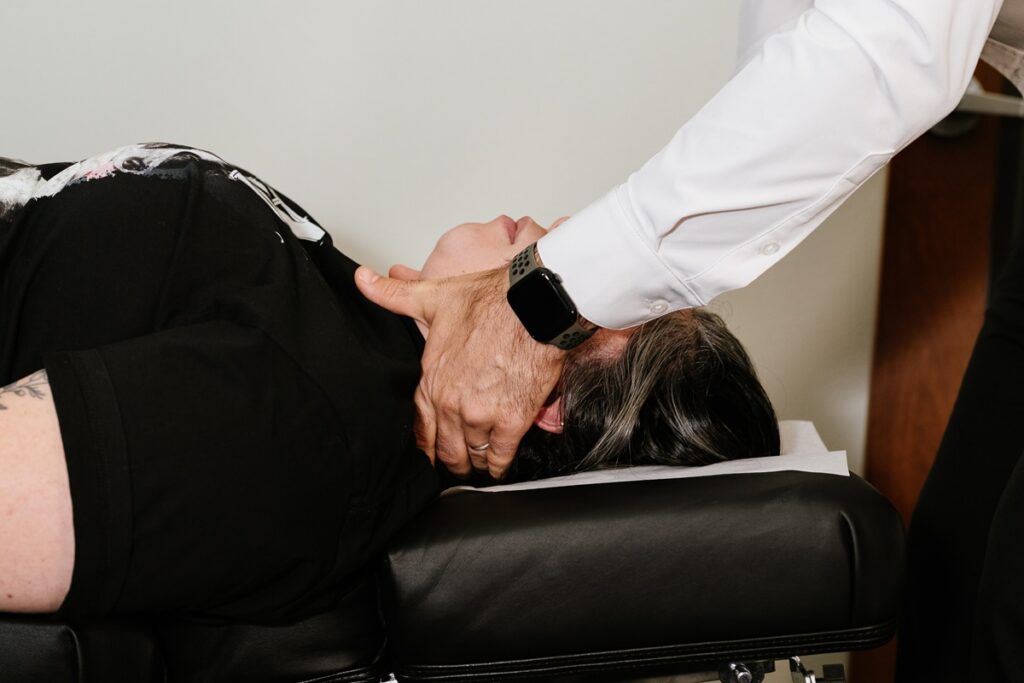
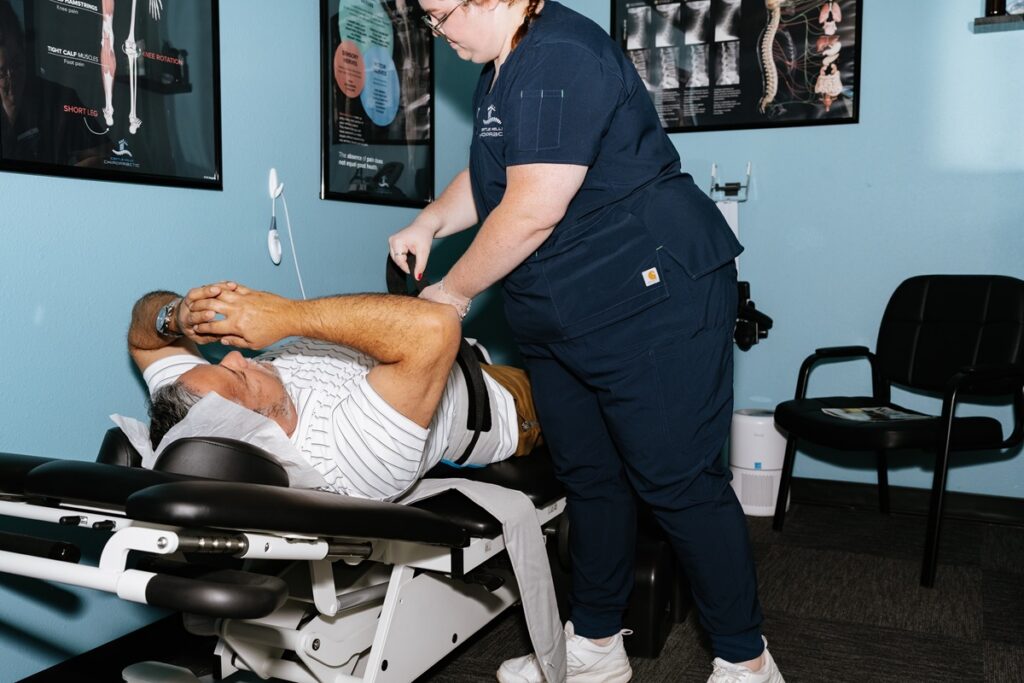
Chiropractic care is particularly effective in addressing low back pain, as it focuses on the health of your spine and nervous system. By correcting misalignments through gentle adjustments, we can help restore proper function and reduce pain naturally.
Here are some general tips and tricks to consider for managing your low back pain effectively:
- Stay Active: Engage in low-impact activities like walking, swimming, or cycling to keep your body moving without putting too much strain on your back.
- Practice Good Posture: Whether sitting at a desk or lifting objects, maintaining proper posture can prevent unnecessary strain on your back. Remember to keep your shoulders back and your spine aligned.
- Incorporate Core Strengthening Exercises: Strengthening your core muscles can provide better support for your spine. Consider exercises like planks, bridges, and pelvic tilts as part of your routine.
- Use Gentle Stretching: Regularly stretching your back and surrounding muscles can help improve flexibility and reduce tension. Focus on stretches that target the lower back, hamstrings, and hips.
- Seek Professional Guidance: A chiropractor can offer personalized treatment plans tailored to your specific needs, helping you achieve optimal health and wellness.
Remember, each technique plays a vital role in managing your low back pain. By prioritizing chiropractic care and integrating these simple strategies into your daily life, you can take significant steps toward achieving natural relief and enhancing your overall health.
Key Takeaways
- Engaging in regular core strengthening exercises, such as planks and bridges, is essential for building stability in your body and reducing strain on your lower back. These exercises not only help alleviate pain but also support your spine’s alignment, which is crucial for overall health.
- Maintaining proper posture and making ergonomic adjustments at your workspace can greatly ease discomfort and prevent future pain. Simple changes, like adjusting your chair height or positioning your computer screen at eye level, can make a significant difference in how you feel throughout the day.
- Incorporating gentle stretching routines into your daily life, like the cat-cow stretch or child’s pose, can enhance your flexibility and relieve muscle tension in your lower back. These stretches are easy to do and can be performed at home or even during breaks at work.
- Staying physically active with low-impact aerobic exercises, such as walking or swimming, is vital for overall wellness. These activities not only promote good cardiovascular health but also support your spinal health by keeping the muscles strong and flexible.
- Seeking chiropractic care is one of the best ways to achieve personalized pain relief and wellness. Chiropractors provide tailored treatment plans that may include specific exercises and adjustments, helping you to reach your health goals naturally and effectively. Remember, taking care of your spine is a key step towards a healthier, pain-free life!
Understanding the Causes of Low Back Pain
When you experience low back pain, it’s important to understand the underlying causes to find effective relief, and chiropractic care can play a vital role in your healing journey.
Many times, low back pain stems from muscle strains, which often happen from heavy lifting or sudden awkward movements. If you lead a sedentary lifestyle, weak core muscles can also contribute to discomfort.
As we age, conditions like herniated discs or degenerative disc disease may arise, leading to pain that can radiate down your legs. Additionally, arthritis can cause inflammation in your spine, intensifying your discomfort.
Interestingly, emotional stress can manifest physically, tightening your muscles and increasing tension in your back.
A key factor in managing your pain is identifying whether it comes from lifestyle habits, injuries, or underlying conditions. This is where chiropractic care shines—by focusing on spinal health and alignment, chiropractors can help alleviate pain by addressing the root causes rather than just the symptoms.
To support your recovery, consider these general tips:
- Stay Active: Regular movement, such as walking or gentle stretching, can keep your muscles strong and flexible.
- Strengthen Your Core: Engage in exercises that strengthen your core muscles, as they play a crucial role in supporting your spine.
- Maintain Good Posture: Be mindful of your posture when sitting, standing, or lifting to reduce strain on your back.
- Manage Stress: Practice relaxation techniques like deep breathing or yoga to reduce emotional stress that can lead to physical tension.
By recognizing the root cause of your low back pain and choosing chiropractic care, you can tailor your approach to recovery, making it more effective and sustainable.
Embracing these practices won’t only help you manage pain but also promote overall wellness and a healthier lifestyle. Remember, understanding and caring for your spine is a crucial step to achieving optimal health.
Importance of Posture and Ergonomics
Maintaining good posture and ergonomics is crucial for preventing and alleviating low back pain, and chiropractic care can play a vital role in helping you achieve and maintain this balance. Proper alignment of your spine not only reduces strain on your muscles and ligaments but also promotes overall well-being.
Consider your workstation setup; ensure that your chair provides proper support for your lower back, and position your computer screen at eye level to encourage a natural posture. These adjustments can significantly impact your spinal health.
While sitting, aim to keep your feet flat on the floor and your knees slightly lower than your hips. If you’re standing, try to distribute your weight evenly on both feet to avoid unnecessary strain. These simple changes can help you feel more comfortable and reduce the risk of discomfort.
When lifting objects, remember to bend at your knees instead of your waist, keeping the item close to your body. This technique not only protects your back but also aligns with the principles of chiropractic care, which emphasizes safe movement patterns to enhance your body’s natural ability to heal itself.
Incorporating these tips into your daily routine can lead to improved posture and a healthier spine. By prioritizing your spinal health and considering chiropractic care, you’re taking an important step toward achieving optimal health and natural wellness. Always remember, a healthy spine is the foundation of a healthy life!
Gentle Stretching and Flexibility Exercises
Incorporating gentle stretching and flexibility exercises into your daily routine can significantly enhance your efforts to relieve low back pain. These movements not only improve your range of motion but also help reduce tension and promote relaxation in your muscles, which can be incredibly beneficial for your spine health. Simple stretches, such as the cat-cow, child’s pose, and knee-to-chest, effectively target the lower back and can be easily added to your day.
As a chiropractor, I recommend setting aside just a few minutes each day to focus on these exercises. It’s important to move slowly and with control, paying attention to your body and its needs. Deep breathing during each stretch can help you feel more comfortable and enhance the relieving effects of the movements. Remember, there’s no need to push yourself too hard; gentle stretching should bring you comfort, not discomfort.
Listening to your body is key. If you experience pain or discomfort, ease out of the stretch.
Strengthening Core Muscles
Building on your routine of gentle stretching, strengthening your core muscles is a vital step in alleviating low back pain, and it complements the benefits of chiropractic care.
A strong core provides essential stability and support for your spine, which can significantly reduce strain on your lower back.
By incorporating exercises such as planks, bridges, and bird-dogs into your routine, you can effectively target not only your abdominal muscles but also your back and pelvic regions.
This creates a balanced foundation that enhances your overall spinal health.
Start slowly and pay close attention to your form.
Gradually increase the intensity of your workouts as you become more comfortable.
Aim for consistency by engaging in these exercises a few times a week.
Remember, you don’t need any fancy equipment; your body weight can be sufficient for building strength.
It’s also important to listen to your body.
If you experience any discomfort or pain, it’s best to ease off and consider consulting with a chiropractor.
They can provide personalized guidance and support to help you achieve optimal health through natural healing methods.
By strengthening your core and maintaining a healthy spine, you’re taking proactive steps toward a pain-free life.
Embrace this journey to wellness, and remember that chiropractic care is here to support you every step of the way.
Heat and Cold Therapy Techniques
Often overlooked, heat and cold therapy can offer significant relief for low back pain, complementing the benefits of chiropractic care. These techniques are not only simple but also highly effective in alleviating discomfort and relaxing tight muscles. While chiropractic adjustments work to align your spine and improve overall function, heat and cold therapy can be a great addition to your wellness routine.
Heat therapy enhances blood flow, helping to relax tense areas and promote healing. Cold therapy, on the other hand, is excellent for reducing inflammation and numbing sharp pain. By incorporating these methods into your self-care routine, you can optimize your recovery and enhance your overall wellness.
Here’s a handy guide to different heat and cold therapy techniques:
| Technique | Benefits | Usage Tips |
|---|---|---|
| Heat Packs | Eases muscle tension and stiffness | Apply for 15-20 minutes, allowing your body to relax. |
| Warm Baths | Relaxes the entire body | Soak in warm water for a soothing experience. |
| Ice Packs | Reduces swelling and numbs pain | Use for 10-15 minutes, making sure to take breaks. |
| Cold Compresses | Numbs acute pain | Wrap in a cloth to prevent frostbite and protect your skin. |
| Contrast Therapy | Enhances circulation | Alternate between heat and cold for optimal results. |
Remember, these therapies can be excellent tools to manage pain and discomfort, but they work best alongside regular chiropractic care. By addressing the underlying structural issues in your spine, chiropractic adjustments can help ensure that your body functions at its best. Always consult with your chiropractor to tailor these techniques to your specific needs and to enhance your overall health journey.
Implementing these simple techniques into your daily routine can be an effective way to support your body’s natural healing process.
Mindfulness and Stress Reduction Methods
As a local chiropractor, I want to share how incorporating mindfulness and stress reduction techniques can significantly aid in managing low back pain. These practices can complement chiropractic care and enhance your journey toward optimal health.
Consider exploring simple breathing techniques that can help calm your mind and reduce tension in your body. Deep, slow breaths can promote relaxation and make it easier for your spine to align properly. Meditation practices can also be beneficial; even just a few minutes a day can help you cultivate a sense of peace and awareness, allowing your body to heal naturally.
Yoga is another fantastic way to relieve low back discomfort while improving flexibility and strength. Many yoga poses focus on spinal alignment and can enhance the benefits you receive from chiropractic adjustments.
Remember, these methods not only help with pain relief but also contribute to your overall well-being. By integrating mindfulness and stress reduction into your routine, you can enhance the effectiveness of your chiropractic care and support your body’s natural healing processes.
Incorporate these practices into your daily life, and you’ll likely find yourself feeling more relaxed and better equipped to manage discomfort. Your journey to a healthier, pain-free life can begin with these simple yet powerful techniques alongside regular chiropractic adjustments.
Breathing Techniques
Practicing focused breathing techniques can significantly improve your ability to manage low back pain, and when combined with chiropractic care, it can enhance your overall wellness journey. Deep, intentional breaths do more than just calm your mind; they also promote relaxation in your muscles, which is essential for alleviating discomfort. To practice this, simply inhale deeply through your nose, allowing your abdomen to expand, then exhale slowly through your mouth. This simple yet powerful act helps reduce tension in your body.
Incorporate breathing exercises into your daily routine, especially during stressful moments. By concentrating on your breath, you not only divert your attention away from pain but also cultivate mindfulness, which can be beneficial for your overall health. Whether you’re engaging in physical activities or sitting at your desk, these techniques can be easily integrated into your day.
Regular practice of focused breathing, combined with chiropractic adjustments, can lead to significant improvements in your well-being and pain management. Remember, chiropractic care is a natural and effective option for achieving optimal health. By embracing both breathing techniques and regular chiropractic visits, you’re taking proactive steps towards a healthier, pain-free life.
Meditation Practices
How can meditation practices support your journey toward relieving low back pain? By incorporating mindfulness and stress reduction techniques into your daily routine, you can achieve a greater sense of calm and awareness, which is essential for managing pain effectively. Meditation encourages you to focus on your breath, facilitating relaxation and reducing tension throughout your body. This practice can also help shift your perception of pain, making it feel less overwhelming and more manageable.
As a chiropractor, I believe that regular meditation can enhance your connection with your body. It allows you to identify areas of discomfort and respond with kindness rather than frustration. By fostering self-awareness through meditation, you can more easily release stress and anxiety—two factors that often worsen pain.
In addition to meditation, consider incorporating chiropractic care into your wellness routine. Chiropractic adjustments can help align your spine and improve your overall body function, further contributing to pain relief. Together, meditation and chiropractic care create a holistic approach to health that emphasizes natural healing and healthier living.
Here are some simple tips to get started with meditation:
- Set Aside Time: Dedicate a few minutes each day to practice meditation, gradually increasing the duration as you become more comfortable.
- Find a Comfortable Position: Sit or lie down in a comfortable position, making sure your back is straight to promote good posture.
- Focus on Your Breath: Pay attention to your breathing. Inhale deeply through your nose and exhale slowly through your mouth. If your mind wanders, gently bring your focus back to your breath.
- Be Kind to Yourself: It’s natural for thoughts to arise during meditation. Acknowledge them without judgment and return to your breathing practice.
Embrace meditation as a valuable tool on your path to relief, and consider the benefits of chiropractic care for optimal health and wellness. Together, they can help you manage low back pain more effectively and enhance your overall quality of life.
Yoga and Movement
Incorporating yoga and mindful movement into your daily routine can be an excellent complement to chiropractic care for alleviating low back pain. These practices emphasize flexibility, strength, and body awareness—all of which support your spinal health. Gentle stretches can help relieve tension in your back and improve your posture, which is essential for reducing discomfort.
Consider incorporating poses like Cat-Cow or Child’s Pose into your routine. These movements can enhance mobility and release tightness in your back, making it easier to maintain proper alignment. As you practice these poses, focus on your breath; this mindfulness can help lower stress levels, which is often a contributing factor to pain.
While yoga and movement are beneficial, regular chiropractic adjustments are crucial for optimal spinal health. A chiropractor can help ensure your spine is aligned, which can enhance the effectiveness of your yoga practice and help you achieve lasting relief from pain.
Aim for consistency in your movements; even dedicating just a few minutes daily to gentle stretches can make a significant difference in your overall well-being. Remember, chiropractic care is a natural and effective way to support your journey to better health and wellness.
Physical Therapy and Professional Guidance
When it comes to addressing low back pain, chiropractic care offers an effective, natural approach that can make a world of difference.
A skilled chiropractor can assess your spine and overall musculoskeletal health to tailor a personalized treatment plan just for you. This may include gentle adjustments to realign your spine, as well as exercises designed to strengthen your core and improve flexibility.
Chiropractic care focuses not only on relieving pain but also on educating you about proper posture and body mechanics to prevent future discomfort.
By understanding how your spine works and how it affects your overall health, you can make informed choices that promote long-term wellness.
Here are a few tips to help you manage back pain and support your spinal health:
- Maintain good posture: Sit and stand tall, keeping your shoulders back and your spine aligned.
- Stay active: Regular movement, including walking and stretching, can help keep your spine flexible and strong.
- Use proper lifting techniques: Bend your knees and keep your back straight when lifting heavy objects to avoid strain.
- Invest in a good mattress: Sleep is essential for healing, so choose a mattress that provides adequate support for your spine.
Remember, chiropractic care is a natural and effective way to achieve optimal health and wellness.
Personalized Exercise Programs
Creating a personalized exercise program tailored to your specific needs is essential for effective low back pain relief and achieving optimal health through chiropractic care. As your chiropractor, I’ll work with you to assess your condition, identify any limitations, and set realistic goals that align with your health journey.
This targeted approach ensures that you engage in exercises designed to strengthen your core, improve flexibility, and promote proper posture—all crucial elements for spinal health.
You’ll learn how to perform movements safely, reducing the risk of aggravating your discomfort. Plus, as you progress, I can adjust your program, keeping you challenged and motivated on your path to wellness.
Remember, consistency is key! Integrate these exercises into your daily routine to maximize their benefits.
Here are a few general tips to help you manage your low back pain naturally:
- Stay Active: Regular, gentle movements can help keep your spine healthy. Activities like walking, swimming, or yoga can be beneficial.
- Focus on Posture: Maintain good posture, whether sitting, standing, or lifting, to reduce strain on your back.
- Listen to Your Body: Pay attention to how your body responds to different movements and adjust accordingly.
- Stay Hydrated: Proper hydration supports overall health and can help maintain the elasticity of your spinal discs.
By committing to a personalized program and incorporating these practices into your life, you’ll empower yourself to manage low back pain more effectively and enhance your overall quality of life with the help of chiropractic care.
Manual Therapy Techniques
Manual therapy techniques can be a game changer for those dealing with low back pain, and chiropractic care is a cornerstone of these methods.
As a chiropractor, I firmly believe that hands-on approaches, guided by a skilled professional, can’t only alleviate discomfort but also enhance your mobility and overall well-being.
Here are some effective manual therapy techniques that I recommend:
- Chiropractic Adjustments: This is the heart of chiropractic care. By realigning the spine, we can improve its function, reduce pain, and promote better communication between your brain and body.
- Massage Therapy: While I focus on spinal health, massage can complement chiropractic adjustments by targeting muscle tension and promoting relaxation, helping you feel your best.
- Myofascial Release: This technique focuses on relieving tightness in the connective tissue around your muscles, which can greatly enhance your recovery and mobility.
- Joint Mobilization: Gentle movements can help enhance joint function and reduce stiffness, making daily activities easier and more comfortable.
If you’re experiencing low back pain, I encourage you to consult with a chiropractor who can tailor these techniques specifically to your needs.
By integrating chiropractic care with your exercise routine, you can support your recovery and enjoy a more active and fulfilling lifestyle.
Here are some general tips to keep in mind for maintaining a healthy spine:
- Stay Active: Regular movement helps keep your spine healthy. Simple activities like walking or stretching can make a big difference.
- Practice Good Posture: Be mindful of how you sit, stand, and lift. Good posture reduces strain on your spine.
- Stay Hydrated: Drinking plenty of water helps keep your spinal discs healthy and supports overall wellness.
Remember, chiropractic care is a natural, effective way to promote healing and maintain your health.
Together, we can work towards your goals and enhance your quality of life!
Posture and Ergonomics Education
Understanding posture and ergonomics is vital for preventing low back pain and achieving a healthy spine. As a chiropractor, I often see the impact that proper alignment and workspace setup can have on your overall well-being. Let’s dive into some simple strategies to help you keep your spine healthy and pain-free.
Start by evaluating your workspace. Ensure that your chair provides support for your lower back, promoting the natural curve of your spine. Keep your feet flat on the floor to maintain stability and alignment. Your desk should allow your elbows to rest comfortably at a 90-degree angle while typing, reducing strain on your shoulders and neck.
When standing or walking, remember to distribute your weight evenly. This helps keep your spine aligned and your muscles relaxed. Keep your shoulders back and your head held high. Throughout the day, take a moment to check in with your posture, especially if you find yourself sitting for extended periods. It’s important to move around and stretch regularly to relieve tension and promote circulation.
Incorporating chiropractic care into your wellness routine can significantly enhance your posture and overall health. A chiropractor can provide personalized guidance, teaching you effective techniques and exercises tailored to your needs. This hands-on approach not only helps alleviate discomfort but also supports your body’s natural healing processes.
Exploring Alternative Therapies
When traditional treatments don’t provide the relief you need, exploring alternative therapies can open up new avenues for managing low back pain. Many patients have discovered that these options can complement chiropractic care, enhancing your path to natural healing and wellness.
Here are four alternative therapies worth considering alongside chiropractic treatment:
1. Acupuncture: This time-tested approach involves using thin needles to stimulate specific points on the body. Many patients report feeling relaxed and experience reduced pain, which can be a helpful addition to your chiropractic adjustments.
2. Chiropractic Care: As a chiropractor, I can’t stress enough the importance of spinal health. Chiropractic adjustments help align your spine, alleviate pain, and improve mobility.
This natural method addresses the root causes of discomfort and promotes overall wellness without the need for invasive procedures or medications.
3. Massage Therapy: Therapeutic massage can work wonders in reducing muscle tension and enhancing circulation. When combined with chiropractic care, it can further relieve lower back discomfort and support your body’s healing processes.
4. Yoga: Incorporating yoga into your routine can greatly benefit your back health. It enhances flexibility, strengthens core muscles, and promotes relaxation—all of which can support your spine and improve overall health.
General Tips for Managing Low Back Pain:
- Maintain good posture: Be mindful of how you sit, stand, and lift. Proper alignment helps reduce strain on your back.
- Stay active: Engage in regular, low-impact exercises to keep your back muscles strong and flexible.
- Listen to your body: If something doesn’t feel right, don’t hesitate to reach out to a chiropractor for a personalized assessment.
Lifestyle Modifications for Long-Term Relief
Making simple changes to your daily routine can significantly enhance your ability to manage low back pain.
One effective approach is to optimize your workspace for better ergonomics, which can help reduce strain on your spine and promote better posture.
Additionally, incorporating a regular exercise routine that focuses on strengthening your core and improving flexibility can lead to long-term relief from discomfort.
As a chiropractor, I believe in the power of natural healing and the body’s ability to recover when given the right support.
Chiropractic care is an excellent choice for achieving optimal health, as it focuses on aligning the spine and enhancing overall wellness without the need for medications or invasive procedures.
Here are some practical tips to consider:
- Ergonomic Workspace: Ensure your chair supports your lower back and that your computer screen is at eye level. This helps maintain proper posture and reduces stress on your spine.
- Regular Movement: Take breaks every hour to stand, stretch, or walk around. This can help alleviate tension and keep your muscles engaged.
- Strengthening Exercises: Incorporate exercises that strengthen your core, such as planks or bridges, to provide better support for your back.
- Flexibility Routines: Activities like yoga or gentle stretching can improve flexibility and reduce stiffness in your muscles.
- Chiropractic Care: Regular visits to a chiropractor can help ensure your spine is aligned and functioning optimally, which is crucial for overall health and pain relief.
By making these lifestyle modifications and considering chiropractic care, you can take significant steps towards feeling better and staying active.
Ergonomic Workplace Adjustments
Incorporating ergonomic workplace adjustments can significantly reduce back strain during long hours of sitting or standing, and these changes can complement the benefits of chiropractic care.
By focusing on your workspace setup, you can enhance your comfort and well-being, which is vital for maintaining a healthy spine. Here are four simple adjustments to consider:
- Chair Height: Ensure your chair is adjusted so that your feet rest flat on the floor, and your knees are at a 90-degree angle. This position helps to support your posture and reduces unnecessary pressure on your back.
- Desk Setup: Position your monitor at eye level to avoid leaning forward, which can strain your neck and spine. Keep your keyboard close enough to maintain a neutral wrist position, as this can help prevent discomfort and promote better alignment.
- Lumbar Support: Using a cushion or an ergonomic chair with built-in lumbar support can help maintain proper spinal alignment. By supporting the natural curve of your lower back, you can alleviate tension and discomfort.
- Frequent Breaks: Make it a habit to stand up, stretch, or walk around every 30 minutes. This practice engages your back muscles and prevents stiffness, promoting better circulation and overall wellness.
Remember, while these adjustments can improve your comfort, regular chiropractic care can further enhance your health and help you manage pain naturally.
Regular Exercise Routine
Adjusting your workspace is a fantastic first step toward alleviating low back pain, but establishing a regular exercise routine is just as crucial for long-term relief and overall wellness. As a chiropractor, I believe that incorporating specific exercises to strengthen your core and enhance flexibility can significantly reduce discomfort and promote a healthier spine.
To help you get started on your journey to better health, here’s a simple exercise guide:
| Type of Exercise | Frequency | Duration |
|---|---|---|
| Aerobic activities (like walking or swimming) | 3-5 times a week | 30 minutes |
| Core and leg strength training | 2-3 times a week | 20-30 minutes |
| Stretching (such as yoga or pilates) | Daily | 10-15 minutes |
Remember, the goal of these exercises is not just to relieve pain but to build a strong foundation for your spine and overall health. Regular movement can enhance blood flow, reduce stiffness, and improve your body’s ability to heal naturally.
Here are a few extra tips to keep in mind:
- Listen to Your Body: If an exercise causes pain, stop and consult with a chiropractor to ensure you’re moving safely.
- Stay Consistent: Making exercise a part of your daily routine can lead to lasting benefits for your back and overall health.
- Posture Matters: While exercising, pay attention to your posture. Good alignment during workouts will help strengthen your back rather than strain it.
- Chiropractic Care: Regular chiropractic adjustments can complement your exercise routine, helping to maintain spinal alignment and enhance your body’s natural healing processes.
The Role of Supportive Equipment and Aids
Supportive equipment and aids can significantly assist in alleviating low back pain and improving your daily comfort—an essential aspect of maintaining overall wellness. While chiropractic care is the best choice for achieving optimal health, incorporating the right tools into your routine can enhance your comfort and support your healing journey.
Here are some valuable aids to consider:
- Lumbar Support Cushions: These cushions are designed to provide extra support to your lower back, especially when you’re sitting for extended periods. They help maintain the natural curve of your spine, which can reduce discomfort.
- Ergonomic Chairs: Investing in an ergonomic chair can make a world of difference. These chairs are designed to support proper posture, which is crucial for reducing strain on your back and preventing pain. When your spine is aligned, you’re less likely to experience discomfort throughout the day.
- Back Braces: A well-fitted back brace can offer the support you need during physical activities or when lifting heavy objects. It helps stabilize your spine and can be particularly helpful if you’re recovering from an injury or experiencing acute pain.
- Heat and Cold Packs: Applying heat can help relax tight muscles, while cold packs can reduce inflammation and numb the area, providing quick relief. Alternating between the two can be an effective way to manage pain.
Remember, while these supportive aids can enhance your comfort, they work best when combined with regular chiropractic care. A chiropractor can help address the root causes of your pain and provide tailored treatment to promote healing and wellness.
Conclusion
Managing low back pain can be a transformative journey, and chiropractic care is one of the best ways to achieve lasting relief and optimal health. By incorporating a variety of techniques, you can significantly improve your daily comfort and overall well-being.
Start by focusing on gentle stretches that promote flexibility and reduce tension in your back. Simple movements, like seated forward bends or gentle torso twists, can be very effective. Strengthening your core is also essential, as a strong core supports your spine and helps prevent future injuries. Consider exercises like planks or bridges, which can be easily done at home.
Ergonomic adjustments in your workspace and daily activities can make a big difference too. Ensure your chair provides proper support, and take regular breaks to move around. This helps alleviate pressure on your back throughout the day.
Don’t underestimate the benefits of heat and cold therapy. Applying heat can relax tight muscles, while cold packs can reduce inflammation and numb sharp pain. Experiment with both to see which one works best for you.
While self-care is important, professional chiropractic care can provide personalized guidance tailored to your specific needs. A chiropractor can help identify the root cause of your pain and develop a customized treatment plan that may include spinal adjustments, therapeutic exercises, and lifestyle recommendations.
Additionally, exploring alternative therapies like massage or acupuncture can enhance your healing process and contribute to your overall wellness. Making small lifestyle changes, such as staying active, maintaining a healthy diet, and managing stress, can also provide lasting benefits.
Remember, consistency is key in your journey to better back health. Commit to your routine and don’t hesitate to reach out for professional support. Chiropractic care is here to help you achieve a pain-free life and optimal wellness naturally.