
As a local chiropractor, I’ve seen how challenging whiplash can be for many of my patients. If you’ve experienced it, you might be all too familiar with the pain and discomfort that can disrupt your everyday activities. The good news is that there are natural and effective techniques to help you find relief and promote a smoother recovery.
Chiropractic care focuses on the body’s ability to heal itself, and it can play a vital role in your recovery journey. From immediate treatments like gentle adjustments to alleviate pain and restore mobility, to long-term strategies such as strengthening exercises and lifestyle modifications, we can work together to create a personalized plan that addresses your specific needs.
Understanding how these approaches can impact your healing process is crucial. By exploring these options, you can reclaim your mobility and significantly reduce your pain. Let’s discuss how chiropractic care can support you on your path to recovery and help you regain control of your life.
Understanding Whiplash: Causes and Symptoms
As a local chiropractor, I want to help you understand whiplash, a common neck injury that often occurs during car accidents. This injury can lead to a range of symptoms that may significantly affect your daily life. You might find yourself dealing with pain or stiffness in your neck, which can make turning your head a challenge.
Headaches are also a frequent complaint, often starting at the base of the skull. Additionally, you may experience dizziness or fatigue, making it tough to carry out your regular activities. Some individuals even report tingling or numbness in their arms, which can indicate that the nerves in your neck are affected.
Whiplash occurs when your head is suddenly thrust backward and then forward during a collision, putting strain on the soft tissues of your neck. Factors such as the speed of the crash and your seating position in the vehicle can influence the severity of the injury. It’s important to recognize these causes and symptoms so that you can seek appropriate care.
At our chiropractic practice, we focus on natural healing methods to help you recover from whiplash. Understanding your body and how it responds to injury is crucial for your recovery journey.
Immediate Treatments for Whiplash Pain
As a local chiropractor, I want to help you understand how to manage whiplash pain effectively and naturally. When you’re experiencing discomfort from whiplash, taking immediate steps can significantly enhance your comfort and support your healing journey.
Start by applying ice packs to the affected area for 15-20 minutes every hour. This approach helps to reduce inflammation and numbs any pain you’re feeling.
After a few days, you can transition to heat therapy, which encourages blood flow and helps relieve muscle tension—an important aspect of your recovery.
Over-the-counter pain relievers like ibuprofen or acetaminophen can be beneficial for managing your discomfort, just remember to follow the recommended dosages to ensure safety.
Additionally, gentle neck support with a soft collar can provide stability, but I advise against using it for prolonged periods to avoid stiffness.
Rest is key in your recovery process, so it’s crucial to listen to your body and steer clear of activities that may exacerbate your pain.
By implementing these immediate treatments, you’ll not only improve your comfort but also lay a strong foundation for further healing.
If you’re interested in exploring chiropractic care, we can work together to develop a personalized plan that promotes natural healing and long-term wellness.
Physical Therapy and Rehabilitation Exercises
As a local chiropractor, I want to emphasize the importance of physical therapy and rehabilitation exercises in your recovery from whiplash. These specialized activities are crucial in restoring your neck’s range of motion, strength, and flexibility.
During your initial visit, I’ll assess your condition and work with you to create a personalized exercise program that suits your unique needs.
We typically begin with gentle stretching exercises to help relieve tension and improve mobility in your neck. As you make progress, we can incorporate strengthening exercises to support the muscles in your neck and upper back.
It’s important to stay committed to this routine, even when it feels challenging, as consistency is key to your recovery.
In addition to exercises, I may employ various techniques such as manual therapy or ultrasound to aid in your healing process. Open communication is vital during your sessions; if you experience any discomfort, please let me know.
Your feedback is essential in adjusting your treatment plan effectively. By dedicating yourself to chiropractic care and physical therapy, you’re taking a proactive approach toward alleviating pain and enhancing your overall recovery from whiplash.
Alternative Therapies for Whiplash Relief
As a local chiropractor, I want to highlight the importance of comprehensive care in your recovery from whiplash. While physical therapy and rehabilitation exercises are essential, exploring alternative therapies can significantly enhance your healing journey. These methods not only provide comfort but also promote recovery in ways you mightn’t expect.
Here are some effective therapies to consider:
- Acupuncture: This ancient practice involves the insertion of tiny needles at specific points in your body. It can help release tension and alleviate pain, making it a valuable complement to chiropractic care.
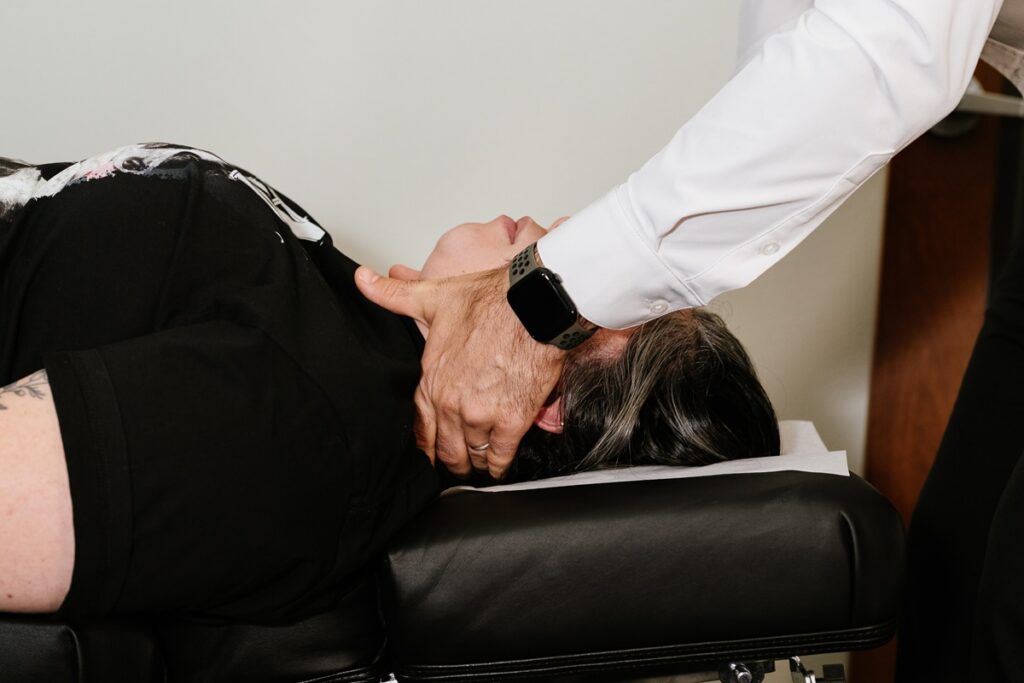
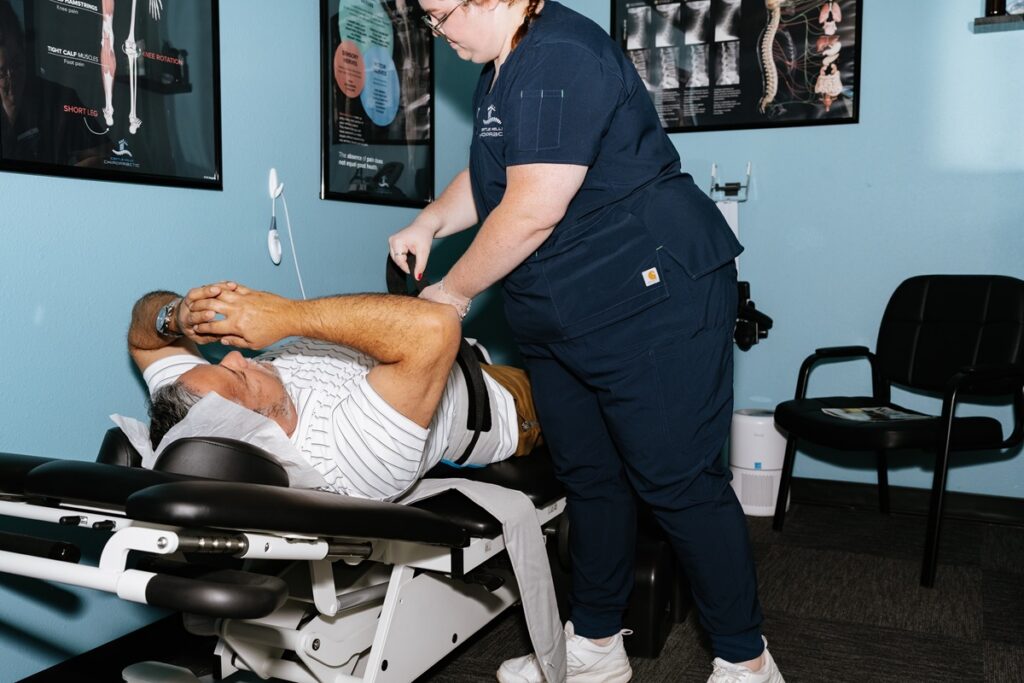
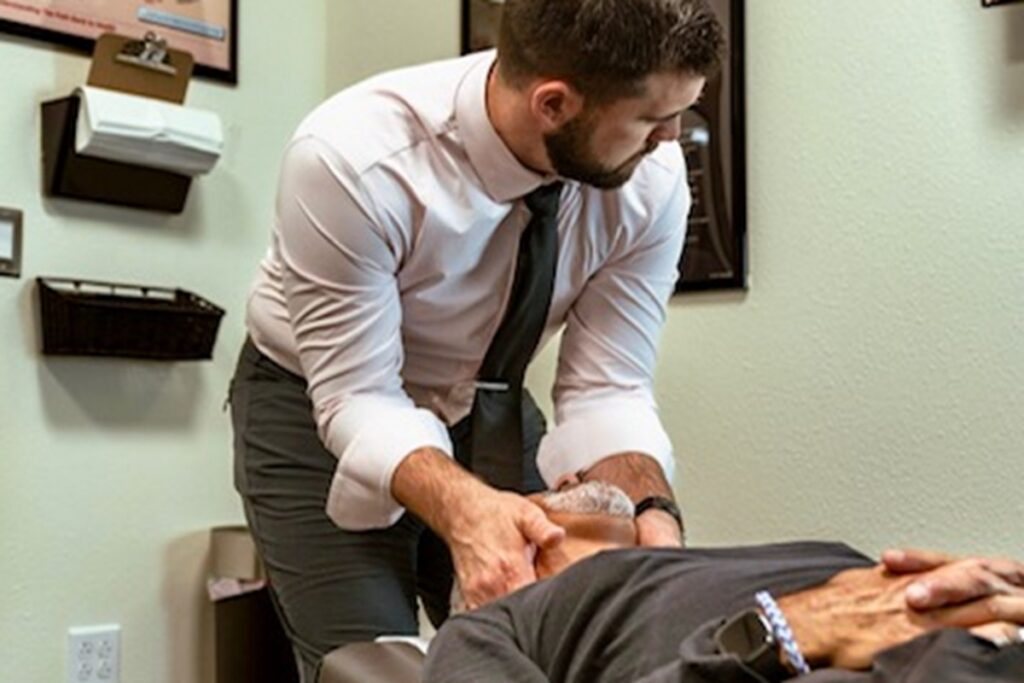
- Chiropractic care: Through gentle adjustments, we work to realign your spine and improve your mobility. This can significantly reduce discomfort and enhance your overall recovery process.
- Massage therapy: Targeted massage techniques are designed to ease muscle tightness and promote relaxation. This can help you feel more at ease and can be an excellent addition to your chiropractic treatments.
- Yoga: Incorporating yoga into your routine can help you improve flexibility and reduce stress. The combination of stretching and mindfulness aligns well with our chiropractic philosophy of holistic wellness.
By integrating these therapies into your recovery plan, you can adopt a more holistic approach that addresses both your physical and mental well-being.
As always, I encourage you to consult with your healthcare provider before starting any new treatments to ensure they align with your specific needs. Together, we can create a tailored approach to help you achieve optimal health and relief from whiplash.
Long-term Strategies for Preventing Recurrence
As a local chiropractor, I want to share some essential long-term strategies to help you prevent the recurrence of whiplash. It’s important to focus on strengthening your neck and improving your posture to maintain overall spinal health.
To start, I recommend incorporating neck-strengthening exercises into your daily routine. Gentle stretches, resistance training, and yoga can significantly enhance muscle stability and flexibility in your neck, minimizing the risk of future injuries.
These exercises aren’t only beneficial for your neck but also support overall wellness.
Posture plays a crucial role in keeping your spine healthy. Be mindful of your posture throughout the day, whether you’re working at a desk or driving. Aim to maintain a neutral spine and avoid slouching.
Making ergonomic adjustments to your workspace can greatly assist in achieving better alignment, which is vital for spinal health.
Staying active with regular cardiovascular exercise is also key. This helps build overall body strength and resilience, which can protect you from injuries.
Additionally, integrating mindfulness techniques, such as meditation or deep breathing exercises, can help manage stress and reduce tension in your neck.
Lastly, listen to your body. If you notice any discomfort or pain, it’s essential to address it promptly. Seeking appropriate care can prevent further complications and keep you on the path to recovery.
Conclusion
As a local chiropractor, I want to help you understand how to effectively manage and recover from whiplash. It’s essential to take a holistic approach that combines immediate treatments, physical therapy, and alternative therapies to promote healing.
First, applying ice to the affected area can help reduce inflammation, while heat can soothe the muscles around your neck. Over-the-counter pain relievers can also provide relief from discomfort. Additionally, engaging in gentle exercises tailored to your condition can help restore mobility and strength.
I encourage you to consider alternative therapies like acupuncture and chiropractic care, which can significantly enhance your recovery process. Chiropractic adjustments can help realign your spine and improve overall function, while acupuncture may alleviate pain and promote healing.
Moreover, focusing on good posture and strengthening exercises for your neck is crucial in preventing future issues. By prioritizing these techniques and incorporating chiropractic care into your recovery plan, you will be taking significant steps toward a complete and lasting recovery. Remember, we are here to guide you on your journey to wellness!