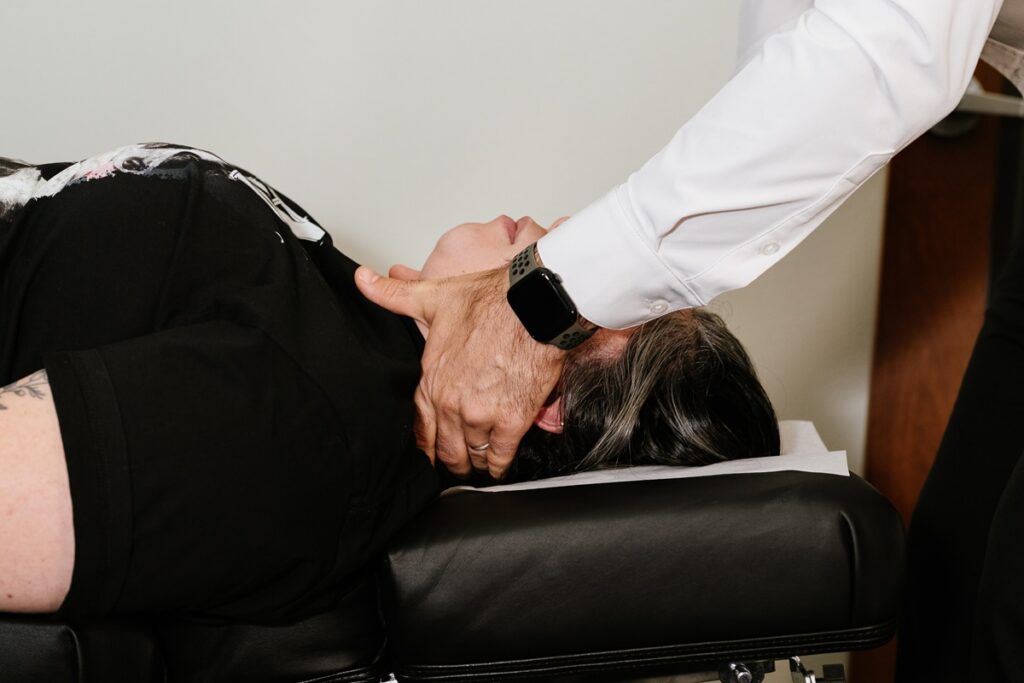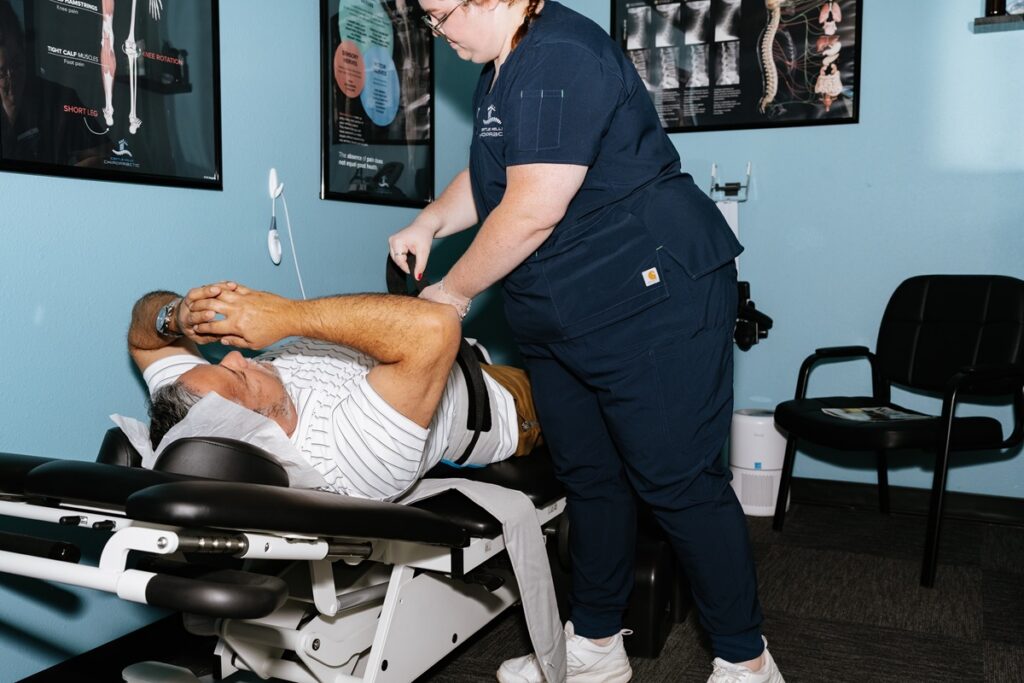

As your local chiropractor, I want to emphasize the importance of good posture for your overall health and well-being. Maintaining proper alignment not only helps prevent pain but also enhances your performance in daily activities. Incorporating simple stretching techniques, core-strengthening exercises, and making ergonomic adjustments in your workspace can significantly improve your posture.
However, that’s just the tip of the iceberg. There are numerous other strategies we can employ together to help you maintain alignment and reduce discomfort throughout your day. By understanding how your body moves and functions, we can develop a personalized plan that addresses your unique needs. Let’s explore these techniques to help you feel your best and support your natural healing journey.
Understanding the Importance of Good Posture
As a local chiropractor, I want to emphasize that good posture isn’t merely about standing tall; it’s vital for your overall health and well-being. When you maintain proper alignment of your spine, you significantly reduce the strain on your muscles and joints, which can help prevent pain and discomfort that many people experience daily.
You may be surprised to learn that good posture can enhance your breathing and digestion, enabling your body to operate more efficiently.
In addition to physical health benefits, maintaining an upright posture can also elevate your confidence and improve your mood. Your body language speaks volumes about how you feel, and by adopting a proper posture, you convey assurance and positivity. This can positively affect how others perceive you in social and professional settings.
Furthermore, neglecting your posture can lead to long-term issues such as chronic back pain or spinal problems that may require more extensive treatment. It’s crucial to be aware of your body alignment throughout the day, whether you’re sitting at a desk or standing in line. Simple adjustments can lead to significant enhancements in your overall health and quality of life.
As a chiropractor, I encourage you to prioritize your posture. By doing so, you can’t only alleviate discomfort but also promote healing and well-being naturally.
Let’s work together to achieve a healthier spine and a happier you!
Stretching Techniques to Alleviate Tension
As a chiropractor, I often emphasize the importance of stretching as a natural and effective method to alleviate muscle tension.
Many people are unaware of how simple stretching can enhance their overall comfort and improve posture. Integrating regular stretching into your daily routine can make a significant difference.
Here are some techniques I recommend for my patients:
- Neck Stretch: To relieve tension in your neck, gently tilt your head to one side and hold the position for 15-30 seconds. This can help loosen tight muscles in that area.
- Shoulder Rolls: A great way to release tightness in your shoulders is to perform shoulder rolls. Simply roll your shoulders forward and then backward in a circular motion. This exercise can improve mobility and ease discomfort.
- Chest Opener: To counteract slouching and open up your chest, try clasping your hands behind your back and gently lifting your arms. This stretch helps to expand your chest and relieve stiffness.
Incorporating these stretching techniques into your routine can be a powerful tool in supporting your body’s natural healing process.
Strengthening Exercises for Core Stability
As a chiropractor, I want to share with you the importance of core strengthening exercises for achieving better posture and stability, which are essential for your overall health. A strong core supports your spine, helping to maintain proper alignment and reducing discomfort that can arise from muscle tension.
Once you’ve addressed any muscle tightness through stretching, it’s time to focus on core strength. I recommend starting with planks. In this exercise, you’ll hold a straight position on your forearms and toes for about 20-30 seconds. As you become more comfortable, try to gradually increase the duration.
Side planks are another excellent option; they specifically target your oblique muscles and enhance lateral stability, which is important for balance.
In addition to planks, incorporating bridges can significantly benefit your glutes and lower back. To perform a bridge, lie on your back with your knees bent, lift your hips towards the ceiling, and hold this position for a few seconds before lowering back down.
Another effective exercise is the bird-dog, where you extend one arm and the opposite leg while balancing on all fours. This exercise not only improves your coordination but also enhances your overall stability.
I recommend aiming for these core strengthening exercises three times a week. By doing so, you may notice an improvement in your posture and a reduction in discomfort.
Ergonomic Adjustments for Your Workspace
As your local chiropractor, I want to share some important insights on how to improve your posture while working.
One of the key factors in maintaining a healthy spine is optimizing your desk height and selecting the right chair with supportive features. It’s essential to set your desk so that your elbows are positioned at a 90-degree angle; this alignment can help prevent strain on your shoulders and neck.
Additionally, your chair should provide adequate lumbar support to keep your lower back properly aligned. Making these ergonomic adjustments can significantly enhance your comfort and promote better posture throughout your workday, ultimately contributing to your overall health and well-being.
Desk Height Optimization
As a local chiropractor, I want to emphasize the importance of the right desk height for your overall comfort and productivity. An ideal desk height isn’t just about convenience; it plays a crucial role in maintaining good posture and reducing strain on your body, which can lead to discomfort and other issues over time.
Here are some essential tips to ensure that your workspace is ergonomically sound:
- When typing, keep your elbows at a 90-degree angle. This position helps prevent unnecessary tension in your shoulders and neck.
- Your feet should rest flat on the ground or on a footrest. This supports your lower back and promotes better circulation.
- The top of your monitor should be at or slightly below eye level. This positioning helps reduce eye strain and encourages a more natural alignment of your neck and spine.
By adjusting your desk to fit these guidelines, you’ll likely experience a significant improvement in how you feel during work hours.
It’s also important to regularly reassess your setup, especially if you change chairs or other equipment, as even small adjustments can lead to better posture and reduced discomfort while you work.
Remember, taking the time to create an ergonomic workspace is a proactive step towards your health and well-being.
If you have questions or need guidance on optimizing your workspace, don’t hesitate to reach out – I’m here to help you on your journey to better health through natural healing.
Chair Support Features
As a local chiropractor, I want to emphasize the significance of choosing the right chair for your comfort and posture while working. Many people may not realize how essential this can be for their overall health.
Look for chairs that offer features like adjustable seat height, lumbar support, and armrests. An adjustable seat height is crucial; it helps ensure that your legs are positioned correctly, allowing your feet to rest flat on the floor. This simple adjustment can alleviate unnecessary strain on your back.
Lumbar support is another vital feature. It provides the necessary support for your lower back, helping to keep your spine aligned and reducing the risk of discomfort or pain over time.
Additionally, adjustable armrests can help relax your shoulders and prevent tension from building up in your neck. It’s important to choose a chair with a seat depth that suits your thigh length, as this can promote better circulation and enhance your comfort during long hours of sitting.
Lastly, ensure that your chair allows for smooth movement. Being able to shift positions easily throughout the day can prevent stiffness and promote a healthier posture.
Investing in a supportive chair isn’t just about comfort; it plays a vital role in maintaining your overall well-being and preventing future issues. By making informed choices about your seating, you’re taking an important step towards a healthier lifestyle.
Mindfulness Practices for Posture Awareness
As a local chiropractor, I often encourage my patients to take a moment throughout their day to check in with their bodies. Many people are unaware of how their posture can significantly impact their overall health, and practicing mindfulness can enhance your posture awareness.
By simply pausing to focus on how your body feels, you can identify areas of tension and misalignment, enabling you to make the necessary adjustments for better alignment.
- Breath Awareness: Start by taking a few deep breaths. Pay attention to how your body responds with each inhale and exhale. This mindful breathing can help you relax and promote realignment of your spine and posture.
- Body Scanning: I recommend spending a minute doing a mental scan of your body from head to toe. Notice any areas of tension or discomfort, and consciously work to release that tension. This practice can bring you closer to understanding your body’s needs.
- Posture Reminders: Set gentle reminders on your phone or use sticky notes around your workspace to prompt you to check your posture throughout the day. This small practice can lead to significant improvements in your spinal health.
Incorporating these mindfulness practices into your daily routine not only fosters greater body awareness but also contributes to improved posture.
This can lead to reduced discomfort and enhanced overall well-being, which is essential for maintaining a healthy lifestyle. If you have any questions about how to integrate these practices with chiropractic care, feel free to reach out!
Daily Habits to Promote Better Alignment
As a local chiropractor, I want to share with you some simple daily habits that can significantly improve your posture and overall alignment.
It’s essential to start by being aware of your sitting position throughout the day. Ensure that your feet are flat on the floor and that your back is straight against the chair. Consider using a lumbar roll or cushion for added support in the lower back.
When you’re standing, aim to distribute your weight evenly across both feet while engaging your core muscles. This simple adjustment can help maintain a balanced posture.
If you spend time in front of a screen, make sure your monitor is at eye level. This helps prevent slouching and reduces strain on your neck and back. Remember to take regular breaks to stretch and move around; this helps relieve muscle tension and improves circulation.
Investing in supportive footwear is also crucial, as the right shoes can greatly influence your posture and alignment.
Lastly, let’s talk about sleep. Using a supportive pillow that keeps your neck aligned with your spine is key to maintaining good posture even while you rest.
By incorporating these habits into your daily routine, you can gradually improve your posture, reduce discomfort, and promote better alignment, contributing to a healthier lifestyle overall.
If you have any questions or need personalized advice, feel free to reach out to me!
Conclusion
As your local chiropractor, I want to share with you that improving your posture and managing pain involves a holistic approach—it’s not just about one singular technique. It’s essential to combine various strategies that work in harmony to achieve optimal results. Regular stretching, core strengthening exercises, and making ergonomic adjustments in your workspace and daily activities can significantly contribute to your well-being.
Additionally, I encourage you to embrace mindfulness practices; being aware of how your body feels and moves is crucial for preventing discomfort and maintaining good posture. By integrating these techniques into your daily routine, you’ll not only alleviate pain but also enhance overall health. Remember, taking these steps today can lead to a healthier, more vibrant tomorrow! If you have any questions or need guidance on how to get started, please don’t hesitate to reach out. Your journey to better posture and pain relief begins here!