
If you're experiencing lower back pain, it's important to know that you're not alone, and there are effective solutions available to you. As a chiropractor, I've seen firsthand how a combination of targeted exercises, improved posture, and natural therapeutic methods can lead to significant relief. While over-the-counter medications may offer temporary comfort, I encourage you to explore long-term strategies that promote lasting health and wellness.
Understanding how chiropractic care and holistic approaches contribute to your overall well-being is crucial in managing your pain effectively. So, what are the most impactful techniques you can incorporate into your daily routine? Let's delve into some of the top solutions that can transform your experience and help you achieve a healthier, pain-free life.
Understanding Lower Back Pain
As a local chiropractor, I want to help you understand lower back pain, which is something many people experience but often don't fully grasp. It's essential to recognize the common causes and symptoms of this discomfort. You may find that factors such as poor posture, muscle strain, or underlying health issues contribute to your pain.
If you spend long hours sitting at a desk, you might begin to feel tightness and discomfort in your lower back. This is often a result of improper alignment, which can place significant strain on your spine. Additionally, acute pain can arise from sudden movements or heavy lifting, while chronic conditions like arthritis or degenerative disc disease may cause ongoing discomfort.
You may notice that certain actions, such as bending or twisting, can exacerbate your symptoms. By identifying the movements that worsen your pain, you can take steps to manage it more effectively. Age is another factor that plays a role in the development of lower back pain. As we age, our spinal structures undergo changes, making us more prone to injuries and discomfort.
If you lead a sedentary lifestyle, muscle weakness can also be a contributing factor, as strong muscles are crucial for supporting your spine and maintaining proper posture. Recognizing the symptoms of lower back pain is just as important. You may experience a dull ache, sharp pain, or stiffness in this area, and sometimes the pain can radiate down your legs, which may indicate nerve involvement.
Stretching and Strengthening Exercises
As a local chiropractor, I want to emphasize the importance of incorporating a routine of stretching and strengthening exercises in your daily life to alleviate lower back pain and enhance your spinal health.
These exercises not only improve flexibility but also strengthen the core muscles that support your spine. By focusing on these movements, you actively work to reduce tension and prevent future episodes of pain.
To start, I recommend gentle stretches such as the cat-cow pose or child's pose. These positions help to loosen tight muscles, increase blood flow, and enhance flexibility in your lower back.
Aim to hold each stretch for 15 to 30 seconds while taking deep breaths to release any built-up tension. As you progress, consider adding hamstring and hip flexor stretches, which target the muscles surrounding your lower back and can provide additional relief.
For strengthening your core, incorporate exercises like planks and bridges. These movements are essential for stabilizing your spine and improving posture, which can significantly lessen strain on your lower back.
I suggest performing 2-3 sets of 10-15 repetitions, ensuring you maintain proper form to prevent injury.
Integrating these exercises into your routine can lead to noticeable improvements in your pain levels. You don't need to dedicate hours at the gym; even a focused 15-20 minute session can yield positive results.
Consistency is crucial, so I encourage you to incorporate these exercises several times a week. By doing so, you're taking an active role in your recovery and enhancing your overall well-being.
Proper Posture Techniques
As a local chiropractor, I want to emphasize the importance of maintaining proper posture for not only preventing but also alleviating lower back pain. Good alignment while sitting, standing, or moving can significantly reduce the strain on your muscles and spine.
Here are some techniques I encourage you to incorporate into your daily activities:
- Sit Smart: When you're seated, ensure your feet are flat on the floor and your knees are at or slightly below hip level. Choosing a chair with lumbar support is crucial, or you can use a cushion to help maintain the natural curve of your lower back. This small adjustment can make a big difference in your overall comfort.
- Stand Tall: It's essential to distribute your weight evenly on both feet while standing. Keep your shoulders back and your head aligned with your spine. Engaging your core muscles plays a vital role in supporting your back and maintaining good posture throughout the day.
- Lift Wisely: When lifting heavy objects, always bend at your knees rather than your waist. This technique helps protect your back. Remember to hold the item close to your body and keep your back straight as you lift; it's a simple yet effective way to prevent injury.
- Take Breaks: If your daily routine involves prolonged sitting, make it a habit to get up and move around every 30 to 60 minutes. This practice not only alleviates pressure on your lower back but also encourages better posture and overall well-being.
By incorporating these strategies into your daily life, you can support your spine's health and enhance your quality of life.
As always, if you have any questions or concerns about your posture or back health, feel free to reach out for guidance and support.
Heat and Cold Therapy
As a local chiropractor, I want to share some valuable insights about managing lower back pain through heat and cold therapy. These techniques can offer you quick relief and support your healing process, but it's important to know how to use them effectively.
Cold therapy is often the first step we recommend when addressing pain and inflammation. It helps to numb sharp pain and reduce swelling. For best results, you can apply an ice pack wrapped in a cloth to the affected area for about 15 to 20 minutes. This approach is especially beneficial right after an injury or during flare-ups of pain. Just remember to take breaks in between to protect your skin from damage.
On the flip side, heat therapy is fantastic for promoting muscle relaxation and enhancing blood circulation. A heating pad or a warm compress can work wonders in soothing aching muscles and alleviating stiffness. When using heat, aim for about 15 to 30 minutes of application, ensuring that the temperature is warm but not hot enough to cause burns.
Heat therapy is particularly effective for those dealing with chronic pain or muscle tension, as it helps to loosen tight muscles and encourages healing.
Another technique that many of my patients find helpful is alternating between heat and cold therapy. For example, you might start with cold therapy to minimize inflammation and then switch to heat to relax the muscles afterward.
It's essential to listen to your body throughout this process; if one method doesn't seem to provide relief, don't hesitate to try the other.
Incorporating these therapies into your routine can be a simple yet powerful way to manage lower back pain. I encourage you to give it a try, as you may discover the relief you've been searching for.
Massage and Manual Therapy
As a local chiropractor, I want to share valuable insights on how massage and manual therapy can significantly help manage lower back pain. While many people often turn to heat and cold therapy for relief, integrating chiropractic care into your wellness routine can enhance your healing journey.
These therapies not only alleviate tension but also improve circulation and promote a deep sense of relaxation. If you're experiencing ongoing discomfort, exploring massage and manual therapy options in conjunction with chiropractic adjustments could be very beneficial.
Here are some key benefits of these therapies:
- Muscle Relaxation: Massage therapy is effective in releasing tight muscles, alleviating tension that often contributes to pain in the lower back.
- Improved Flexibility: Manual therapy techniques can enhance your range of motion, making daily activities easier and more comfortable.
- Pain Reduction: Regular chiropractic sessions combined with massage may help reduce pain levels, enhancing your overall quality of life.
- Stress Relief: Both massage and manual therapy work to lower stress levels, which can exacerbate pain issues and hinder recovery.
I encourage you to explore different types of massage, such as deep tissue or trigger point therapy, to find what resonates best with your body.
Additionally, consulting with a licensed therapist who specializes in manual therapy can provide a tailored approach based on your unique needs.
Incorporating massage and manual therapy alongside chiropractic adjustments can serve as a powerful complement to your pain relief strategy.
Investing in your well-being through these natural healing modalities not only supports your physical health but can also uplift your mental state.
If you're ready to feel better, let's work together to create a personalized plan that helps you achieve your health goals!
Over-the-Counter Medications
As a local chiropractor, I want to help you understand how to manage lower back pain effectively, especially if you're new to chiropractic care and natural healing.
Over-the-counter (OTC) medications can provide quick relief, and you may have heard of options like ibuprofen and acetaminophen. However, it's crucial to be aware of the proper dosages and safety guidelines to ensure you use these medications effectively and safely.
While OTC medications can be helpful, I encourage you to consider natural healing methods and chiropractic adjustments as part of your pain management strategy.
These approaches not only aim to relieve pain but also address the underlying issues contributing to your discomfort. Understanding how to use medications correctly, along with exploring holistic options, can lead to lasting relief and improved overall health.
Common OTC Options
As a chiropractor, I often see patients struggling with lower back pain, and I want to share how over-the-counter (OTC) medications can be a part of your pain management strategy.
While these medications can provide temporary relief, it's essential to understand that they aren't a substitute for proper care and treatment. Here are some common OTC options that you might consider:
- Acetaminophen (Tylenol): This is a popular choice for mild to moderate pain relief. It's generally gentle on the stomach, making it a suitable option for many individuals.
- Nonsteroidal Anti-Inflammatory Drugs (NSAIDs): Medications such as ibuprofen (Advil, Motrin) and naproxen (Aleve) are effective in reducing inflammation and alleviating pain. They can be particularly helpful if your pain is accompanied by swelling.
- Topical Analgesics: Creams or patches that contain ingredients like menthol or capsaicin can be applied directly to the affected area. They offer localized relief and can be a great option if you prefer not to take pills.
- Salicylates: Found in products like aspirin, these can also help relieve pain and reduce inflammation, but it's important to use them wisely and be aware of any potential side effects.
While OTC medications can be beneficial for managing pain, I want to emphasize that they aren't a long-term solution, especially for chronic conditions.
It's crucial to address the underlying causes of your discomfort, which is where chiropractic care comes into play. Chiropractic adjustments can help align your spine, improve mobility, and promote natural healing.
If you've been relying on OTC medications without seeing lasting improvement, I encourage you to consult with a healthcare professional, such as a chiropractor, to explore more holistic approaches to pain management.
Together, we can find a path to better health and well-being.
Dosage and Safety Guidelines
As a local chiropractor, I want to emphasize the importance of understanding the proper dosage and safety guidelines for over-the-counter (OTC) medications when managing lower back pain. While many people reach for common pain relievers like ibuprofen or acetaminophen, it's crucial to adhere to the recommended dosages found on the packaging. Typically, for these medications, the doses are 200-400 mg every 4-6 hours, with acetaminophen not exceeding 3,000 mg per day and ibuprofen limited to 1,200 mg daily unless otherwise directed by a healthcare professional.
Before taking any medications, especially if you have existing health conditions, are pregnant, or are on other medications, please consult with your healthcare provider. It's easy to overlook the potential for adverse effects when mixing OTC drugs, so I advise against combining pain relievers unless specifically recommended by a professional.
Always pay attention to how your body responds; if you experience severe side effects like stomach pain, dizziness, or allergic reactions, it's important to stop the medication immediately.
I also encourage you to think of OTC medications as a short-term solution. If your lower back pain lingers for more than a few days, I recommend seeking a thorough evaluation from a healthcare professional, like myself, who specializes in chiropractic care and natural healing methods.
Professional Treatment Options
If you've been struggling with lower back pain and over-the-counter medications just aren't cutting it, I encourage you to consider professional treatment options like chiropractic care.
As a chiropractor, my focus is on realigning your spine through gentle adjustments, which can help alleviate pain and restore proper function.
Additionally, I often incorporate physical therapy techniques that strengthen the muscles around your back, providing you with the support you need for long-term relief.
In some cases, we may also need to address any underlying issues with targeted medical interventions.
My goal is to guide you on your journey to natural healing and improved well-being.
Chiropractic Adjustments
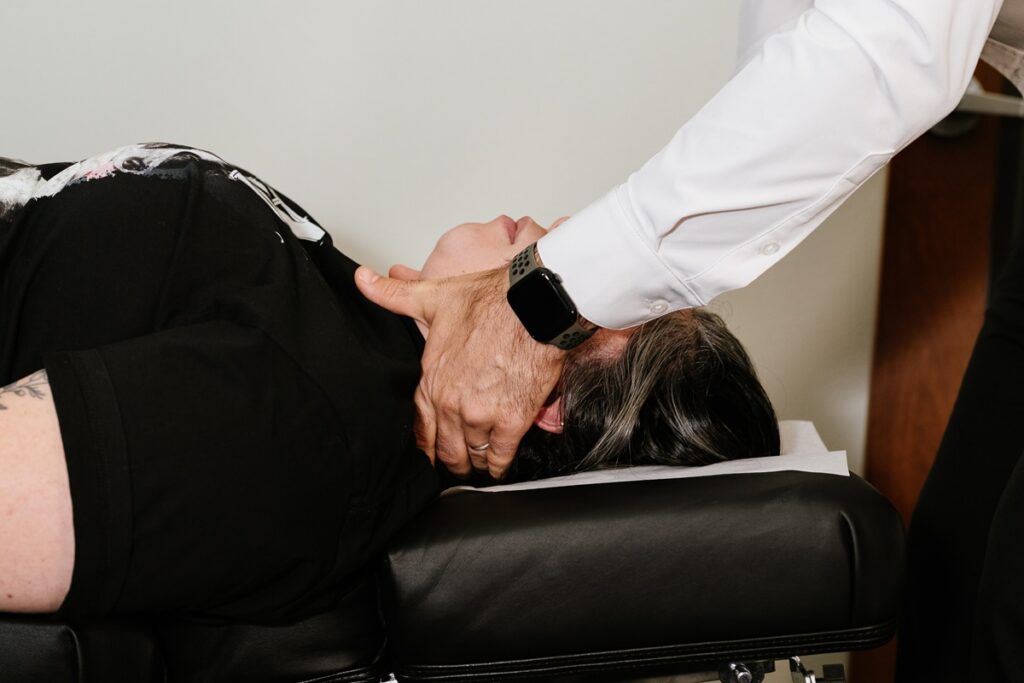
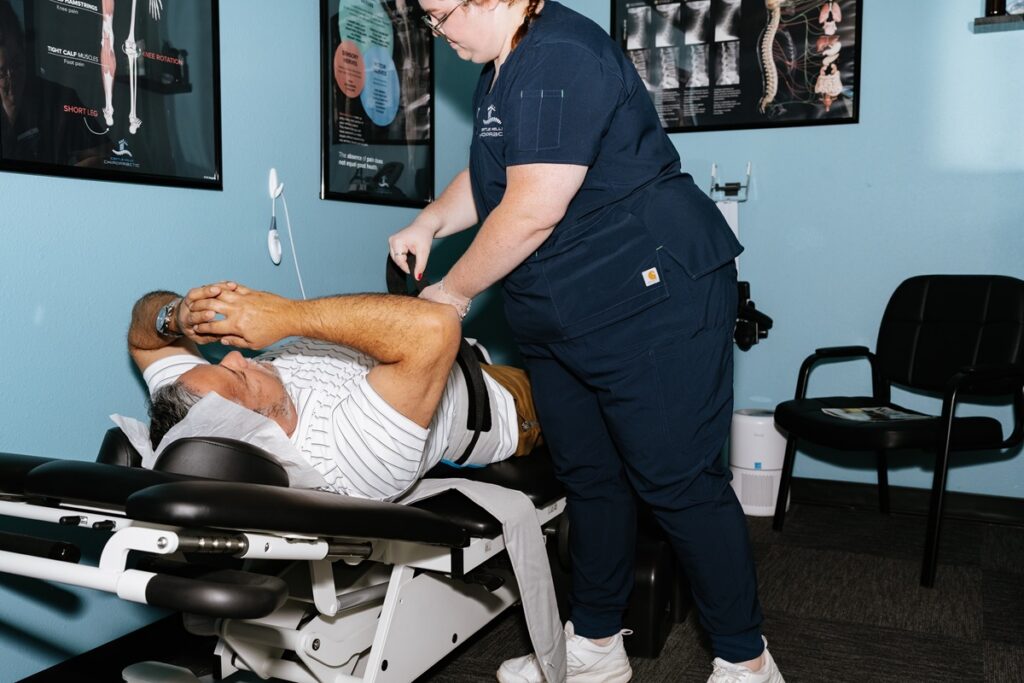
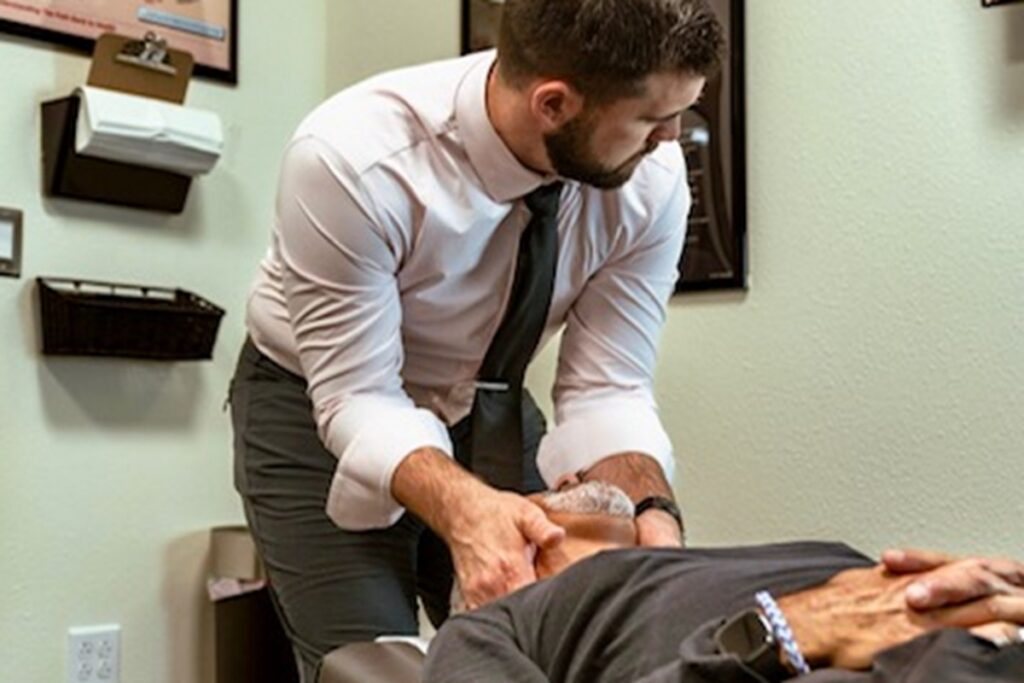
As a local chiropractor, I want to take a moment to educate you about how chiropractic adjustments can be a powerful solution for those struggling with lower back pain. My goal is to help you understand how these adjustments work to realign your spine and enhance your overall well-being.
When you come to my office, the first step is a thorough assessment of your condition. This allows me to create a personalized treatment plan that addresses your specific needs. Many of my patients find that chiropractic adjustments not only reduce their pain but also improve their mobility and promote natural healing.
Here are some benefits you might experience from chiropractic care:
- Pain Reduction: By carefully realigning your spine, we can significantly alleviate discomfort in your lower back, helping you feel more comfortable in your daily life.
- Improved Mobility: Our adjustments aim to restore your range of motion, making it easier for you to perform everyday activities without pain.
- Enhanced Posture: Proper spinal alignment supports better posture, which is essential for preventing pain and discomfort in the future.
- Holistic Approach: As your chiropractor, I take into account your overall health, including lifestyle factors that may be contributing to your pain. Together, we can work towards a healthier you.
I invite you to explore the benefits of chiropractic care and discover how it can help you live a more active, pain-free life. Your journey to better health starts with a simple visit.
Physical Therapy Techniques
Chiropractic care can be a game-changer for those dealing with lower back pain, offering a variety of natural techniques aimed at promoting healing and restoring function. When you visit a chiropractor, they'll conduct a thorough assessment of your condition and tailor a treatment plan specifically for you.
One key approach we often utilize is a series of gentle stretching exercises, which can enhance flexibility and relieve tension in your back muscles.
It's also crucial to incorporate strengthening exercises that focus on your core muscles, as these provide essential support for your spine. By fortifying these areas, you can significantly lower the likelihood of future injuries.
Another effective method we employ is manual adjustments. As your chiropractor, I may use hands-on techniques to realign your spine and relieve pressure from surrounding tissues, which helps to alleviate pain and enhance mobility.
Additionally, we may use natural modalities like heat or cold therapy to decrease inflammation and foster muscle relaxation.
Moreover, we'll educate you on proper body mechanics and posture to help prevent strain during your daily activities.
By actively engaging in your recovery process, you not only address existing pain but also arm yourself with valuable knowledge to maintain a healthy back moving forward.
Embracing chiropractic care can empower you on your journey to wellness and give you control over your health.
Medical Interventions
If you're dealing with persistent lower back pain, I want to share some insights into how chiropractic care can be a valuable part of your healing journey.
While many people initially turn to medications or physical therapy, chiropractic techniques focus on natural healing and restoring your body's alignment for long-term relief.
Here's how chiropractic care can help you:
- Spinal Adjustments: As a chiropractor, I specialize in spinal adjustments to help improve alignment. This can alleviate pressure on nerves and reduce pain, allowing your body to function more effectively.
- Holistic Approach: Chiropractic care looks at the whole person, not just the symptoms. By addressing underlying issues, we can promote better overall health and prevent future pain.
- Supportive Therapies: In addition to adjustments, I may recommend exercises, stretches, or lifestyle changes to support your recovery and enhance your strength and flexibility.
- Collaboration with Other Healthcare Providers: If necessary, I can work in conjunction with other professionals, including medical doctors and physical therapists, to ensure you receive comprehensive care tailored to your needs.
It's important to consult with a healthcare provider before starting any treatment plan.
I encourage you to visit a chiropractor to discuss your specific condition and explore how natural healing methods can help you find the relief you deserve.
Embracing a proactive approach to your health can lead to a brighter, pain-free future!
Conclusion
As a local chiropractor, I want to emphasize that finding relief from lower back pain often requires a comprehensive approach. One of the key elements is incorporating specific stretching and strengthening exercises into your routine, which can significantly enhance your comfort. Additionally, practicing good posture is essential for maintaining a healthy spine.
Many of my patients have found success with heat and cold therapy, as these methods can alleviate discomfort and promote healing. Don't overlook the advantages of massage and manual therapy; these techniques can effectively address muscle tension and improve mobility. For those times when you need quick relief, over-the-counter medications can be a temporary solution.
However, if your lower back pain persists, it's crucial to seek professional treatment. A chiropractor can help identify and address the underlying causes of your pain, guiding you toward a more natural and effective healing process. Remember, staying proactive about your health is the best way to achieve long-term wellness. Together, we can work towards a pain-free life!