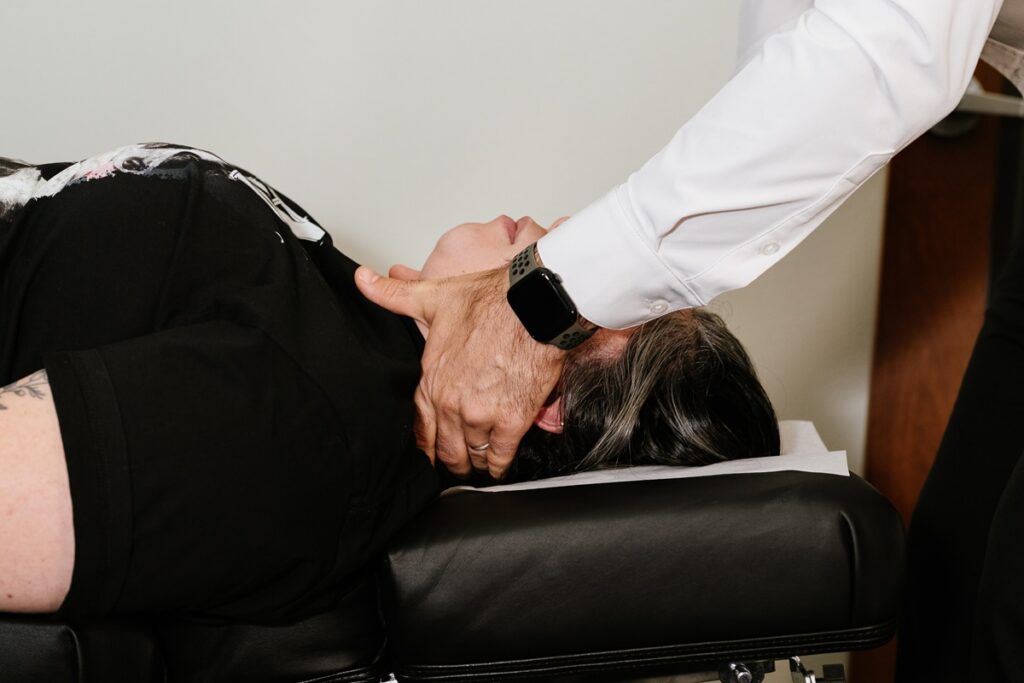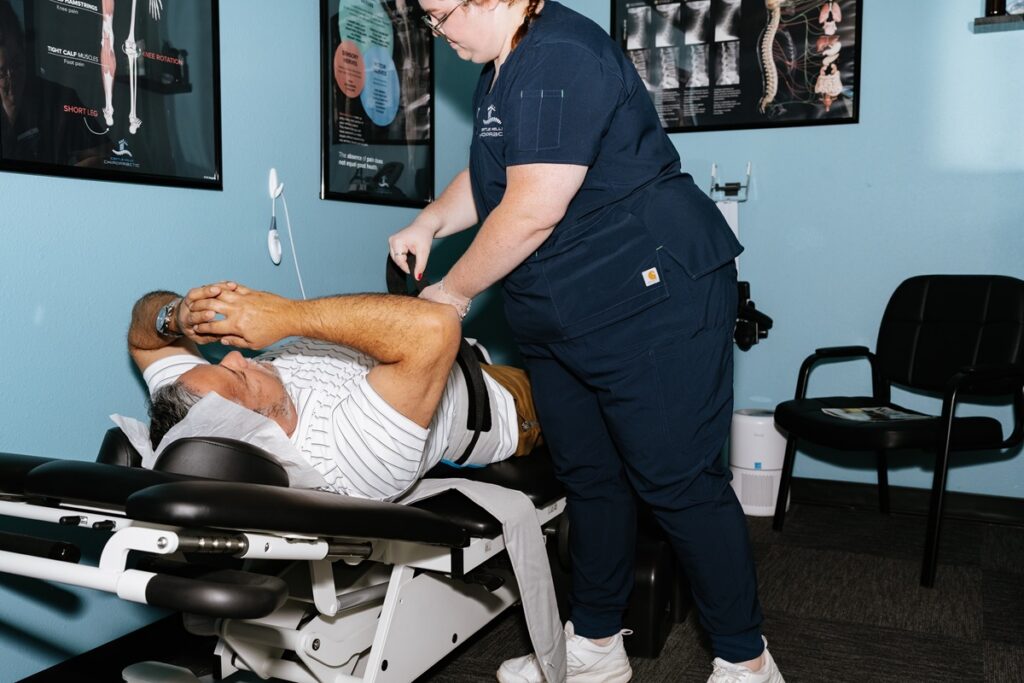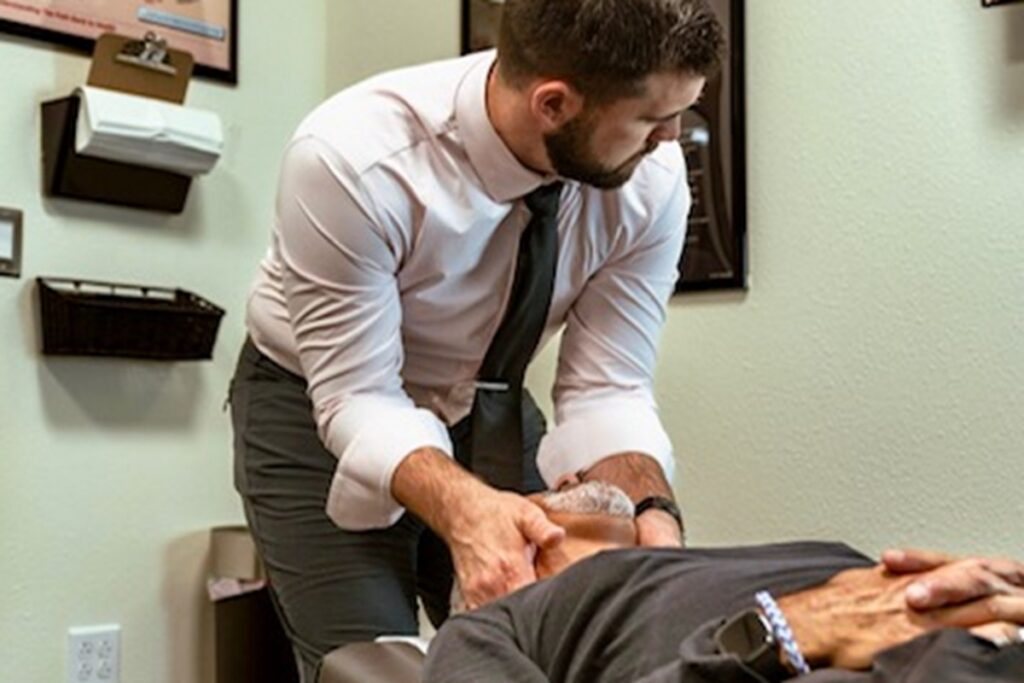

When you experience a sports injury, seeking help isn't just about getting back in the game; it's essential for your overall health and performance. You might think you can push through the pain or manage it on your own, but that often leads to complications that could sideline you longer. By consulting with professionals, you gain access to accurate diagnoses and tailored rehabilitation plans that cater specifically to your needs. Curious about the unique advantages this support can offer? Let's explore the top reasons to seek help for those injuries.
Accurate Diagnosis of Injuries
When you experience a sports injury, getting an accurate diagnosis is essential for a successful recovery. You might feel tempted to brush off the pain or self-diagnose, but this can lead to bigger problems down the line.
An accurate diagnosis helps identify the specific nature and severity of your injury, allowing for targeted treatment that can expedite healing and minimize long-term effects.
You'll want to consult a qualified healthcare professional who understands sports injuries. They'll conduct a thorough assessment, which may include physical examinations, imaging tests, and your detailed medical history.
This process not only pinpoints the exact issue but also rules out any potential complications. For instance, a sprain might feel similar to a fracture, and misdiagnosing could delay your recovery.
Additionally, knowing the exact nature of your injury can help you set realistic expectations. When you understand what you're dealing with, you can better plan your recovery, including timelines and necessary precautions.
Accurate diagnosis also informs you about potential risks of re-injury, so you can take steps to avoid them.
Customized Rehabilitation Programs
Customized rehabilitation programs play an essential role in your recovery from sports injuries. When you sustain an injury, a one-size-fits-all approach simply won't cut it. You're unique, and your rehabilitation should reflect that. These programs are tailored to your specific injury, fitness level, and personal goals, ensuring that you get the best possible care for your situation.
Working with a qualified physical therapist or sports rehabilitation specialist, you'll undergo a thorough assessment to identify your strengths and weaknesses. This evaluation helps in creating a targeted plan that focuses on your recovery, taking into account the type of sport you engage in and the physical demands it places on your body.
By doing so, you'll not only recover more effectively but also regain your confidence and performance levels.
Your customized program will likely include a mix of exercises designed to improve strength, flexibility, and range of motion. Additionally, it may incorporate modalities such as heat, ice, or electrical stimulation to manage pain and inflammation.
Regular progress evaluations will help adjust your rehab plan as needed, ensuring you're always moving forward.
Incorporating your input into the rehabilitation process enhances your motivation and commitment. You'll be more engaged when you see your specific needs being addressed.
Ultimately, a customized rehabilitation program sets you on a path to recover faster, get back in the game, and reduce the chances of re-injury in the future.
Prevention of Further Injuries
Preventing further injuries is essential for athletes who want to maintain their performance and longevity in their sport. When you sustain an injury, the last thing you want is to face setbacks that could hinder your progress. By seeking help promptly, you can address the injury and implement strategies to avoid future incidents.
One of the key components of preventing further injuries is understanding your body's limitations. It's important to recognize when you're pushing too hard or when your body needs rest. Overtraining can lead to fatigue, which increases your risk of injury. By listening to your body and adjusting your training regimen, you can reduce the likelihood of re-injury.
Additionally, focusing on proper technique is critical. Poor form can contribute to injuries, so make sure you're using the correct techniques in your sport. This doesn't just apply to your movements during competition; it also includes your warm-up and cool-down routines. Engaging in these practices helps prepare your muscles and joints, making them less susceptible to injury.
Incorporating strength and flexibility training into your routine can also greatly reduce injury risks. Stronger muscles support your joints, while improved flexibility can enhance your range of motion. Consulting with a professional can help you create a tailored program that suits your specific needs, ensuring you're equipped to prevent future injuries.
Taking these proactive steps can help you stay in the game longer and perform at your best. Always remember, prevention is key!
Access to Expert Knowledge
Accessing expert knowledge is essential for athletes recovering from injuries. When you're sidelined, turning to professionals who specialize in sports medicine can greatly impact your recovery process. These experts possess the skills and experience to provide tailored treatment plans, ensuring you heal effectively and efficiently.
Sports injury specialists understand the complexities of your body and the demands of your sport. They can accurately diagnose your injury, recommend appropriate therapies, and suggest rehabilitation exercises that align with your specific needs. This personalized approach helps you regain strength and mobility while minimizing the risk of re-injury.
Moreover, experts stay updated on the latest research and advancements in injury treatment. By collaborating with these professionals, you can access cutting-edge techniques and technologies that may not be available through general practitioners. They can also help you understand the best practices for your unique situation, guiding you on how to adjust your training regimen as you recover.
Additionally, involving a team of specialists, such as physical therapists, chiropractors, or athletic trainers, can enhance your recovery. Each expert brings a unique perspective, contributing to a thorough strategy that addresses all aspects of your injury.
Psychological Support and Motivation
When dealing with sports injuries, psychological support and motivation play an essential role in your recovery journey. Injuries can take a significant toll on your mental well-being, often leading to feelings of frustration, anxiety, or even depression. Seeking help can provide you with the emotional support you need to navigate these tough times. A therapist or counselor, particularly one experienced in sports psychology, can help you process these feelings and develop coping strategies tailored to your situation.
Having a strong support system is vital. Friends, family, and teammates can uplift your spirits and remind you of your goals. Surrounding yourself with positive influences can reignite your motivation and help you stay focused on your recovery. You might also benefit from sharing your experiences with others who've faced similar challenges. Their insights can provide encouragement and practical advice.
Setting short-term goals during your recovery can also help maintain your motivation. These small, achievable milestones can keep you engaged and give you a sense of accomplishment, making the journey feel less intimidating. Celebrate each victory, no matter how minor, to boost your morale.
Additionally, maintaining a routine can provide structure and a sense of normalcy. Incorporating light activities, even if they're not directly related to your sport, can keep your spirits up and reinforce your commitment to getting back on track.
Improved Performance and Recovery
When you seek help for sports injuries, you're not just addressing pain; you're opening doors to faster healing techniques that can get you back in the game sooner.
You'll also discover enhanced strength training methods and injury prevention strategies tailored to your needs.
Faster Healing Techniques
In today's competitive sports environment, athletes can't afford to let injuries slow them down. That's why seeking help for faster healing techniques is essential. When you work with professionals, you gain access to advanced treatments that greatly reduce recovery time. Techniques like cryotherapy, ultrasound therapy, and electrical stimulation can speed up the healing process and get you back in the game sooner.
These methods focus on reducing inflammation and promoting blood flow to affected areas, which accelerates tissue repair. Additionally, professionals can tailor rehabilitation programs to suit your specific injury, ensuring that you're not just healing but also strengthening the injured area for future performance.
Don't underestimate the power of proper rehabilitation. With guidance, you can learn effective stretching and strengthening exercises that further enhance your recovery. This proactive approach not only helps you heal faster but also prepares you better for returning to your sport with confidence.
Ultimately, prioritizing faster healing techniques means you can minimize downtime and maximize your performance. When you take injury recovery seriously, you'll be ready to hit the ground running, keeping you on track to achieve your athletic goals.
Enhanced Strength Training
Boosting your strength training can markedly enhance both your performance and recovery after sports injuries. When you focus on building strength, you're not just addressing the injury; you're also preparing your body to perform at its best. Enhanced strength leads to better muscle support around your joints, which can reduce the risk of future injuries.
As you engage in targeted strength workouts, you'll notice improvements in your endurance and power during your sports activities. This means you can push harder, run faster, and play longer without the fear of re-injury.
Additionally, a well-structured strength program can help you recover more quickly. Stronger muscles aid in stabilizing your injured area, allowing you to regain function and return to your sport sooner.
Working with a qualified trainer can help you develop a personalized strength training plan tailored to your unique needs. Incorporating resistance exercises, functional movements, and proper technique will maximize your results.
Injury Prevention Strategies
Incorporating effective injury prevention strategies can greatly improve both your performance and recovery. By focusing on techniques that promote safety and efficiency, you'll not only reduce your risk of injury but also enhance your overall athletic ability.
One key strategy is to prioritize proper warm-up and cool-down routines. Warming up increases blood flow to your muscles, making them more flexible and less prone to strains. Cooling down helps with recovery and aids in muscle repair.
Additionally, consider cross-training to build strength in different muscle groups. This helps prevent overuse injuries by distributing the workload more evenly across your body.
It's also essential to listen to your body; if you're feeling pain or fatigue, don't push through it. Rest is vital for recovery and can prevent minor issues from escalating.
Lastly, work with a coach or physical therapist who can tailor a program specifically for your needs. They can provide guidance on proper technique and recovery practices, ensuring you stay in peak condition.
Long-Term Health Benefits
When you seek help for sports injuries, you're not just addressing the immediate pain; you're also taking important steps to prevent chronic conditions later on.
Proper treatment can enhance your recovery time, allowing you to get back to your favorite activities sooner.
Ultimately, investing in your health now pays off in the long run.
Prevents Chronic Conditions
Ignoring sports injuries can lead to chronic conditions that linger long after the initial pain has faded. When you neglect these issues, you risk developing long-term health problems that can hinder your performance and overall well-being.
Seeking help early on not only addresses the immediate injury but also protects you from future complications.
Here are some common chronic conditions that can arise from untreated sports injuries:
- Arthritis: Joint inflammation can develop, causing pain and stiffness.
- Tendinitis: Overuse can lead to chronic inflammation of tendons, affecting mobility.
- Chronic Pain Syndromes: Persistent pain can emerge, impacting daily activities.
- Muscle Imbalances: Neglecting injuries can cause compensatory patterns, leading to further issues.
- Reduced Range of Motion: Scar tissue can form, limiting flexibility and movement.
Enhances Recovery Time
Seeking timely help for sports injuries greatly enhances your recovery time, allowing you to return to your favorite activities faster. When you address your injury right away, you prevent further damage and minimize complications that could prolong your healing process.
By consulting a healthcare professional, you get a tailored treatment plan that focuses on your specific needs, which is essential for an effective recovery.
Physical therapy, for example, can play a significant role in speeding up your return to the field or gym. It helps restore strength, flexibility, and balance, ensuring you're not just healed but also ready to perform at your best.
Additionally, healthcare professionals can provide guidance on proper techniques and exercises, reducing the risk of re-injury.
Moreover, tackling sports injuries early can positively affect your long-term health. You'll not only recover faster but also maintain your overall physical condition, keeping you active and engaged in the sports you love.
Conclusion
Injuries don't have to sideline your athletic journey. By seeking help, you get an accurate diagnosis and a tailored rehabilitation program that speeds up your recovery. With expert guidance, you can prevent future injuries and stay motivated through psychological support. Plus, addressing injuries now not only boosts your performance but also safeguards your long-term health. Don't wait—take the first step toward recovery and come back stronger than ever!