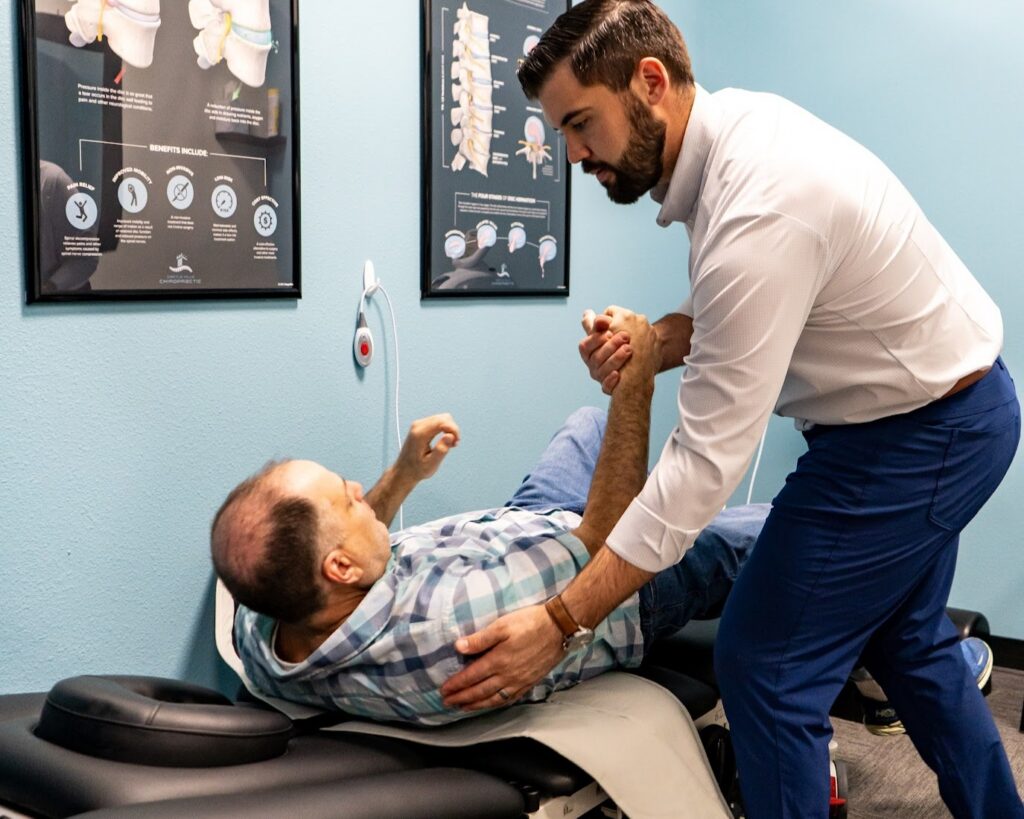

If you’re experiencing neck discomfort, rest assured you’re not alone. Many individuals struggle with tightness and pain in this area, often due to factors like poor posture or stress. As a local chiropractor, I want to share some effective techniques that can be easily implemented at home to help alleviate this discomfort.
Incorporating simple stretching exercises and relaxation methods can be a great starting point for feeling better. However, this is just the tip of the iceberg. Let’s delve into some practical strategies you can use to find relief and improve your overall well-being. By understanding how chiropractic care and natural healing can play a role, you’ll be empowered to take charge of your health and comfort.
Stretching Exercises for Neck Relief
As a chiropractor, I often see patients struggling with neck tightness and discomfort. One effective way to address this issue is by incorporating targeted stretching exercises into your daily routine.
Let me share a few simple techniques that can help alleviate tension in your neck.
Begin by gently tilting your head to one side, bringing your ear toward your shoulder. Hold this position for 15-30 seconds, allowing the muscles to relax. Afterward, switch to the other side and repeat the stretch. This lateral stretch can significantly relieve tightness.
Next, practice gentle neck rotations by looking left and right, moving your neck slowly to engage the surrounding muscles. This motion helps enhance flexibility and range of motion.
Another beneficial exercise is the chin tuck—simply pull your chin back toward your spine. This action not only stretches but also strengthens the neck muscles, fostering better alignment.
To further improve your neck and shoulder flexibility, interlace your fingers and stretch your arms overhead. As you do this, you should feel a nice stretch along your neck and shoulders.
It’s important to maintain good posture during these exercises, so keep your back straight.
I recommend dedicating a few minutes each day to these stretches. Over time, you may notice a significant reduction in discomfort, allowing you to perform daily activities with greater ease.
The Benefits of Heat Therapy
As a local chiropractor, I want to share with you the benefits of heat therapy in managing neck discomfort, especially when paired with stretching exercises.
Applying heat to the affected area increases blood flow, which promotes relaxation and helps reduce stiffness in your muscles. This increased pliability allows for easier movement and alleviates tension, making a noticeable difference in how you feel.
There are several effective methods for applying heat therapy, such as using warm towels, heating pads, or even enjoying a warm shower. It’s important to ensure that the temperature is comfortable for you—avoid anything that could cause burns. Typically, applying heat for about 15 to 20 minutes can provide significant relief from discomfort.
Moreover, heat therapy can help block pain signals that are sent to your brain, offering you a sense of comfort. This method is particularly effective for chronic neck pain or muscle tightness.
By integrating heat therapy into your self-care routine, you may find that your neck feels more relaxed and mobile, enhancing your ability to engage in daily activities with greater ease and enjoyment.
Cold Compress Techniques
As a local chiropractor, I want to share how cold compress techniques can significantly help manage neck discomfort, especially if you’re new to chiropractic care and natural healing.
While many people are familiar with heat therapy, cold therapy can be just as effective, helping to reduce inflammation and numb sharp pain for quick relief.
Here are three simple methods you can try at home:
- Ice Pack: One of the most common methods is using an ice pack. You can wrap ice cubes in a towel or use a frozen gel pack. Apply it to the affected area of your neck for about 15-20 minutes. This can help alleviate pain and reduce swelling, making it a great option after a long day or an injury.
- Cold Spoon: If you’re looking for a more targeted approach, you can chill a metal spoon in the freezer. Once it’s cold, gently press it against the specific painful areas on your neck. The cold metal can help soothe tight muscles and ease discomfort, providing immediate relief.
- Cold Compress Cloth: Another effective method is to soak a cloth in cold water, wring it out, and apply it to your neck. This technique isn’t only refreshing but can also help relieve tension in the muscles around your neck and shoulders.
Always remember to use a barrier, like a towel, between the cold source and your skin to prevent frostbite.
It’s essential to listen to your body and ensure you’re comfortable, so don’t hesitate to take breaks while using these methods.
Incorporating these cold compress techniques into your routine can complement the benefits of chiropractic care and promote your overall well-being.
Posture Correction Tips
As your local chiropractor, I want to emphasize the vital connection between posture and neck discomfort.
It’s crucial to create an ergonomic workstation that properly supports your head and neck, helping to alleviate strain.
Additionally, I encourage you to practice mindful sitting—this means being aware of your posture throughout the day to avoid slouching and to maintain proper alignment.
By making these adjustments, you can significantly improve your comfort and overall well-being.
Remember, your posture isn’t just about how you sit; it affects your entire body.
Let’s work together to find a natural path to relief!
Ergonomic Workstation Setup
As a local chiropractor, I want to emphasize the importance of creating an ergonomic workstation to help prevent neck discomfort and boost your overall productivity.
Many people are unaware that how you set up your workspace can significantly impact your posture and spinal health. Here are three key tips to optimize your workstation for better well-being:
- Monitor Height: It’s crucial to position your monitor at eye level and about an arm’s length away from you. This alignment helps keep your neck in a neutral position, reducing the risk of strain and discomfort.
- Chair Support: Choosing a chair that offers good lumbar support is essential. Ensure that your feet are flat on the ground and that your knees are bent at a 90-degree angle. This promotes proper posture and spinal alignment, which can help prevent chronic pain.
- Keyboard & Mouse Placement: Your keyboard and mouse should be placed close enough that you don’t have to reach for them. Keep your elbows tucked near your body, forming a 90-degree angle. This positioning reduces strain on your shoulders and neck.
By incorporating these adjustments into your daily routine, you can significantly enhance your comfort and productivity while also supporting your spinal health.
If you’re experiencing persistent discomfort, please consider visiting a chiropractor to explore natural healing options tailored to your needs.
Mindful Sitting Practices
As a local chiropractor, I often see how much our sitting habits can impact neck discomfort and overall well-being. It’s important to understand that the way we sit can either support or hinder our health.
To enhance your posture, begin by ensuring your feet are flat on the ground and your knees are at a 90-degree angle. Sit back in your chair, utilizing the backrest for support, and aim to align your ears over your shoulders.
Avoid slouching or leaning forward; instead, engage your core muscles to help maintain stability. If you’re working at a computer, it’s crucial to position the screen at eye level to prevent unnecessary neck strain. Remember to take regular breaks to stand up, stretch, and reset your posture throughout the day.
In addition to these physical adjustments, I encourage you to practice mindfulness by regularly checking in with your body. This means being aware of how you feel and making adjustments as needed to stay comfortable and aligned.
Ergonomic Workspace Adjustments
As a local chiropractor, I want to help you understand the importance of an ergonomic workspace in alleviating neck discomfort.
One of the first steps you can take is to adjust your desk height and monitor position. Ensuring that these are at eye level allows you to maintain a more relaxed posture throughout your workday.
By making these simple ergonomic adjustments, you can significantly enhance your comfort and overall productivity.
Desk Height Optimization
As a local chiropractor, I want to emphasize the importance of finding the right desk height for your comfort and productivity, especially if you spend extended hours working at a computer.
An ideal desk height can significantly reduce neck discomfort and promote better posture, which is essential for your overall health. Here are three important tips to help you optimize your workspace:
- Elbow Angle: It’s crucial that your elbows are positioned at a 90-degree angle while typing. This alignment minimizes strain on your shoulders and neck. If your chair or desk height isn’t allowing for this, consider making adjustments to achieve the correct position.
- Wrist Position: Maintaining straight and relaxed wrists while typing is vital. Your desk surface should be at a height that supports this natural wrist position. Poor wrist alignment can lead to discomfort and issues like carpal tunnel syndrome, so ensure your workspace promotes comfort.
- Feet Placement: Your feet should be flat on the ground or on a footrest. This simple adjustment supports your lower back and contributes to better overall ergonomics. Proper foot placement helps maintain the natural curve of your spine and reduces the risk of back pain.
Taking these steps can greatly enhance your work experience and help prevent discomfort that may lead to more serious issues down the line.
Monitor Positioning Tips
As a chiropractor, I want to emphasize how crucial proper monitor positioning is for your spinal health and overall comfort while working. It’s not just about having the right desk height; the way you position your monitor can greatly influence your neck and back health.
Start by ensuring your monitor is at eye level. This means you shouldn’t have to tilt your head up or down to see the screen. Ideally, the top of the screen should align with or be slightly below your eye level, and it should be about an arm’s length away from you.
It’s also important to keep the monitor directly in front of you to avoid twisting your neck, which can lead to discomfort and strain. If you work with multiple monitors, position your primary monitor right in front of you, with the secondary one slightly to the side for easy access.
Don’t forget to adjust the brightness and contrast settings on your monitor to help minimize eye strain.
Lastly, I encourage you to take regular breaks throughout your workday. Shifting your posture and giving your neck a break can help maintain comfort and prevent long-term issues.
Relaxation and Breathing Techniques
As a local chiropractor, I understand that managing neck discomfort can often feel daunting. However, I want to share how incorporating relaxation and breathing techniques can significantly alleviate tension and promote healing.
These practices not only help you unwind but also support better posture and muscle relaxation, both of which are vital for addressing neck pain. Here are three effective techniques you can try at home:
- Deep Breathing: Find a comfortable seated position and focus on your breath. Inhale deeply through your nose for a count of four, hold that breath for four seconds, and then exhale slowly through your mouth for a count of six. Engaging in this practice for several minutes can help calm your mind and release tension in your muscles.
- Progressive Muscle Relaxation: This technique involves tensing each muscle group in your body for a few seconds, starting from your toes and gradually moving up to your neck. After tensing each group, consciously release the tension and notice how much more relaxed your neck feels afterward. This method can help you become more aware of the tension you may be holding in your body.
- Mindfulness Meditation: Take a few minutes to focus solely on your breath, allowing yourself to let go of any distractions or stressors around you. This practice not only helps in reducing stress but also promotes a sense of relaxation, which can contribute to alleviating neck discomfort over time.
Incorporating these techniques into your routine can complement chiropractic care and enhance your overall well-being.
The Role of Hydration and Nutrition
As a chiropractor, I want to emphasize the importance of proper hydration and nutrition in managing neck discomfort. These factors are crucial for muscle function and overall health.
When you’re well-hydrated, your muscles can operate more efficiently and recover more quickly. On the other hand, dehydration can lead to muscle cramps and tension, which may exacerbate neck pain. It’s essential to drink enough water each day, and you may need to adjust your intake based on your activity level and the climate.
Nutrition is just as vital. A balanced diet that includes plenty of anti-inflammatory foods—such as fruits, vegetables, whole grains, and lean proteins—can help reduce inflammation and support muscle health.
Omega-3 fatty acids, which are found in fish and flaxseeds, are especially beneficial for reducing inflammation. Additionally, incorporating magnesium-rich foods like nuts and leafy greens can promote muscle relaxation.
By integrating these hydration and nutrition strategies into your daily routine, you may find significant relief from neck discomfort. This approach can help you maintain a more comfortable and active lifestyle.
Conclusion
As a local chiropractor, I want to share some effective techniques for easing neck discomfort that you can easily incorporate into your everyday life. First and foremost, regular stretching is crucial; gentle neck stretches can help improve mobility and reduce tension. Additionally, applying heat can provide soothing relief when your neck feels tight or strained.
It’s also important to pay attention to your posture, especially while working at a desk. Maintaining a good posture can significantly impact your neck health and prevent discomfort from developing.
Don’t underestimate the benefits of relaxation and deep breathing exercises; these practices can help release tension not just in your neck, but throughout your entire body. Staying hydrated and nourishing your body with healthy foods is equally essential, as proper nutrition supports overall wellness and muscle function.
By integrating these simple yet effective strategies into your routine, you can take proactive steps toward achieving a more comfortable, pain-free neck. Remember, chiropractic care can also play a vital role in your journey to better neck health, so feel free to reach out if you have any questions or need further assistance!