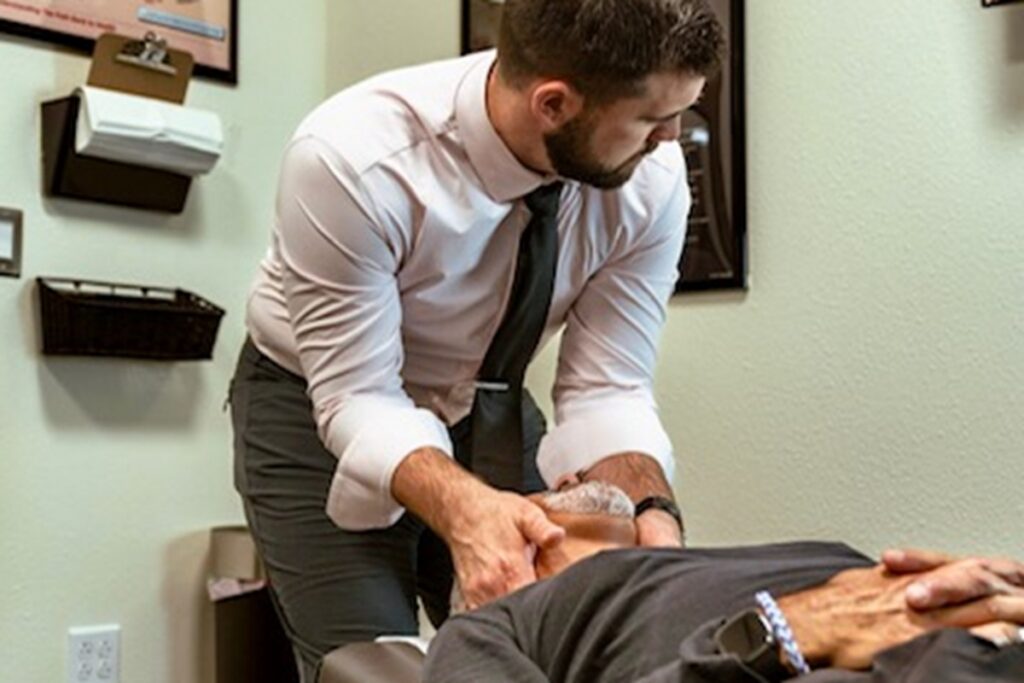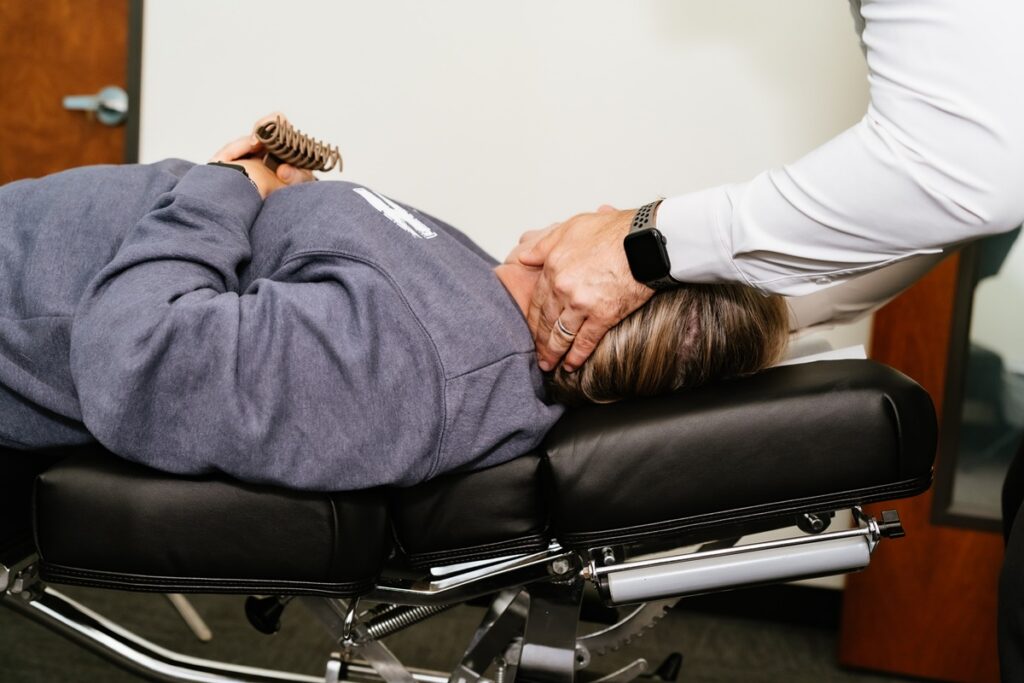

Chronic low back pain can be a frustrating issue to deal with, but as a local chiropractor, I want to share some effective strategies that can help you find relief naturally. By focusing on good posture, incorporating regular movement, and utilizing heat and cold therapy, you can start to ease your discomfort and promote overall wellness.
- Posture Matters: Maintaining good posture is crucial for spinal health. When sitting or standing, ensure your back is straight, shoulders are back, and your head is aligned over your spine. This simple adjustment can help reduce strain on your back.
- Stay Active: Regular exercise is essential for strengthening the muscles that support your spine. Low-impact activities like walking, swimming, or yoga can be beneficial. These exercises help improve flexibility and strength, which can alleviate pain over time.
- Heat and Cold Therapy: Using heat pads or taking warm baths can soothe tight muscles and improve blood circulation, while cold packs can help reduce inflammation and numb sharp pain. Alternate between the two to find the right balance that works for you.
- Mindfulness Practices: Incorporating mindfulness techniques, such as deep breathing or meditation, can help reduce stress and tension in your body. These practices promote relaxation, which can be particularly beneficial for managing chronic pain.
- Chiropractic Care: Regular visits to a chiropractor can be one of the most effective ways to address chronic low back pain. Chiropractic adjustments can realign your spine, improve mobility, and relieve pressure on nerves, helping your body heal naturally.
By following these tips and considering chiropractic care as a central part of your wellness routine, you can take significant steps toward alleviating chronic low back pain and achieving optimal health. Remember, you don’t have to go through this alone—professional support is available to guide you on your journey to recovery!
Key Takeaways
- Maintain good posture by sitting with your feet flat on the floor and your knees at a right angle. This simple adjustment can help reduce strain on your back and promote overall spinal health.
- Engage in regular low-impact exercises, such as walking or swimming, which can strengthen your core muscles and enhance flexibility. These activities support your spine and improve your overall well-being.
- Utilize heat therapy to soothe tight muscles and cold therapy to alleviate inflammation. Applying either method for 15-20 minutes can provide relief and support your body’s natural healing process.
- Embrace mindfulness techniques, including deep breathing and progressive muscle relaxation. These practices can help you manage pain and reduce stress, allowing your body to heal more effectively.
- As a chiropractor, I encourage you to consult with a professional for personalized care plans that focus on spinal alignment. We can provide tailored strategies to improve your posture and strengthen your core, promoting long-term health and wellness. Remember, chiropractic care is a natural and effective way to achieve optimal health and relieve chronic low back pain.
Practice Good Posture
Practicing good posture is vital for managing chronic low back pain and enhancing your overall well-being. As a chiropractor, I can tell you that maintaining proper alignment while sitting, standing, or walking can significantly reduce strain on your back. Here are some simple tips to help you achieve and maintain good posture throughout your day.
When sitting, ensure your feet are flat on the floor, and your knees are at a right angle. It’s important to keep your shoulders back and down, with your head aligned over your spine. Using ergonomic chairs can be beneficial, and if you need extra support, a cushion for your lower back can make a world of difference.
While standing, aim to distribute your weight evenly between both feet. Avoid locking your knees, as this can lead to tension and discomfort. Engaging your core muscles helps provide stability and support for your spine. Remember, slouching not only affects your back but can also lead to tension in your neck and shoulders.
By consistently practicing these posture tips, you reinforce healthy habits that are essential for alleviating discomfort and promoting natural healing. Being mindful of your body’s alignment throughout the day is a key step toward managing and reducing your chronic low back pain.
Chiropractic care is an excellent way to support your journey to optimal health. Regular adjustments can help improve your posture, relieve pain, and enhance your body’s natural healing processes. Together, we can work towards a healthier, pain-free you!
Incorporate Regular Exercise
Incorporating regular exercise into your daily routine can be a transformative step in managing chronic low back pain. As a chiropractor, I’ve seen firsthand how engaging in low-impact activities such as walking, swimming, or cycling can significantly strengthen your core and back muscles. This added strength provides crucial support for your spine, helping alleviate discomfort and improve overall function. Aim for at least 30 minutes of moderate exercise most days of the week to reap the benefits.
Before embarking on any new exercise regimen, it’s always a good idea to consult with a healthcare professional, particularly if you’re dealing with ongoing pain. Focus on exercises that enhance flexibility and strength, specifically targeting your core, hips, and legs. Incorporating practices like yoga and Pilates can also improve your balance and flexibility, which further helps in reducing pain.
It’s essential to listen to your body during this process. Avoid pushing through severe discomfort; instead, gradually increase the intensity and duration of your workouts as your strength allows. Consistent movement is vital, so find activities that you enjoy to help keep you motivated and engaged in your exercise routine.
As you incorporate these exercises, remember that chiropractic care plays a pivotal role in your journey to optimal health. Regular adjustments can enhance your body’s ability to heal naturally, relieve pain, and maintain proper alignment. Together, a balanced exercise routine and chiropractic care can provide a holistic approach to managing low back pain and achieving overall wellness.
Explore Heat and Cold Therapy
As you embark on your journey to strengthen your body through exercise, it’s essential not to overlook the powerful benefits of heat and cold therapy in managing chronic low back pain. These natural methods can provide significant relief and support your recovery, complementing the work you do with chiropractic care.
Heat therapy is fantastic for relaxing tight muscles and improving blood flow. It’s like giving your body a warm hug, helping to ease tension and stiffness. On the other hand, cold therapy is your go-to for reducing inflammation and numbing sharp pain. Think of it as a soothing approach to calm your body’s response to injury or strain.
Here’s a simple comparison to guide you on when to use heat or cold therapy:
| Therapy Type | Best Use |
|---|---|
| Heat | Muscle stiffness and tension |
| Cold | Acute pain and swelling |
| Duration | 15-20 minutes, as needed |
| Frequency | Several times a day, as needed |
Incorporating these therapies into your routine can enhance your exercise results and ease discomfort, working hand-in-hand with the benefits of chiropractic adjustments. Remember, it’s all about listening to your body; if something feels good, keep it up!
Here are a few general tips to make the most of heat and cold therapy:
- Heat Packs: A warm towel or a heating pad can be placed directly on the affected area for soothing relief. Just make sure it’s not too hot to avoid burns!
- Ice Packs: Use a cold pack or a bag of frozen peas wrapped in a cloth to gently apply cold therapy. This can help reduce swelling after any intense activity.
- Consistency is Key: Regularly applying heat or cold therapy can help maintain your comfort levels, especially when paired with chiropractic care.
- Stay Hydrated: Drinking plenty of water can help your muscles recover and keep inflammation at bay.
Consider Mindfulness and Relaxation Techniques
How can mindfulness and relaxation techniques enhance your experience in managing chronic low back pain? By integrating these practices into your daily life, you can develop a deeper connection with your body and foster a sense of control over your pain. Mindfulness encourages you to be present in the moment, helping you recognize tension and discomfort without passing judgment. This understanding can lead to more effective coping strategies and a reduction in stress, which is crucial for overall wellness.
In addition, relaxation techniques such as deep breathing, progressive muscle relaxation, and guided imagery are essential tools in your pain management toolkit. These methods can help decrease cortisol levels, which may influence how you perceive pain. Make it a priority to set aside a few minutes each day to practice these techniques. You might discover that regular mindfulness and relaxation practices not only improve your mood but also lessen the intensity of your pain.
As you embrace these approaches, remember that chiropractic care plays a pivotal role in achieving optimal health and wellness. Regular chiropractic adjustments can help align your spine, improve your posture, and alleviate pain, complementing your mindfulness and relaxation efforts. By taking an active role in your health journey, you empower yourself to manage your low back pain effectively, fostering a more positive mindset and a healthier lifestyle overall.
Seek Professional Help
While mindfulness and relaxation techniques can certainly help in managing chronic low back pain, visiting a chiropractor is often one of the best steps you can take on your journey to relief. Chiropractors specialize in spinal health and can provide hands-on treatments that address the root causes of your discomfort.
Through careful assessment, they can identify misalignments in your spine and develop a personalized care plan tailored to your specific needs.
When you consult with a chiropractor, be open about your symptoms and any concerns you have. This communication is key to understanding your treatment options, which may include spinal adjustments, therapeutic exercises, and lifestyle recommendations.
A chiropractor can guide you on how to improve your posture, strengthen your core, and make small changes to your daily routine that can significantly enhance your overall well-being.
Remember, chronic pain often involves more than just physical symptoms. A holistic approach, which considers not only the spine but also your lifestyle and habits, can lead to the best outcomes.
Conclusion
If you’re struggling with chronic low back pain, there are effective steps you can take to find relief and improve your overall wellness. One of the most important things you can do is practice good posture throughout your day. This simple change can help reduce strain on your spine and support a healthier back.
Incorporating regular exercise into your routine is another key element. Activities like walking, swimming, or gentle stretching can strengthen the muscles that support your spine and enhance your flexibility. Remember, it’s always best to consult with a chiropractor who can recommend specific exercises tailored to your needs.
Heat and cold therapy can also be beneficial for managing pain. Applying heat can relax tense muscles, while cold packs can help reduce inflammation. Experiment with both to see what works best for you.
Mindfulness and relaxation techniques, such as deep breathing or meditation, can play a significant role in easing tension and promoting a sense of calm. These practices not only help your mind but can also have a positive effect on your body, reducing the perception of pain.
If your pain persists, it’s important to seek professional help. A chiropractor can provide a personalized approach to your care, utilizing spinal adjustments and other natural methods to help restore balance and alleviate discomfort. Remember, managing your back pain is a journey, and with these holistic strategies, you’re on the right path to feeling better and living a healthier life. Embrace the power of chiropractic care as a natural and effective way to achieve optimal health and wellness.