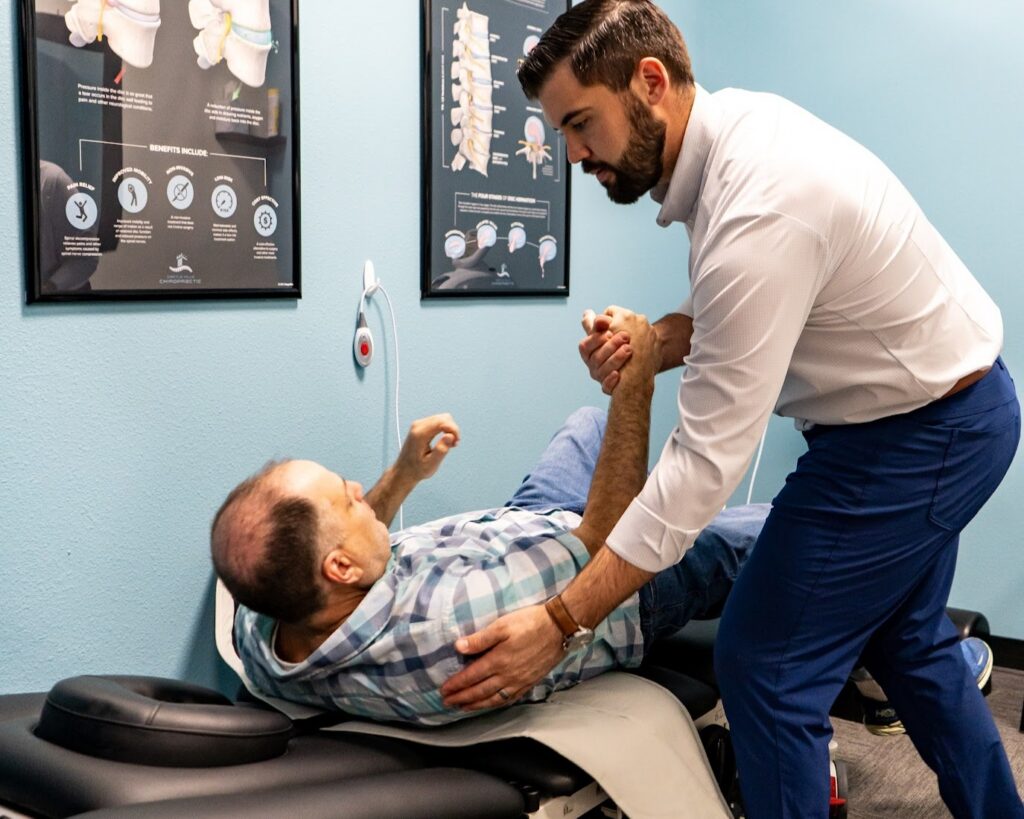

As a local chiropractor, I understand that managing migraines can be a challenging and often frustrating experience. Many of my patients come to me feeling overwhelmed, but I want you to know that you are not alone in this journey. One of the first steps in finding relief is to identify your migraine triggers, which can often be linked to lifestyle factors.
Through chiropractic care and natural healing methods, we can work together to implement simple lifestyle changes that may help alleviate your symptoms. It’s about making small adjustments—whether it’s improving your posture, incorporating regular spinal adjustments, or managing stress—that can lead to significant improvements in your overall well-being.
Are you curious about effective strategies to reduce the frequency and severity of your migraines? Let’s explore some practical tips that can empower you to regain control over your life and enhance your health naturally. Together, we can develop a personalized plan that addresses your unique needs and helps you find relief from migraines.
Identify Your Triggers
Have you ever found yourself wondering what might be causing your migraines? As a local chiropractor, I want to emphasize that identifying your triggers is essential for effectively managing those distressing episodes. A great starting point is to keep a migraine diary. Record when your migraines occur, what you eat, your stress levels, and any changes in the weather. Over time, this can help you identify patterns that may be contributing to your discomfort.
Common triggers often include specific foods—think aged cheese or chocolate—as well as factors like dehydration or even skipping meals. Stress is another significant factor, so it’s important to be aware of your emotional state.
Additionally, don’t overlook environmental influences. Bright lights, strong scents, and excessive noise can all play a role in triggering migraines.
Once you’ve pinpointed your unique triggers, you can take proactive steps to minimize their impact. Sharing your findings with your healthcare provider, including your chiropractor, can lead to personalized strategies that align with your natural healing journey.
Keep in mind that everyone’s triggers are different, so it’s crucial to focus on what specifically affects you. By taking control and gaining a deeper understanding of your triggers, you’ll be better equipped to manage your migraines and enhance your overall well-being through chiropractic care and natural healing approaches.
Maintain a Consistent Sleep Schedule
As your local chiropractor, I want to share an important aspect of managing migraines that may not be commonly discussed: the significance of maintaining a consistent sleep schedule.
Establishing a regular sleep routine is crucial for migraine prevention. Aim to go to bed and wake up at the same time each day, including weekends. This consistency helps regulate your body’s internal clock, making it easier for you to fall asleep and wake up feeling refreshed.
Creating a calming bedtime routine signals to your body that it’s time to relax. Try to avoid screens and stimulating activities before bed, as these can interfere with the quality of your sleep.
Additionally, ensure your sleep environment is comfortable—keeping it dark, quiet, and cool can help you drift off more easily.
If you find yourself struggling with insomnia or restless nights, I encourage you to speak with me about natural strategies or treatments that may assist you.
A stable sleep pattern not only supports migraine prevention but also enhances your overall well-being. Prioritizing your sleep is a vital step in effectively managing those troublesome migraines and improving your health through natural healing.
Stay Hydrated
As a local chiropractor, I want to emphasize the importance of staying hydrated, especially for those who may not be familiar with chiropractic care and natural healing.
Proper hydration is crucial in preventing migraines and maintaining overall health. When you drink enough water, you support your body’s natural balance and significantly reduce the risk of headaches caused by dehydration.
I encourage you to make it a daily habit to carry a water bottle with you. This simple practice can enhance your wellness journey and complement the chiropractic adjustments you receive, helping you feel your best.
Importance of Water Intake
As a local chiropractor, I often see patients who are unaware of the important role hydration plays in their overall health and wellness, especially when it comes to managing migraines.
It’s crucial to understand that staying properly hydrated isn’t just about quenching your thirst; it can significantly impact your body’s ability to function optimally.
When you’re dehydrated, it can lead to increased frequency and intensity of headaches, including migraines. I recommend that my patients aim to drink water consistently throughout the day, rather than waiting until they feel thirsty.
A helpful tip is to carry a water bottle with you or set reminders on your phone to ensure you’re getting enough fluids.
Additionally, incorporating hydrating foods—such as fruits and vegetables—into your diet can further enhance your water intake.
Remember, even mild dehydration can affect your well-being and contribute to discomfort.
By making hydration a priority in your daily routine, you can help reduce the likelihood of migraine flare-ups and support your overall health.
As you explore chiropractic care and natural healing, consider how simple lifestyle adjustments like staying hydrated can complement your wellness journey.
Hydration and Migraine Prevention
As a local chiropractor dedicated to your overall health and wellness, I want to emphasize the crucial role hydration plays in preventing migraines. Many people may not realize that even mild dehydration can trigger those painful migraine episodes. To support your body’s optimal functioning, I recommend aiming for at least eight glasses of water each day.
Keep in mind that certain factors, such as heat, physical activity, and caffeine consumption, can increase your fluid loss. On warmer days or during exercise, it’s important to boost your water intake to stay ahead of dehydration.
Additionally, incorporating hydrating foods like fruits and vegetables into your meals can be a great way to help maintain your hydration levels.
If you start to notice symptoms of a migraine, the first thing you should do is check your hydration status. Staying consistently hydrated not only helps to reduce the frequency of migraines but also improves your overall well-being.
Practice Stress Management Techniques
As a local chiropractor, I want to share with you how effective stress management techniques can significantly enhance your overall well-being and potentially reduce the frequency of migraine attacks. Stress is a common trigger for migraines, and understanding how to manage it is crucial.
First, let’s identify your personal stressors. Take a moment to reflect on what causes you tension, whether it’s deadlines at work, family obligations, or other everyday pressures. By pinpointing these triggers, we can work together to develop strategies to address them.
Incorporating simple stress relief techniques into your daily life can be incredibly beneficial. Practices like deep breathing exercises, mindfulness meditation, and progressive muscle relaxation can help calm your mind and body.
Even a few minutes each day dedicated to these activities can lead to a noticeable decrease in stress levels.
Engaging in hobbies or activities you love is another excellent way to distract yourself from stress. Surrounding yourself with supportive friends and family can also create a positive environment that helps you manage stress more effectively.
Remember, when you actively work on managing your stress, you’re not only nurturing your mental health but also decreasing the chances of experiencing migraine episodes.
As your chiropractor, I’m here to guide you through these techniques and support your journey towards a healthier, more balanced life. Together, we can explore natural healing methods that align with your body’s needs and help you achieve optimal wellness.
Incorporate Regular Exercise
As a local chiropractor, I want to share how incorporating regular exercise into your routine can be a powerful ally in managing migraines and enhancing your overall well-being.
Engaging in physical activity not only elevates your mood but also reduces stress and improves blood circulation—factors that can play a significant role in alleviating migraine triggers.
Here are some practical tips to help you get started on this journey:
- Choose activities you enjoy: Whether it’s a gentle walk in the park, refreshing laps in the pool, or calming yoga sessions, it’s important to find exercises that resonate with you personally and bring you joy.
- Start slow and build up: If you’re new to exercising, it’s essential to ease into it. Begin with moderate activities and gradually increase the intensity and duration to prevent any risk of overexertion that could lead to discomfort.
- Stay consistent: Aim for at least 30 minutes of moderate exercise on most days of the week. Consistency is key to reaping the full benefits of physical activity, which can support your body’s natural healing processes and potentially reduce the frequency and intensity of your migraines.
Remember, exercise is just one component of a holistic approach to health.
If you have questions or would like to explore how chiropractic care can further benefit you, feel free to reach out. Your journey to better health is a partnership, and I’m here to support you every step of the way!
Consider Dietary Modifications
As a local chiropractor, I often emphasize the importance of a holistic approach to health, especially when it comes to managing migraines. While regular exercise is crucial, the role of nutrition can’t be overlooked. One effective way to start is by keeping a food diary. This will help you identify any potential migraine triggers in your diet, such as aged cheeses, chocolate, or processed meats. Many patients find that tracking their food intake opens their eyes to patterns that might be contributing to their headaches.
Incorporating more whole foods into your meals is another key strategy. Focus on eating plenty of fruits, vegetables, whole grains, and lean proteins. These foods provide essential nutrients that support your overall health and can help in preventing migraines.
Don’t forget about hydration—staying well-hydrated is vital, as dehydration can easily trigger a migraine. I recommend aiming for at least eight glasses of water a day to keep your body functioning optimally.
Additionally, consider adjusting your meal frequency. Smaller, more frequent meals can help stabilize your blood sugar levels, which is important for migraine prevention. Skipping meals can lead to fluctuations that may result in headaches, so it’s essential to nourish your body regularly.
Utilize Cold or Warm Compresses
As a local chiropractor, I want to share some valuable insights on managing migraines through natural methods.
When a migraine strikes, using cold or warm compresses can be an effective way to find relief. Cold compresses are particularly helpful as they can numb the pain and reduce inflammation, which can be a significant source of discomfort.
On the other hand, warm compresses are excellent for relaxing tense muscles that may be contributing to your headache.
I encourage you to experiment with both techniques to see which one works best for your individual symptoms. Integrating these methods into your routine, alongside chiropractic care, can enhance your overall well-being and provide you with a holistic approach to managing migraines.
Cold Compress Benefits
As a local chiropractor, I often see patients seeking relief from migraines, and I want to share how cold compresses can be a simple yet effective part of your pain management toolkit. Many individuals are unaware of the benefits of using cold therapy, so let’s explore how it can help alleviate your discomfort.
When you place a cold compress on your forehead or neck, it can provide immediate relief by numbing the pain and reducing inflammation. Here’s how it works:
- Numbs Pain: The cold sensation interferes with pain signals being sent to your brain, giving you quick relief from that throbbing headache.
- Reduces Inflammation: Cold temperatures cause blood vessels to constrict, which can diminish swelling and alleviate pressure in the affected areas.
- Promotes Relaxation: The cooling effect helps to calm your body, making it easier for you to rest and recover from your migraine.
I encourage you to experiment with various types of cold compresses, such as gel packs or ice wrapped in a cloth, to find what works best for you.
Integrating this simple remedy into your routine may become an essential part of your migraine management strategy.
Warm Compress Techniques
As a local chiropractor, I want to share some valuable insights about managing migraines, particularly through the use of warm compresses. Many people are familiar with cold compresses for quick relief, but warm compresses can also be incredibly beneficial in addressing migraine pain.
When you apply a warm compress, it aids in relaxing tense muscles and enhancing blood circulation, both of which can significantly alleviate discomfort associated with migraines. To create a warm compress, simply soak a clean cloth in warm water, wring it out, and gently place it on your forehead or the back of your neck.
Alternatively, you can use a heating pad set on a low setting. It’s important to ensure that the temperature feels comfortable to prevent any risk of burns.
I recommend leaving the compress on for about 15-20 minutes. If you find this method soothing, feel free to repeat it as needed. Integrating warm compresses with other natural remedies can greatly enhance your comfort and relief during a migraine attack.
As part of your holistic approach to health, remember that chiropractic care can also play a crucial role in managing tension and promoting overall well-being.
Explore Medication Options
As you embark on the journey of managing migraines, exploring natural and holistic approaches can be transformative. Understanding that each individual responds differently to treatments is crucial. You may discover relief through chiropractic care or other natural remedies designed to support your body’s healing processes.
Here are some key options to consider:
- Chiropractic adjustments: Regular spinal adjustments can help alleviate tension and improve overall function, potentially reducing the frequency and intensity of migraine attacks.
- Lifestyle modifications: Incorporating healthy habits such as proper hydration, balanced nutrition, and regular exercise can play a significant role in migraine management.
- Alternative therapies: Techniques like acupuncture, massage, or certain supplements may offer additional relief. However, it’s always wise to consult with your chiropractor or healthcare provider before starting any new treatment.
Working closely with your chiropractor is essential to develop a personalized approach that suits your unique needs. They can guide you through potential benefits and ensure you achieve the best results.
Keep a Migraine Diary
As a local Chiropractor, I want to share how keeping a migraine diary can significantly improve your understanding and management of headaches.
By tracking the triggers and patterns associated with your migraines, you’ll begin to identify the underlying factors contributing to your discomfort. This insightful documentation of your symptoms, including their duration, will empower both you and your healthcare provider to develop a personalized treatment plan that aligns with natural healing methods.
Understanding your body’s responses is crucial, and a migraine diary can be a valuable tool in this process. It allows us to tailor chiropractic care and lifestyle adjustments that address the root causes of your migraines, ultimately fostering better overall health and well-being.
Track Triggers and Patterns
As a local chiropractor dedicated to your overall well-being, I want to share how tracking your migraine triggers and patterns can significantly improve your understanding of this condition.
By maintaining a detailed migraine diary, you can take charge of your health and identify potential causes of your headaches. This proactive approach allows you to discover specific situations or substances that may be triggering your migraines.
I recommend paying attention to the following areas:
- Dietary habits: What you consume can greatly impact your migraines. Keep a record of your meals and drinks to see if there’s a connection.
- Environmental factors: Be mindful of changes in your surroundings, such as weather fluctuations, light exposure, or noise levels, as these can also influence your headache patterns.
- Lifestyle choices: Your daily routine plays a crucial role. Note your sleep patterns, stress levels, and physical activity, as these factors can contribute to the frequency and intensity of your migraines.
Document Symptoms and Duration
When you document your migraine symptoms and their duration, you can uncover important insights into your condition, which is vital for your overall health and well-being.
As a chiropractor, I encourage my patients to keep a migraine diary, as it can help you recognize patterns and gain a deeper understanding of how long each episode lasts.
In your diary, be sure to note specific symptoms, such as throbbing pain, sensitivity to light, or nausea. It’s also helpful to record the times when your migraines start and end, as this can reveal if there’s a consistent duration that could be addressed through natural healing methods.
This information is invaluable when discussing your migraines with me or any healthcare provider. It guides us in exploring holistic treatment options that focus on your body’s natural healing abilities.
Moreover, you might begin to see connections between your symptoms and previously identified triggers, such as dietary choices or stress levels.
By maintaining this diary, you take an active role in managing your migraines more effectively.
With a better understanding of your body, we can work together to potentially reduce the frequency and severity of your migraines over time through chiropractic adjustments and lifestyle modifications.
Seek Professional Help When Necessary
As a local chiropractor, I want to emphasize that while many individuals find relief from mild migraines using over-the-counter treatments, it’s crucial to consider professional care when headaches start to become more frequent or intense.
Chiropractic care can offer valuable insights and personalized treatment options to help you achieve the relief you deserve.
Here are some signs that it might be time to reach out for chiropractic support:
- Increased frequency: If you’re experiencing migraines more than twice a month, it’s a good idea to consult a chiropractor who can assess your situation and provide targeted care.
- Severe intensity: If your headaches are interfering with your daily activities or aren’t responding to common remedies, seeking guidance from a chiropractor can be essential. We focus on holistic approaches that address the root causes of pain.
- New symptoms: If you notice any changes in your headache patterns or experience unusual symptoms, don’t hesitate to reach out. Chiropractors can evaluate your condition and help identify underlying issues.
Taking the step to consult with a chiropractor can lead to effective management strategies, allowing you to regain control over your life and overall well-being.
Conclusion
As a local chiropractor, I understand that managing migraines can be a daunting task for many of you. However, by incorporating some natural healing strategies into your routine, you can gain better control over your symptoms.
First and foremost, it’s essential to identify your individual migraine triggers. This could be anything from certain foods to environmental factors. Additionally, maintaining a consistent sleep schedule is crucial, as irregular sleep patterns can exacerbate migraine frequency and intensity.
Hydration plays a significant role in overall wellness, so make sure you’re drinking enough water throughout the day. Stress can also be a major contributor to migraines, so practicing stress management techniques, such as deep breathing or mindfulness, can be beneficial.
Incorporating regular exercise into your lifestyle can not only improve your physical health but also help reduce the frequency of migraines. Moreover, using cold or warm compresses on your head or neck can provide immediate relief during an attack.
If you find that your migraines persist despite these efforts, consider discussing medication options with your healthcare provider. Additionally, as a chiropractor, I can offer you holistic treatment options that focus on aligning your spine, reducing tension, and improving overall nervous system function.
By implementing these strategies, you can work towards a more manageable migraine experience and embrace a more natural approach to healing. Remember, you’re not alone in this journey, and seeking professional help is always a wise choice.