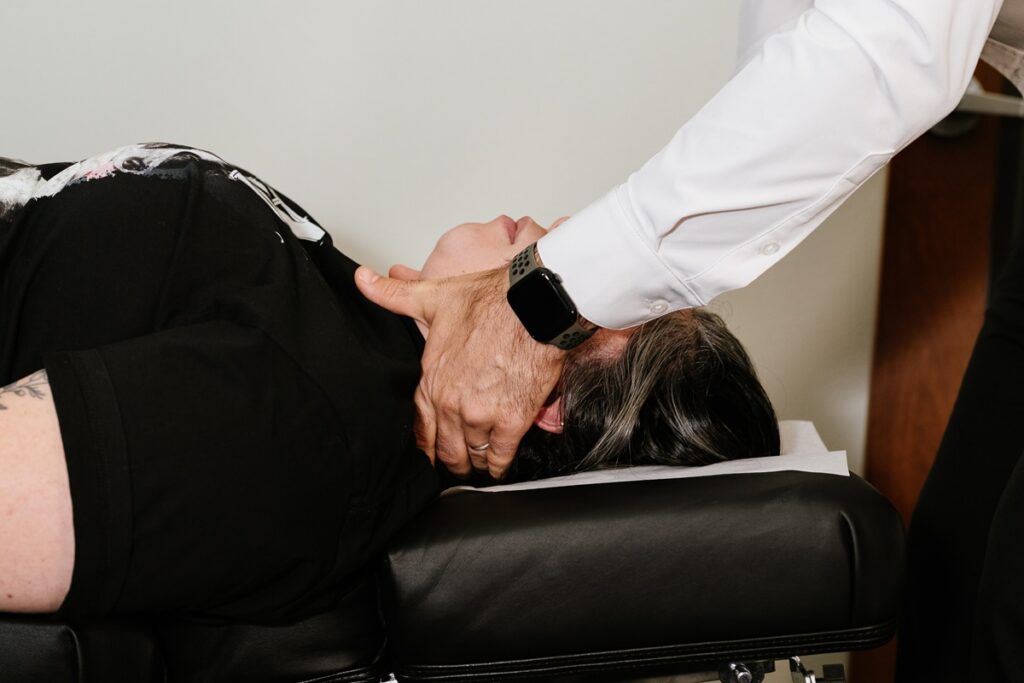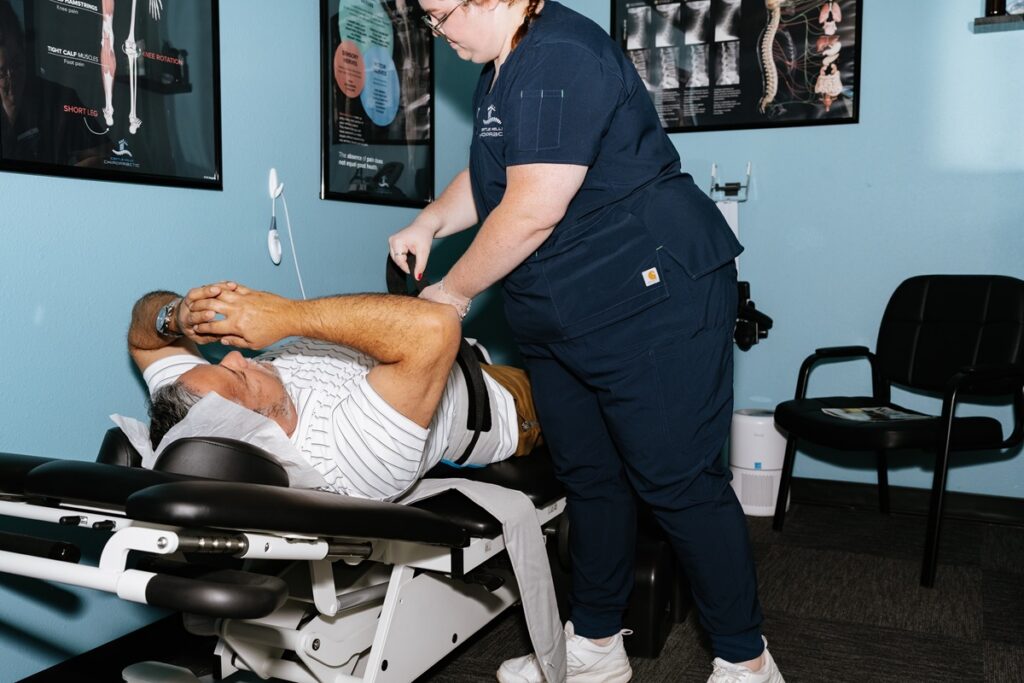

Low back pain can be a challenging and debilitating issue, but as a chiropractor, I want to empower you with knowledge and strategies to manage it effectively. Understanding common causes such as muscle strain, poor posture, and spinal misalignment is key to finding relief. By integrating specific lifestyle changes and chiropractic care into your daily routine, you can significantly reduce discomfort and enhance your overall well-being.
Looking for practical steps to ease your pain? Here are some effective tips to help you on your journey towards a pain-free life:
- Prioritize Good Posture: Maintaining proper posture while sitting, standing, and moving is crucial. Keep your back straight and shoulders back to minimize strain on your spine.
- Stay Active: Engage in regular low-impact exercises, such as walking or swimming, to strengthen your back muscles and improve flexibility. Movement is vital for spinal health.
- Incorporate Stretching: Simple stretches can help relieve tension in your back. Incorporate gentle stretches into your daily routine to keep your muscles flexible.
- Practice Ergonomics: If you work at a desk, ensure your workspace is ergonomically designed. Use a chair that supports your lower back and adjust your computer screen to eye level.
- Stay Hydrated: Drinking enough water is important for spinal health. Proper hydration helps maintain the elasticity of the spinal discs and supports overall wellness.
- Consider Chiropractic Care: Regular visits to a chiropractor can help address the root causes of your low back pain. Through spinal adjustments and personalized care, you can achieve optimal health and pain relief naturally.
- Listen to Your Body: Pay attention to your body’s signals and avoid activities that exacerbate your pain. If you experience discomfort, allow yourself time to rest and recover.
By incorporating these tips into your lifestyle and seeking chiropractic care, you can take significant steps toward managing your low back pain effectively. Remember, you are not alone in this journey, and with the right approach, a healthier, pain-free life is within reach!
Key Takeaways
- Maintain good posture while sitting and standing. This simple habit reduces strain on your spine, helping you to feel more comfortable throughout the day. Remember, your spine should be in a neutral position to prevent discomfort.
- Engage in low-impact exercises such as walking and swimming. These activities promote circulation and strengthen the muscles that support your spine, leading to better overall health. Consistency is key—try to incorporate these exercises into your routine.
- Use heat therapy to ease tight muscles and cold therapy to alleviate inflammation and numb pain. Alternating between heat and cold can be a natural way to manage discomfort without the need for medications.
- Invest in a supportive mattress and ergonomic chair. These tools promote proper spinal alignment while you sleep and work, reducing the likelihood of pain. A good night’s sleep can significantly enhance your overall wellness.
- Stay active with gentle stretches and movements. Incorporating regular stretches into your day can help maintain flexibility and strength in your back. If you’re experiencing persistent or severe pain, consider scheduling a visit with a chiropractor. They can provide personalized care to address your specific needs.
By focusing on these natural methods, you can support your spinal health and enhance your overall well-being. Chiropractic care is a fantastic option for those seeking relief and a path to optimal health. Remember, your body deserves the best care possible!
Understand the Anatomy of Your Back
To effectively manage low back pain, it’s essential to understand the anatomy of your back. Your spine is made up of vertebrae, intervertebral discs, nerves, and muscles, all working together to support your body and enable movement. The lumbar region, or lower back, is especially important since it carries much of your weight and allows for flexibility. Each vertebra is cushioned by discs that act as shock absorbers, helping to protect your spine during everyday activities.
Nerves that branch out from the spinal cord play a crucial role in controlling movement and sensation throughout your body. By familiarizing yourself with this structure, you can better identify potential sources of pain. Common issues like herniated discs or strained muscles can lead to discomfort, but understanding how your spine works can empower you to take steps toward relief.
As a chiropractor, I believe in the power of natural healing through chiropractic care. Regular adjustments can help keep your spine aligned, reducing pain and improving your overall function.
Here are some general tips to support your back health:
- Maintain Good Posture: Pay attention to how you sit, stand, and lift. Keeping a neutral spine can prevent strain on your back.
- Stay Active: Engage in low-impact exercises like walking, swimming, or yoga to strengthen your back muscles and improve flexibility.
- Practice Stretching: Incorporate simple stretches into your daily routine to ease tension and promote mobility in your back.
- Listen to Your Body: If you feel discomfort, don’t ignore it. Early intervention through chiropractic care can prevent further issues.
- Hydrate and Eat Well: Proper nutrition and hydration support disc health and overall wellness.
Maintain Proper Posture
Understanding your back is key to appreciating the importance of maintaining proper posture. Good posture helps align your spine, which can significantly reduce strain on your muscles and ligaments. This alignment can be particularly beneficial in alleviating low back pain. As a chiropractor, I want to share some simple tips for maintaining proper posture in various situations to help you on your journey to optimal health and wellness:
| Situation | Proper Posture Tips |
|---|---|
| Sitting | Keep your feet flat on the ground, maintain a straight back, and relax your shoulders. Consider using an ergonomic chair that supports your lower back. |
| Standing | Distribute your weight evenly on both feet and avoid locking your knees. Engaging your core can provide extra support. |
| Lifting | Always bend at your knees, not at your waist, and keep the object close to your body to reduce strain on your back. |
| Sleeping | Choose a supportive mattress and pillow that help maintain the natural curve of your spine while you sleep. |
Incorporate Regular Exercise
Incorporating regular exercise into your daily routine can be a transformative approach to managing low back pain, and as your local chiropractor, I want to emphasize how vital this can be for your overall health. Engaging in physical activity not only strengthens the muscles that support your spine but also enhances stability, helping to alleviate discomfort over time.
Start with low-impact exercises that are gentle on your back while still delivering great benefits. Activities like walking, swimming, or biking can be wonderful options. These exercises improve circulation and promote a healthier spine without putting undue stress on it.
Strength training is equally important for maintaining a healthy back. Focus on core exercises that target your abdominal and back muscles. These strengthen the support system for your spine, which can lead to significant pain relief. Additionally, practices like yoga or Pilates can enhance your flexibility and improve your posture, reducing the pressure on your spine.
Aim for at least 30 minutes of moderate exercise most days of the week. It doesn’t have to be all at once; you can break it down into smaller sessions that fit into your day. Remember to listen to your body—if a movement causes pain, it’s important to stop and reassess.
Consistency is the key to success, so find activities that you enjoy. This makes it easier to stick with your routine, leading to long-term benefits. Every bit of movement counts, so start small if you need to, and gradually increase your activity level.
In addition to exercise, consider incorporating regular chiropractic care into your wellness routine. Chiropractic adjustments can help align your spine and improve your overall function, enhancing the benefits of your exercise program. Together, exercise and chiropractic care can create a powerful approach to achieving optimal health and relieving pain naturally.
Your back will thank you for making these positive changes!
Utilize Heat and Cold Therapy
When it comes to addressing low back pain, incorporating heat and cold therapy can be incredibly beneficial. As a chiropractor, I often emphasize how these natural methods can complement your overall wellness journey and support your recovery without the need for medications or invasive procedures.
Heat therapy is fantastic for relaxing and soothing tight muscles. By applying heat to the affected area, you can increase blood flow, which helps to ease tension and promote healing. Try using a warm towel, heating pad, or even a warm bath to help alleviate discomfort in your lower back.
On the other hand, cold therapy is effective in reducing inflammation and numbing sharp pain. Applying a cold pack or ice wrapped in a cloth to the painful area can help minimize swelling and provide immediate relief after any activity that may have aggravated your pain.
For optimal results, consider alternating between heat and cold therapy. This combination approach can maximize your relief and support your recovery even more effectively. Remember to listen to your body and adjust the duration and method based on what feels best for you.
Alongside these therapies, regular chiropractic adjustments can help ensure your spine is aligned and functioning optimally, which plays a crucial role in managing pain and improving your overall health.
Always consult with your chiropractor about your specific situation, and together you can create a comprehensive plan that may include heat and cold therapy, spinal adjustments, and other natural strategies for achieving lasting wellness.
Embrace these natural methods, and take a proactive approach to your health!
Benefits of Heat Therapy
When it comes to alleviating low back pain, heat therapy is a wonderful option that many people find comforting. Applying heat to your lower back can significantly enhance blood flow, which helps to relax tight muscles and ease stiffness.
This improved circulation not only promotes healing but also provides a sense of relief from discomfort.
You have several ways to incorporate heat therapy into your routine. A heating pad is a popular choice, but you can also use a warm towel or treat yourself to a soothing warm bath. The gentle warmth seeps into your muscles, encouraging relaxation and comfort.
For the best results, aim to apply heat for about 15-20 minutes at a time. Just remember to steer clear of any bruised or swollen areas to avoid further discomfort.
While heat therapy is effective, it works best when combined with chiropractic care, which addresses the root cause of pain. Regular visits to your chiropractor can help ensure your spine is aligned and functioning optimally, allowing your body to heal naturally.
Incorporating heat therapy into your wellness routine, alongside chiropractic adjustments, can make a significant difference in managing your low back pain. By choosing natural methods like these, you’re taking proactive steps towards better health and well-being.
Advantages of Cold Therapy
Cold therapy is a fantastic, natural way to manage low back pain, especially during the initial stages of discomfort or right after an injury. Applying ice packs or cold compresses can significantly help reduce inflammation and numb any sharp pain you may be feeling. This method works by constricting blood vessels, which helps to minimize swelling and prevent further tissue damage.
Not only can cold therapy ease your pain, but it can also provide a soothing effect, making it easier to move without discomfort. It’s a simple technique that you can easily incorporate into your daily routine—just wrap an ice pack in a towel and apply it to the affected area for about 15-20 minutes. Remember to take breaks between applications to avoid frostbite; this is key to ensuring you get the most benefit from your therapy.
Alongside cold therapy, consider visiting a chiropractor for a holistic approach to your well-being. Chiropractic care focuses on aligning your spine and improving overall function, which can contribute to long-term relief from back pain. By incorporating these natural methods, you can enhance your comfort and mobility, paving the way for a healthier lifestyle.
Always remember to listen to your body and reach out to a healthcare professional if you have any questions about your pain or treatment options.
Combining Heat and Cold
While cold therapy can provide quick relief for low back pain, combining heat and cold therapies can significantly enhance your healing journey. As a chiropractor, I recommend starting with cold therapy to help reduce inflammation and numb discomfort. Simply apply an ice pack to the affected area for about 15-20 minutes. This initial step is crucial in managing pain effectively.
Once you’ve completed the cold therapy, transition to heat therapy. Using a heating pad or a warm towel can help relax tight muscles and improve blood circulation, which promotes healing. This two-step approach not only alleviates pain but also supports the body’s natural recovery process.
Feel free to alternate between heat and cold throughout the day. Just remember to give your skin a break in between applications to avoid irritation. Pay attention to how your body responds; if one method feels particularly soothing, it’s perfectly okay to focus on that.
Invest in a Supportive Mattress and Chair
Choosing the right mattress and chair is crucial for managing low back pain and supporting your overall spinal health. A supportive mattress helps keep your spine aligned while you sleep, alleviating pressure points that can lead to discomfort.
Similarly, a well-designed chair encourages good posture during those long hours of sitting, which is vital for maintaining a healthy spine. Investing in these essentials can lead to significant relief and enhance your quality of life.
- Mattress firmness: I recommend opting for a medium-firm mattress. This type strikes a balance between support and comfort, ensuring your back receives the necessary support without feeling too hard.
- Chair ergonomics: When selecting a chair, look for one that provides lumbar support to cradle your lower back. An adjustable height feature is also important to help you maintain proper alignment while sitting.
- Sleep position: Take a moment to consider your usual sleeping position. Whether you’re a side sleeper, back sleeper, or stomach sleeper, finding a mattress that caters to your specific needs can make a world of difference.
Remember, while a supportive mattress and chair are essential, regular chiropractic care can further enhance your spinal health. It’s a natural approach that focuses on aligning your spine and improving your overall well-being, making it an excellent companion to your efforts in creating a supportive environment for your body.
Practice Stress Management Techniques
To effectively manage low back pain, incorporating stress management techniques alongside chiropractic care is essential. Mindfulness and meditation can be powerful tools in this journey to wellness. By practicing these techniques regularly, you’re not only easing tension in your body but also promoting a calmer mind that supports overall healing.
Deep breathing exercises are another fantastic way to reduce stress. They help to increase oxygen flow, which can ease discomfort and enhance your body’s natural healing abilities.
Remember, chiropractic care focuses on aligning the spine to allow your body to function at its best. When you combine chiropractic adjustments with stress management practices, you create a holistic approach to pain relief and overall wellness.
Here are some simple tips you can start using today:
- Set aside a few minutes each day for mindfulness or meditation to clear your mind and relax your body.
- Practice deep breathing: inhale deeply through your nose, hold for a moment, then exhale slowly through your mouth.
- Schedule regular chiropractic visits to maintain proper spinal alignment and support your body’s natural healing processes.
Mindfulness and Meditation
Managing low back pain can be a challenging journey, but incorporating mindfulness and meditation into your daily routine can significantly help alleviate stress and support your overall well-being. These practices allow you to focus on the present moment, which can reduce anxiety and enhance your healing process.
Here’s how you can get started on your path to natural wellness:
- Set aside time: Aim to dedicate at least 10 minutes each day to practice mindfulness or meditation. Creating a consistent routine can help your body and mind adjust to these healing techniques.
- Focus on your breath: Concentrating on your breathing patterns can serve as an anchor to calm your mind and relax your body. This simple act can help reduce tension in your back and improve your spinal health.
- Use guided sessions: If you’re new to meditation, consider using apps or online resources that offer structured sessions tailored to your skill level. This can help you stay focused and make the most of your practice.
In addition to these mindfulness techniques, remember that regular chiropractic care is a powerful tool for managing and alleviating back pain. A chiropractor can help align your spine, relieve tension, and enhance your overall health.
Deep Breathing Exercises
Deep breathing exercises are a fantastic tool for managing stress and alleviating low back pain, making them a great complement to chiropractic care. When you focus on deep breathing, you engage your diaphragm, which allows for a greater intake of air into your lungs. This not only helps to lower stress hormones but also promotes a sense of relaxation throughout your body.
To get started, find a comfortable position, whether you choose to sit or lie down. Inhale deeply through your nose for a count of four, hold that breath for another count of four, and then exhale slowly through your mouth for a count of six. Repeat this cycle for several minutes. As you do this, pay close attention to your breath and consciously release any tension you may feel in your back.
Incorporating deep breathing exercises into your daily routine can greatly enhance your overall well-being and provide relief from low back discomfort. Remember, these exercises can work in harmony with the benefits of chiropractic care, which focuses on spinal health and natural healing. By combining deep breathing with regular chiropractic adjustments, you can achieve optimal health and wellness without the need for surgeries or medications.
As a general tip, try to set aside a few minutes each day for this practice. It’s a simple yet effective way to support your body’s natural ability to heal and maintain a healthy spine. Your journey to better health starts here, and I encourage you to explore the powerful benefits of chiropractic care alongside these easy wellness practices.
Seek Professional Help When Necessary
When low back pain sticks around or gets worse, it’s crucial to reach out for professional help, especially from a chiropractor. Ignoring ongoing discomfort can lead to bigger issues, so don’t wait to consult with a chiropractic specialist. They can help identify what’s causing your pain and create a personalized treatment plan that focuses on natural healing and overall wellness.
You should definitely consider a chiropractic visit if you notice:
- Intense or sharp pain that doesn’t get better with rest
- Numbness, weakness, or tingling in your legs
- Trouble standing or walking comfortably
Chiropractors provide valuable insights on lifestyle changes, effective rehabilitation exercises, and natural pain management techniques. By taking this proactive step, you’re not just addressing your current discomfort but also setting the stage for a healthier future. Remember, seeking chiropractic care is an essential part of your recovery journey, and you deserve to live without pain.
As you focus on your health, here are a few general tips to help you manage your back pain at home:
- Stay Active: Gentle movements and stretches can keep your spine flexible.
- Practice Good Posture: Make sure your work setup supports your spine.
- Use Heat or Ice: Applying heat can relax muscles, while ice can reduce inflammation.
- Stay Hydrated: Proper hydration supports spinal health and overall wellness.
Don’t hesitate—prioritize your health and well-being today by considering chiropractic care as your go-to option for achieving optimal health!
Conclusion
By understanding the causes of low back pain and applying these seven practical tips, you can effectively manage your discomfort and enhance your overall well-being. Remember, proper posture is key—maintaining a good alignment helps reduce strain on your spine. Staying active is also essential; gentle exercises can strengthen your back and improve flexibility, so consider incorporating activities like walking or swimming into your routine.
Investing in supportive furniture can make a big difference. Opt for chairs that provide good lumbar support and ensure your workstation is ergonomically designed. Don’t underestimate the power of heat and cold therapy; these can be excellent tools for alleviating pain and reducing inflammation.
Additionally, stress management techniques such as mindfulness and deep breathing can help ease tension that contributes to back pain.
If your discomfort worsens or you notice any concerning symptoms, it’s important to consult a chiropractor. Chiropractic care focuses on spinal health and offers a natural approach to pain relief and overall wellness. By taking these steps and prioritizing chiropractic care, you can work towards a healthier, pain-free back.