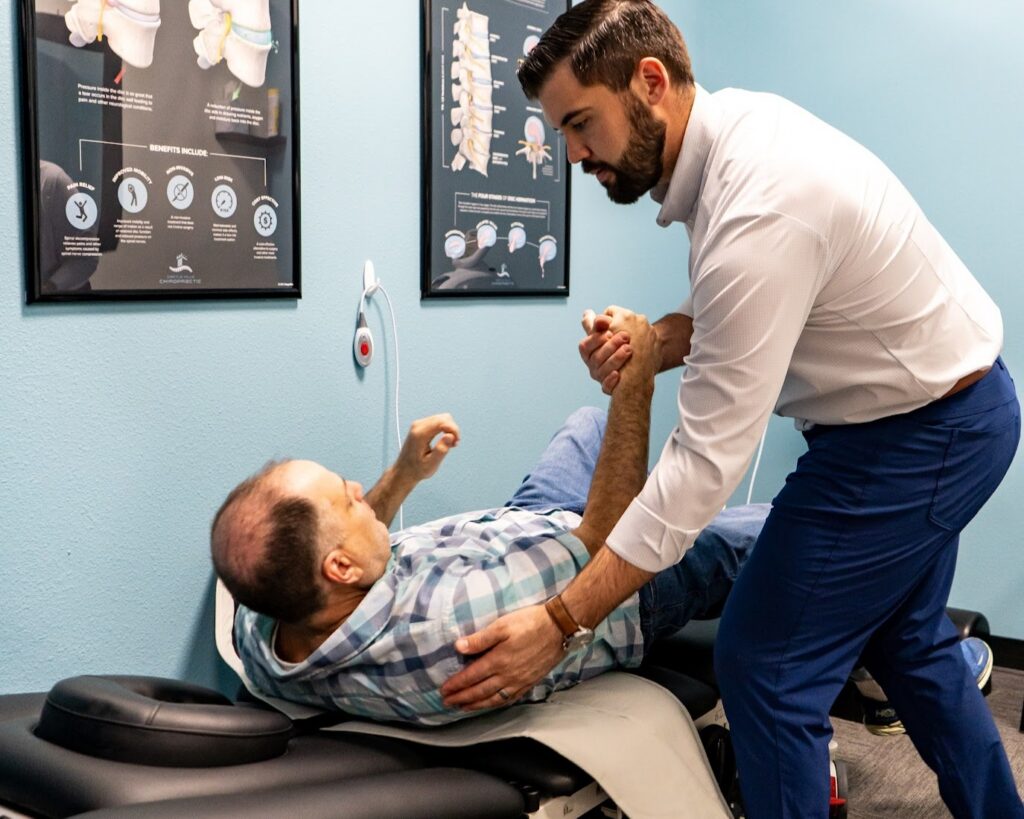

As a local chiropractor, I want to reassure you that if you’re dealing with chronic neck pain, you’re definitely not alone. This is a common issue that many people experience, often stemming from poor posture or insufficient movement in daily life. Fortunately, simple adjustments can lead to significant improvements in your comfort and overall well-being.
Let’s delve into a few key strategies that can help you manage your neck pain more effectively. First, focusing on your posture is crucial. Many of us spend hours hunched over screens or in positions that strain the neck. By being mindful of your posture, you can alleviate some of that tension.
Next, incorporating specific exercises into your routine can also help. Gentle stretches and strengthening exercises can promote flexibility and support the muscles around your neck. I can guide you through exercises tailored to your needs during our sessions.
Finally, don’t underestimate the power of relaxation techniques. Stress can contribute to muscle tension, so practices like deep breathing, yoga, or mindfulness can be incredibly beneficial. Together, we can explore these strategies to create a holistic approach to managing your neck pain and improving your quality of life. Remember, chiropractic care offers natural healing options that can complement these strategies and provide you with relief.
Improve Your Posture
As your local chiropractor, I want to emphasize how crucial it’s to improve your posture, especially if you’re dealing with chronic neck pain. Many people don’t realize that slouching or hunching can place unnecessary strain on your neck muscles. That’s why it’s essential to be aware of your body alignment throughout the day.
When sitting, aim to maintain a straight back and relaxed shoulders, with your feet flat on the floor. It’s beneficial to adjust your chair height so that your computer screen is at eye level, which helps prevent you from tilting your head forward.
While standing, distribute your weight evenly across both feet and engage your core muscles to provide better support for your spine.
For activities like reading or using your phone, try to hold your devices at eye level to avoid craning your neck. If you find yourself working at a desk for extended periods, make it a point to take regular breaks. These breaks allow you to stretch and realign your posture, which is essential for reducing tension in your neck.
I also recommend considering ergonomic furniture, as it can significantly promote healthier posture.
Incorporate Neck Exercises
As a local chiropractor, I want to share some valuable insights on how incorporating neck exercises into your daily routine can greatly assist in managing chronic neck pain. Many people are unaware of the profound impact that simple stretches and strengthening exercises can have in improving flexibility and reducing tension in the neck area.
To begin, I recommend starting with gentle neck tilts. Slowly tilt your head side to side and then forward and backward. This helps to loosen tight muscles. Hold each position for about 15 seconds and repeat several times throughout the day. This simple practice can create a noticeable difference in how your neck feels.
Another effective technique is shoulder rolls. Raise your shoulders toward your ears, then roll them back and down in a circular motion. Aim for 10 repetitions in each direction. This exercise can alleviate stiffness and promote better circulation in the shoulder and neck regions.
Strengthening your neck is equally important. Consider incorporating isometric exercises, which involve pushing your head against your hands without any actual movement. This helps to build neck strength and stability.
I can’t emphasize enough the importance of consistency. Dedicate about 5 to 10 minutes each day to these exercises. Over time, you’ll likely notice improved mobility and a reduction in pain, enabling you to manage your chronic neck discomfort more effectively.
Explore Relaxation Techniques
As a chiropractor, I want to emphasize that while physical exercises are important for managing chronic neck pain, exploring relaxation techniques is equally vital for your healing journey. Relaxation plays a crucial role in reducing muscle tension, which can significantly alleviate pain.
I encourage you to start with deep breathing exercises. Simply inhale slowly through your nose, hold for a moment, and then exhale gently through your mouth. This straightforward method can help calm both your mind and body, making it an excellent addition to your daily routine.
Incorporating mindfulness or meditation can also be beneficial. Try to set aside a few minutes each day to sit quietly, focusing solely on your breath while letting go of any racing thoughts. This practice can help you cultivate a sense of inner peace, which is essential in managing pain.
Gentle yoga is another wonderful option to consider. It promotes flexibility and relaxation, while also easing muscle tension. Many of my patients have found that regular yoga practice enhances their overall well-being.
Another effective technique is progressive muscle relaxation. This involves tensing each muscle group for a few seconds and then releasing that tension. This method not only increases your awareness of muscle tightness but also fosters deep relaxation.
Conclusion
As a local chiropractor, I want to share with you some effective strategies for managing chronic neck pain through natural healing methods. It’s essential to pay attention to your posture throughout the day, especially when sitting at a desk or using electronic devices. This can help alleviate unnecessary strain on your neck.
Incorporating gentle neck exercises into your daily routine can also be beneficial. Simple stretches can improve flexibility and reduce tension in the muscles surrounding your neck. Additionally, exploring various relaxation techniques, such as deep breathing or mindfulness, can contribute to reducing stress, which often exacerbates pain.
Don’t forget to evaluate your workspace ergonomics; ensuring that your computer screen is at eye level and that you’re using a supportive chair can make a significant difference. Remember to take regular breaks to stretch and move around, as staying in one position for too long can lead to stiffness and discomfort.
If you’re unsure about how to implement these changes or need tailored advice, please don’t hesitate to reach out for a consultation. Staying committed to these practices will lead to a healthier, more comfortable neck, and I’m here to help guide you on this journey. Your well-being is my priority!