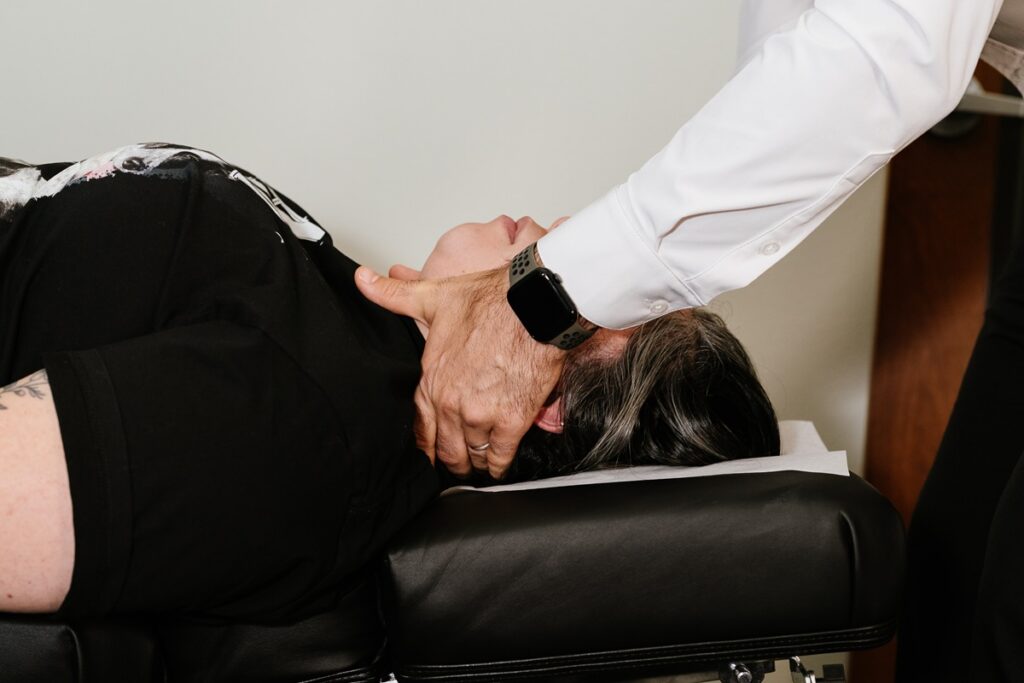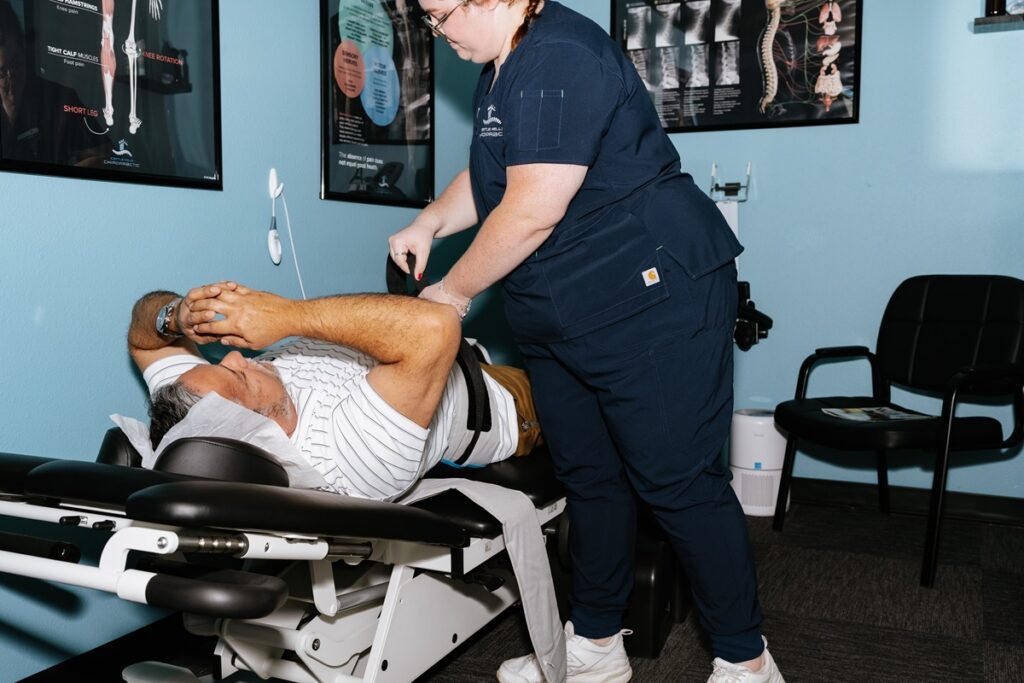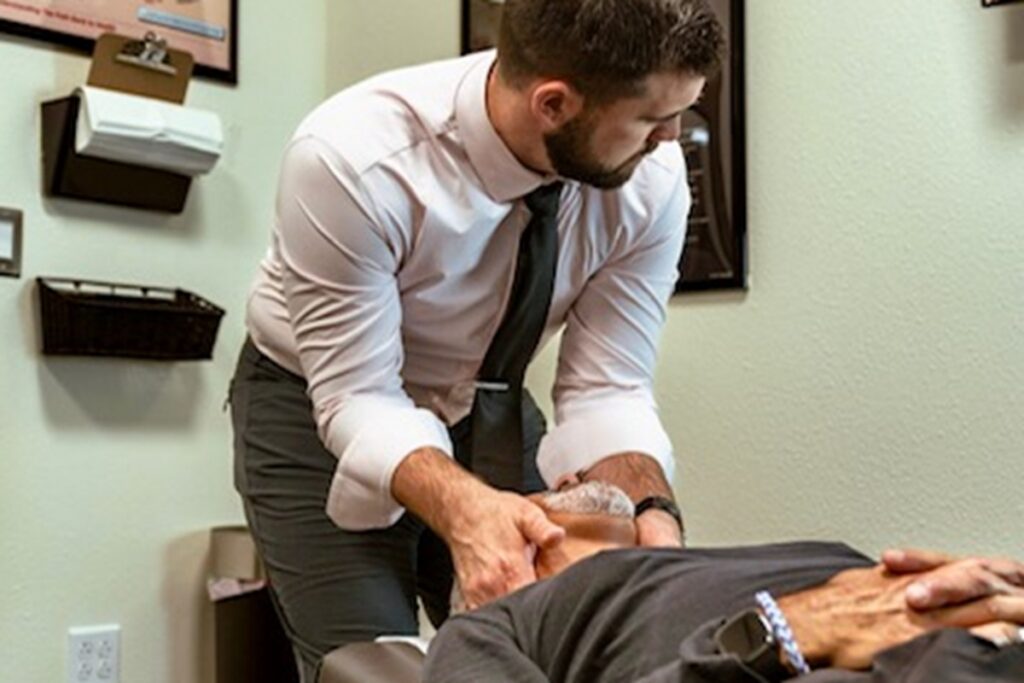

Low back discomfort can be a persistent challenge, impacting your daily life and productivity. As a local chiropractor, I understand how frustrating this can be. However, I want to share with you that simple adjustments to your posture and movement can make a remarkable difference. By exploring effective chiropractic techniques, you can alleviate pain and enhance your overall well-being.
Chiropractic care focuses on spinal health and natural healing, helping to restore balance and function to your body. One of the best ways to manage low back discomfort is through regular chiropractic adjustments. These adjustments help to realign the spine, reduce tension, and improve mobility, allowing your body to heal naturally.
In addition to chiropractic care, here are some practical tips you can incorporate into your daily routine:
- Practice Good Posture: Whether you’re sitting at a desk or standing, maintaining good posture can prevent strain on your back. Keep your shoulders back and your spine straight.
- Stay Active: Gentle exercises like walking, stretching, and low-impact activities can strengthen your back muscles and improve flexibility, making you less prone to discomfort.
- Mind Your Lifting: Always lift heavy objects with your legs, not your back. Bend at the knees, keep the object close to your body, and avoid twisting while lifting.
- Use Supportive Seating: If you spend long hours sitting, invest in a chair that provides proper lumbar support to help maintain your spine’s natural curve.
- Incorporate Regular Stretching: Simple stretches can help relieve tension in your back. Try gentle stretches targeting the lower back and hips every day.
- Stay Hydrated: Drinking plenty of water supports overall health and helps keep your spinal discs hydrated.
- Consider Chiropractic Care: Regular visits to a chiropractor can help maintain spinal alignment, reduce pain, and promote a healthier lifestyle.
If you’re curious about how to regain comfort and mobility, I encourage you to explore chiropractic care as a holistic solution for your low back discomfort. Together, we can uncover practical solutions to help you live a healthier, pain-free life. Remember, your spine is the foundation of your health—let’s take care of it!
Key Takeaways
- To alleviate low back discomfort, it’s essential to maintain good posture. Keep your back straight and shoulders back while sitting or standing. This simple adjustment can significantly reduce strain on your lower back and promote overall spinal health.
- Incorporating regular movement into your day is crucial. Try to take short breaks to stretch or go for brief walks. This not only prevents stiffness but also encourages blood circulation, which is vital for a healthy spine.
- Make ergonomic adjustments to your workspace. Ensure your chair is at the right height and your monitor is at eye level. Proper support for your spine can make a world of difference in reducing discomfort and promoting a healthier working environment.
- Stress can take a toll on your back health. Practice stress management techniques like deep breathing and mindfulness meditation. These practices help relax your muscles and alleviate tension that may contribute to back pain.
- If you’ve been experiencing discomfort for several weeks or if you notice weakness, numbness, or pain after an injury, it’s important to seek a chiropractic evaluation. Our approach focuses on natural healing through spinal adjustments and holistic care, which can effectively address your pain and improve your overall well-being.
Remember, chiropractic care is a safe and natural option for achieving optimal health and wellness. Let’s work together to find the best solutions for your back health!
Understanding Low Back Discomfort
Low back discomfort is a common issue that affects millions of people, often resulting from factors like muscle strain, poor posture, or underlying health conditions. You might feel this discomfort as a dull ache, a sharp pain, or stiffness that often becomes more pronounced after sitting or standing for long periods. Understanding the source of your discomfort is key to finding effective relief.
For example, if you’ve recently lifted something heavy or pushed yourself during a workout, muscle strain could be the culprit. On the other hand, if you spend hours hunched over a computer, poor posture may be contributing to your pain. And let’s not forget about underlying conditions like herniated discs or arthritis that can also play a role.
As a chiropractor, I believe that understanding your low back discomfort is the first step toward healing. Chiropractic care focuses on diagnosing and treating the root cause of your pain rather than just masking the symptoms. Through gentle adjustments and personalized treatment plans, we can help restore proper alignment to your spine, which is crucial for your overall health and well-being.
Here are some practical tips to help you manage your low back discomfort:
- Maintain Good Posture: Sit and stand with your back straight and your shoulders back. This can significantly reduce strain on your back.
- Stay Active: Regular movement is essential. Simple activities like walking or stretching can help keep your spine healthy.
- Strengthen Your Core: A strong core supports your spine. Incorporate exercises that focus on your abdominal and back muscles into your routine.
- Use Ergonomic Furniture: If you work at a desk, ensure your chair and desk are set up to promote good posture and reduce strain on your back.
- Listen to Your Body: If you feel discomfort, don’t push through it. Take breaks and give your body the rest it needs.
Importance of Proper Posture
Maintaining proper posture is crucial for avoiding low back discomfort, and as a chiropractor, I can assure you that it plays a significant role in your overall health and wellness. Understanding desk ergonomics, using correct sitting techniques, and following guidelines for standing posture are key elements that can make a world of difference in how you feel each day.
Let’s break it down:
- Desk Ergonomics: Make sure your workspace is set up to support your spine. Your computer screen should be at eye level, and your chair should support your lower back. This simple adjustment can help keep your spine aligned, reducing strain and discomfort.
- Sitting Techniques: When seated, keep your feet flat on the ground and your knees at a right angle. Use a cushion or lumbar roll to support the natural curve of your lower back. This not only enhances comfort but also promotes better posture while you work.
- Standing Posture Guidelines: When standing, distribute your weight evenly on both feet and keep your shoulders back. Engaging your core muscles can provide extra support for your spine. Remember to take breaks to stretch and move around to keep your body flexible.
Chiropractic care is an excellent way to ensure your spine stays in optimal alignment. Regular adjustments can help alleviate pain and prevent discomfort from poor posture.
Desk Ergonomics Essentials
As a local chiropractor, I want to emphasize the importance of proper desk ergonomics for your overall health and well-being. The way you sit at your desk can significantly affect your comfort and spinal health. By making a few adjustments, you can reduce strain on your back and enhance productivity, while also supporting your body’s natural healing processes.
Here are some essential tips to keep in mind:
- Chair height: Make sure your chair is adjusted so that your feet are flat on the floor. This helps maintain a healthy posture and takes pressure off your lower back.
- Monitor level: Position your monitor at eye level. This minimizes neck strain and promotes a more natural alignment of your spine, which is essential for long-term health.
- Keyboard placement: Keep your keyboard close and at a comfortable height. Your elbows should be at about a 90-degree angle to avoid reaching too far, which can lead to discomfort and tension in your shoulders.
- Lumbar support: Consider using a cushion or an ergonomic chair that provides support for your lower back. Proper lumbar support helps maintain the natural curve of your spine, reducing the risk of pain and discomfort.
By incorporating these simple changes into your workspace, you can create a healthier environment that supports your spine and overall wellness.
Correct Sitting Techniques
Proper sitting techniques are essential for maintaining good posture and supporting your spinal health. As a local chiropractor, I want to share some simple tips to help you sit correctly and feel your best.
Start by keeping your feet flat on the floor or on a footrest, ensuring that your knees are at or just below hip level. This position helps to align your spine and reduces strain on your lower back. If your chair doesn’t provide adequate lower back support, consider using a cushion to help maintain that natural curve in your spine.
When you sit back in your chair, aim to keep your back straight and your shoulders relaxed. Avoid slouching, as this can lead to discomfort over time. Your elbows should form a 90-degree angle when typing, with your wrists floating just above the keyboard to minimize strain.
It’s also important to position your computer screen at eye level. This prevents neck strain and encourages a more comfortable sitting posture. Remember to take regular breaks—stand up, stretch, and move around to relieve tension and promote better circulation. This simple habit can make a significant difference in how you feel throughout the day.
Incorporating these habits into your daily routine can help you reduce discomfort and improve your overall well-being. If you’re experiencing pain or discomfort, consider visiting a chiropractor for natural and effective pain relief. Chiropractic care focuses on aligning the spine and improving your body’s natural ability to heal, making it a great choice for achieving optimal health and wellness.
Standing Posture Guidelines
Maintaining good posture while standing is crucial for your overall health and well-being, and as a chiropractor, I can’t stress enough how it supports your body’s alignment and helps prevent discomfort, especially in your lower back. Proper standing posture not only enhances your physical comfort but also promotes natural healing and wellness.
Here are some simple guidelines to keep in mind for optimal standing posture:
- Weight Distribution: Make sure to distribute your weight evenly on both feet. This balance reduces strain on your spine and helps maintain a healthy posture.
- Knee Position: Keep your knees slightly bent. Locking your knees can lead to tension and discomfort, so a gentle bend allows for better circulation and support.
- Alignment: Aim to align your ears, shoulders, and hips in a straight line. This alignment is key to reducing stress on your spine and preventing pain.
- Core Engagement: Engage your core muscles. A strong core provides extra support to your spine, making it easier to maintain good posture throughout the day.
By following these simple tips, you can help keep your spine healthy and promote a natural, pain-free lifestyle. Remember, chiropractic care is a fantastic way to ensure your body is functioning at its best, providing you with the relief and support you need for optimal health.
Embracing these habits not only enhances your posture but also supports your journey toward natural wellness and healing.
Stretching Exercises for Relief
Incorporating stretching exercises into your daily routine can be a natural and effective way to alleviate low back discomfort. These stretches not only promote flexibility but also help reduce tension and improve blood circulation, which can significantly ease your pain. As a chiropractor, I always emphasize the importance of movement and stretching as part of a holistic approach to health. Here are some simple stretches you can add to your routine:
| Stretch Name | Target Area | Duration |
|---|---|---|
| Cat-Cow Stretch | Spine and hips | 30 seconds |
| Child’s Pose | Lower back | 30-60 seconds |
| Seated Forward Bend | Hamstrings and back | 30 seconds |
| Knee-to-Chest Stretch | Lower back | 30-60 seconds |
When performing these stretches, remember to move slowly and gently, allowing your body to feel the stretch. It’s important to hold each position for a few seconds to really benefit from the release of tension. Consistency is key; aim to include these stretches in your routine at least once a day. Over time, you should notice improved flexibility and a reduction in discomfort, making your daily activities more enjoyable.
Additionally, it’s beneficial to maintain good posture throughout the day and to stay active with regular physical activities that suit your lifestyle. These practices complement chiropractic care, enhancing your overall health and well-being. By prioritizing natural methods like stretching and chiropractic adjustments, you can achieve optimal health and a pain-free life. Always remember to listen to your body, and if you’re experiencing persistent discomfort, consider seeing a chiropractor for personalized care.
Strengthening Your Core
Strengthening Your Core for Spinal Health
As a chiropractor, I want to emphasize that while stretching is vital for alleviating low back pain, strengthening your core is just as crucial for long-term support and stability. A strong core not only stabilizes your spine but also reduces strain on your lower back and enhances your posture. By focusing on core strength, you can help maintain a healthy spine and improve your overall wellness.
Here are some effective core-strengthening exercises that can easily be added to your routine:
- Planks: This exercise engages your entire core. Simply hold a plank position, keeping your body straight from head to heels. Start with 20-30 seconds and gradually increase your time as you get stronger.
- Bridges: Lying on your back with your knees bent, lift your hips off the ground while squeezing your glutes. This strengthens your lower back and glute muscles, supporting spinal health.
- Dead Bugs: Lie on your back with your arms extended towards the ceiling and your knees bent at 90 degrees. Slowly extend one arm and the opposite leg while keeping your back flat on the ground. This movement enhances coordination and core strength.
- Russian Twists: Sit with your knees bent and lean back slightly. With your hands together, twist your torso side to side. This exercise engages your obliques and helps improve rotational stability.
Incorporating these exercises into your weekly routine will help build a solid foundation for your core, promoting better movement and reducing the risk of future discomfort.
Remember, a strong core supports a healthy spine, and that’s where chiropractic care comes in. Regular chiropractic adjustments can help align your spine, allowing for optimal function and healing.
Give your core the attention it deserves, and consider visiting your chiropractor to learn more about how to maintain spinal health and wellness naturally. Together, we can work towards achieving your health goals without the need for medications or invasive procedures.
Ergonomic Adjustments at Home and Work
Making ergonomic adjustments in your home and workspace is a crucial step towards alleviating low back discomfort and promoting overall spinal health. As a chiropractor, I encourage you to start by optimizing your desk setup and selecting a chair that provides the right support for your posture. A chair with good lumbar support can help maintain the natural curve of your spine, reducing strain on your back.
Throughout your day, be mindful of your posture. This simple awareness can make a significant difference in how you feel. Remember to take regular breaks to stand up, stretch, and move around—this can help prevent stiffness and improve circulation.
In addition to ergonomic adjustments, consider incorporating chiropractic care into your health routine. Regular chiropractic adjustments can help ensure that your spine is aligned properly, which is essential for optimal health and wellness. Chiropractic care focuses on natural healing and can provide effective pain relief without the need for medications or surgeries.
Here are a few simple tips for creating a healthier environment at home and work:
- Chair Height: Ensure your chair is adjusted so your feet rest flat on the floor and your knees are at a right angle.
- Monitor Position: Keep your computer monitor at eye level to avoid straining your neck.
- Keyboard and Mouse Placement: Position these tools so that your wrists are straight and your elbows are close to your body.
- Take Breaks: Set a timer to remind yourself to stand and stretch every hour.
Desk Setup Optimization
As a local chiropractor, I want to emphasize the importance of optimizing your desk setup to alleviate low back discomfort and promote overall spinal health. Maintaining good posture during long hours of work is crucial for your well-being.
Here are some simple adjustments you can make to support your body’s natural alignment:
- Monitor Height: Position your monitor at eye level. This helps reduce neck strain and promotes a neutral spine, enhancing your comfort throughout the day.
- Keyboard and Mouse Position: Keep your keyboard and mouse close to your body. This prevents unnecessary reaching and encourages proper arm positioning, reducing the risk of strains.
- Foot Placement: Ensure your feet rest flat on the ground or on a footrest. This helps maintain stability and supports the natural curve of your lower back.
- Chair Height: Adjust your chair so that your elbows are at a 90-degree angle when using your keyboard. This alignment helps reduce tension in your shoulders and upper back.
Remember, chiropractic care is an excellent option for addressing pain and discomfort. Regular adjustments can help maintain proper spinal alignment and enhance your overall health.
If you’re experiencing ongoing discomfort, consider reaching out to a chiropractor for a personalized assessment and treatment plan. By incorporating these simple desk setup tips and prioritizing your spinal health, you can achieve a more comfortable and productive work environment.
Chair Selection Importance
Choosing the right chair is crucial for creating an ergonomic workspace that supports your spine and enhances your overall comfort. A well-designed chair can play a significant role in your health and wellness.
Look for a chair with adjustable features, allowing you to customize its height, backrest angle, and lumbar support to fit your unique body shape. This customization is essential for maintaining good posture, which helps alleviate strain on your lower back.
When selecting a chair, prioritize adequate cushioning and breathable materials. This will ensure that you remain comfortable during long hours of sitting. A supportive chair encourages you to sit properly, which can significantly reduce the risk of developing back pain and discomfort over time.
As a chiropractor, I emphasize the importance of testing a chair before making a purchase. Take the time to see how it aligns with your body and whether it provides the necessary support. Remember, investing in a quality chair isn’t just about comfort; it’s also about promoting productivity and protecting your spinal health.
In addition to choosing the right chair, here are a few tips to enhance your workspace and support your overall wellness:
- Take Breaks: Stand up and stretch regularly to prevent stiffness and promote circulation.
- Mind Your Posture: Sit all the way back in your chair with your feet flat on the floor and your knees at a right angle.
- Stay Hydrated: Drinking water throughout the day can help maintain your energy levels and support overall health.
- Consider Regular Chiropractic Care: Regular visits to a chiropractor can help keep your spine healthy and aligned, improving your overall well-being.
Posture Awareness Techniques
As a local chiropractor, I want to emphasize how crucial good posture is for your overall health and well-being, whether you’re at home or in the workplace.
Maintaining proper posture can significantly alleviate low back discomfort and enhance your quality of life.
Here are some simple techniques to improve your posture awareness:
- Adjust your chair height: It’s essential to ensure that your feet rest flat on the floor, and your knees are at a right angle. This supports your spine and helps prevent strain.
- Use lumbar support: Placing a cushion or a rolled towel behind your lower back can help maintain its natural curve. This small adjustment can make a big difference in your comfort.
- Position your screen at eye level: Keeping your computer screen at eye level helps align your neck and prevents slouching, which can lead to pain and discomfort.
- Take breaks to stretch: Make it a habit to stand up, walk around, and do some simple stretches every hour. This practice helps relieve built-up tension and refreshes your body.
Incorporating these tips into your daily routine can enhance your posture and overall spinal health.
Remember, chiropractic care is a natural approach to achieving optimal health and can provide effective pain relief without the need for surgeries or medications.
If you’re experiencing discomfort, consider visiting a chiropractor for personalized care tailored to your needs.
Your spine deserves the best!
Incorporating Movement Into Your Day
Incorporating movement into your daily routine is essential for reducing low back discomfort, and I’m here to share how you can do this effectively. As a chiropractor, I see firsthand how simple changes can lead to significant improvements in your overall health and wellness.
Every little action counts! Standing up to stretch or taking a quick walk every hour can work wonders for your back. If you spend long hours at a desk, consider switching to a standing desk or setting a timer to remind you to take short breaks for a quick stroll. These small movements aren’t just about getting up; they promote healthy blood circulation, keep your muscles active, and help prevent stiffness.
In addition to these simple movements, incorporating gentle exercises like yoga or tai chi into your daily routine can be incredibly beneficial. These practices are fantastic for enhancing flexibility and strengthening your core, which is crucial for providing better support to your spine.
At home, staying active can be as easy as doing household chores or even letting loose and dancing to your favorite tunes. Every bit of movement contributes to your overall well-being and can help manage pain naturally.
Stress Management Techniques
Managing stress is crucial not only for your mental well-being but also for alleviating low back discomfort. When stress takes hold, it can cause your body to tense up, which may worsen any existing pain you might be experiencing.
As a chiropractor dedicated to your health and wellness, I want to share some effective stress management techniques that can help you find relief and promote natural healing.
- Deep Breathing: Incorporate slow, deep breaths into your daily routine. This simple practice helps calm your mind and relax your muscles, making it easier for your spine to maintain its natural alignment.
- Mindfulness Meditation: Dedicate a few minutes each day to focus on the present moment. This technique can help reduce anxiety and improve your overall sense of well-being, supporting your journey towards optimal health.
- Progressive Muscle Relaxation: Try tensing and then relaxing different muscle groups in your body. This practice can help release built-up tension and promote better spinal health by encouraging your body to relax fully.
- Physical Activity: Regular exercise, including simple stretches, is essential for boosting endorphins and relieving stress. Engaging in physical activity not only helps your body stay fit but also supports healthy spine function.
By incorporating these techniques into your daily life, you can effectively manage stress and support your body’s natural healing processes.
When to Seek Professional Help
Knowing when to seek professional help for low back discomfort is crucial for your recovery and overall well-being. If your pain lingers for more than a few weeks despite trying self-care measures, it’s a good idea to reach out to a chiropractor. Ignoring symptoms like weakness, numbness, or tingling in your legs can lead to more serious issues, so don’t hesitate to get checked out. If your discomfort follows an injury, a fall, or an accident, it’s important to consult a professional as soon as possible.
Additionally, if your low back pain interferes with your daily activities or disrupts your sleep, a chiropractic evaluation is essential. Chiropractors specialize in understanding how your spine affects your overall health and can provide tailored treatments to alleviate pain and promote natural healing.
Trust your instincts—if something doesn’t feel right, it’s better to be proactive. Your chiropractor will assess your situation, recommend appropriate adjustments, and help you understand the root cause of your discomfort. Remember, addressing low back issues early can prevent complications and help you return to your daily routine faster.
Here are some general tips to help manage your low back discomfort at home:
- Practice Good Posture: Maintain proper posture while sitting, standing, and lifting to reduce strain on your back.
- Stay Active: Gentle movement and stretching can help keep your back flexible and strong. Simple exercises like walking or yoga can be beneficial.
- Use Heat or Cold Therapy: Applying a heat pack or ice can help relieve discomfort and reduce inflammation.
- Strengthen Your Core: Engaging in exercises that strengthen your core can provide better support for your spine.
Conclusion
To effectively manage low back discomfort, it’s important to embrace a holistic approach that emphasizes the significance of spinal health. Chiropractic care stands out as an excellent choice for pain relief and promoting overall wellness. By focusing on proper posture, regular movement, and specific exercises, you can significantly alleviate pain and enhance your quality of life.
Incorporating gentle stretching and strengthening routines into your daily activities can yield remarkable benefits. Simple exercises like pelvic tilts, cat-cow stretches, and gentle back extensions can help maintain spinal flexibility and strength. Remember, the health of your spine is essential for your overall well-being!
Additionally, it’s crucial to ensure that your workspace is ergonomically designed. This means adjusting your chair, desk, and computer screen to support your spine while you work. Small changes can make a big difference in how you feel throughout the day.
Stress management techniques, such as deep breathing, mindfulness, and meditation, can also play a vital role in reducing tension in your back. Stress can contribute to muscle tightness, so finding ways to relax is key.
If your discomfort persists or worsens, seeking professional chiropractic care is the best next step. A chiropractor can assess your condition and provide tailored treatments to help restore proper spinal alignment and function, promoting natural healing.
Taking care of your back is a lifelong journey, and with the right tools and support, you can achieve optimal health and wellness. Your back will thank you for it!