
As a local chiropractor, I often see patients who are looking for relief from lower back pain and may be unsure about the options available to them. While many people immediately think of traditional treatments like medication or physical therapy, I want to share some surprising methods that can provide significant relief without solely relying on these approaches.
One effective strategy is incorporating mindfulness practices into your daily routine. Mindfulness can help you manage pain by promoting relaxation and reducing stress, which may contribute to your discomfort. Additionally, gentle yoga can be incredibly beneficial for improving flexibility and strengthening the muscles that support your spine.
Another alternative that I highly recommend is the use of essential oils. Certain oils, such as peppermint and lavender, have properties that can help alleviate pain and promote relaxation. When combined with other holistic practices, these natural remedies can enhance your overall well-being.
By exploring these alternative strategies, you may find a new way to manage your lower back pain effectively. As your chiropractor, I’m here to help you discover the best combination of treatments tailored to your needs, potentially changing how you approach your discomfort for the long term. Let’s work together to find the right solutions for you.
Embracing Mindfulness and Meditation
As a chiropractor, I understand that managing lower back pain can often feel overwhelming for many of my patients. However, I want to introduce you to the powerful benefits of incorporating mindfulness and meditation into your pain management routine. By focusing your attention on the present moment, you can cultivate a sense of calm that significantly reduces stress and tension in your body, which is essential for healing.
Instead of solely concentrating on your discomfort, I encourage you to redirect your thoughts towards your breath. This simple practice allows you to create space for relaxation and helps in alleviating some of the pressure you may feel in your lower back.
Setting aside just a few minutes each day for mindfulness practice can truly transform your experience with pain. Consider trying guided meditations that are specifically designed for pain management, or simply sit quietly, allowing yourself to observe your thoughts without any judgment.
Additionally, techniques such as body scans can enhance your awareness of different areas of your body, fostering acceptance and connection, which are vital in the healing process.
Integrating mindfulness and meditation into your daily routine can empower you to manage your lower back pain more effectively and improve your overall well-being. As your chiropractor, I’m here to support you in exploring these natural healing methods alongside your chiropractic care for a more holistic approach to your health.
The Power of Gentle Yoga and Stretching
As a local chiropractor, I want to share how gentle yoga and stretching can be powerful allies in managing lower back pain, especially when used in conjunction with chiropractic care.
These practices not only help improve flexibility but also strengthen your muscles and promote relaxation, all of which are essential for alleviating pain.
Here are four key benefits you can expect to experience:
- Increased Flexibility: Engaging in regular stretching can help lengthen tight muscles, which reduces discomfort and enhances your overall range of motion. This can make daily activities much easier and more enjoyable.
- Strengthened Core: Many yoga poses specifically target your core muscles. By strengthening this area, you provide better support for your lower back, which can lead to improved posture and reduced strain on your spine.
- Stress Reduction: The mindful approach of yoga encourages a state of relaxation. This can help alleviate tension not only in your back but also throughout your entire body, reducing overall stress levels that often contribute to pain.
- Improved Circulation: Practicing yoga enhances blood flow to the muscles and tissues in your back. This increased circulation promotes healing and can significantly reduce pain over time.
I encourage you to incorporate gentle yoga and stretching into your routine.
You may be surprised at how positively it can impact your lower back pain, especially when combined with the benefits of chiropractic adjustments.
Together, we can work towards a healthier, pain-free life!
Incorporating Essential Oils Into Your Routine
As a local chiropractor, I often encourage my patients to explore natural methods for managing lower back pain, and incorporating essential oils into your daily routine can be a wonderful option. Oils such as lavender, peppermint, and eucalyptus are renowned for their soothing properties and can enhance your pain relief efforts.
One easy way to integrate these oils is by adding a few drops to a warm bath, which can provide both relaxation and relief. Alternatively, using a diffuser in your living space can fill the air with calming scents that promote a sense of well-being.
For those interested in topical application, I recommend mixing essential oils with a carrier oil—coconut or jojoba oil works well—and gently massaging the blend into your lower back. This technique not only alleviates pain but also encourages relaxation, which is vital for overall healing.
Another effective method is using a compress; simply soak a cloth with your chosen essential oil blend, apply it to the affected area, and let it work its magic.
As always, it’s important to perform a patch test before trying any new oil to ensure you don’t have a negative reaction. With consistent use, essential oils can serve as a fantastic addition to your pain relief strategy, complementing the chiropractic care I provide.
Exploring Acupuncture for Pain Relief
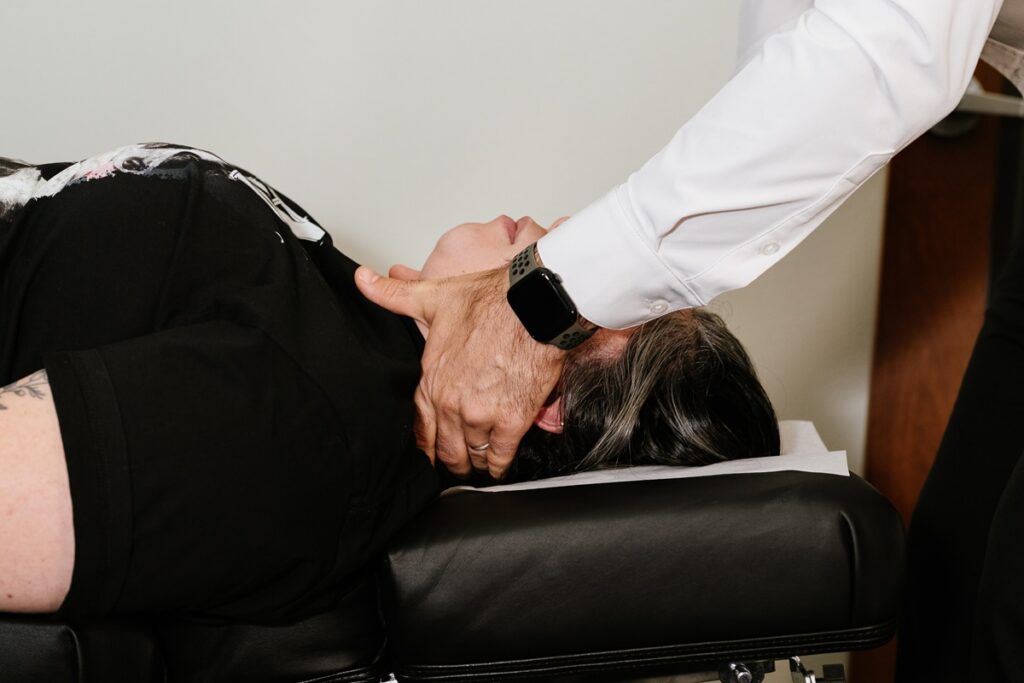
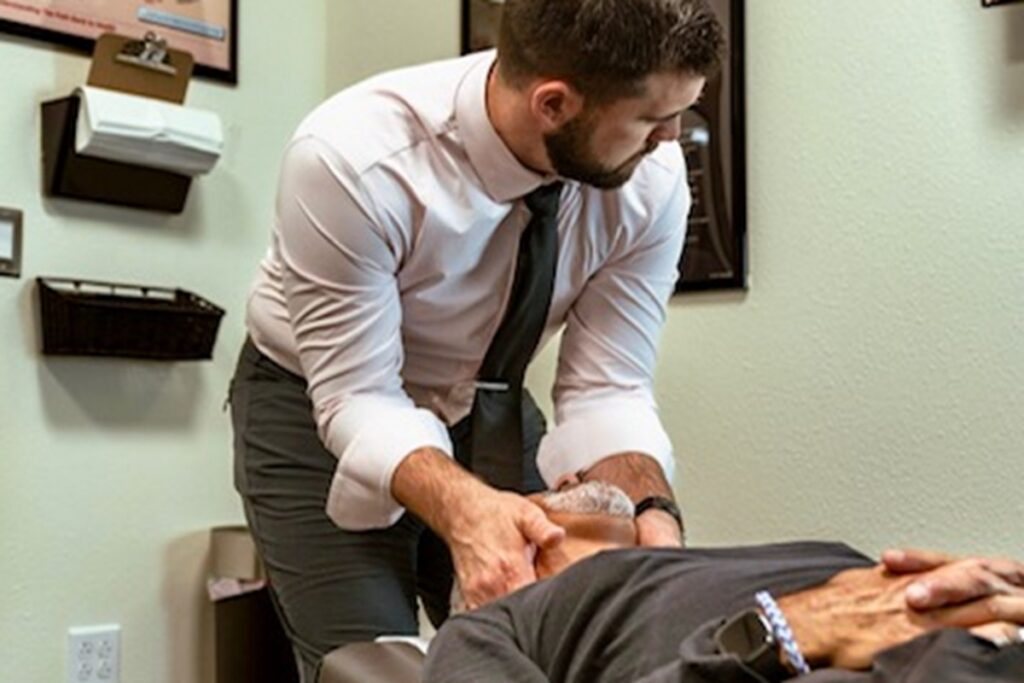
If you’re looking for natural ways to manage lower back pain, I encourage you to consider chiropractic care as a holistic approach. Chiropractic therapy focuses on the musculoskeletal system and aims to restore proper alignment and function to relieve pain and enhance overall well-being.
Here are four reasons why chiropractic care might be the right choice for you:
- Pain Relief: Chiropractic adjustments can help alleviate pain by addressing misalignments in the spine, which may be contributing to discomfort.
- Muscle Tension Reduction: Our techniques can relieve tension in tight muscles, promoting relaxation and a greater range of motion.
- Enhanced Blood Flow: Proper spinal alignment can improve circulation, which is crucial for healing and overall health in the affected areas.
- Stress Management: Chiropractic care not only addresses physical pain but also helps reduce stress levels, which can have a significant impact on your overall pain experience.
Before starting any treatment, I recommend scheduling a consultation to discuss your specific needs and ensure a safe and effective care plan tailored just for you.
Chiropractic care could be a beneficial approach to alleviating your lower back pain and improving your quality of life.
The Benefits of Heat and Cold Therapy
As a local chiropractor, I want to share with you the benefits of heat and cold therapy in managing lower back pain. These methods are effective tools that cater to different symptoms and can greatly enhance your overall healing process.
When you apply heat to your lower back, it works wonders in relaxing tight muscles and enhancing blood circulation. This can significantly ease stiffness and promote healing in the affected area. For chronic pain or tension, using a warm compress or a heating pad can provide soothing relief and help restore mobility.
On the flip side, cold therapy is particularly useful for reducing inflammation and numbing sharp pain. If you’ve recently sustained an injury or are experiencing a flare-up, applying an ice pack can help minimize swelling and deliver much-needed relief.
Many patients find that alternating between heat and cold therapy, depending on their specific symptoms, can yield the best results.
It’s important to remember to protect your skin by using a cloth when applying heat or cold to avoid burns or frostbite. By incorporating these therapies into your routine, you can take a proactive and balanced approach to managing your lower back pain effectively.
As always, if you have questions or need guidance, don’t hesitate to reach out during your visits. Your comfort and health are my top priorities!
Using Ergonomic Furniture and Posture Adjustments
As a local chiropractor, I want to emphasize that while heat and cold therapy can offer immediate relief for lower back pain, it’s crucial to consider your work environment and posture for lasting comfort.
Implementing ergonomic furniture and making simple posture adjustments can significantly alleviate strain on your back. Here are some practical tips to enhance your workspace:
- Invest in an ergonomic chair: Opt for a chair that offers lumbar support, which helps maintain the natural curve of your spine and promotes proper alignment.
- Adjust your desk height: Ensure that your elbows are bent at a 90-degree angle when you’re typing. This adjustment can help minimize tension in your shoulders and back.
- Position your monitor properly: Set the top of your computer screen at eye level to prevent unnecessary strain on your neck and maintain a relaxed posture.
- Incorporate regular breaks: Aim to stand, stretch, or take a brief walk every hour. This practice keeps your muscles engaged and combats stiffness, supporting your overall spinal health.
By making these adjustments in your workspace, you can contribute to your long-term well-being and comfort.
Trying Out Tai Chi for Balance and Strength
As a local chiropractor dedicated to promoting natural healing and overall wellness, I encourage you to consider the transformative benefits of Tai Chi for enhancing your balance and strength. This ancient martial art integrates slow, deliberate movements with deep breathing, fostering a profound connection between your mind and body.
Regular practice of Tai Chi can lead to improved stability and coordination while also building core strength, which is crucial for alleviating lower back pain.
It’s important to note that you don’t need to be fit or flexible to begin; Tai Chi is designed to be accessible for individuals of all ages and fitness levels. The gentle movements encourage relaxation, which can significantly reduce tension in your muscles and joints.
Additionally, focusing on your breath during practice can help calm your mind, contributing to your overall well-being.
I recommend joining a local class or exploring online tutorials to learn the fundamentals of Tai Chi. With patience and consistency, many of my patients have reported significant improvements in their balance and strength, making everyday activities more manageable and enjoyable.
Nutrition’s Role in Reducing Inflammation
As your local chiropractor, I want to share how nutrition plays a crucial role in managing inflammation, especially when it comes to alleviating lower back pain. The foods you choose can either worsen or help reduce inflammation in your body.
By making informed dietary choices, you can aid your body’s natural healing process and improve your overall well-being.
Here are four essential dietary components that can help in reducing inflammation:
- Omega-3 Fatty Acids: These beneficial fats, found in fatty fish like salmon, walnuts, and flaxseeds, are well-known for their anti-inflammatory effects. Including these in your diet can support your body’s healing.
- Fruits and Vegetables: Incorporating a variety of fruits and vegetables, particularly those rich in antioxidants—such as berries, spinach, and kale—can help combat oxidative stress and inflammation, promoting better health.
- Whole Grains: Opt for whole grains like brown rice and quinoa. These foods not only promote a healthy gut but also contribute to reducing inflammation levels in the body.
- Spices: Don’t underestimate the power of spices! Turmeric and ginger contain strong anti-inflammatory compounds that can elevate the nutritional value of your meals while helping to manage inflammation.
By integrating these foods into your diet, you can empower your body to heal and reduce the discomfort associated with lower back pain.
Let’s work together to find the best approach for your health and wellness!
Engaging in Regular Low-Impact Exercise
As a local chiropractor, I want to emphasize the importance of engaging in regular low-impact exercise as a natural way to alleviate lower back pain and improve your overall mobility. Activities such as walking, swimming, and cycling are excellent choices because they place less strain on your joints while still helping you build strength and flexibility.
These exercises are particularly beneficial as they strengthen your core muscles, which play a crucial role in supporting your spine and minimizing discomfort.
Incorporating low-impact workouts into your routine also boosts blood circulation, aiding in the healing of damaged tissues. You don’t have to push yourself to the limit; even short, consistent sessions can lead to remarkable improvements.
Aim for 20-30 minutes of activity a few times a week, and gradually increase the duration and intensity as your body becomes accustomed to it.
Always pay attention to how your body feels; if you experience pain, it’s important to modify your routine. I encourage you to consult with a healthcare professional, such as myself, for personalized recommendations that align with your specific needs.
Conclusion
As a local chiropractor, I want to share with you some surprising methods that can significantly help manage lower back pain. Integrating practices such as mindfulness and gentle yoga into your daily routine can have a profound impact on your overall well-being. Acupuncture, along with the use of essential oils, can also play a vital role in your healing journey.
It’s important to consider ergonomic adjustments in your workspace to support your spine and prevent strain. Additionally, utilizing heat and cold therapy can provide immediate relief and aid in recovery. Activities like Tai Chi can improve flexibility and strength, while maintaining a balanced diet helps to reduce inflammation in the body.
Remember, even small lifestyle changes can lead to substantial improvements in your back health. I encourage you to explore these holistic approaches for a healthier, pain-free back. Together, we can find the best strategies tailored to your needs!