
If you're dealing with fibromyalgia, you might find that traditional treatments often fall short. Exploring holistic care could be a game-changer for you, as it addresses not just physical pain but also emotional and mental well-being. Techniques like mindfulness and gentle movement can offer relief, while nutritional strategies may enhance your overall health. But what specific practices can truly make a difference in your daily life? The answers might surprise you.
Understanding Fibromyalgia
Fibromyalgia is a complex condition that affects millions, causing widespread pain and fatigue. If you're experiencing symptoms like persistent muscle soreness, sleep disturbances, or cognitive issues—often referred to as "fibro fog"—you're not alone. Understanding what fibromyalgia is can greatly impact how you manage its symptoms.
This condition is characterized by amplified pain responses in your body. Your nervous system may process pain signals differently, leading to heightened sensitivity. It's not just about feeling sore; you might also struggle with anxiety, depression, and irritable bowel syndrome. That can make daily tasks feel overwhelming and frustrating.
The exact cause of fibromyalgia remains unclear, but it often develops after physical trauma, surgery, or considerable stress. Genetics may play a role too, as it can run in families. You might find that certain triggers—like weather changes, lack of sleep, or emotional stress—exacerbate your symptoms. Recognizing these triggers is vital for managing your condition.
It's important to note that fibromyalgia doesn't show up on standard medical tests, which can lead to misunderstandings about its legitimacy. You might feel dismissed by healthcare professionals, but it's important to advocate for yourself.
Learning about your condition empowers you to seek the right support and treatment. By understanding the nuances of fibromyalgia, you can take the first step toward finding relief and improving your quality of life.
Importance of Holistic Care
Often overlooked, holistic care plays an important role in managing fibromyalgia symptoms. When you embrace a holistic approach, you're addressing not just the physical aspects of your condition but also the emotional, mental, and social factors that contribute to your overall well-being. This all-encompassing strategy empowers you to take charge of your health in a way that conventional treatments might not.
Integrating holistic care into your routine can enhance your quality of life. It encourages you to explore various therapies, such as acupuncture, massage, and nutritional changes, that can complement medical treatments. By doing this, you're more likely to find methods that resonate with your unique experience of fibromyalgia.
Moreover, holistic care emphasizes the importance of self-care. You're encouraged to listen to your body, recognize your limits, and prioritize rest and relaxation. This awareness can lead to better stress management, which is vital since stress often exacerbates fibromyalgia symptoms.
Community support is another key component of holistic care. Connecting with others who share similar experiences can provide emotional relief and practical advice. It fosters a sense of belonging, reminding you that you're not alone in your journey.
Incorporating holistic practices into your life isn't just about symptom relief; it's about fostering resilience and empowerment. By focusing on the whole person—mind, body, and spirit—you're setting a foundation for improved health and a more fulfilling life despite fibromyalgia's challenges.
Mindfulness and Meditation
Mindfulness and meditation can offer you significant relief from fibromyalgia symptoms.
By practicing mindfulness, you can enhance your awareness and reduce stress, while guided meditation techniques help you focus and relax your mind.
Let's explore how these practices can benefit your overall well-being.
Benefits of Mindfulness Practice
Practicing mindfulness regularly can greatly alleviate the symptoms of fibromyalgia. By focusing your attention on the present moment, you can reduce stress and anxiety, which are known triggers for fibromyalgia flare-ups. Mindfulness helps you develop a heightened awareness of your body, allowing you to recognize pain signals without becoming overwhelmed by them.
Incorporating mindfulness into your daily routine can improve your emotional well-being. You'll find that being more present can lead to a greater sense of control over your thoughts and feelings, helping you respond to challenges with more resilience. Additionally, mindfulness practice fosters a sense of acceptance toward your condition, enabling you to navigate the ups and downs of fibromyalgia with greater ease.
Moreover, practicing mindfulness can enhance your overall quality of life. As you become more attuned to your body, you may discover new ways to manage your symptoms, leading to improved sleep and increased energy levels.
This holistic approach not only addresses pain management but also promotes mental clarity and emotional stability. Ultimately, embracing mindfulness can be a powerful tool in your journey toward relief from fibromyalgia symptoms.
Guided Meditation Techniques
Guided meditation techniques offer effective ways to incorporate mindfulness into your daily routine, especially for managing fibromyalgia symptoms. These techniques can help you focus your mind, reduce stress, and alleviate pain.
One simple technique is to listen to a guided meditation recording. You can find plenty of apps or online resources that provide soothing narratives and calming music, making it easy to follow along.
Start by finding a quiet space where you won't be disturbed. Sit or lie down comfortably, close your eyes, and take deep breaths. As you listen, let go of any distracting thoughts. Focus on the narrator's voice, allowing it to guide you through relaxation and visualization exercises.
Another technique is body scan meditation. This involves concentrating on each part of your body, from your toes to your head, noticing areas of tension and consciously relaxing them.
You can practice these techniques for just a few minutes daily, gradually increasing the duration as you become more comfortable. Over time, you'll likely notice a decrease in anxiety and an improvement in your overall well-being, helping you manage fibromyalgia symptoms more effectively.
Nutritional Approaches
Often, adjusting your diet can play an essential role in managing fibromyalgia symptoms. The foods you choose can either help alleviate discomfort or exacerbate your condition. Focusing on a balanced diet rich in anti-inflammatory foods can make a significant difference in how you feel.
Here are four nutritional approaches to contemplate:
- Incorporate Omega-3 Fatty Acids: Foods like salmon, walnuts, and flaxseeds are high in omega-3s, which can help reduce inflammation and pain. Try to include these in your meals a few times a week.
- Eat Whole Foods: Prioritize whole, unprocessed foods such as fruits, vegetables, whole grains, and lean proteins. These foods are packed with essential nutrients that can support your overall health and energy levels.
- Limit Sugar and Processed Foods: Reducing your intake of sugary snacks and processed foods can help decrease inflammation and fatigue. Instead, opt for healthier alternatives like fruits or nuts to satisfy your cravings.
- Stay Hydrated: Don't underestimate the power of hydration. Drinking plenty of water helps maintain energy levels and can aid in reducing muscle soreness. Aim for at least eight glasses a day, adjusting based on your activity level.
Benefits of Acupuncture
Acupuncture offers a promising avenue for alleviating fibromyalgia symptoms, tapping into the body's natural healing processes. This ancient practice involves inserting thin needles into specific points on your body, promoting balance and stimulating your body's energy flow. Many people find that acupuncture helps to reduce pain, improve sleep quality, and enhance overall mood.
When you undergo acupuncture, your practitioner will likely focus on points that correspond to areas of pain or discomfort. This targeted approach can help relieve muscle tension and reduce inflammation, which are common issues for those living with fibromyalgia. You might notice that your pain diminishes after a session, and regular treatments may lead to more sustained relief.
Moreover, acupuncture can positively influence your mental health. It's been shown to reduce anxiety and depression, which often accompany fibromyalgia. By promoting relaxation and reducing stress, acupuncture helps create a sense of well-being that can be crucial for managing fibromyalgia symptoms.
One of the best things about acupuncture is that it generally has minimal side effects compared to many medications. It's a safe option for many individuals seeking relief without the potential drawbacks of pharmaceuticals.
As you explore holistic care options for fibromyalgia, consider incorporating acupuncture into your routine. You may find that it complements other treatments and greatly enhances your overall quality of life.
Physical Therapy Techniques
When managing fibromyalgia, physical therapy techniques can make a significant difference in your daily life.
You'll find that manual therapy, tailored exercise regimens, and effective pain management strategies can help alleviate your symptoms.
Let's explore how these approaches can empower you to feel better and regain control.
Manual Therapy Benefits
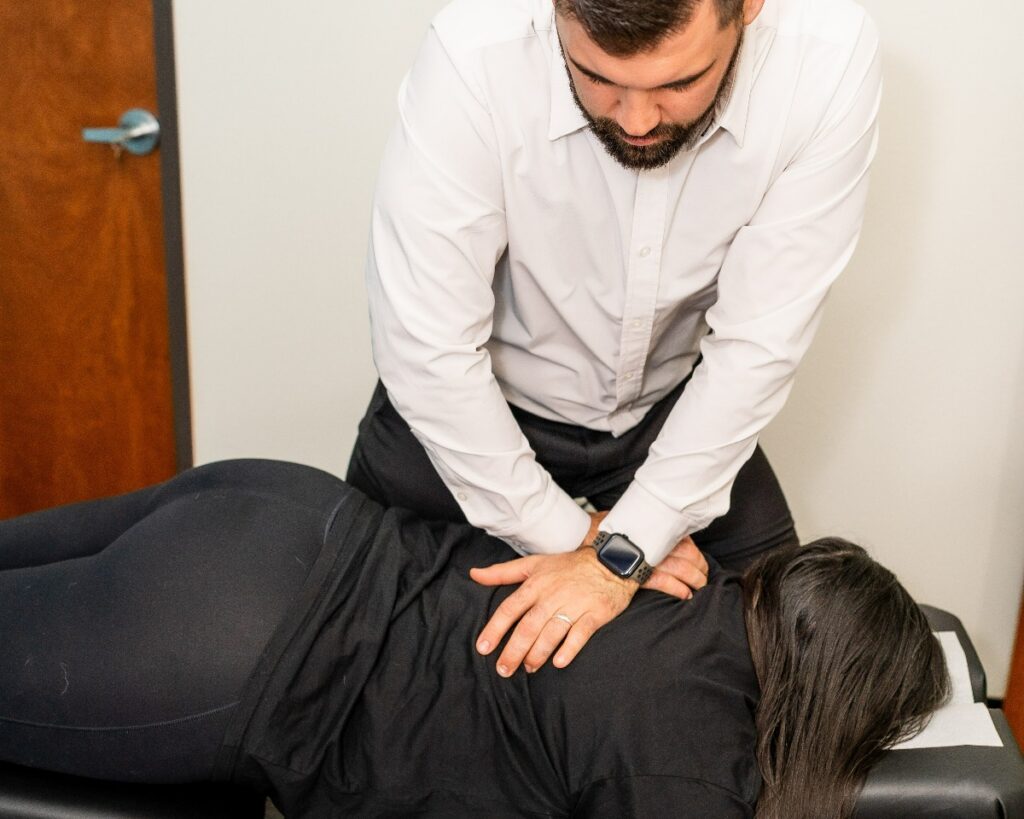
Manual therapy techniques can considerably alleviate fibromyalgia symptoms by targeting muscle tension and improving circulation. When you engage in these hands-on techniques, you may notice significant relief from pain and stiffness.
Here are some benefits you can expect:
- Reduced Pain: Manual therapy can help decrease discomfort by relaxing tight muscles and promoting pain relief.
- Enhanced Mobility: By improving joint function and range of motion, you'll find it easier to move without restriction.
- Improved Circulation: Techniques like massage stimulate blood flow, leading to better oxygenation and nutrient delivery to your muscles, which is essential for recovery.
- Stress Relief: The soothing nature of manual therapy can also reduce stress and anxiety, helping you feel more balanced and at ease.
Incorporating manual therapy into your holistic care plan can provide you with a pathway to feeling better.
As you explore these techniques, remember to communicate openly with your therapist about your specific symptoms for the best results.
With consistent practice, you might just find a new level of comfort and relief in your daily life.
Exercise Regimens Overview
Exercise regimens play an essential role in managing fibromyalgia symptoms and enhancing overall well-being. Incorporating physical activity into your daily routine can help improve strength, flexibility, and endurance. Start with low-impact exercises like walking, swimming, or cycling, as these activities are easier on your joints and muscles.
Consider working with a physical therapist who can tailor an exercise plan specifically for you. They might suggest a combination of aerobic exercises, stretching, and strength training to help you build stamina while minimizing discomfort. Aim for consistency rather than intensity; even short, gentle sessions can make a significant difference over time.
Mind-body exercises, such as yoga or tai chi, can also be beneficial. These practices promote relaxation and mindfulness, helping you reduce stress while improving your physical condition. Listen to your body, and don't push yourself too hard. If something feels uncomfortable, modify the movement or take a break.
Ultimately, finding an enjoyable activity is key. Whether it's dancing, gardening, or joining a fitness class, staying active can boost your mood and energy levels, making it easier to cope with fibromyalgia symptoms.
Pain Management Strategies
Managing pain effectively is essential for individuals with fibromyalgia, and physical therapy offers a variety of techniques tailored to your specific needs.
By incorporating these strategies into your routine, you can gain better control over your symptoms and improve your quality of life.
Here are four effective physical therapy techniques to evaluate:
- Stretching Exercises: Gentle stretching can help relieve muscle tension and improve flexibility. Your therapist can guide you through specific stretches that target areas of discomfort.
- Strength Training: Building muscle strength can support your joints and reduce pain. Light resistance exercises tailored to your ability can be beneficial.
- Manual Therapy: Techniques like massage and joint mobilization can help alleviate pain and improve circulation. A trained therapist can provide hands-on treatment to target specific areas.
- Aquatic Therapy: Exercising in water reduces impact on your joints while allowing you to work on strength and flexibility. This can be especially soothing for fibromyalgia symptoms.
Integrating these physical therapy strategies into your pain management plan can make a significant difference in how you feel day-to-day.
Herbal Remedies
If you're exploring options to alleviate fibromyalgia symptoms, herbal remedies might be worth evaluating. Many people find that certain herbs can help manage pain, improve sleep, and enhance overall well-being.
One popular choice is turmeric, which contains curcumin, known for its anti-inflammatory properties. You can add turmeric to your meals or take it as a supplement to potentially reduce discomfort.
Another herb to assess is ginger. It's not only great for digestion but may also help with pain relief. You can brew ginger tea or incorporate fresh ginger into your cooking for added benefits.
Additionally, ashwagandha is known for its adaptogenic properties, helping your body cope with stress. Regular use might improve your mood and energy levels, making it an excellent option for fibromyalgia management.
Don't overlook the benefits of peppermint, either. Its soothing effects can relieve headaches and muscle tension, two common issues for those with fibromyalgia. You can enjoy peppermint tea or use essential oils for aromatherapy.
Before trying any herbal remedies, it's important to consult with a healthcare professional, especially if you're taking other medications. They can help you determine the right dosage and monitor any potential interactions.
Exercise and Movement
When it comes to managing fibromyalgia, incorporating exercise and movement into your routine can make a significant difference.
Low-impact activities, stretching techniques, and mindful movement practices can help reduce pain and improve your overall well-being.
Let's explore how these approaches can empower you to feel better and regain control over your body.
Low-Impact Activities
Engaging in low-impact activities can greatly ease fibromyalgia symptoms and improve your overall well-being. These gentle exercises help increase circulation, reduce pain, and enhance your mood without putting too much strain on your body.
Here are some great low-impact options you can try:
- Walking: A simple walk around your neighborhood or a local park can do wonders. It's easy to adjust the pace based on how you're feeling.
- Swimming: The buoyancy of water supports your body, making swimming a fantastic way to build strength and flexibility while being easy on your joints.
- Cycling: Riding a stationary bike or cycling outdoors allows you to get your heart rate up with minimal impact. Plus, it's a great way to enjoy the outdoors.
- Yoga: Focusing on gentle yoga poses can help relieve tension and promote relaxation. Try to find classes tailored for those with fibromyalgia to guarantee they meet your needs.
Incorporating these activities into your routine can help you manage symptoms while boosting your overall health.
Remember to listen to your body and adjust your activities as needed.
Stretching Techniques
Stretching techniques play an essential role in managing fibromyalgia symptoms by improving flexibility and reducing muscle tension. Incorporating regular stretching into your routine can help alleviate discomfort and enhance your overall mobility.
Start with gentle stretches that focus on major muscle groups, like your neck, shoulders, back, and legs. Hold each stretch for about 15 to 30 seconds, breathing deeply as you go.
You might find that dynamic stretches, such as arm circles and leg swings, help warm up your muscles before engaging in more static stretches. Consider creating a stretching schedule, dedicating a few minutes each day to this practice.
Consistency is key, so try to stretch at the same time daily to build a habit. Listening to your body is vital; if something doesn't feel right, modify the stretch or skip it altogether.
Additionally, you can use tools like a yoga strap or towel to assist with deeper stretches. Remember, the goal is to ease tension and improve flexibility, not to push yourself into discomfort.
With regular stretching, you're taking an important step toward managing fibromyalgia symptoms and enhancing your quality of life.
Mindful Movement Practices
Incorporating mindful movement practices into your routine can greatly enhance your ability to manage fibromyalgia symptoms.
These practices not only help improve flexibility and strength but also promote relaxation and mental clarity. When you engage in mindful movement, you connect your body and mind, making each movement intentional and focused.
Here are four mindful movement practices you can try:
- Yoga: This ancient practice combines physical postures, breathing exercises, and meditation. Start with gentle classes that emphasize relaxation and restorative poses.
- Tai Chi: Known as "moving meditation," Tai Chi involves slow, flowing movements that help improve balance, flexibility, and mental focus. It's easy on the joints and can be adapted to your fitness level.
- Walking Meditations: Take a mindful walk in nature, paying attention to each step, your breath, and the sensations around you. This practice can ground you and elevate your mood.
- Pilates: Focused on core strength and stability, Pilates helps improve posture and body awareness. Opt for beginner classes that cater to your needs.
Experiment with these practices to find what resonates best with you!
Sleep Hygiene Practices
How can you improve your sleep quality to ease fibromyalgia symptoms? Establishing good sleep hygiene is essential. Start by setting a consistent sleep schedule. Go to bed and wake up at the same time every day, even on weekends. This helps regulate your body's internal clock, making it easier to fall asleep and wake up refreshed.
Create a calming bedtime routine. Wind down with relaxing activities like reading, gentle stretching, or deep breathing exercises. Avoid screens at least an hour before bedtime, as the blue light emitted can interfere with melatonin production. Instead, opt for dim lighting to signal your body that it's time to sleep.
Make your sleep environment comfortable. Keep your bedroom cool, quiet, and dark. Invest in a comfortable mattress and pillows that support your preferred sleeping position. If noise is an issue, consider using white noise machines or earplugs, and blackout curtains can help eliminate light disturbances.
Be mindful of your diet and substances. Avoid caffeine and nicotine, especially in the late afternoon and evening, as they can disrupt your sleep. Alcohol might seem relaxing but can interfere with sleep cycles. Instead, focus on a balanced diet and consider a light snack before bed if you're hungry.
Lastly, if you find yourself unable to sleep after 20 minutes, get out of bed and engage in a quiet activity until you feel sleepy again.
Building a Support Network
Building a strong support network can considerably impact your journey with fibromyalgia. Surrounding yourself with understanding individuals can provide emotional relief and practical assistance.
It's important to connect with people who get what you're going through, whether they're friends, family, or support groups. Here are some ways to build that network:
- Reach Out to Friends and Family: Don't hesitate to share your experiences with those close to you. They may not fully understand fibromyalgia, but they can offer love and support.
- Join Support Groups: Look for local or online fibromyalgia support groups. These communities can provide a safe space to share experiences, learn coping strategies, and form friendships with others facing similar challenges.
- Seek Professional Help: Consider involving therapists or counselors who specialize in chronic pain or fibromyalgia. They can help you navigate your feelings and provide coping techniques.
- Engage with Local Resources: Many communities offer resources for chronic illness support. Check for workshops, seminars, or wellness events that focus on fibromyalgia or holistic health.
Building a support network isn't just about finding people to lean on; it's also about creating a space where you feel comfortable sharing your journey.
Conclusion
Incorporating holistic care into your fibromyalgia management can greatly enhance your quality of life. By embracing mindfulness, focusing on nutrition, and exploring therapies like acupuncture, you can find relief from symptoms. Don't underestimate the power of gentle exercise and proper sleep hygiene, as they play vital roles in your overall well-being. Finally, building a supportive network can provide the encouragement you need. Remember, taking an active approach to your care can lead to meaningful improvements in your health.