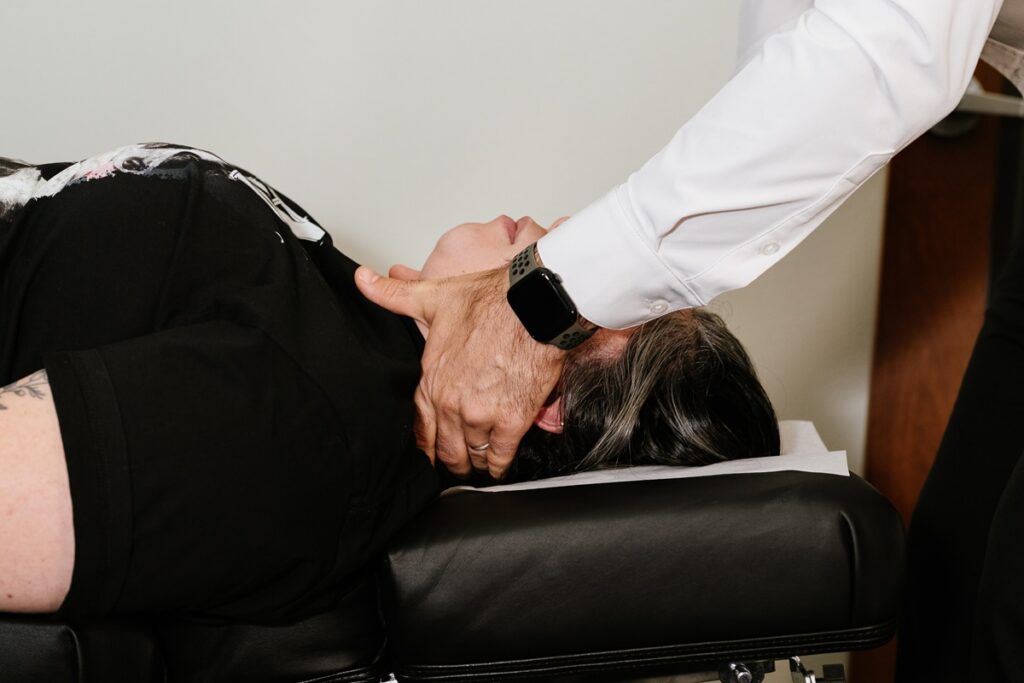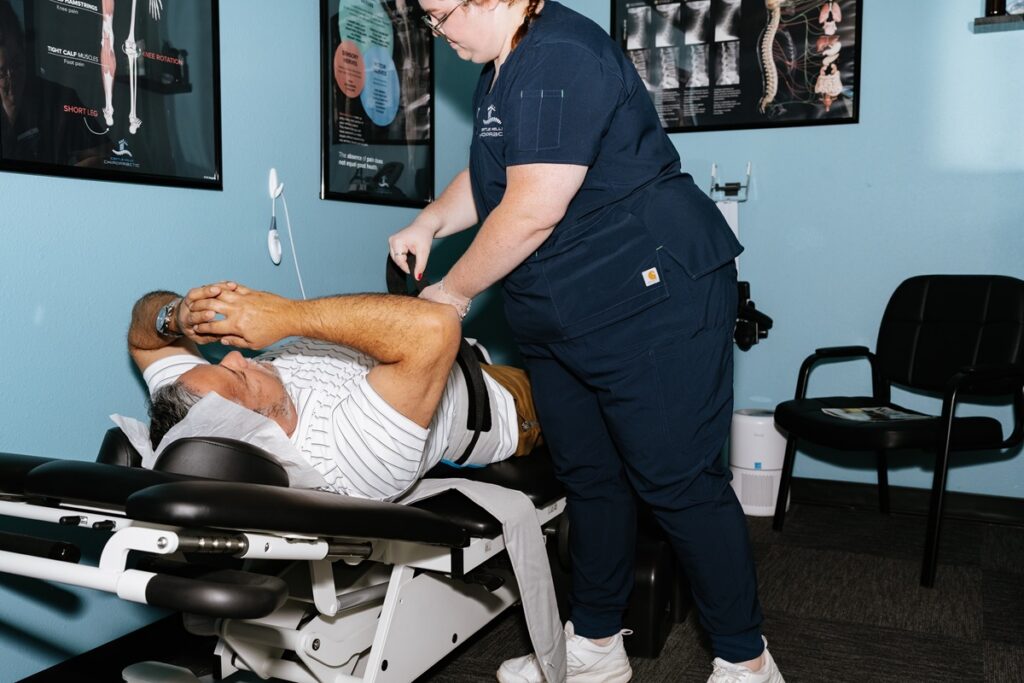

If you’ve recently suffered from whiplash, you may be feeling overwhelmed by the impact it has on your daily activities. As a local chiropractor, I want to reassure you that relief is possible within just four weeks through a structured approach to healing. By implementing a step-by-step plan that incorporates rest, gentle exercises, and necessary lifestyle adjustments, you can significantly alleviate your symptoms and regain your quality of life.
So, what specific strategies should you follow each week to ensure a successful recovery? Let’s delve into the essential steps you can take to navigate your healing journey effectively with chiropractic care and natural healing techniques. Together, we can work towards getting you back on track and feeling like yourself again.
Understanding Whiplash: Causes and Symptoms
As a local chiropractor, I want to take a moment to educate you about whiplash, a common neck injury that many people experience, especially after car accidents, sports activities, or falls.
Whiplash happens when your head is suddenly jerked forward and then backward, which can cause the soft tissues in your neck to stretch or even tear. Interestingly, you mightn’t feel any pain right away; sometimes, symptoms can take hours or even days to manifest.
The most frequent signs of whiplash include neck pain and stiffness, headaches, and dizziness. Additionally, you may notice feelings of fatigue, difficulty concentrating, or increased irritability.
It’s important to recognize these symptoms early, as they can significantly impact your daily life and overall well-being.
By understanding the causes and symptoms of whiplash, you can take proactive steps towards recovery. If you’ve recently experienced an accident or injury and notice any of these symptoms, I encourage you to reach out for a consultation.
Chiropractic care can provide you with natural healing options that focus on alleviating pain and restoring function. Remember, addressing these issues promptly can lead to effective relief and a smoother recovery process.
Week 1: Initial Rest and Ice Therapy
As a chiropractor, I want to emphasize the importance of prioritizing rest and care during the first week of your recovery from whiplash symptoms. Your body requires this time to heal effectively, so it’s crucial to take it easy and avoid engaging in any strenuous activities. This week, focus on minimizing movement to help reduce strain on your neck.
Incorporating ice therapy into your recovery plan can significantly aid in alleviating pain and swelling. I recommend applying ice packs to the affected area for 15-20 minutes every couple of hours. Just remember to wrap the ice pack in a cloth to protect your skin from potential frostbite.
Staying hydrated and maintaining a balanced diet will also support your healing process. If you’re experiencing discomfort, over-the-counter pain relievers can provide temporary relief, but always consult with a healthcare professional before starting any medication.
It’s important to listen to your body throughout this recovery phase. If certain movements cause discomfort, please avoid them.
Establishing a solid foundation during this first week is essential for a smoother recovery process. Remember, patience is key as you embark on your journey toward relief.
If you have any questions or need further assistance, don’t hesitate to reach out to me or another healthcare provider. Your well-being is our priority!
Week 2: Gentle Stretching and Mobility Exercises
As you progress into the second week of your recovery, it’s essential to gently reintroduce movement into your daily routine to support your healing process. Let’s start with some simple neck stretches that can enhance flexibility without causing strain. You can begin by tilting your head from side to side, holding each position for about 15 seconds. Additionally, try rotating your head slowly in a controlled manner, ensuring that you stay within your comfort zone throughout the movements.
Incorporating gentle shoulder rolls is also beneficial for alleviating tension in your upper body. You can do this while standing or sitting comfortably—just roll your shoulders forward and then backward in a smooth motion. Aim for 10 repetitions in each direction to help release any stiffness.
I want to emphasize the importance of your breath during these exercises. Deep breathing techniques can significantly aid in relaxing your muscles and alleviating pain. As you perform these stretches and movements, it’s crucial to listen to your body.
If you encounter any pain or discomfort, it’s important to stop and reach out to a healthcare professional for guidance. Remember, your focus this week is on enhancing mobility while being gentle and kind to your healing neck. Taking these steps can aid in your recovery and improve your overall well-being.
Week 3: Strengthening the Neck and Upper Back
In Week 3 of your recovery program, we’ll be focusing on strengthening your neck and upper back, which is crucial for healing from whiplash.
As your local chiropractor, I want to emphasize the importance of targeted neck exercises that can help build resilience in your muscles and support your spine.
Additionally, improving the mobility of your upper back is key to enhancing your overall posture, which plays a significant role in your recovery process.
By incorporating these specific exercises into your routine, you can make a meaningful difference in your healing journey.
Strengthening these areas not only alleviates discomfort but also promotes better alignment and function of your entire musculoskeletal system.
Let’s work together to help you regain your strength and mobility through natural healing practices.
Targeted Neck Exercises
As a local chiropractor, I want to share some important information about how strengthening your neck and upper back can significantly help alleviate whiplash symptoms and improve your overall mobility.
Many people may not realize that targeted neck exercises are an effective way to enhance muscle strength, stability, and coordination in this area.
To get started, I recommend practicing isometric neck exercises. This involves gently pressing your forehead into your palms and holding that position for about five seconds. Be sure to repeat this exercise for each side of your head and the back as well.
Next, we can incorporate neck rotations into your routine. Slowly turning your head from side to side and holding each position for a few seconds will help increase flexibility.
Additionally, shoulder shrugs are beneficial; simply lift your shoulders toward your ears and then relax them back down.
Finally, don’t forget to practice chin tucks. This exercise involves gently pulling your chin toward your chest while maintaining a straight back.
By consistently performing these exercises, you can greatly enhance your recovery process and improve your neck health.
Upper Back Mobility
As a local chiropractor, I want to emphasize the importance of upper back mobility for your overall neck and back health. In Week 3 of your wellness journey, I encourage you to focus on exercises that enhance both flexibility and strength in your upper back.
Begin with gentle stretches, such as thoracic rotations and cat-cow stretches, to help loosen any tight muscles you may have.
In addition to these stretches, consider incorporating resistance training exercises like seated rows or band pull-aparts. These movements are designed to build strength in your upper back, which can greatly improve your posture.
By strengthening this area, you can alleviate stress on your neck, promoting better alignment and reducing discomfort.
As you practice these exercises, remember to maintain proper form and take deep breaths. Consistency is key—aim for at least three sessions this week.
Over time, you may notice how improved mobility can enhance your daily activities and help lessen symptoms of whiplash. I’m here to support you in your journey to better health through natural healing methods.
Week 4: Incorporating Heat Therapy and Massage
In Week 4, we’re excited to delve into the benefits of heat therapy and massage for your recovery from whiplash.
As a local chiropractor, I want to help you understand how these natural healing methods can truly make a difference in your comfort and mobility.
Heat therapy can work wonders by soothing your muscles, increasing blood flow, and promoting relaxation, which is essential for healing.
Additionally, effective massage techniques can relieve tension and enhance your body’s natural ability to recover.
Together, these approaches can significantly improve your overall well-being and help you regain your range of motion.
Let’s explore how integrating these practices into your recovery plan can pave the way for a smoother healing journey.
Benefits of Heat Therapy
As a local chiropractor, I want to share with you the benefits of heat therapy, especially if you’re dealing with the discomfort of whiplash. Many people experience tension and pain in the neck and back after such injuries, but incorporating heat therapy into your recovery can offer substantial relief.
When you apply heat to the affected area, it helps to increase blood flow, which is crucial for promoting healing and reducing stiffness. The warmth can soothe muscle tension, allowing you to relax and regain mobility more easily.
I often recommend using a warm compress or heating pad for about 15-20 minutes several times a day to effectively ease your discomfort.
Moreover, heat therapy can stimulate the release of endorphins, your body’s natural pain relievers, which can enhance your mood during the recovery process. It’s important to pay attention to your body—if the heat feels uncomfortable, don’t hesitate to adjust the temperature or the duration of application.
By embracing this simple yet effective technique, you can significantly enhance your healing journey. Remember, chiropractic care is about natural healing and finding the best methods that work for you.
If you have any questions or need guidance on incorporating heat therapy into your routine, feel free to reach out!
Techniques for Effective Massage
As a local chiropractor, I want to share how combining heat therapy with massage can significantly enhance your recovery from whiplash symptoms.
To begin, I recommend applying a warm compress to your neck for about 10-15 minutes. This simple step helps to loosen tight muscles and prepare your body for further treatment.
After applying the heat, gently knead the area with your fingers, paying close attention to any knots or tender spots. Use circular motions and vary the pressure to discover what feels most comfortable for you.
Incorporating techniques such as effleurage—long, sweeping strokes—and petrissage—kneading—can further improve circulation and promote relaxation.
If you’re seeking deeper relief, consider working with a professional massage therapist who’s knowledgeable about whiplash injuries. They can provide more targeted care and help you on your journey to recovery.
Always be mindful of your body’s signals; if a movement causes pain, it’s essential to stop and reassess.
Consistency is crucial in your healing process, so aim for regular sessions to fully maximize your recovery.
Lifestyle Modifications to Support Recovery
As a local chiropractor, I want to share some simple lifestyle modifications that can greatly enhance your recovery from whiplash symptoms. First and foremost, it’s essential to prioritize rest. Your body needs time to heal, so be sure to listen to it and take breaks when necessary.
Incorporating gentle movements and stretches into your daily routine can be incredibly beneficial. These activities help improve flexibility and reduce stiffness, which is crucial for recovery. Staying hydrated is equally important; drinking plenty of water supports tissue health and aids in your healing process.
I also want you to pay close attention to your posture, particularly when you’re sitting at a desk or using your phone. Ergonomic furniture can make a significant difference, and taking regular breaks will help prevent unnecessary strain on your neck and back.
Until you’re fully recovered, it’s wise to avoid high-impact activities or heavy lifting, as these can exacerbate your symptoms. Nutrition plays a vital role in your healing journey as well. A balanced diet rich in fruits, vegetables, and lean proteins will provide your body with the nutrients it needs to support recovery.
Lastly, I encourage you to practice stress-reducing techniques, such as deep breathing exercises or meditation. These practices can create a positive environment for your body’s recovery, helping you feel better and get back to your normal activities more quickly.
When to Seek Professional Help
As a local chiropractor, I want to help you understand when it’s time to seek professional care for your whiplash symptoms. If you notice that your pain is getting worse or spreading to other areas like your arms or shoulders, it’s important to consult with a healthcare provider.
Symptoms such as persistent headaches, dizziness, or blurred vision should never be overlooked, as they may signal a more serious underlying issue.
You should also reach out for help if you find it difficult to move your neck or if daily activities become a struggle. If you haven’t seen any improvement in your symptoms after a week of self-care, it’s a good idea to schedule a professional evaluation.
Additionally, if you’re feeling emotional distress, such as anxiety or depression related to your injury, please consider talking to a professional. Early intervention is crucial—it can prevent long-term complications and expedite your recovery so you can return to your normal routine.
Maintaining Long-Term Neck Health
As a local chiropractor, I want to emphasize the importance of maintaining long-term neck health, especially if you’ve experienced whiplash or similar injuries.
It’s crucial to take proactive steps to prevent future issues and enhance your overall well-being.
One of the best ways to support your neck health is by incorporating regular stretching and strengthening exercises into your daily routine.
Focus on your neck, shoulders, and upper back to improve flexibility and provide the necessary support your body needs.
Be mindful of your posture throughout the day, particularly if you find yourself sitting for long periods.
Using ergonomic furniture can make a significant difference, and don’t forget to take breaks to move around and stretch.
Staying active is essential as well—consider engaging in low-impact activities like swimming or yoga, which can help keep your neck muscles strong and engaged.
Managing stress is another key component to preventing neck stiffness.
Techniques such as deep breathing and meditation can be beneficial in reducing tension.
Additionally, ensure you’re getting adequate sleep with a supportive pillow that maintains proper neck alignment.
By following these tips, you can promote long-term neck health and significantly reduce the risk of future pain.
Conclusion
As a local chiropractor dedicated to your health and well-being, I want to share a structured four-week plan that can help you effectively relieve whiplash symptoms and restore strength and flexibility to your neck. It’s important to listen to your body during this process, and I encourage you to modify the exercises as necessary to suit your comfort level.
In addition to these exercises, making certain lifestyle changes can significantly support your recovery and promote long-term neck health. This might include ensuring your workspace is ergonomically set up, practicing good posture, and incorporating gentle stretches into your daily routine.
If you find that your symptoms persist or worsen, please don’t hesitate to reach out for professional help. As a chiropractor, I am here to guide you on your journey to recovery, and with your commitment to this plan, you’ll be able to return to your normal activities sooner than you might think. Your health is my priority, and together we can work towards achieving your wellness goals!