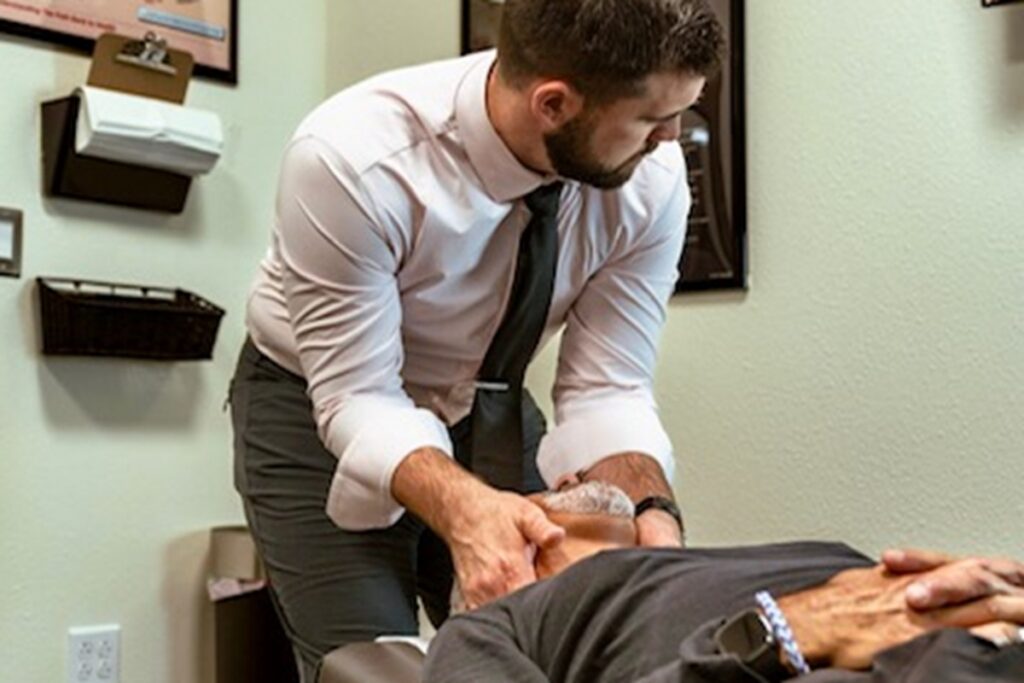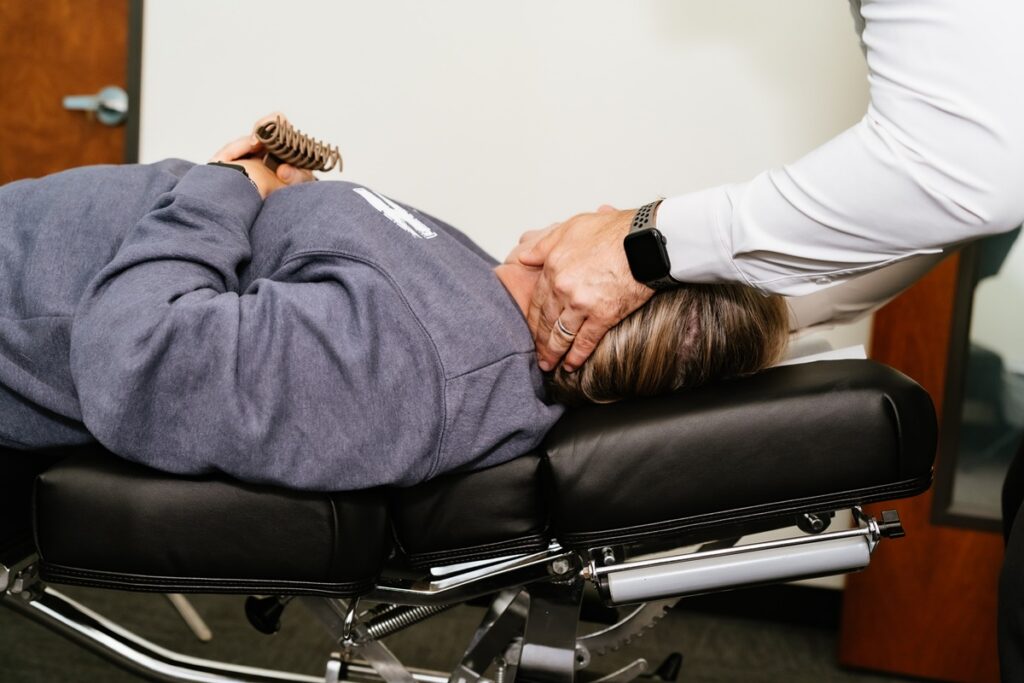

When it comes to low back pain, the right exercises can be a game-changer in achieving relief and promoting healing. As a chiropractor, I believe it’s crucial to focus on movements that support your spine and overall well-being. Gentle stretching, core strengthening, and low-impact activities can significantly enhance your recovery while minimizing discomfort.
Start with simple gentle stretches that help improve flexibility and reduce tension in your back. Movements like the cat-cow stretch or child’s pose can be beneficial. Core strengthening exercises, such as pelvic tilts or bridges, can help stabilize your spine. Low-impact activities like walking or swimming are also great options to keep you moving without straining your back.
However, it’s important to avoid exercises that can exacerbate your pain, such as heavy lifting or high-impact sports. Always listen to your body and consult with your chiropractor to find the most suitable routine tailored to your specific needs.
In addition to exercises, consider incorporating chiropractic adjustments into your wellness routine. Regular adjustments can help align your spine, reduce tension, and improve your body’s overall function, allowing you to recover faster from low back pain.
Remember, maintaining a healthy lifestyle can also play a vital role in your recovery. Staying hydrated, eating a balanced diet, and getting enough sleep are essential components of natural healing. By making these choices and working alongside your chiropractor, you can pave the way for long-term relief and optimal health.
Key Takeaways
- Gentle stretching exercises like Cat-Cow and Child’s Pose are excellent for easing low back pain. These movements enhance spinal mobility and promote relaxation, which are essential for maintaining a healthy spine. Incorporating these stretches into your daily routine can provide significant relief and support your overall well-being.
- Engaging your core muscles during exercise is crucial for stability. Strengthening your core not only helps to reduce strain on your lower back but also plays a vital role in preventing future discomfort. A strong core acts as a natural support system for your spine, making chiropractic care even more effective.
- Always start with a proper warm-up routine to enhance your flexibility and prepare your body for physical activity. This preparation is key to reducing the risk of low back pain flare-ups. By taking the time to warm up, you’re giving your body the best chance to perform well and stay injury-free.
- Practicing controlled movements and maintaining proper technique during exercises is essential. This approach minimizes the risk of injury and supports spinal alignment, both of which are critical for effective pain management. Remember, maintaining good posture during daily activities is just as important as during exercise.
- Finally, always listen to your body. If you experience pain while exercising, it’s important to modify your movements accordingly. This practice not only prevents further strain but also encourages healing in your lower back. If you’re ever unsure, consider consulting with a chiropractor who can provide personalized guidance and support for your journey to better health. Embracing chiropractic care as part of your wellness routine can lead to lasting relief and improved quality of life.
Understanding Low Back Pain
Understanding low back pain is vital, especially since it impacts millions of people every day.
Many of us experience discomfort due to factors such as muscle strain, poor posture, or underlying health issues. This pain can vary widely, from a dull ache to sharp sensations that can interfere with daily activities.
As a chiropractor, I believe that identifying the source of your pain is the first step toward recovery.
Are you sitting for long periods without proper support, or are you lifting heavy objects without using the right techniques? Being aware of these triggers can help you take proactive steps to prevent future discomfort.
Additionally, it’s important to recognize that stress can also contribute to low back pain by causing muscle tension, so finding ways to manage stress is key.
Listening to your body is crucial.
If you’re experiencing persistent pain, it’s important not to ignore it. Instead, take note of when the pain occurs and how intense it feels. This awareness can empower you to make informed decisions about your health and wellness.
Chiropractic care is a natural and effective way to address low back pain.
By focusing on spinal health, chiropractic adjustments can help restore proper alignment, relieve tension, and promote healing in your body. It’s a holistic approach that not only targets pain relief but also enhances overall wellness.
Here are some simple tips you can incorporate into your daily routine to support your back health:
- Maintain Good Posture: Whether sitting or standing, keep your back straight and shoulders relaxed to reduce strain on your spine.
- Use Ergonomic Furniture: Invest in a good chair that supports your lower back, especially if you work at a desk for long hours.
- Practice Safe Lifting Techniques: Bend at your knees, not your waist, and keep the object close to your body when lifting.
- Stay Active: Engage in regular physical activity, such as walking or stretching, to strengthen your back muscles and improve flexibility.
- Manage Stress: Incorporate relaxation techniques like deep breathing, yoga, or meditation into your routine to reduce muscle tension.
By prioritizing your spinal health and considering chiropractic care, you can find a natural path to relief and wellness.
Importance of Proper Technique
When you’re working on exercises to alleviate low back pain, using proper technique is absolutely crucial. It not only helps you maintain correct posture but also significantly reduces the risk of injury.
By keeping your form in check, you’re ensuring that you maximize the benefits of each movement, which is vital for your recovery.
Focusing on form is a way to protect your body while enhancing the effectiveness of your workouts. Remember, chiropractic care emphasizes the importance of spinal health and proper body mechanics, making it an excellent choice for anyone looking for natural pain relief and overall wellness.
Here are a few general tips to keep in mind while exercising:
- Engage Your Core: Always activate your core muscles to support your spine during exercises. This provides stability and reduces strain on your lower back.
- Start Slow: If you’re new to exercise, begin with gentle movements and gradually increase intensity. This helps your body adjust without risking injury.
- Listen to Your Body: Pay attention to how you feel during and after your workouts. If something doesn’t feel right, don’t push through the pain.
- Stay Consistent: Regular exercise can strengthen your back and improve your overall health. Consistency is key to achieving lasting benefits.
- Consult a Chiropractor: For personalized guidance and to ensure that your exercise routine is safe and effective, consider visiting a chiropractor. They can provide tailored advice that takes into account your unique needs.
Correct Posture Benefits
Maintaining correct posture is vital for alleviating low back pain and preventing further injury. When you sit, stand, or walk with proper alignment, you significantly reduce strain on your spine and the surrounding muscles. This not only helps ease discomfort but also enhances your overall mobility. By practicing good posture, you distribute your body weight evenly, which minimizes the risk of muscle fatigue and tension.
You may notice that sitting or standing upright can improve your breathing and energy levels, allowing you to engage more fully in your daily activities. Plus, good posture can boost your confidence and appearance, making you look taller and more poised.
Chiropractic care is an excellent choice for achieving and maintaining optimal posture. Regular adjustments from a chiropractor can help realign your spine, ensuring that your body functions at its best. This natural approach to wellness not only addresses existing pain but also helps prevent future issues.
Here are some simple tips to improve your posture and support spinal health:
- Be Mindful of Your Position: Whether you’re sitting at a desk or standing in line, check in with your posture. Keep your shoulders back, and your head aligned with your spine.
- Use Ergonomic Furniture: If you spend a lot of time sitting, invest in a chair that supports your lower back. Adjust your workstation so your screen is at eye level.
- Take Breaks: If you’re sitting for long periods, take short breaks to stand, stretch, and move around. This helps relieve tension and keeps your muscles engaged.
- Strengthen Core Muscles: Engaging in exercises that strengthen your core can support your spine and improve your posture.
- Stay Active: Regular physical activity promotes overall health and encourages better posture. Walking, swimming, or yoga can be great options.
Avoiding Injury Risks
Proper posture is key not only for alleviating low back pain but also for minimizing the risk of injuries during physical activities. When you maintain proper alignment during exercises, you significantly reduce unnecessary strain on your muscles and joints, which is essential for overall health. Engaging your core and keeping your spine in a neutral position can make a world of difference. This approach helps you avoid awkward twists or overextensions that often lead to injuries.
As a chiropractor, I encourage you to always warm up before diving into any workout. A good warm-up prepares your body and enhances flexibility, making your movements safer and more effective. It’s also crucial to listen to your body; if something doesn’t feel right during your activity, take a moment to stop and reassess your technique. Ignoring discomfort can lead to more serious issues down the road.
Maximizing Exercise Effectiveness
Maximizing Exercise Effectiveness for a Healthy Spine
As a chiropractor, I understand that mastering the right technique is crucial for maximizing the effectiveness of your exercises, especially when it comes to protecting your spine and achieving overall wellness. Focusing on proper form not only enhances muscle engagement but also significantly reduces the risk of injury, particularly in your lower back.
Start every workout with a gentle warm-up to prepare your muscles and joints for movement. This step is essential for preventing strains and ensuring your body is ready for exercise. While performing each exercise, be mindful of your posture. Aim to keep your spine in a neutral position and engage your core muscles. This foundation helps support your back and maintain balance.
If you’re uncertain about your technique, consider consulting with a chiropractor who can provide personalized guidance and feedback on your form. Using mirrors can also help you see your posture and make adjustments as needed. Remember to breathe correctly—exhaling during the exertion phase of an exercise helps you maintain control and stability.
Listening to your body is vital. If something feels off or uncomfortable, don’t hesitate to adjust your form or take a break. It’s important to honor your body’s signals to avoid further strain.
Incorporating chiropractic care into your wellness routine can also support your exercise efforts. Regular adjustments can improve your spinal alignment, enhance your range of motion, and help alleviate discomfort. This natural approach to health can be a powerful way to achieve lasting relief from low back pain and enhance your overall well-being.
Gentle Stretching Exercises
Gentle stretching exercises can be a powerful tool in alleviating low back pain. These stretches not only help improve flexibility but also reduce muscle tension and promote better blood circulation in your back. By gently elongating tight muscles, you can relieve pressure on your spine and its surrounding structures, leading to a more comfortable and mobile back.
Incorporating simple stretches into your daily routine can make a significant difference. For example, try the cat-cow pose: start on all fours and alternate between arching your back and rounding it. This movement helps increase mobility in your spine. The child’s pose is another excellent option, allowing your back to relax and stretch gently, promoting a sense of calm.
While you stretch, remember to breathe deeply. Deep breathing not only enhances relaxation but also maximizes the benefits of your stretches. Aim to dedicate just a few minutes each day to these gentle movements and always listen to your body. If you feel any discomfort, ease off and adjust your position.
It’s essential to recognize that chiropractic care can be an excellent complement to these stretching exercises. A chiropractor can provide tailored adjustments and therapies that target the root of your back pain, helping to enhance your overall well-being. By combining gentle stretching with regular chiropractic care, you can experience noticeable relief from low back pain and support your journey toward optimal health.
Keep prioritizing your back health, and enjoy the benefits of a pain-free, active lifestyle!
Strengthening Core Muscles
Strengthening your core muscles is crucial for alleviating low back pain and enhancing your overall stability. A strong core provides essential support for your spine, helping to reduce strain and prevent injuries. As a chiropractor, I often emphasize the importance of core strength in my practice, as it can significantly contribute to your overall health and well-being without the need for medications or surgery.
Here are some simple exercises you can easily incorporate into your daily routine to build core strength:
| Exercise | Description |
|---|---|
| Plank | Start in a push-up position, ensuring your body forms a straight line from head to heels. Hold this position for about 30 seconds. This exercise engages multiple core muscles, promoting stability. |
| Bird-Dog | Begin on all fours, then extend one arm forward while extending the opposite leg back. Hold for a few seconds, focusing on maintaining balance. Alternate sides for a balanced workout. |
| Bridge | Lie on your back with your knees bent. Lift your hips towards the ceiling while squeezing your glutes. Hold for a few seconds before lowering. This exercise not only strengthens your core but also helps with glute stability. |
| Side Plank | Position yourself on your side, using one arm for support while lifting your body off the ground. This targets your obliques and enhances lateral stability. |
| Dead Bug | Lie on your back with arms pointing to the ceiling and knees bent at 90 degrees. Slowly lower one arm and the opposite leg towards the floor, then return to the starting position and switch sides. This exercise promotes coordination and core strength. |
As you begin these exercises, take it slow and prioritize your form. Gradually increase the intensity as you become more comfortable. Remember, a strong core not only supports your back but also contributes to your overall health and wellness.
If you ever find yourself struggling with back pain, I encourage you to consider chiropractic care as a natural and effective approach to pain relief and improved health. Your spine will thank you!
Low-Impact Aerobic Activities
Incorporating low-impact aerobic activities into your routine can significantly aid in managing low back pain, and as a chiropractor, I believe these exercises are essential for fostering natural healing. These activities elevate your heart rate without placing undue stress on your back, making them a safe choice for pain relief.
Consider options like walking, swimming, or cycling, which not only improve blood circulation but also encourage healing and reduce stiffness in the spine.
You don’t need to overexert yourself; dedicating just 20-30 minutes a few times a week can lead to noticeable improvements. Opt for activities that resonate with you, as this will help maintain your motivation and consistency.
For example, if you enjoy the outdoors, walking on scenic trails or swimming in a community pool can be both enjoyable and beneficial.
It’s crucial to listen to your body. If something feels off, don’t hesitate to modify your pace or the intensity of your exercise. Gradually increasing your activity level will help build endurance without exacerbating your pain.
By integrating these low-impact exercises into your lifestyle, you’ll not only strengthen your back but also enhance your overall well-being.
Yoga Poses for Low Back Relief
Many people experiencing low back pain often find relief through specific yoga poses, but it’s important to remember that chiropractic care can offer a more comprehensive approach to addressing the underlying issues. Incorporating poses like Child’s Pose, Cat-Cow, and Downward-Facing Dog into your routine can certainly help stretch and strengthen the muscles supporting your spine, but pairing these practices with chiropractic adjustments can lead to even greater benefits.
Child’s Pose is fantastic for gently stretching the lower back and relieving tension. It can complement the adjustments made during a chiropractic visit, which help align the spine and alleviate pressure on nerves.
The Cat-Cow pose warms up your spine, enhancing flexibility and reducing stiffness. When combined with chiropractic care, you can further improve your range of motion and overall spinal health.
Downward-Facing Dog is another beneficial pose that elongates your back and hamstrings, promoting better posture. This pose can help keep the spine healthy, especially when supported by regular chiropractic adjustments that focus on alignment and balance.
In addition, you might try Sphinx Pose, which gently strengthens the lower back while opening up your chest. This can be particularly effective when coupled with chiropractic care, as a chiropractor can help ensure that your spine is properly aligned for optimal function. Reclining Bound Angle Pose can also relax your hips and lower back, creating a sense of comfort and ease.
To maximize the benefits of these yoga poses, focus on your breath while holding each position. Always listen to your body and avoid pushing into pain. Regularly practicing these poses, alongside chiropractic care, can foster a stronger, more resilient back. This holistic approach not only helps manage discomfort but also enhances your overall well-being.
Tips for Safe Exercise Practices
When it comes to exercising for low back pain, warming up is crucial to get your muscles ready and to promote spinal health. Start with gentle stretches and movements to increase blood flow and flexibility. It’s important to maintain proper form during your exercises to prevent injuries; this helps ensure that your spine remains aligned and supported. Always listen to your body—if something doesn’t feel right, it’s a signal to stop and reassess.
Incorporating chiropractic care into your routine can further enhance your wellness journey. Chiropractors specialize in spinal health and can help identify any misalignments that may be contributing to your pain. By aligning your spine through gentle adjustments, you can experience better mobility and reduced discomfort, making your workouts safer and more effective.
Warm-Up Importance
Although it may be tempting to dive right into your workout, taking the time to warm up is crucial for preventing low back pain and other injuries. A proper warm-up not only prepares your body for physical activity but also promotes spinal health. By increasing blood flow to your muscles, you make them more flexible and ready for action.
Start with gentle aerobic activities, such as brisk walking or cycling, for about five to ten minutes to get your heart rate up and warm up your entire body. Following that, incorporate dynamic stretches specifically targeting your lower back, hips, and legs. Simple movements like leg swings, torso twists, and gentle lunges are excellent for loosening tight muscles and enhancing your range of motion.
Remember, warming up effectively not only boosts your performance but also significantly lowers the risk of strains and sprains. This proactive approach can be especially beneficial for maintaining a healthy spine, reducing discomfort, and promoting overall wellness. So take those few extra minutes to prepare your body—it’s a small investment in your health that your back will thank you for!
Embracing chiropractic care as part of your routine can further support your journey to optimal health and natural healing.
Proper Form Techniques
A solid warm-up is crucial for ensuring safe exercise practices, particularly when it comes to protecting your back. As a chiropractor, I want to emphasize that maintaining proper form during exercises is essential for avoiding injuries and reaping the maximum benefits from your workouts. Here are some straightforward tips to help you keep your spine healthy and strong:
| Tip | Description | Benefits |
|---|---|---|
| Keep a neutral spine | Maintain the natural curve of your back | This helps reduce strain on your spine and supports overall back health. |
| Engage your core | Tighten your abdominal muscles | A strong core provides stability and helps protect your spine during movement. |
| Use your legs | Bend at the knees instead of the back | This technique helps to protect your lower back and prevents unnecessary strain. |
| Align joints | Ensure your knees track over your toes | Proper alignment prevents joint stress and supports overall body mechanics. |
| Controlled movements | Avoid fast or jerky motions | Taking your time enhances focus and safety, reducing the risk of injury. |
Listen to Body
Listening to your body is crucial for safe exercise practices, especially when you’re dealing with low back pain. As a chiropractor, I want to emphasize that staying in tune with your body’s signals can help you exercise safely and effectively, while also promoting your overall health and wellness. Here are some simple tips to consider:
- Pay Attention to Pain: If you experience sharp or unusual pain, it’s important to stop what you’re doing immediately. This is your body’s way of telling you something isn’t right.
- Modify Movements: Adjust your exercises to suit your comfort level. This might mean reducing the intensity or finding alternative exercises that don’t strain your back. Remember, it’s perfectly okay to adapt!
- Rest When Needed: Don’t be afraid to take breaks. Rest is essential for your body to heal and recover, especially when managing pain.
- Gradually Increase Intensity: Build your strength and endurance at a pace that feels right for you. This gradual approach helps prevent overexertion and allows your body to adapt.
Incorporating chiropractic care into your wellness routine can also significantly enhance your journey towards optimal health. Regular adjustments can help align your spine, reduce pain, and improve your overall function.
When to Seek Professional Help
Recognizing when to seek professional help for low back pain is essential for a smooth recovery, and as a chiropractor, I want to guide you on this journey toward optimal health.
If you’ve been experiencing persistent pain that lingers for more than a few weeks, it’s a good idea to consult with a chiropractor. Our approach focuses on natural healing and spinal health, which can significantly improve your condition.
Pay attention to any pain that radiates down your legs, causes numbness, or impacts your bladder or bowel control. These symptoms can be signals that your spine needs professional attention.
Additionally, if you’ve experienced a traumatic injury, such as a fall or accident, it’s wise to get checked out. Chiropractic care can help assess any underlying issues and promote healing without the need for invasive procedures.
If you find that your pain is worsening despite home treatments, or if it’s interfering with your daily activities and overall quality of life, seeking a chiropractic evaluation is crucial. We focus on understanding the root cause of your pain and providing effective, non-invasive treatments to help you heal.
Remember, the sooner you address your concerns, the better your chances of preventing further complications. Trust your instincts—if something doesn’t feel right, it’s always best to reach out for help. Prioritizing your health is key, and chiropractic care can be a powerful ally in your journey to natural wellness.
Here are some general tips to keep in mind for managing low back pain:
- Maintain good posture, especially when sitting for long periods.
- Incorporate gentle stretching and strengthening exercises into your routine.
- Stay active with low-impact activities like walking or swimming.
- Use heat or cold therapy to soothe discomfort.
Conclusion
Incorporating the right exercises can make a significant difference in managing low back pain, and as your local chiropractor, I’m here to help guide you. By focusing on gentle stretching, core strengthening, and low-impact activities, you can relieve discomfort while avoiding aggravation. Remember, chiropractic care is a natural and effective way to achieve optimal health and wellness.
Start with simple stretches that promote flexibility and reduce tension in your back. Movements like gentle cat-cow stretches or knee-to-chest pulls can be beneficial. Strengthening your core is also crucial; exercises like pelvic tilts and bridges can enhance stability and support your spine.
Always listen to your body, and pay attention to your movements—proper technique is key. If you feel sharp pain, don’t hesitate to reach out for professional help. Chiropractic care can address the root causes of your discomfort, helping you achieve a healthier back.
Your journey to wellness is within reach—take it one step at a time. As you begin incorporating these exercises, remember to stay mindful of your body and consider regular chiropractic adjustments to maintain spinal health and overall well-being. Embrace this holistic approach to pain relief and healthier living!