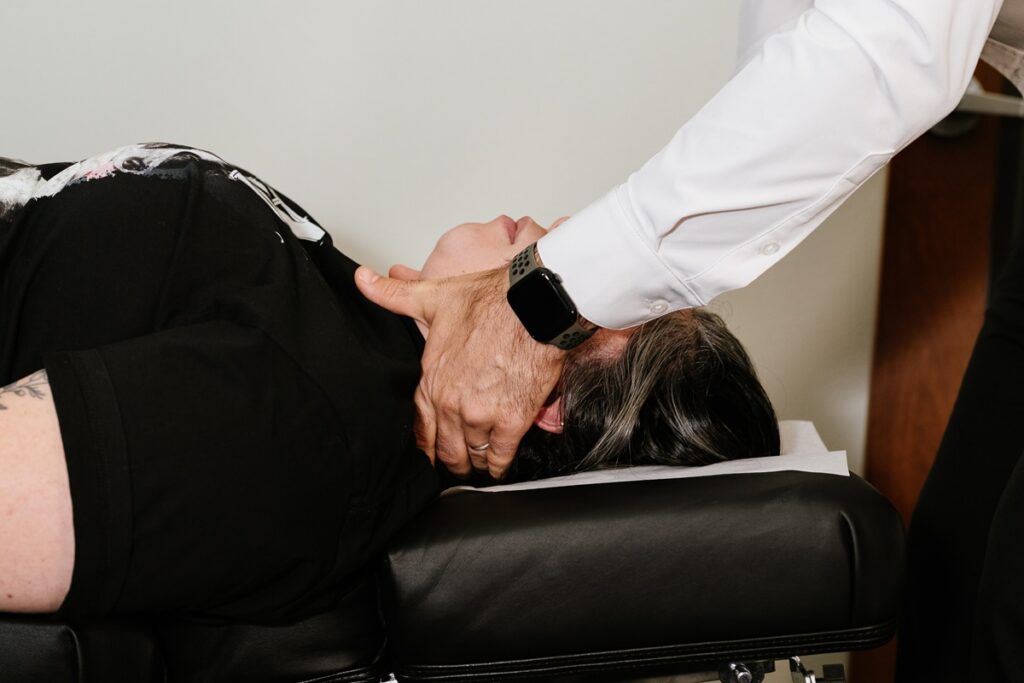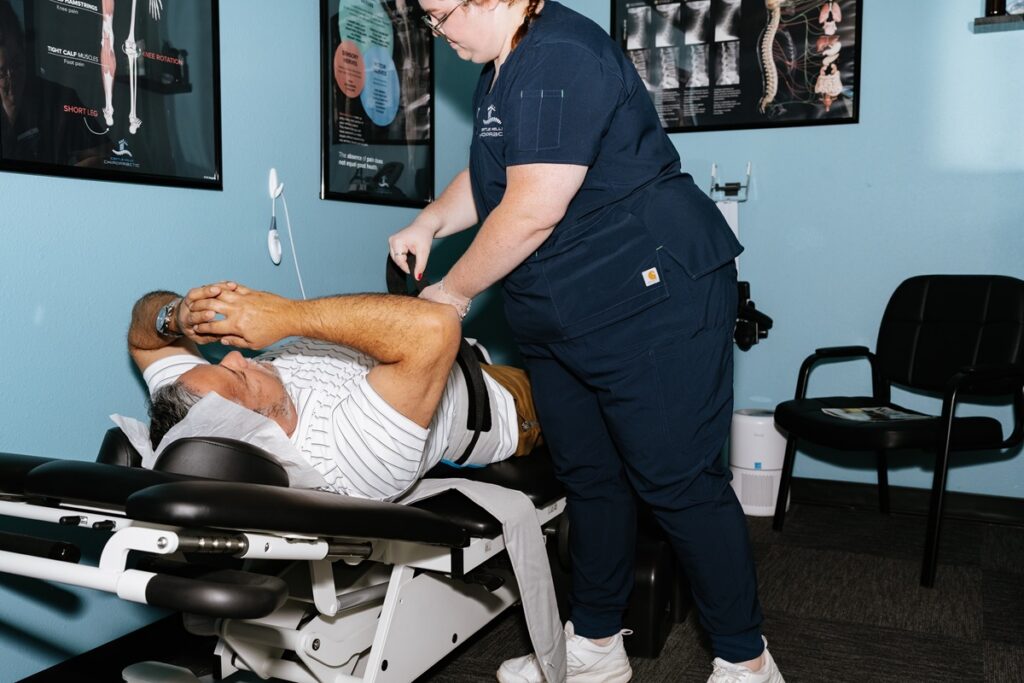

As a local chiropractor, I understand how debilitating migraines and cervical pain can be, significantly impacting your daily life and overall productivity. It’s crucial to explore effective relief strategies to manage these conditions. In my practice, I help patients discover various approaches, including lifestyle modifications and dietary changes, that can promote healing and comfort.
One key aspect of chiropractic care is identifying specific triggers related to your migraines and cervical pain. Through personalized assessments, we can work together to uncover these triggers and develop a tailored treatment plan. Chiropractic adjustments, along with other natural therapies, may provide significant relief and improve your overall well-being.
Let’s dive deeper into these strategies and see how chiropractic care can make a positive difference in your life. Together, we can find the right combination of therapies that work for you, enhancing your comfort and quality of life.
Understanding Migraines and Cervical Pain
As a chiropractor, I want to help you understand the relationship between migraines and cervical pain, as many of my patients experience both. When you suffer from a migraine, it’s not uncommon to also feel discomfort in your neck. This is because the muscles in your neck may tense up in response to the severe headache, creating additional pain and discomfort.
Unfortunately, this can lead to a cycle where the migraine intensifies the cervical pain, and vice versa. It’s important to recognize how these two issues are connected for effective relief. Migraines can lead to muscle stiffness and inflammation in the neck region, leaving you feeling stuck in a painful loop.
Identifying your symptoms is a crucial first step in seeking natural healing solutions. You might find that certain triggers—such as stress or poor posture—can aggravate both your migraines and neck pain. By being mindful of these connections, you can take a more proactive approach to your treatment.
As a chiropractor, I can work with you to address both your migraines and cervical pain holistically, aiming to break this painful cycle and enhance your overall well-being. Together, we can explore natural healing methods that may provide you with lasting relief.
Lifestyle Modifications for Pain Management
As your local chiropractor, I want to share some essential lifestyle modifications that can significantly aid in managing migraine pain.
One of the most effective strategies is incorporating stress reduction techniques into your daily routine. Stress is a common trigger for migraines, and by practicing relaxation methods such as deep breathing, meditation, or yoga, you can help lower your pain triggers.
Additionally, I highly recommend setting up an ergonomic workspace. Proper posture and alignment while you work can prevent unnecessary strain on your body, promoting comfort and reducing the likelihood of tension-related headaches.
Stress Reduction Techniques
As a local chiropractor, I want to share some valuable insights on how you can manage migraines naturally through stress reduction techniques. Migraines can be incredibly challenging, but by integrating these practices into your daily life, you can significantly reduce their frequency and intensity.
First, consider incorporating mindfulness or meditation into your routine. Just a few minutes each day can help quiet your mind and promote relaxation.
Additionally, deep breathing exercises are powerful tools; practicing slow, deep breaths can help alleviate tension and anxiety, which are often contributors to migraines.
Regular physical activity is another essential aspect of stress management. Even a short walk can boost your mood and decrease stress levels.
It’s vital to remember that the support of friends and family can also play a crucial role in your well-being. Spending time with loved ones can provide comfort and help you feel more grounded.
Lastly, don’t overlook the importance of sleep. Establishing a consistent sleep schedule won’t only improve your overall well-being but can also be a key factor in reducing migraine triggers.
By focusing on these holistic techniques, you create a more harmonious environment for both your mind and body, which can lead to fewer migraines and an enhanced quality of life.
If you’re interested in learning more about how chiropractic care can complement these practices, feel free to reach out for more information!
Ergonomic Workspace Setup
As a chiropractor dedicated to your health and well-being, I want to emphasize the importance of creating an ergonomic workspace, especially for those managing migraine symptoms. A supportive environment can significantly enhance your comfort and aid in your healing process.
Start by ensuring that your chair is properly adjusted to support your lower back, which is crucial for maintaining good posture. It’s vital to keep your feet flat on the floor to promote stability and reduce strain on your body. Your computer monitor should be positioned at eye level to prevent unnecessary neck strain; if it’s too low, consider using a stand to elevate it.
When it comes to your keyboard and mouse, keep them close to your body. This allows your elbows to remain at a comfortable 90-degree angle, minimizing tension in your arms and shoulders.
Proper lighting plays a key role as well—try to utilize natural light whenever possible and be mindful of glare on your screens, as this can contribute to discomfort.
I also recommend taking regular breaks to stretch and move around. These simple actions can help ease muscle tension and improve circulation, which is essential for overall well-being.
Lastly, if you find yourself easily distracted, using noise-canceling headphones can help create a serene environment, conducive to focus and relaxation.
Dietary Considerations and Triggers
As a local chiropractor, I want to share some important insights regarding migraines and how dietary factors can play a significant role in your overall well-being. Many patients are surprised to learn that certain foods can trigger migraines, making it crucial to pay attention to your diet. Common culprits include aged cheeses, processed meats, chocolate, and alcohol. If you’re experiencing migraines, it may be beneficial to temporarily eliminate these items from your meals to see if your symptoms improve.
Hydration is another critical factor to consider. Dehydration can easily trigger migraines, so it’s vital to ensure you’re drinking enough water throughout the day.
Additionally, irregular eating patterns or skipping meals can lead to blood sugar fluctuations, which may exacerbate your migraine pain. Instead, I encourage you to focus on regular, balanced meals that include plenty of fruits, vegetables, whole grains, and lean proteins.
Including foods rich in magnesium, such as nuts and leafy greens, may also help reduce the frequency of migraines. By being proactive in identifying and managing your dietary triggers, you can take substantial steps toward finding relief from your migraines and enhancing your overall health.
The Role of Physical Therapy
As a local chiropractor, I want to share how chiropractic care can be transformative in managing migraines.
By utilizing gentle adjustments and specific rehabilitation exercises, we can help alleviate your pain and enhance your overall well-being.
Let’s delve into how these natural healing methods can provide you with relief from those debilitating headaches.
Manual Therapy Techniques
As a local chiropractor, I want to share with you some effective alternatives to medication for finding relief from migraines. Many individuals often overlook the benefits of manual therapy techniques, which can play a significant role in alleviating migraine symptoms.
These techniques involve the careful manipulation of soft tissues and joints in your neck and upper back, which can help relieve tension and enhance blood circulation.
Methods such as myofascial release and cervical mobilization are tailored to your specific needs, allowing us to target and address the trigger points that may be contributing to your migraines.
By working with a skilled chiropractor, you can experience reduced pain and improved mobility, enabling you to engage in daily activities with greater ease.
Moreover, manual therapy not only helps with physical discomfort but also promotes relaxation—an essential factor in managing stress-related headaches.
By incorporating these natural healing techniques into your pain management routine, you can take charge of your symptoms and improve your overall well-being.
If you’re curious about how chiropractic care can support you on your journey to better health, I invite you to explore these options with us.
Exercise Rehabilitation Programs
As a local chiropractor, I want to share how exercise rehabilitation programs can significantly benefit those who suffer from migraines. Many people may not realize that strengthening your neck and shoulder muscles can help alleviate some of the triggers associated with migraines.
Through targeted physical therapy, we can work together to develop a program that enhances your flexibility, builds strength, and improves your aerobic conditioning.
Regular exercise not only promotes better blood circulation but also reduces muscle tension and increases your overall body awareness, which is crucial for migraine management. As you engage in this consistent routine, you may find that your headaches become less frequent and less intense, and you may experience greater mobility.
Additionally, incorporating regular physical activity into your life can boost your mood and improve your sleep quality—two important factors in managing migraines.
Remember, the key to success is consistency. By committing to your exercise regimen, you’ll be taking proactive steps towards a healthier, more pain-free life.
Let’s explore how chiropractic care and exercise can work hand-in-hand to enhance your well-being.
Medications for Relief
When dealing with migraines, exploring effective treatment options is crucial for managing pain and getting back to your daily activities. As a local chiropractor, I want to emphasize the importance of understanding both traditional and natural approaches to relief.
Here’s a brief overview of common medications and natural strategies that can help alleviate migraine pain:
- Triptans: These medications are often the first choice for many, as they target serotonin receptors to help reduce pain. However, it’s important to understand how they may interact with your overall health.
- NSAIDs (Non-Steroidal Anti-Inflammatory Drugs): Over-the-counter options like ibuprofen and naproxen can provide relief by addressing pain and inflammation. But remember, these may only mask the symptoms rather than address the underlying issues.
- Ergots: While less commonly used, ergots can be effective for patients who don’t respond to triptans. As always, it’s vital to consult with a healthcare professional about the best options for you.
- Preventive Medications: Some may consider daily medications, such as beta-blockers and anticonvulsants, to reduce the frequency and severity of migraines.
However, it’s worth exploring natural alternatives that can also help, such as chiropractic adjustments, lifestyle changes, and stress management techniques.
As a chiropractor, I encourage you to look at a holistic approach that includes not only medication but also natural healing methods.
Always consult with your healthcare provider to find the right treatment tailored to your needs. Your journey to relief can be achieved through a combination of effective strategies!
Alternative Therapies and Holistic Approaches
As a local chiropractor, I want to take a moment to educate you about the benefits of alternative therapies and holistic approaches, especially when it comes to managing migraines.
While medications are often the first line of defense, many of my patients have found significant relief through treatments like chiropractic care. Chiropractic care focuses on aligning the spine and improving overall function, which can have a profound impact on headache frequency and intensity.
By regularly adjusting the spine, we can’t only alleviate cervical pain but also enhance your body’s natural ability to heal itself. Patients often report a reduction in headaches as they continue with their chiropractic treatments.
In addition to chiropractic adjustments, I encourage exploring other natural remedies such as herbal supplements like butterbur and feverfew. These have shown promise in managing migraine symptoms, but it’s crucial to consult with a healthcare provider before introducing any new supplements into your routine.
Moreover, incorporating mindfulness practices such as yoga and meditation can significantly enhance your overall well-being. These techniques foster a deeper connection with your body and may help in reducing pain perception, leading to a more balanced and healthy life.
As we explore these alternative therapies together, I’m here to guide you and support your journey towards holistic healing. Remember, you don’t have to navigate this path alone!
Stress Management Techniques
As a chiropractor, I understand that stress is often an unavoidable part of life, but managing it effectively can significantly improve your overall well-being and reduce the frequency and intensity of migraines.
By implementing some simple stress management techniques, you can regain control of your life. Here are a few strategies I encourage my patients to consider:
- Deep Breathing: I recommend taking a few minutes each day to practice deep breathing exercises. Inhale deeply through your nose, hold for a few seconds, and then exhale slowly through your mouth. This can help calm your nervous system and reduce muscle tension.
- Meditation: Setting aside time for meditation is essential in quieting your mind. Even just five minutes a day can create a noticeable difference in your stress levels. It allows you to focus on the present moment, which is crucial for mental clarity.
- Physical Activity: Regular exercise, such as walking or yoga, is vital for releasing endorphins—your body’s natural stress relievers. Incorporating physical activity into your routine can’t only help manage stress but also promote spinal health, which is a cornerstone of chiropractic care.
- Time Management: I often advise my patients to prioritize their tasks and break them into manageable steps. This approach can help prevent feelings of being overwhelmed and allow you to maintain a sense of control over your daily responsibilities.
By integrating these techniques into your life, you can enhance your ability to cope with stress and, in turn, support your overall health.
When to Seek Professional Help
As a local chiropractor, I want to help you understand when it may be time to seek professional help for your migraines. If you find that your headaches are becoming more frequent or intense, this is a significant signal that you should consult with a healthcare provider, like a chiropractor.
When over-the-counter medications no longer provide relief, it’s essential to explore other options.
If you start experiencing new symptoms such as changes in vision, confusion, or severe nausea, please seek immediate medical attention, as these could indicate a more serious issue.
Moreover, if your migraines are interfering with your daily activities, work, or relationships, it’s a clear indication that you should consider professional help. Chiropractic care can offer a natural approach to managing migraines, focusing on spinal alignment and overall wellness.
We can develop a personalized treatment plan that may include adjustments, lifestyle changes, and alternative therapies designed to alleviate your pain and improve your quality of life.
Remember, you don’t have to navigate this alone. Seeking help from a chiropractor can lead to effective management strategies that can help you find relief.
Don’t wait too long to address these concerns; taking action sooner can lead to better outcomes and improved well-being.
Conclusion
As a local chiropractor, I want to share some effective relief strategies that can significantly enhance your quality of life when dealing with migraines and cervical pain. By making certain lifestyle adjustments, modifying your diet, and considering various therapeutic approaches, you can gain better control over your symptoms.
One key area to focus on is stress management techniques, as they are crucial in reducing potential triggers for both migraines and neck discomfort. Techniques such as deep breathing, meditation, and gentle exercises can make a considerable difference.
Additionally, chiropractic care can play an integral role in your healing process. We use hands-on spinal manipulation and other manual techniques to improve alignment, alleviate pain, and enhance your overall well-being.
If you find that your pain persists or intensifies despite these efforts, I encourage you to reach out for professional guidance. Your health is of utmost importance, and together we can explore the right strategies tailored to your needs, helping you achieve a more comfortable and fulfilling life.