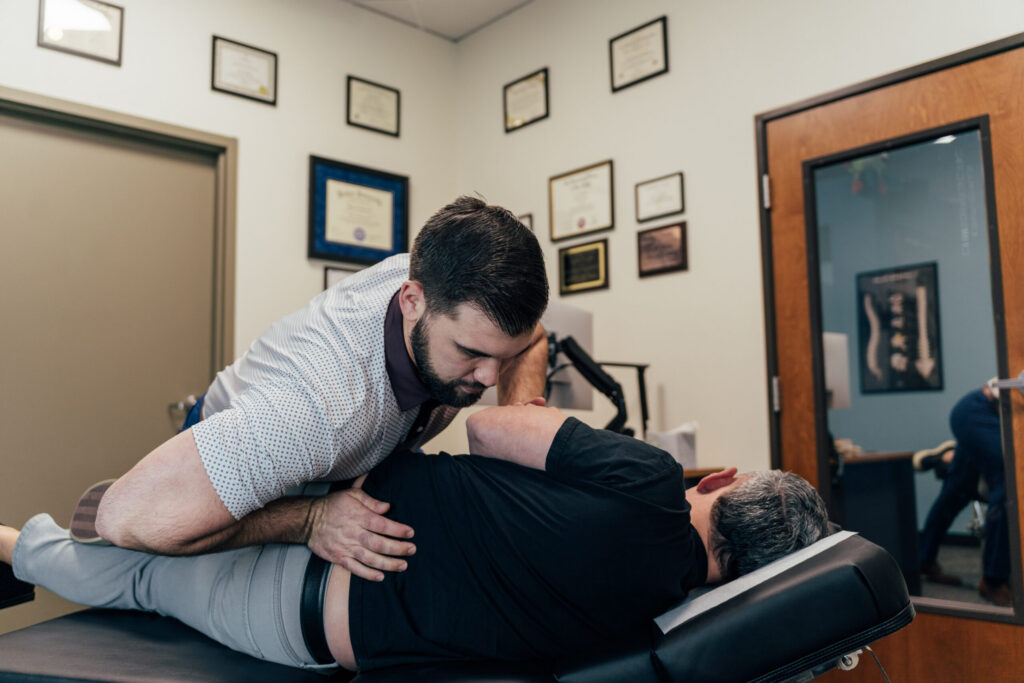

You might not realize how much stress impacts your life until it starts affecting your health and well-being. Relaxation techniques can serve as effective tools for managing that stress, offering benefits you may find surprising. From deep breathing to progressive muscle relaxation and even yoga, each method has its unique advantages that can transform your daily experience. As you explore these techniques, you'll uncover how they not only help alleviate stress but also enhance your overall quality of life. What might these practices reveal about your relationship with stress?
Understanding Stress and Its Effects
Stress is a common experience that can greatly impact your physical and mental well-being. When you face challenges, whether they're work-related, personal, or financial, your body reacts with a stress response. You've likely felt your heart race, muscles tense, or even experienced headaches. These reactions are your body's way of preparing you to cope with perceived threats, but when stress becomes chronic, it can lead to serious health issues.
Recognizing the effects of stress is important. It can manifest in various ways, including irritability, anxiety, and difficulty concentrating. You might find it challenging to sleep or engage in activities you normally enjoy. Over time, chronic stress can contribute to serious health problems, such as high blood pressure, cardiovascular disease, and weakened immune function.
It's important to understand that stress doesn't just affect your mind; it takes a toll on your body too. As you navigate through life's pressures, pay attention to how stress affects you personally. Do you notice physical symptoms, like fatigue or digestive issues? Or perhaps emotional signs, like mood swings or feelings of overwhelm?
Identifying your stress triggers can be the first step toward managing them effectively. By understanding the impact stress has on your life, you can begin to take proactive measures to reduce its effects and improve your overall quality of life. Recognizing these signs isn't just helpful; it's a significant part of your journey to wellness.
The Power of Mindfulness
Harnessing the power of mindfulness can transform your approach to stress management. By focusing on the present moment, you create space for clarity and calmness in your daily life. Instead of getting caught up in worries about the future or regrets from the past, mindfulness encourages you to fully engage with your current experience. This shift in perspective can greatly reduce feelings of anxiety and overwhelm.
To practice mindfulness, you don't need any special equipment or a lot of time. You can start by simply paying attention to your breath. Notice how it feels as you inhale and exhale. If your mind starts to wander, gently bring your focus back to your breath. This simple practice helps you develop awareness of your thoughts and feelings without judgment.
Incorporating mindfulness into your daily routine can also help you respond to stress more effectively. When you encounter a stressful situation, you'll find it easier to pause and reflect rather than react impulsively. This pause allows you to assess the situation and choose a more thoughtful response, leading to better outcomes.
Mindfulness can also enhance your appreciation for the little things in life. By being present, you can savor moments that often go unnoticed, like the taste of your food or the warmth of the sun on your skin.
As you embrace mindfulness, you'll likely discover a greater sense of peace and resilience, equipping you with the tools you need to handle stress with grace.
Deep Breathing Techniques
Deep breathing techniques can dramatically reduce your stress levels and enhance your overall well-being.
By learning effective practices and incorporating them into your daily routine, you'll experience the benefits firsthand.
Let's explore how to harness the power of your breath for relaxation and calm.
Benefits of Deep Breathing
When you take a moment to focus on your breath, you'll discover a powerful tool for relaxation right at your fingertips. Deep breathing can greatly reduce stress levels and enhance your overall well-being. As you engage in this practice, you'll notice a decrease in anxiety and tension, allowing you to feel more centered and calm.
One of the most immediate benefits of deep breathing is its ability to lower your heart rate and blood pressure. This physiological response helps to create a sense of tranquility, making it easier to cope with daily challenges.
Plus, deep breathing increases oxygen flow to your brain, improving your concentration and mental clarity.
You may also find that deep breathing can help alleviate symptoms of stress-related conditions, such as headaches or digestive issues. By simply taking a few moments to breathe deeply, you're not only nurturing your body but also fostering a positive mindset.
Incorporating deep breathing into your daily routine can lead to long-lasting effects on your mental and emotional health. As you practice, you'll experience greater resilience, allowing you to handle life's pressures more effectively.
Techniques for Effective Practice
To effectively practice deep breathing, you can incorporate a few simple techniques that enhance your experience. Using these methods can help you maximize the benefits of deep breathing and reduce stress more efficiently.
- Find a Comfortable Position: Sit or lie down in a quiet space where you won't be disturbed. Make sure your body is supported and relaxed.
- Focus on Your Breath: Close your eyes and concentrate on your breathing. Inhale deeply through your nose, allowing your abdomen to expand, then exhale slowly through your mouth. This focus will help you clear your mind.
- Count Your Breaths: As you breathe in and out, count each breath. For example, inhale for a count of four, hold for four, then exhale for four. This counting can help regulate your breathing rhythm.
- Practice Regularly: Set aside a few minutes each day to practice these deep breathing techniques. Consistency is key to developing a habit that effectively reduces stress.
Incorporating Breathing Into Daily Life
Incorporating breathing techniques into your daily routine can be a game changer for managing stress. You don't need to set aside a lot of time—just a few minutes here and there can make a significant difference.
Start your day with a simple deep breathing exercise: inhale deeply through your nose for a count of four, hold for four, and exhale slowly through your mouth for a count of six. Repeat this for a few cycles, and you'll feel a sense of calm wash over you.
Whenever you feel overwhelmed during the day, take a moment to pause. Close your eyes, focus on your breath, and use the same technique. This helps ground you in the present and clears your mind.
You can also integrate breathing into activities you already do, like taking a few deep breaths while waiting in line or during your commute.
Before bed, practice deep breathing to help signal your body it's time to relax. With consistent practice, you'll find that these techniques not only reduce stress but also improve your overall well-being.
Progressive Muscle Relaxation
Progressive muscle relaxation (PMR) helps you unwind by systematically tensing and relaxing different muscle groups in your body. This technique can be particularly effective in reducing stress and promoting a sense of calm.
By focusing on your body, you can become more aware of where tension resides, and you'll learn how to release it effectively.
To practice PMR, follow these simple steps:
- Find a Quiet Space: Settle into a comfortable position, whether sitting or lying down, in a quiet environment where you won't be disturbed.
- Breathe Deeply: Take a few deep breaths to center yourself. Inhale through your nose, hold for a moment, and exhale slowly through your mouth.
- Tense and Relax: Start with your feet. Tense the muscles in your toes for about five seconds, then release the tension and notice how relaxed they feel. Move up to your calves, thighs, and continue this process through your entire body, including your abdomen, arms, and face.
- Reflect on the Changes: After you've tensed and relaxed all muscle groups, take a moment to reflect on how your body feels. Notice the difference between tension and relaxation.
Guided Imagery Practices
Guided imagery practices use visualization techniques to help you relax and reduce stress.
By imagining calming scenes or experiences, you can create a mental escape that promotes well-being.
Understanding the benefits of guided imagery can enhance your stress relief journey.
Visualization Techniques Explained
When you close your eyes and allow your imagination to take over, you tap into the powerful practice of visualization techniques, often referred to as guided imagery. This method helps you create vivid mental pictures that promote relaxation and mental clarity.
By focusing on specific images or scenarios, you can guide your mind toward a more peaceful state.
Here are four key components of effective visualization techniques:
- Choosing a Focus: Pick a calming scene or image, such as a beach or a serene forest, to center your thoughts.
- Engaging the Senses: As you visualize, immerse yourself in the experience by engaging all your senses—feel the warmth of the sun, hear the waves, or smell the fresh pine.
- Setting Intentions: Before starting, set a clear intention for your visualization. This could be relaxation, healing, or even clarity on a decision.
- Regular Practice: Incorporate visualization into your daily routine. Even a few minutes each day can enhance its effectiveness and help you manage stress better.
Benefits of Guided Imagery
Engaging in guided imagery can greatly enhance your well-being by reducing stress and promoting relaxation. This technique allows you to visualize peaceful and soothing scenes, helping your mind escape from daily pressures. By focusing on positive imagery, you can shift your thoughts away from stressors, lowering anxiety and fostering a sense of calm.
One major benefit of guided imagery is its ability to improve your mood. As you immerse yourself in these vivid mental pictures, you'll likely experience feelings of joy and tranquility. This shift in perspective can also boost your overall mental clarity, making it easier to tackle challenges in your daily life.
Additionally, guided imagery can improve your physical health. Studies have shown that it can lower blood pressure and enhance immune function, contributing to a healthier you. If you incorporate this practice into your routine, even for just a few minutes a day, you can cultivate resilience against stress.
Moreover, guided imagery is easy to practice anywhere, whether you're at home, at work, or on the go. Just close your eyes, take a deep breath, and let your imagination transport you to a serene place.
Embrace the benefits and make guided imagery a part of your stress relief toolbox.
Yoga and Stretching Exercises
Yoga and stretching exercises offer an effective way to relieve stress and promote relaxation. When you engage in these practices, you not only improve your physical flexibility but also enhance your mental well-being.
The combination of mindful movement, deep breathing, and focused attention can help you let go of tension and cultivate a sense of peace.
Here are four ways yoga and stretching exercises can help you manage stress:
1. Increased Flexibility: Regular yoga and stretching can improve your body's flexibility, which helps to alleviate physical tension and discomfort.
As you stretch your muscles, you release built-up stress that may be contributing to your overall anxiety.
2. Enhanced Mindfulness: Practicing yoga encourages you to be present in the moment.
This mindfulness helps you detach from worries about the past or future, allowing you to focus on your breath and body sensations.
3. Improved Breathing: Many yoga poses emphasize deep breathing techniques.
By learning to control your breath, you can activate your body's relaxation response, which reduces stress levels.
4. Better Sleep Quality: Regularly incorporating yoga and stretching into your routine can lead to improved sleep.
Better sleep helps you feel more rested, energized, and capable of handling daily stressors.
The Role of Nature in Relaxation
Many people find that spending time in nature can greatly enhance their relaxation and overall well-being. When you step outside and immerse yourself in the natural world, you're not just escaping the hustle and bustle of daily life; you're also tapping into a powerful source of stress relief. The sights, sounds, and smells of nature can have a calming effect on your mind and body.
You might notice how a simple walk in the park, a hike in the woods, or even sitting by a lake can shift your mood. Nature offers a sensory experience that distracts from stressors and helps you reconnect with the present moment. The fresh air invigorates you, while the greenery around you can soothe your eyes and spirit.
Moreover, studies have shown that spending time outdoors can lower cortisol levels, the hormone associated with stress. When you engage with nature, whether it's listening to birds chirping or feeling the grass beneath your feet, you're allowing your body to relax and recharge.
Consider incorporating nature into your relaxation routine. Try to set aside time each week for outdoor activities, whether it's hiking, gardening, or simply lounging in your backyard.
You'll likely find that nature not only enhances your relaxation but also boosts your mood and overall mental health. By prioritizing these experiences, you're investing in your well-being and creating a balanced lifestyle.
Conclusion
Incorporating relaxation techniques into your daily routine can make a significant difference in managing stress. By embracing practices like deep breathing, progressive muscle relaxation, and guided imagery, you'll not only enhance your mental and physical well-being but also cultivate a greater sense of calm. Remember, even small moments of mindfulness can lead to better sleep and resilience against life's challenges. So, take a deep breath, find your peace, and let these techniques work for you.