
Low back pain injuries can be incredibly frustrating and disruptive to your daily life. Many times, these issues stem from a combination of structural problems, lifestyle choices, and even emotional stress. It’s important to recognize that your daily habits, posture, and stress levels can play a significant role in your discomfort. By understanding these underlying causes, you can take proactive steps towards prevention and recovery.
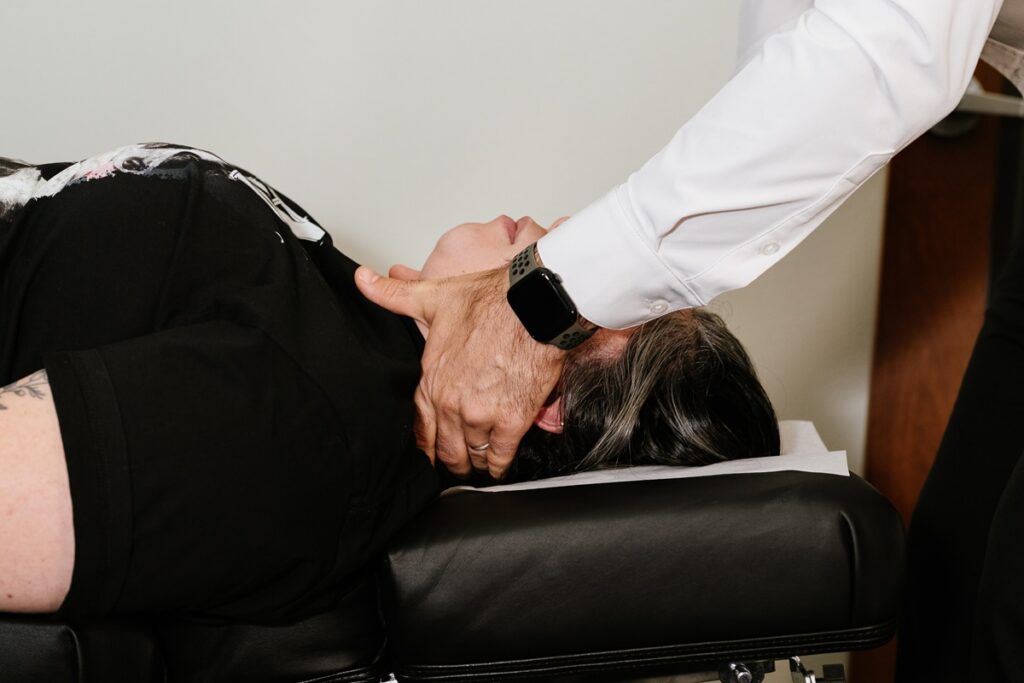
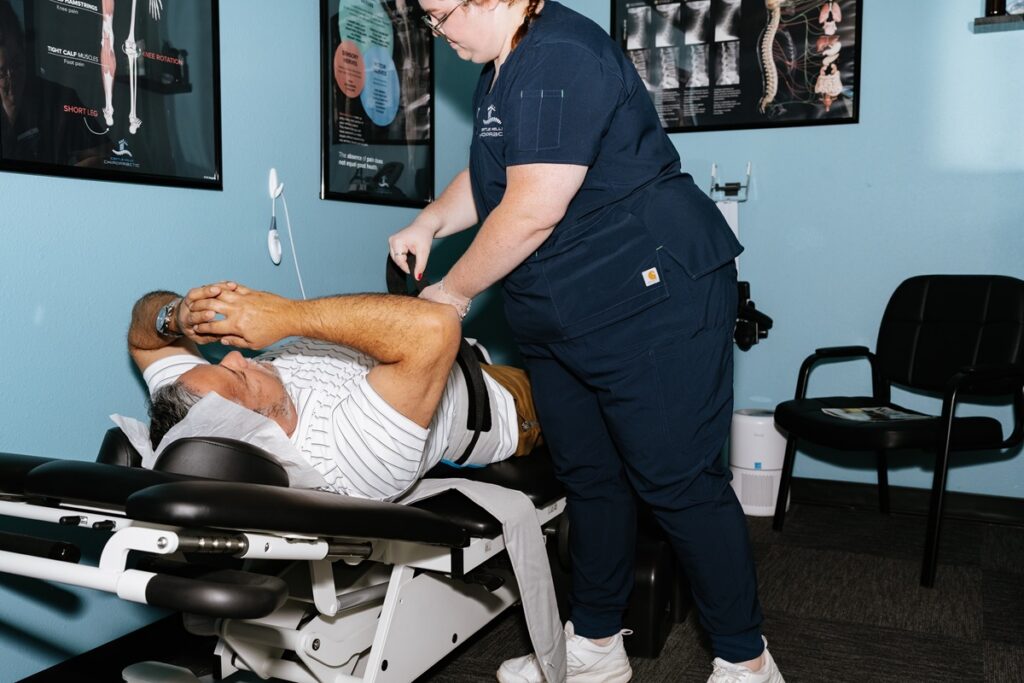
One of the best ways to address low back pain is through chiropractic care. Chiropractors are specially trained to identify and correct spinal misalignments that can contribute to pain and discomfort. With gentle adjustments, we can help restore proper alignment to your spine, improve your overall function, and promote natural healing.
Here are some practical tips you can incorporate into your daily routine to support your back health:
- Maintain Good Posture: Whether you’re sitting at a desk or standing, be mindful of your posture. Keep your shoulders back, your head aligned over your spine, and your feet flat on the floor.
- Stay Active: Regular physical activity can strengthen the muscles that support your back. Consider low-impact exercises like walking, swimming, or yoga to improve flexibility and strength.
- Practice Stress Management: High stress levels can lead to muscle tension in your back. Incorporate relaxation techniques such as deep breathing, meditation, or gentle stretching into your daily routine.
- Listen to Your Body: Pay attention to any signs of discomfort. If you feel pain or tension, it may be a signal to adjust your activity level or seek chiropractic care.
- Make Ergonomic Adjustments: If you spend long hours at a desk, ensure your workspace is ergonomically set up. Use a chair that supports your lower back, and keep your computer screen at eye level.
Remember, your journey to alleviating low back pain can begin with simple adjustments to your lifestyle. By prioritizing your spinal health and seeking chiropractic care, you can achieve optimal wellness and enjoy a pain-free life. If you’re experiencing discomfort, don’t hesitate to reach out to a chiropractor who can guide you through a personalized care plan tailored to your needs. Together, we can work towards a healthier, happier you!
Key Takeaways
As we age, our bodies naturally undergo changes that can lead to low back pain, such as dehydrated discs and weakened muscles. It’s important to understand that these changes are a normal part of life, but they can contribute to discomfort if not properly managed. One common condition, degenerative disc disease, occurs when our spinal discs wear down over time, which can lead to pain and stiffness.
Another factor to consider is our daily habits. Poor posture and ergonomics—like slouching while sitting or lifting heavy objects incorrectly—can put unnecessary strain on our spine and the surrounding muscles. By practicing good posture and using ergonomic tools, we can help alleviate some of this discomfort.
Emotional stress is also an often-overlooked contributor to back pain. When we’re stressed, our muscles tend to tense up, which can worsen existing pain. Incorporating relaxation techniques, such as deep breathing or gentle stretching, can help reduce muscle tension and promote a sense of well-being.
Additionally, leading a sedentary lifestyle can weaken our core muscles, which play a crucial role in supporting our spine. Engaging in regular physical activity, such as walking, swimming, or yoga, can strengthen these muscles and reduce the risk of injuries.
Chiropractic care is a fantastic way to address these issues naturally. By focusing on spinal alignment and overall wellness, chiropractic adjustments can relieve pain, improve mobility, and enhance your quality of life. If you’re experiencing low back pain, consider reaching out to a chiropractor who can help you develop a personalized plan for optimal health and pain relief. Remember, taking care of your spine is an essential part of taking care of your overall well-being!
Understanding the Anatomy of the Lower Back
Understanding the anatomy of the lower back is vital for grasping the causes of low back pain and how to achieve optimal health through natural methods. Your lower back, also known as the lumbar region, is made up of five vertebrae, intervertebral discs, muscles, and ligaments. The vertebrae provide essential structure and support, while the discs serve as shock absorbers, cushioning the bones during movement.
The muscles in this area play a crucial role in maintaining good posture and allowing for flexibility, enabling you to bend and twist with ease. Ligaments connect the vertebrae, providing stability to the entire spine.
When any part of this intricate system becomes injured or strained, discomfort can arise. For example, a herniated disc may press on nearby nerves, resulting in pain. Similarly, muscle strains from heavy lifting or awkward movements can lead to acute discomfort. By understanding how these elements work together, you can better identify potential issues and take proactive steps toward relief.
One of the best ways to promote healing and prevent future pain is through chiropractic care. Chiropractors specialize in aligning the spine and enhancing overall wellness. Regular adjustments can help restore proper function to your lower back, alleviate pain, and improve your quality of life.
In addition to chiropractic care, here are some simple tips for maintaining a healthy lower back:
- Practice Good Posture: Keep your back straight and shoulders back when sitting or standing.
- Use Proper Lifting Techniques: Bend your knees, not your back, when lifting heavy objects.
- Stay Active: Engage in regular physical activity to strengthen your core and back muscles.
- Stretch Daily: Incorporate gentle stretches into your routine to maintain flexibility.
- Listen to Your Body: If you feel pain, take a break and consult with your chiropractor.
Common Lifestyle Factors Contributing to Pain
Many people often overlook how their lifestyle choices can significantly affect low back pain. Your daily habits can play a crucial role in your comfort and well-being. For instance, leading a sedentary lifestyle can weaken your core muscles, which are vital for supporting your spine. If you find yourself sitting for long periods, you may not realize how much strain it puts on your back.
Nutrition is another important factor. A diet high in processed foods can lead to weight gain, which puts extra pressure on your lower back. Additionally, staying properly hydrated is essential; dehydration can cause muscle cramps and stiffness, making discomfort worse.
Stress and inadequate sleep can also amplify pain, as they lead to increased muscle tension and hinder your body’s natural healing processes. Smoking can further complicate matters by slowing down circulation, which is crucial for recovery.
Fortunately, you can make simple yet effective changes to support your spine and overall health. Incorporating regular exercise, such as walking or gentle stretches, can strengthen your core and improve flexibility. Eating a balanced diet rich in whole foods can help maintain a healthy weight and provide your body with the nutrients it needs. Also, practicing stress management techniques, like mindfulness or yoga, can help reduce tension.
The Impact of Poor Posture on Spinal Health
As a local chiropractor, I want to emphasize how poor posture can significantly affect your spinal health. You may not notice it, but when you slouch or hunch over, you’re putting extra strain on your spine and the muscles around it. This misalignment can lead to discomfort and tension, and if left unaddressed, it may result in chronic pain or more serious issues, such as herniated discs or spinal degeneration.
Many of our daily activities, like sitting for long periods or using our phones, can unknowingly reinforce poor posture. To combat this, I encourage you to practice good posture throughout your day. Sit up straight, pull your shoulders back, and keep your head aligned over your spine. Simple adjustments can make a big difference!
Incorporating regular breaks to stretch and move around can also help relieve tension.
Emotional Well-being and Its Role in Back Pain
While it mightn’t be immediately obvious, your emotional well-being plays a crucial role in how you experience back pain. Conditions like stress, anxiety, and depression can increase your sensitivity to pain, making it feel more intense than it truly is. When you’re feeling emotionally distressed, your body tends to tense up, which can lead to muscle strain and exacerbate discomfort.
It’s important to understand the strong connection between your mental state and physical health. When you’re overwhelmed, your posture may suffer, leading you to adopt positions that can strain your back. Instead of overlooking the importance of your emotional health, consider incorporating practices such as mindfulness and meditation into your routine. These natural approaches can help reduce stress, which may contribute to alleviating some of your back pain.
As a chiropractor, I want to emphasize that spinal health is essential for overall well-being. Regular chiropractic adjustments can help alleviate tension in your body, improve your posture, and enhance your emotional resilience. By receiving chiropractic care, you can support both your physical and mental health, creating a synergistic effect that promotes optimal wellness.
Here are some general tips you can incorporate into your daily life to further support your back health:
- Practice Good Posture: Be mindful of your posture while sitting, standing, and walking. Keeping your spine aligned can help reduce strain on your back.
- Stay Active: Engage in regular physical activity, such as walking or gentle stretching, to keep your muscles strong and flexible.
- Mindfulness Practices: Consider setting aside a few minutes each day for mindfulness or meditation. This can help calm your mind and alleviate stress.
- Stay Hydrated: Drinking plenty of water can help maintain the health of your spinal discs, which is vital for a healthy back.
- Visit Your Chiropractor: Regular chiropractic visits can help ensure your spine is aligned, reduce tension, and improve your overall health.
The Influence of Aging and Degenerative Conditions
As you age, your spine naturally undergoes structural changes that can lead to discomfort and pain. Conditions such as degenerative disc disease and osteoarthritis can often exacerbate these issues, making it even more challenging to stay active and enjoy your daily life. However, understanding how these factors impact your back health is crucial for managing and preventing discomfort.
Chiropractic care is a fantastic choice for addressing these age-related changes. By focusing on spinal health, a chiropractor can help restore proper alignment and mobility, relieving pain naturally without the need for medications or invasive procedures. Regular chiropractic adjustments can improve your overall well-being and enhance your body’s ability to heal itself.
Here are a few tips to help you maintain a healthy spine as you age:
- Stay Active: Gentle exercises like walking, swimming, or yoga can keep your spine flexible and strong. Movement is key to preventing stiffness and discomfort.
- Practice Good Posture: Be mindful of how you sit and stand. Keeping your spine aligned can help reduce strain on your back.
- Strengthen Your Core: A strong core supports your spine. Incorporate exercises that target your abdominal and back muscles.
- Stay Hydrated: Proper hydration is essential for maintaining the health of your spinal discs. Drink plenty of water throughout the day.
- Visit Your Chiropractor Regularly: Regular chiropractic check-ups can help monitor your spinal health and address any issues before they become more serious.
Age-Related Structural Changes
As we age, our spines undergo structural changes that can lead to low back pain, often due to natural wear and tear over time. One common issue is that our spinal discs can lose hydration and elasticity, which diminishes their ability to absorb shock. This can put extra pressure on the vertebrae and surrounding tissues, leading to discomfort.
Additionally, as we get older, our bone density tends to decrease, which can make our spines more vulnerable to fractures and injuries. The ligaments in our back may also thicken and lose flexibility, limiting our range of motion and increasing strain on our back. You may even notice changes in your posture as muscles weaken, which can result in misalignment and further discomfort.
The good news is that chiropractic care offers a natural and effective solution to address these age-related changes. Regular chiropractic adjustments can help restore proper alignment to your spine, reducing pressure on your nerves and easing pain. Chiropractic care also promotes mobility and flexibility, which can help you maintain a healthy, active lifestyle.
Here are a few tips to support your spinal health as you age:
- Stay Active: Gentle exercises like walking, swimming, and stretching can help keep your muscles strong and support your spine.
- Practice Good Posture: Be mindful of your posture when sitting, standing, or lifting. Good alignment can prevent unnecessary strain on your back.
- Consider Regular Chiropractic Visits: Regular check-ups with a chiropractor can help identify and correct misalignments before they lead to pain.
- Stay Hydrated: Drinking plenty of water is essential for maintaining the hydration of your spinal discs.
- Listen to Your Body: If you experience discomfort, it’s important to address it early. Chiropractic care can provide immediate relief and long-term solutions.
Degenerative Disc Disease
Understanding Degenerative Disc Disease and How Chiropractic Care Can Help
Degenerative Disc Disease (DDD) is a common condition that occurs when the spinal discs, which serve as cushions between the vertebrae, start to wear down over time.
As we age, these discs can lose hydration and elasticity, making them less effective at absorbing shock and leading to discomfort and stiffness—especially after sitting for long periods or engaging in physical activity.
Recognizing the Symptoms of DDD
Here are some signs you might experience if you’re dealing with DDD:
- Chronic pain in the back or neck
- Reduced mobility and flexibility
- Nerve pain that may radiate to your arms or legs
How Chiropractic Care Can Support Your Healing Journey
Instead of turning to medications or invasive procedures, chiropractic care offers a natural, holistic approach to managing DDD and its symptoms.
Here are some ways chiropractic care can help:
- Pain Relief: Chiropractors focus on spinal adjustments that can alleviate pain and improve function. By aligning the spine, you may experience reduced pressure on the discs and nerves, leading to less discomfort.
- Improved Mobility: Regular chiropractic adjustments can enhance your range of motion, making it easier to move without pain. This is essential for maintaining an active lifestyle.
- Lifestyle Modifications: Your chiropractor can provide guidance on lifestyle changes that support spinal health, such as proper posture, ergonomic work setups, and exercises that strengthen the back and core.
Tips for Managing DDD at Home
Here are some simple, effective strategies you can incorporate into your daily routine to support your spinal health:
- Stay Active: Engage in low-impact exercises like walking, swimming, or yoga to keep your spine flexible and strong.
- Practice Good Posture: Be mindful of your posture when sitting or standing. Use supportive chairs and take breaks to stretch if you work at a desk.
- Listen to Your Body: Pay attention to any signs of discomfort. If something doesn’t feel right, don’t hesitate to consult your chiropractor for personalized advice.
By focusing on these natural approaches and the benefits of chiropractic care, you can manage the symptoms of Degenerative Disc Disease effectively and enhance your overall quality of life.
Osteoarthritis Impact on Spine
As we age, our bodies undergo many changes, and one area that can be significantly affected is the spine. Osteoarthritis is a common condition that can lead to discomfort and reduced mobility in this vital part of our body. This degenerative issue occurs when the cartilage that cushions our joints, including those in the spine, starts to break down. When this happens, the bones may rub against one another, which can cause pain, inflammation, and stiffness. You may notice that certain activities, like bending, lifting, or sitting for extended periods, become uncomfortable.
One of the challenges with osteoarthritis is the potential formation of bone spurs, which can limit movement and even compress nearby nerves. Recognizing these symptoms early on is crucial for managing your condition effectively.
Here are some simple, practical tips to help you maintain a healthy spine and improve your quality of life:
- Stay Active: Regular exercise is key! Activities like walking, swimming, or gentle stretching can help keep your spine flexible and strong.
- Maintain a Healthy Weight: Keeping your weight in check reduces the stress on your joints and spine, which can alleviate pain and improve mobility.
- Consider Chiropractic Care: A chiropractor can provide natural, non-invasive treatments that focus on spinal alignment and overall wellness. Chiropractic adjustments can help relieve pain, improve range of motion, and promote healing.
- Practice Good Posture: Being mindful of your posture while sitting, standing, or lifting can help protect your spine from additional strain and discomfort.
- Listen to Your Body: If you experience discomfort, don’t push through the pain. Instead, take a break and allow your body to rest and recover.
The Connection Between Stress and Muscle Tension
When stress creeps into your life, it often leads to muscle tension, especially in the back. You may notice your shoulders feeling tight or your lower back aching, often without realizing the connection to stress. This muscle tension is your body’s way of reacting to emotional strain, causing your muscles to contract and remain in a state of readiness. Consequently, you might experience discomfort or pain that seems to appear out of nowhere.
As a chiropractor, I want to emphasize that managing stress is essential for alleviating muscle tension and maintaining a healthy spine. Simple practices like deep breathing, gentle stretching, and even going for a walk can significantly help reduce tension. It’s also important to identify and address your stressors, as this awareness can lower the strain on your muscles.
Chiropractic care plays a crucial role in helping you achieve optimal health and wellness. By addressing the underlying misalignments in your spine, we can help alleviate pain and improve your body’s response to stress. Regular chiropractic adjustments can enhance your overall well-being and help your body handle stress more effectively.
Identifying Underlying Health Issues That Cause Pain
Many people might not realize that persistent low back pain can originate from underlying health issues that go beyond just muscle tension or stress. Conditions such as arthritis, herniated discs, and even kidney problems could be contributing to your discomfort. Understanding these underlying issues is vital for effectively managing your pain and achieving optimal health.
As a chiropractor, I believe that natural healing through spinal care can be a key player in addressing these concerns without the need for invasive procedures or medication. Here’s a quick reference table to help you identify some common underlying health issues that might be affecting your back:
| Health Issue | Symptoms |
|---|---|
| Arthritis | Stiffness, swelling, pain |
| Herniated Disc | Numbness, weakness, shooting pain |
| Kidney Stones | Severe pain, blood in urine |
| Sciatica | Radiating pain down the leg |
If you suspect that an underlying issue may be causing your pain, it’s important to consult a healthcare professional, ideally one who understands the benefits of chiropractic care. Early diagnosis is key, and chiropractic adjustments can help realign your spine, relieve pressure on nerves, and promote overall wellness.
In addition to seeking chiropractic care, here are some general tips and tricks to help manage your pain and support a healthier lifestyle:
- Practice Good Posture: Pay attention to your posture throughout the day, whether you are sitting at a desk or lifting objects. Good posture can help reduce strain on your back.
- Stay Active: Engage in low-impact exercises such as walking, swimming, or yoga. These activities can strengthen your muscles and improve flexibility.
- Stretch Regularly: Incorporate gentle stretches into your daily routine to keep your muscles flexible and reduce tension.
- Maintain a Healthy Weight: Excess weight can put additional strain on your back, so focus on a balanced diet and regular exercise to achieve and maintain a healthy weight.
- Manage Stress: Stress can contribute to muscle tension and pain. Explore relaxation techniques such as deep breathing, meditation, or mindfulness.
Conclusion
Understanding the real causes of low back pain is essential for effective prevention and recovery, and as a local chiropractor, I want to emphasize the importance of addressing these issues naturally. Factors like poor posture, lifestyle choices, emotional health, and the natural aging process can all impact your spine. By recognizing these influences, you can take positive steps towards improving your overall well-being.
One of the best ways to support your spine is through chiropractic care. Regular adjustments can help realign your spine, improve your posture, and relieve tension in your muscles, ultimately leading to pain relief and better function.
Here are some simple tips you can incorporate into your daily routine:
- Strengthen Your Core: Engaging in exercises that target your core muscles can provide better support for your spine. Simple activities like planks or gentle yoga can make a big difference.
- Maintain Good Posture: Be mindful of your posture, whether sitting at a desk or standing. Keep your shoulders back, and your head aligned with your spine to reduce strain.
- Manage Stress: Stress can contribute to tension in your back. Techniques like deep breathing, meditation, or even regular chiropractic visits can help you manage stress effectively.
- Stay Active: Regular physical activity is vital for spinal health. Aim for low-impact exercises, such as walking or swimming, to keep your body moving without putting unnecessary strain on your back.
- Listen to Your Body: If you experience pain or discomfort, don’t ignore it. Seeking chiropractic care early can prevent minor issues from becoming more significant problems.
By focusing on these strategies and prioritizing chiropractic care, you’ll be well on your way to alleviating pain and enhancing your overall spinal health. Remember, a healthy spine is the foundation of a healthy life!