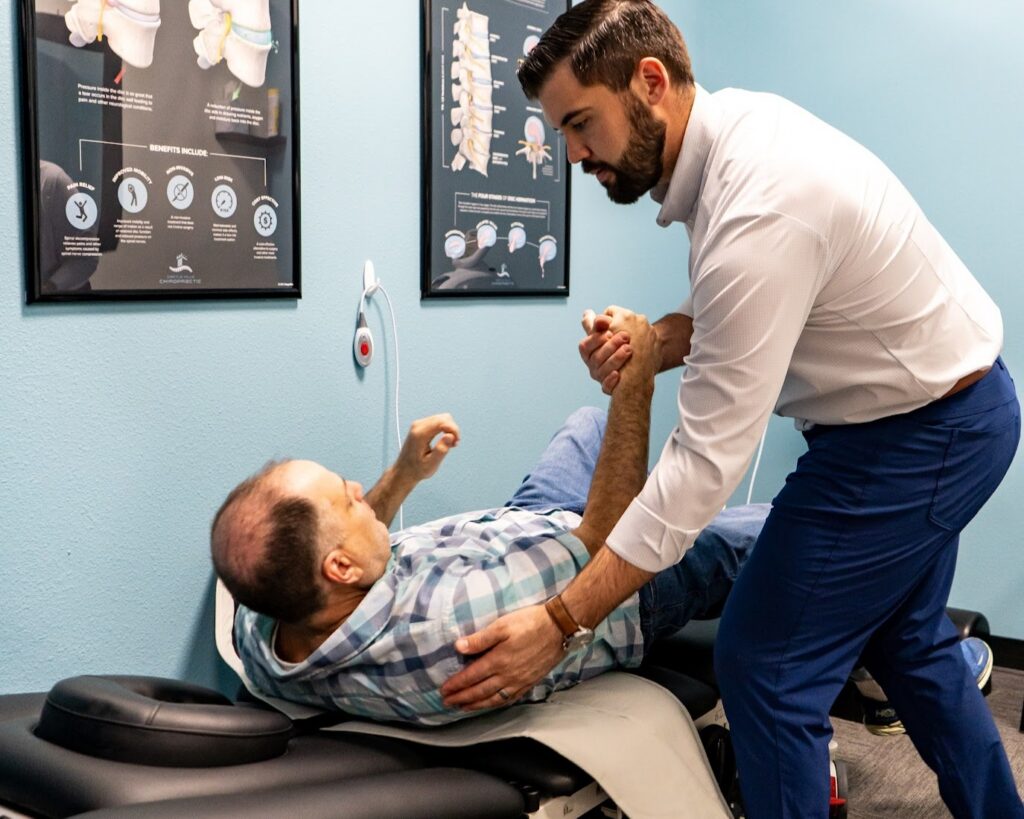

As a local chiropractor, I want you to know that if you're dealing with back pain, you're certainly not alone. Many people experience this discomfort, but the good news is that there are proven techniques we can use to help you find lasting relief. One of the first steps we often recommend is adjusting your posture, which can make a significant difference in how you feel daily.
Incorporating regular stretching and core strengthening exercises into your routine can also be incredibly beneficial for your back health. These practices not only help alleviate pain but can also prevent future issues. Additionally, I've seen how mindfulness techniques can enhance your overall pain management, promoting a deeper connection between your mind and body.
It's also important to consider how your workspace and lifestyle choices affect your back. Small changes in your daily habits can lead to significant improvements. If you're curious about specific strategies that can make a difference for you, I'm here to help guide you on your journey to better back health through chiropractic care and natural healing methods.
Understanding Back Pain
As a local chiropractor, I want to emphasize that back pain is a common issue, affecting nearly 80% of adults at some point in their lives. It can significantly disrupt your daily activities, but understanding the root of your back pain is crucial for finding effective relief.
Back pain can arise from various causes, including muscle strain, herniated discs, or degenerative conditions. You might experience different sensations, ranging from sharp, stabbing pains to a dull, persistent ache. Recognizing the type of pain you have can help us tailor the right treatment for you.
Acute back pain typically lasts a few days to weeks and is often triggered by a specific injury or event—perhaps you lifted something heavy or twisted your body suddenly. On the other hand, chronic back pain lasts for three months or longer and may be associated with underlying health issues. This type can be particularly frustrating, especially when the cause isn't clear.
It's also important to consider how your lifestyle choices impact your back health. Poor habits, such as sitting for extended periods, lack of exercise, or improper lifting techniques, can contribute to your discomfort. Stress and anxiety can lead to muscle tension, exacerbating your pain.
If you're experiencing back pain, I encourage you to pay close attention to your body. Keeping a pain diary can be a valuable tool in identifying your triggers and patterns.
Always feel free to reach out to a healthcare professional, like myself, for a proper assessment and a personalized treatment plan. Understanding your back pain, along with chiropractic care, is a vital step toward reclaiming your daily life and achieving lasting relief through natural healing methods.
Importance of Posture
As a local chiropractor, I want to emphasize the crucial role that your posture plays in both preventing and alleviating back pain.
Many people may not realize that simple adjustments to your sitting habits and standing alignment can significantly reduce the strain on your spine.
By incorporating these practices into your daily routine, you can enhance your comfort and overall health.
Let's take a closer look at how these small changes can have a profound impact on your well-being.
Correct Sitting Habits
As a local chiropractor, I can't stress enough the importance of maintaining correct sitting habits for your overall health and well-being. Poor posture while sitting can lead to discomfort and negatively impact your spinal health. When you take a seat, it's essential to pay attention to how you position yourself.
Start by ensuring that your feet are flat on the floor and your knees are bent at a right angle. This simple adjustment can make a significant difference in how your back feels. Choose a chair that offers proper support for your lower back, which is crucial for maintaining the natural curve of your spine. If your chair doesn't provide the necessary support, consider using a small cushion or a lumbar roll to enhance your comfort.
Your computer screen should be positioned at eye level to prevent straining your neck. This helps you maintain a neutral spine, which can significantly reduce the risk of developing back pain. Remember to keep your shoulders relaxed and steer clear of slouching. If you notice yourself leaning forward, take a moment to readjust your position to support your spine better.
I also recommend taking breaks every hour to stretch and move around. Regular movement keeps your muscles engaged and helps prevent stiffness, which is crucial for maintaining a healthy spine. By incorporating these habits into your daily routine, you can greatly enhance your overall well-being.
By being mindful of how you sit, you can create a more comfortable workspace and protect your back from unnecessary strain. Prioritizing proper sitting habits is a straightforward yet effective approach to promoting long-term spinal health.
If you ever have questions about your posture or back health, don't hesitate to reach out—I'm here to help you on your journey to better health through natural healing.
Standing Alignment Techniques
As a chiropractor, I want to emphasize the vital role that posture plays in your overall health, especially when you find yourself standing for long periods. Poor alignment can lead to discomfort and back pain, but with some simple adjustments, you can significantly improve your standing posture and reduce strain on your body.
To start, focus on distributing your weight evenly between both feet. Position your feet about hip-width apart to ensure stability. It's important to keep your knees slightly bent rather than locked, as this allows for natural movement and reduces tension in your joints.
Next, align your pelvis by gently tucking it under. This small adjustment helps maintain the natural curve of your lower back, which is crucial for preventing pain.
Engaging your core muscles is also key to supporting your spine. Picture pulling your belly button toward your spine; this technique helps stabilize your torso and provides better support for your back.
Be sure to keep your shoulders relaxed and rolled back, which opens up your chest and encourages better breathing. Your head should be aligned directly over your shoulders, with your ears in line with your hips, ensuring that your neck and spine are properly aligned.
Lastly, never underestimate the importance of taking breaks. Shifting your weight or taking a short walk every now and then can greatly relieve tension in your body.
Effective Stretching Techniques
As a local chiropractor, I want to emphasize the vital role that stretching plays in alleviating back pain and enhancing overall flexibility. Integrating effective stretching techniques into your daily routine can significantly reduce muscle tension and improve your range of motion.
Let's start with the cat-cow stretch. This simple exercise is performed on all fours—alternating between arching your back towards the ceiling and dipping it towards the floor. This dynamic movement not only promotes spinal flexibility but also helps relieve tension in the lower back, making it a great addition to your routine.
Next, consider incorporating the child's pose. To do this stretch, kneel on the floor, sit back on your heels, and reach your arms forward as you lower your forehead to the ground. Hold this position while taking several deep breaths; this allows your back to relax and releases built-up tension, which can be particularly beneficial for those experiencing discomfort.
Another excellent stretch is the seated forward bend. Sit with your legs extended in front of you, and gently bend forward from your hips to reach for your toes. This stretch specifically targets the hamstrings and lower back, helping to alleviate tightness and improve flexibility.
Don't overlook the knees-to-chest stretch. While lying on your back, pull your knees towards your chest and gently rock side to side. This movement can help relieve pressure in your lower back, offering a soothing effect that many of my patients find beneficial.
While stretching can be incredibly helpful, it's crucial to listen to your body. If you feel any pain while performing these stretches, it's important to ease off or modify your approach. Aim to hold each stretch for 15-30 seconds and repeat it 2-3 times for the best results.
Strengthening Core Muscles
As a local chiropractor, I want to emphasize the importance of strengthening your core muscles for maintaining stability and preventing back pain.
Many people may not realize that a strong core is crucial for the support of your spine. By incorporating effective core exercises into your daily routine, you can significantly enhance your overall back health.
Let's take a closer look at some simple yet effective routines that can make a real difference in how you feel and function.
Understanding and prioritizing core strength is a vital step in your journey towards natural healing and wellness.
Importance of Core Stability
As a local chiropractor, I want to emphasize the critical role that core stability plays in managing back pain—a topic that's often overlooked. A strong core is essential for supporting your spine and maintaining proper posture, which in turn reduces the strain on your back muscles.
When your core is stable, it acts as a natural brace for your spine, allowing you to move with improved balance and control. This not only helps alleviate existing discomfort but also plays a key role in preventing future injuries.
Many people think that core stability is just about having visible six-pack abs, but it's actually about a group of muscles working in harmony. This includes your abdominal muscles, lower back, hips, and pelvis.
When these muscles coordinate effectively, they create a solid foundation for all your daily movements—whether you're sitting, standing, or lifting objects. If your core muscles are weak, you may experience instability, which can lead to poor posture and an increase in back pain.
As your chiropractor, I encourage you to pay attention to your core stability as part of your overall health and wellness. Strengthening these muscles can significantly contribute to your recovery and help maintain a pain-free life.
Effective Core Exercises
As a local chiropractor, I want to emphasize the importance of building a strong core for your overall health and well-being. A well-developed core not only enhances your stability but also plays a crucial role in reducing back pain.
When your core muscles are strong, they provide essential support to your spine and help distribute weight evenly, which can minimize strain on your back.
To strengthen your core effectively, I recommend incorporating some key exercises that target the major muscle groups in your abdomen, back, and pelvis.
One of the best exercises to start with is the plank. This position engages multiple muscle groups at once. Aim to hold a plank for 20 to 30 seconds, and as you become stronger, gradually increase your hold time.
Another great exercise is the bridge. To perform this, lie on your back with your knees bent, then lift your hips toward the ceiling and hold for a few seconds before lowering back down. This movement effectively targets your glutes and lower back.
Don't forget about the dead bug exercise! Lie on your back and raise your legs while extending your arms toward the ceiling. Slowly lower one arm and the opposite leg, then switch sides. This exercise not only works your core but also promotes coordination.
Additionally, consider adding bird-dogs to your routine. Start on your hands and knees, extend one leg and the opposite arm, then switch sides. This exercise enhances your stability and balance.
By consistently practicing these core exercises, you'll build a stronger foundation that supports your back and significantly alleviates pain.
Daily Strengthening Routines
As a local chiropractor, I want to share with you the incredible benefits of incorporating daily strengthening routines into your life. These routines can significantly enhance your core stability and overall back health. By focusing on your core muscles, you establish a strong foundation that supports your spine, reduces strain, and alleviates pain.
I recommend starting with simple exercises like planks, bridges, and bird-dogs. These movements engage various muscle groups, helping you develop a well-rounded core. Aim for at least 10 to 15 minutes of exercise each day. You don't need any fancy equipment—your body weight is often sufficient to get started.
As you build strength and confidence, you can gradually increase the duration and intensity of your workouts or introduce resistance with dumbbells or resistance bands. It's crucial to maintain proper form during these exercises to prevent injuries and ensure you're getting the most benefit from your efforts.
Additionally, incorporating flexibility exercises such as yoga or Pilates can greatly enhance your routine. These practices promote better posture and help reduce tension in your muscles, which is vital for maintaining a healthy spine.
Remember, consistency is key. Making these routines a regular part of your daily life will lead to noticeable improvements in your strength and stability, ultimately providing lasting relief from back pain.
I encourage you to keep track of your progress and celebrate those small victories along the way to stay motivated. Prioritizing your core strength today will yield significant benefits for your overall health in the long run.
If you have any questions or need guidance on how to get started, feel free to reach out. Your journey towards better health is important, and I'm here to support you!
Physical Therapy Benefits
Managing back pain can often feel overwhelming, but as a local chiropractor, I want to share how chiropractic care can provide you with targeted benefits that greatly improve your condition. One key advantage of chiropractic treatment is the personalized approach we offer. During your initial assessment, I'll evaluate your specific situation and tailor a treatment plan that addresses your unique pain points and physical limitations. This individualized care allows us to effectively target the root causes of your discomfort.
Chiropractic care can also significantly enhance your range of motion and flexibility. Through hands-on adjustments and guided exercises, you'll learn how to move your body more efficiently, which can relieve strain on your back. Additionally, I'll provide you with insights into proper body mechanics, helping you avoid movements that could exacerbate your pain in the future.
Another important benefit of chiropractic care is its focus on pain management. We use various techniques—such as spinal adjustments, soft tissue therapy, and therapeutic modalities—to help reduce inflammation and ease your pain. I'll also teach you self-care techniques that you can implement at home, empowering you to take control of your recovery process.
Moreover, chiropractic care promotes long-term wellness. By improving your spinal alignment, strength, and stability, you're less likely to experience future back issues. Not only will you feel better, but you'll also gain confidence in your body's ability to perform daily activities without discomfort.
Ultimately, investing in chiropractic care can lead to lasting relief from back pain, helping you reclaim your quality of life and engage in the activities you love. Don't hesitate to reach out and explore how this natural healing approach can be a valuable part of your journey toward recovery.
Mindfulness and Relaxation
As a chiropractor, I want to emphasize the importance of incorporating mindfulness and relaxation techniques into your recovery journey, especially when dealing with back pain. These approaches are vital in helping you focus on the present moment and alleviating the stress and tension that can often worsen your discomfort. By cultivating mindfulness, you can learn to observe your thoughts and feelings without judgment, which can help prevent anxiety from escalating.
To begin, find a quiet space where you can either sit or lie down comfortably. Close your eyes and take deep, intentional breaths. Inhale slowly through your nose, allowing your abdomen to rise, and then exhale gently through your mouth. This simple breathing exercise can calm your nervous system and aid in releasing the tension that has built up in your back.
Additionally, guided imagery can significantly enhance your relaxation practice. Imagine a serene place—a beach, a forest, or any tranquil environment that resonates with you. Visualize yourself there, soaking in the warmth of the sun or feeling the gentle rustle of trees. This mental retreat can help divert your attention from pain and foster a sense of well-being.
Another effective technique is progressive muscle relaxation. This method involves systematically tensing and then relaxing different muscle groups throughout your body, starting from your toes and working up to your head. By doing so, you can identify specific areas of tension and consciously let go of that tightness.
As your chiropractor, I encourage you to integrate these mindfulness and relaxation practices into your routine. They can complement your chiropractic care, helping you achieve better overall health and relief from pain.
Ergonomic Workspace Adjustments
As your local chiropractor, I want to emphasize the importance of creating an ergonomic workspace to help alleviate back pain. One of the first steps is to adjust your desk height so that your elbows form a comfortable angle while you type. This simple adjustment can significantly reduce strain on your back and neck.
Additionally, pay close attention to the support features of your chair. A chair that promotes proper posture is essential for maintaining spinal health throughout your workday.
Desk Height Optimization
As a chiropractor, I often emphasize the importance of finding the right desk height to promote comfort and prevent back pain, especially for those of you who spend long hours working.
If your desk is positioned too high or too low, it can lead to poor posture, placing unnecessary strain on your back and other parts of your body.
To find your ideal desk height, stand with your arms relaxed at your sides and bend your elbows at a 90-degree angle. When you sit comfortably in your chair, your desk should align with your elbows. This alignment is crucial for maintaining a healthy posture throughout your workday.
Additionally, make sure your feet are flat on the ground and your knees are at a right angle. If your current desk setup doesn't allow for this, consider investing in a height-adjustable desk or adding risers to your existing setup to achieve the right height.
It's also vital to keep your monitor at eye level to prevent leaning forward or tilting your neck, as these positions can contribute to discomfort and pain.
Furthermore, check that the depth of your desk allows you to sit back in your chair while still having your arms comfortably supported on the surface.
By optimizing your desk height, you create a workspace that supports your body's natural alignment, making it easier to concentrate on your tasks without the distraction of discomfort or pain.
Chair Support Features
As a local chiropractor, I want to emphasize the importance of a supportive chair in your workspace when it comes to reducing back pain and enhancing overall productivity. Many people aren't aware that the right chair can make a significant difference in how your body feels throughout the day.
When selecting a chair, it's crucial to look for adjustable features that cater to your specific body shape and size. One key aspect to consider is lumbar support. A chair that supports the natural curve of your spine is essential, as it provides vital support to your lower back and can help prevent discomfort.
Make sure the seat height is adjustable so that your feet can rest flat on the floor, keeping your knees at a 90-degree angle. This position is important for maintaining proper posture and reducing strain on your back. Adjustable armrests can also be beneficial; they should support your arms without causing your shoulders to rise, which can lead to tension in the neck and shoulders.
Additionally, pay attention to the seat depth. You should be able to sit comfortably with a few inches of space between the back of your knees and the edge of the seat. This ensures that your legs are supported without cutting off circulation.
Opting for a chair with breathable fabric can enhance your comfort during long hours of sitting, allowing you to focus on your tasks rather than discomfort.
Lastly, a swivel base is a feature I highly recommend, as it promotes mobility and helps you reach for items without straining your back.
By investing in a chair that incorporates these supportive features, you're taking an important step toward alleviating back pain and fostering a healthier, more productive workspace.
Heat and Cold Therapy
As a local chiropractor, I want to share with you the benefits of heat and cold therapy for managing back pain. These natural methods can offer immediate relief and support your body's healing process, making them valuable tools to incorporate into your pain management strategy.
When applying heat, it serves to relax tight muscles, enhance blood circulation, and alleviate stiffness in the affected area. You might find a heating pad, warm towel, or hot water bottle particularly helpful. I recommend applying heat for about 15-20 minutes at a time, and be sure to allow your skin to cool down between applications.
If you enjoy warm baths or showers, they can also be very soothing and effective for relief.
Conversely, cold therapy is excellent for reducing inflammation and numbing sharp pain. You can use ice packs or even a bag of frozen vegetables wrapped in a cloth to protect your skin. Similar to heat, apply the cold source for 15-20 minutes, but ensure it doesn't come into direct contact with your skin to avoid frostbite.
Cold therapy is particularly beneficial after strenuous activity or if you've recently sustained an injury.
A great strategy is to alternate between heat and cold therapies based on your needs. For instance, start with cold therapy to minimize swelling, and then switch to heat to promote muscle relaxation.
It's important to listen to your body; if either method seems to aggravate your pain, I encourage you to stop using it.
By incorporating both heat and cold therapy into your daily routine, you can find significant relief and enhance your body's natural healing process.
As your chiropractor, I'm here to support you on this journey towards better health and wellness.
Alternative Treatments
As a local chiropractor, I want to take a moment to address those of you who may be struggling with back pain and are curious about alternative treatments. Many individuals turn to these options when traditional methods haven't provided the relief they're seeking.
Allow me to introduce you to some effective solutions, starting with chiropractic care. Chiropractic care is a hands-on approach that focuses on spinal manipulation to enhance alignment and mobility in your body. When your spine is properly aligned, it can significantly reduce back pain and improve your overall health. Many of my patients experience immediate relief after their first adjustment, and I often encourage regular visits to maintain long-term wellness.
In addition to chiropractic adjustments, I often recommend complementary therapies such as acupuncture. This ancient practice involves the careful insertion of thin needles into specific points on your body, promoting healing and alleviating pain. I've seen numerous patients report substantial relief after just a few sessions.
Massage therapy is another excellent option that can work in harmony with chiropractic care. It not only relaxes tight muscles but also boosts circulation, which aids in the healing process. Depending on your preferences, you can choose from various techniques like deep tissue, Swedish, or trigger point massage to address your specific needs.
Moreover, incorporating herbal supplements with anti-inflammatory properties, such as turmeric or ginger, may provide additional relief. However, it's essential to consult with a healthcare professional before trying any new supplements to ensure they're safe and effective for you.
Lastly, mind-body techniques like yoga and meditation can be invaluable in managing pain. These practices foster mindfulness and body awareness, which can greatly influence how you perceive and cope with discomfort.
I encourage you to explore these alternative treatments, as they may lead you to the relief you've been searching for. Stay open-minded, and don't hesitate to reach out for professional guidance to find the best approach for your unique situation. Your journey to wellness is just a step away!
Lifestyle Changes for Prevention
As a local chiropractor, I want to share some valuable insights on how you can't only find relief from back pain but also take proactive steps to prevent it from happening in the first place.
One of the most crucial aspects to focus on is your posture. Whether you're sitting at a desk or lifting heavy items, it's vital to maintain a neutral spine. If you spend long hours at a desk, consider investing in ergonomic furniture, and always remember to bend your knees when lifting to alleviate strain on your back.
Incorporating regular exercise into your lifestyle is another key element. Strengthening your core muscles can significantly support your spine and lower the risk of injury. I recommend a balanced routine that includes cardiovascular activities, strength training, and flexibility exercises, such as yoga or Pilates.
These practices not only boost your physical fitness but also enhance your overall well-being.
It's also important to recognize the impact of maintaining a healthy weight. Carrying excess weight can put extra pressure on your spine and back muscles. A balanced diet filled with fruits, vegetables, lean proteins, and whole grains can help you achieve and maintain a healthy weight, which in turn supports your back health.
Lastly, don't overlook the importance of rest and recovery. If you're feeling fatigued or stressed, your body becomes more susceptible to injury. Ensure you're getting adequate sleep, and consider integrating relaxation techniques into your routine, such as deep breathing exercises or meditation.
These practices can help your body heal and prepare for the challenges of daily life. By taking these steps, you can cultivate a healthier spine and enjoy a more active, pain-free lifestyle.
Conclusion
As your local chiropractor, I want to share some proven techniques that can help you achieve lasting relief from back pain. It's essential to incorporate these practices into your daily routine. First and foremost, pay attention to your posture. Maintaining proper alignment can significantly support your spine and overall health.
Regular stretching is another key component; it helps keep your muscles flexible and reduces tension. Additionally, strengthening your core is vital—it provides essential support for your back and can help prevent future pain.
Don't overlook the importance of physical therapy; it can be an excellent complement to chiropractic care. Making ergonomic adjustments to your workspace is also crucial—simple changes can make a big difference in how your body feels throughout the day.
I encourage you to embrace mindfulness and consider lifestyle changes that promote prevention. This proactive approach not only helps you manage pain but also enhances your overall quality of life. Take charge of your back health today, and together, we can work towards a pain-free future!