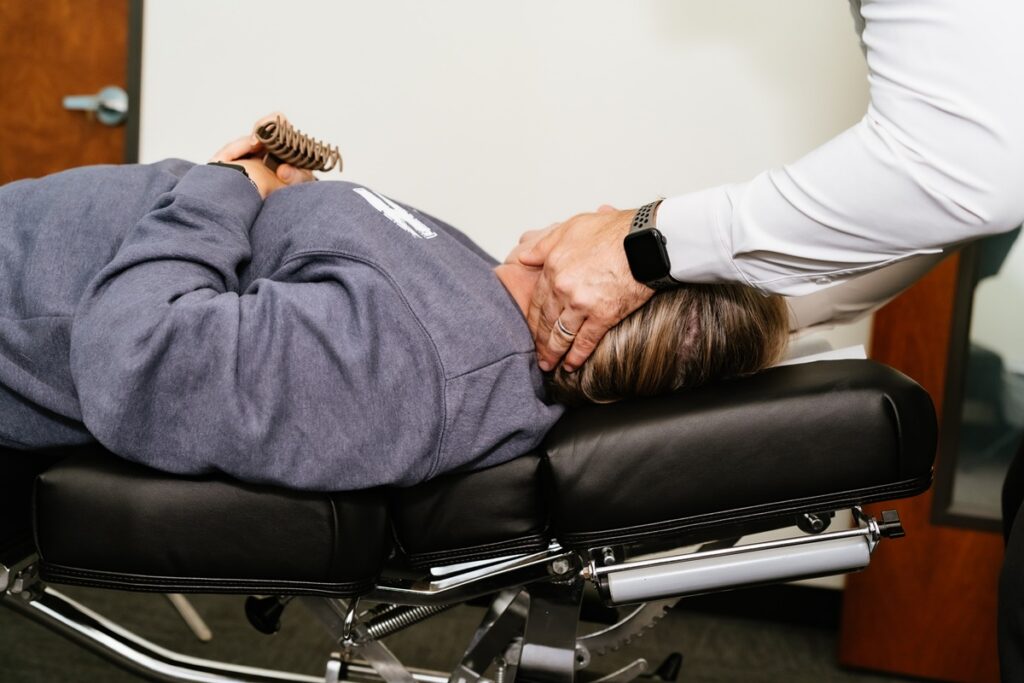

Did you know that your posture plays a crucial role in your low back pain? Many people don’t realize that slouching or sitting incorrectly can put unnecessary pressure on your spine, leading to discomfort and strain. By understanding how posture affects your back health, you can take proactive steps to alleviate pain and improve your overall well-being.
Here are some practical strategies to enhance your posture and find relief:
- Sit Smart: When sitting, ensure your back is straight and your shoulders are relaxed. Use a chair that supports the natural curve of your spine. Consider placing a small cushion or lumbar roll in your lower back for added support.
- Stand Tall: Practice standing with your feet shoulder-width apart and your weight evenly distributed. Keep your shoulders back and your head held high, as this will help align your spine.
- Take Breaks: If you work at a desk or sit for long periods, make it a habit to stand up and stretch every 30 minutes. Simple stretches can help alleviate tension and promote better posture.
- Strengthen Your Core: Engaging in exercises that strengthen your core muscles can provide better support for your spine. Consider incorporating activities like yoga or Pilates into your routine.
- Chiropractic Care: Regular visits to a chiropractor can help you maintain proper alignment and posture. Chiropractic adjustments can relieve pain, enhance mobility, and promote natural healing, making it one of the best choices for achieving optimal health.
By implementing these tips and considering chiropractic care, you can improve your posture, alleviate low back pain, and enhance your overall health. Remember, a healthy spine is the foundation of a healthy life!
Key Takeaways
Good posture is essential for maintaining a healthy spine and can play a significant role in relieving low back pain. When your spine is properly aligned, it reduces the strain on your muscles and ligaments, which can help alleviate discomfort. By keeping your spine in alignment, you also prevent nerve compression that may lead to radiating pain, such as that experienced with sciatica.
When sitting for extended periods, it’s important to keep your feet flat on the ground and your knees at hip level. This simple adjustment can help minimize strain on your lower back. Remember to take regular breaks to stand, stretch, and walk around. These small movements can relieve tension and promote better spinal health.
One of the most effective ways to support your spine and improve your posture is by strengthening your core muscles. A strong core provides stability for your spine and helps maintain proper alignment, contributing to long-term relief from low back pain.
As a chiropractor, I encourage you to consider chiropractic care as a natural and effective approach to achieving optimal health and wellness. By addressing the root cause of your discomfort, chiropractic adjustments can help restore balance to your body, leading to improved function and a reduction in pain. Remember, your journey to better spinal health starts with making mindful choices about your posture and seeking the right care.
Understanding the Anatomy of the Back
The back is a remarkable and intricate structure that plays a vital role in your overall posture and well-being. It comprises bones, muscles, ligaments, and nerves that work together to support your body and facilitate movement. At the core of this structure is the spine, or backbone, which houses the spinal cord and is divided into three main sections: the cervical, thoracic, and lumbar regions. Each section has specific roles, from protecting essential nerves to allowing for flexibility and movement.
Your muscles, such as the erector spinae and multifidus, are crucial for stabilizing your spine and maintaining good posture. Ligaments connect your bones, providing stability, while discs serve as shock absorbers between the vertebrae, cushioning your spine as you move. By understanding this anatomy, you can see how posture significantly impacts your back’s health.
When you practice proper alignment, you reduce strain on these structures, promoting comfort and preventing pain. Here are some simple tips to help you maintain a healthy back:
- Mind Your Posture: Whether sitting, standing, or walking, keep your shoulders back, head held high, and spine aligned. Good posture can prevent unnecessary strain on your back.
- Stay Active: Regular physical activity strengthens your back muscles and improves flexibility. Aim for low-impact exercises, like walking, swimming, or yoga, which can enhance your overall back health.
- Lift Properly: When lifting heavy objects, bend your knees and keep your back straight to avoid injury.
- Take Breaks: If you sit for long periods, take regular breaks to stretch and move around. This helps to alleviate tension in your back muscles.
- Consider Chiropractic Care: Regular visits to a chiropractor can help ensure your spine is properly aligned, relieving pain and enhancing your overall health. Chiropractic adjustments can promote natural healing, improve posture, and increase mobility, making it an excellent choice for maintaining a healthy back.
The Impact of Poor Posture on Spinal Health
When you slouch or sit improperly, your spinal health can suffer significantly. Poor posture puts extra pressure on your spine, leading to misalignment and discomfort.
Over time, this strain can cause the intervertebral discs to wear down, which can result in pain and reduced mobility. You might also notice muscle tension as your back muscles overwork to compensate for the misalignment.
Ignoring your posture may lead to chronic issues such as herniated discs and nerve compression. It’s not just about how you sit; even standing or walking with poor posture can negatively affect your spinal alignment.
This can make it harder for your body to maintain balance and stability, potentially worsening any existing pain.
The good news is that by being mindful of your posture, you can greatly improve your spinal health. Here are some simple tips to help you maintain better posture and support your spine:
- Sit Up Straight: Keep your back straight and shoulders relaxed. Use a chair that supports your lower back.
- Take Breaks: If you sit for long periods, make sure to stand up and move around every 30-60 minutes. This helps relieve tension and keeps your spine flexible.
- Strengthen Your Core: Engaging in exercises that strengthen your core muscles can provide better support for your spine.
- Mind Your Footwear: Wear supportive shoes, especially if you spend a lot of time standing or walking. Avoid high heels when possible.
- Chiropractic Care: Regular visits to a chiropractor can help keep your spine aligned and alleviate discomfort. Chiropractic adjustments are a natural and effective way to support your spinal health.
By making small changes to your daily routine and incorporating chiropractic care, you can enhance your comfort and mobility. Prioritizing your posture not only helps prevent pain but can lead to a healthier, more active lifestyle.
Common Postural Mistakes That Lead to Pain
Everyday activities can often lead to common postural mistakes that trigger pain, and as a chiropractor, I want to help you understand these issues and how to address them. One frequent error is slouching while sitting. This posture places unnecessary stress on your spine and can weaken your back muscles over time, leading to discomfort. To improve your sitting posture, make sure your feet are flat on the floor, and your back is straight against the chair.
Another mistake many people make is standing with their weight shifted to one leg. This creates an imbalance that can strain your lower back. Instead, try to distribute your weight evenly on both feet and engage your core muscles for added support.
Don’t forget about proper lifting techniques! Bending at the waist instead of using your legs can lead to injuries. Always remember to bend your knees and keep your back straight when lifting heavy objects. This simple adjustment can protect your spine and prevent pain.
Additionally, crossing your legs while sitting can tighten your hips and pelvis, contributing to misalignment. Instead, try to sit with your legs uncrossed and your knees aligned with your hips.
How Posture Affects Muscle Function
Good posture is crucial for how your muscles function, and maintaining proper alignment is essential for your overall health and wellness. When you slouch or lean in uncomfortable ways, certain muscles can become overworked while others may weaken, leading to imbalances that affect your strength and can even cause pain or discomfort.
Here’s how good posture supports your muscle function and overall well-being:
- Engagement: When your posture is aligned correctly, the right muscles can work together effectively. This engagement enhances your overall strength and can help you feel more energetic throughout the day.
- Efficiency: Proper alignment reduces unnecessary strain on your muscles, allowing them to function at their best. This means you can go about your daily activities with less fatigue and more comfort.
- Balance: Maintaining good posture promotes an even distribution of weight across your body. This helps to keep your muscles balanced, reducing the risk of injury and discomfort.
To support your journey toward better posture and muscle function, consider implementing these simple tips:
- Mind Your Posture: Regularly check in with your body throughout the day. Whether sitting at a desk or standing, ensure your shoulders are back and your spine is aligned.
- Strengthen Your Core: Engaging in exercises that strengthen your core muscles can provide better support for your spine and promote better posture.
- Take Breaks: If you’re sitting for long periods, take short breaks to stretch and move around. This can help reset your posture and relieve any built-up tension.
- Chiropractic Care: Regular visits to a chiropractor can help ensure your spine is properly aligned, which can improve your posture and muscle function. Chiropractic adjustments can address any misalignments and support your body’s natural healing processes.
The Connection Between Posture and Nerve Health
Proper posture is essential not just for looking good, but for your overall health, especially when it comes to nerve health. When you maintain good alignment while sitting or standing, you’re significantly reducing the pressure on your spinal column, where your nervous system resides. Misalignment can lead to pinched nerves, which often results in discomfort or pain that can radiate to other areas of your body.
By keeping your spine in a neutral position, you promote optimal blood flow and nutrient delivery to your nerve tissues. This allows your nerves to function efficiently, transmitting signals smoothly without interruptions. You may not realize it, but slouching or hunching can compress the space around your nerves, which can lead to issues like sciatica or tingling sensations in your limbs.
As a chiropractor, I want to emphasize the importance of posture and how it relates to your health. Here are a few simple tips to help you improve your posture and, in turn, support your nerve health:
- Sit Up Straight: When sitting, make sure your back is straight, and your shoulders are relaxed but back. Your feet should be flat on the floor, and your knees should be at or below hip level.
- Stand Tall: When standing, distribute your weight evenly on both feet. Keep your head over your shoulders and your shoulders over your hips. Engage your core to help maintain balance.
- Take Breaks: If you’re sitting for long periods, take breaks every 30 minutes to stand up, stretch, and walk around. This helps keep your spine and nerves healthy.
- Use Ergonomic Furniture: Consider using chairs and desks that support good posture. Ergonomic designs encourage natural spinal alignment.
- Stay Active: Regular physical activity strengthens your muscles and improves your flexibility, which can help maintain good posture.
Strategies for Improving Posture
To enhance your posture and support your overall health, it’s important to incorporate practical strategies that align with your daily life. Small, consistent changes can significantly improve your spinal alignment and reduce discomfort.
Here are three effective strategies to consider, all of which complement the benefits of chiropractic care:
- Strengthen Your Core Muscles: Focusing on exercises that strengthen your abdominal and back muscles is vital. A strong core not only supports your spine but also plays a crucial role in maintaining good posture. Consider activities like planks or gentle yoga that can help build strength while being mindful of your body’s alignment.
- Pay Attention to Your Alignment: Throughout the day, take a moment to check in on your posture. Whether you’re sitting at a desk or standing in line, ensure your shoulders are back, your head is aligned over your spine, and your feet are flat on the ground. This mindfulness can help reinforce good habits. Regular chiropractic adjustments can also help you maintain this alignment, as your chiropractor can provide guidance tailored to your specific needs.
- Incorporate Stretching: Regular stretching can be a game-changer for relieving tension in tight muscles and promoting a relaxed posture. Pay special attention to areas like your hips, chest, and shoulders. Simple stretches throughout the day can keep your muscles flexible and make it easier to maintain proper posture. Remember, chiropractic care often includes stretching recommendations that are personalized to support your unique spinal health.
Ergonomic Solutions for Daily Activities
Improving your posture is just the beginning; incorporating ergonomic solutions into your daily routine is essential for preventing low back pain and enhancing your overall well-being. As a chiropractor, I want to share simple yet effective tips to help you achieve a healthier lifestyle.
Start by arranging your workspace to support a neutral spine. Adjust your chair height so that your feet rest flat on the floor and your knees are at hip level. Consider using a lumbar support cushion to help maintain the natural curve of your lower back, which is crucial for spinal health.
When it comes to lifting objects, remember to bend at your knees, not your waist. Keeping the load close to your body reduces strain on your back and helps prevent injury. Additionally, if you spend long hours sitting, make it a habit to take regular breaks to stand, stretch, and walk around. This movement is vital for keeping your spine healthy and can help relieve tension.
If you’re working on a computer, position your monitor at eye level to avoid straining your neck. Good alignment is key to preventing discomfort. Lastly, consider using ergonomic tools like specially designed keyboards and mice to reduce strain on your wrists and hands.
Exercises to Strengthen Postural Muscles
To effectively support your posture and achieve optimal health, it’s essential to strengthen the muscles that stabilize your spine.
As a chiropractor, I believe that core stability exercises play a vital role in building a strong foundation for your body.
Additionally, strengthening your upper back is crucial for maintaining proper alignment and preventing discomfort.
Incorporating these exercises into your daily routine can significantly reduce low back pain and enhance your overall posture, allowing you to live a healthier, more active life.
Here are some simple tips to get you started:
- Start with Core Exercises: Engage in activities like planks, bridges, and pelvic tilts. These exercises target your core muscles, which support your spine and help maintain good posture.
- Focus on Upper Back Strengthening: Try rows, shoulder blade squeezes, and wall angels. These movements strengthen the muscles that keep your shoulders back and your spine aligned.
- Practice Good Posture: Remember to sit and stand tall. Keep your shoulders relaxed and your chin parallel to the ground. This simple awareness can make a big difference.
- Take Breaks from Sitting: If you work at a desk, make sure to stand up and stretch every hour. This helps relieve tension and promotes better posture.
- Consider Chiropractic Care: Regular chiropractic adjustments can help ensure your spine is aligned, enhancing the effectiveness of your strengthening exercises and reducing pain.
By focusing on these strategies, you can support your body, reduce discomfort, and embrace a healthier lifestyle naturally.
Core Stability Exercises
When it comes to alleviating low back pain, incorporating core stability exercises into your routine can greatly enhance your recovery and overall well-being. Strengthening your core not only provides essential support for your spine but also improves your posture, helping you to feel better day by day.
Here are some simple and effective exercises to help you build a solid foundation for your health:
- Planks: This exercise is excellent for engaging your core. Simply hold your body in a straight line while resting on your forearms and toes. Focus on tightening your abdominal muscles throughout the duration of the hold. Aim for 20-30 seconds and gradually increase as you become stronger.
- Bridges: Lie on your back with your knees bent and feet flat on the ground. Gently lift your hips towards the ceiling while squeezing your glutes. This creates a straight line from your shoulders to your knees. Hold for a few seconds before lowering back down. This exercise not only strengthens your core but also helps alleviate tension in your lower back.
- Bird-Dogs: Begin on all fours (hands and knees). Extend one arm forward while simultaneously extending the opposite leg back. Hold this position for a moment, focusing on maintaining balance and stability. Alternate sides. This exercise helps improve coordination and strengthens your spine and core at the same time.
In addition to these exercises, remember to listen to your body. If you’re experiencing discomfort, it may be beneficial to consult with a chiropractor.
Chiropractic care focuses on natural healing and can play a vital role in managing pain and improving your overall health. Regular adjustments can enhance your body’s ability to heal, allowing you to perform these exercises with greater ease.
Make these core stability exercises a part of your daily routine, and you’ll be taking an important step towards a healthier, pain-free life. Remember, chiropractic care can complement your efforts, helping you achieve optimal health without the need for medications or invasive procedures.
Stay active, stay strong, and prioritize your spinal health!
Upper Back Strengthening
Building a strong core is crucial for enhancing your upper back strength, which plays a vital role in maintaining good posture and preventing discomfort, especially in the lower back.
As a chiropractor, I recommend incorporating exercises that focus on your upper back, such as rows, reverse flys, and wall angels. These movements can be easily done at home with light weights or resistance bands. It’s important to prioritize proper form and control as you perform these exercises, so start with lighter resistance and gradually increase it over time.
For best results, aim for three sets of 10-15 repetitions, and make sure to engage in these exercises at least two to three times a week. This consistency will help you build strength and support better posture, which in turn reduces strain on your spine and alleviates discomfort.
In addition to these exercises, consider adding yoga or Pilates into your routine. These practices not only improve flexibility but also strengthen the upper back, promoting overall spinal health. Remember, chiropractic care is an excellent way to enhance your wellness journey. Regular adjustments can help keep your spine aligned and functioning optimally, supporting your efforts to strengthen your upper back and improve your posture.
As you work on these exercises, listen to your body and make adjustments as needed. If you experience any pain or discomfort, don’t hesitate to consult with your chiropractor for personalized guidance. By actively focusing on your upper back strength and overall spinal health, you’ll be taking significant steps toward a healthier, pain-free life.
Long-term Benefits of Maintaining Good Posture
Maintaining good posture isn’t just about looking confident; it’s essential for your long-term health, particularly when it comes to your spine. As a local chiropractor, I want to emphasize that prioritizing proper alignment is a powerful step towards achieving a healthier future. Here are some key benefits you can expect from maintaining good posture, along with tips on how chiropractic care can support you:
- Reduced Pain: By practicing good posture, you can alleviate chronic back pain and discomfort. This means you can enjoy your daily activities without the nagging pain that often holds you back. Regular chiropractic adjustments can help keep your spine aligned, reducing tension in your muscles and joints.
- Enhanced Mobility: When your spine is aligned properly, it leads to improved flexibility and range of motion. This is crucial as we age, helping you stay active and agile. Chiropractic care can enhance your body’s natural movement by ensuring that your joints are functioning optimally.
- Better Breathing: Good posture opens up your chest, allowing for deeper breaths and increased oxygen flow. This can boost your overall energy levels and improve your mental clarity. A chiropractor can teach you posture-correcting exercises that not only enhance your alignment but also promote better breathing.
Tips for Maintaining Good Posture:
- Be Mindful of Your Sitting Position: Ensure your back is straight and your feet are flat on the floor when seated. Consider using a chair that supports your lower back.
- Strengthen Your Core: Strong abdominal and back muscles support good posture. Incorporate exercises like planks and bridges into your routine to build strength.
- Take Breaks: If you’re sitting for long periods, make sure to stand up, stretch, and walk around regularly. This helps relieve tension and keeps your body moving.
- Use Ergonomic Tools: If you work at a desk, consider using ergonomic furniture that promotes good posture, such as adjustable chairs and desks.
Remember, chiropractic care is your best ally in achieving and maintaining good posture for pain relief and overall wellness. By combining proper alignment with these simple tips, you can lay the groundwork for a healthier, more active life.
If you’re experiencing discomfort or want to improve your posture, don’t hesitate to reach out for a consultation!
Conclusion
Incorporating good posture into your daily routine is essential for alleviating low back pain and enhancing your overall well-being. As a chiropractor, I can’t stress enough how important it is to understand your body’s alignment and recognize common postural mistakes. By making small adjustments, you can support your spinal health and improve muscle function naturally.
One of the best ways to maintain good posture is by staying aware of your body’s position throughout the day. Whether you’re sitting at a desk or standing in line, keep your shoulders back, your head aligned over your spine, and your feet shoulder-width apart. These simple changes can reduce strain on your back and help prevent discomfort.
Additionally, I recommend incorporating posture-strengthening exercises into your routine. These exercises not only help reduce pain but also promote long-term stability. Think of activities like planks, bridges, or simple stretches that can strengthen your core and back muscles.
Remember, chiropractic care is a fantastic resource for achieving optimal health. A chiropractor can help you understand your posture better and provide personalized strategies for maintaining a healthy spine. Regular adjustments can improve your alignment, relieve pain, and enhance your body’s overall function.
So, take charge of your posture today! By making these small changes and considering chiropractic care, you can pave the way for a healthier, pain-free tomorrow. Your body will thank you!