
Poor posture is a significant factor that can contribute to low back pain, often without you even realizing it. Many people find themselves slouching or leaning forward, which places unnecessary stress on the spine and the surrounding muscles. It’s crucial to understand how your posture impacts your body, especially when it comes to relieving discomfort.
So, what can you do to enhance your alignment and ease that pain? First, let’s recognize the strong connection between posture and back pain, and how simple adjustments can lead to substantial relief.
- Be Mindful of Your Sitting Position: When sitting, ensure that your back is straight, shoulders relaxed, and feet flat on the floor. A supportive chair can make a world of difference.
- Strengthen Your Core: A strong core supports your spine. Incorporate exercises like planks and bridges into your routine to help stabilize your back.
- Take Regular Breaks: If you sit for long periods, stand up and stretch every 30 minutes. Simple stretches can alleviate tension and improve circulation.
- Use Ergonomic Tools: Invest in ergonomic furniture or tools that promote good posture, such as standing desks or lumbar supports. These can help you maintain proper alignment throughout the day.
- Practice Good Posture While Standing: Keep your weight evenly distributed on both feet, engage your core, and avoid locking your knees. This helps maintain a healthy spine.
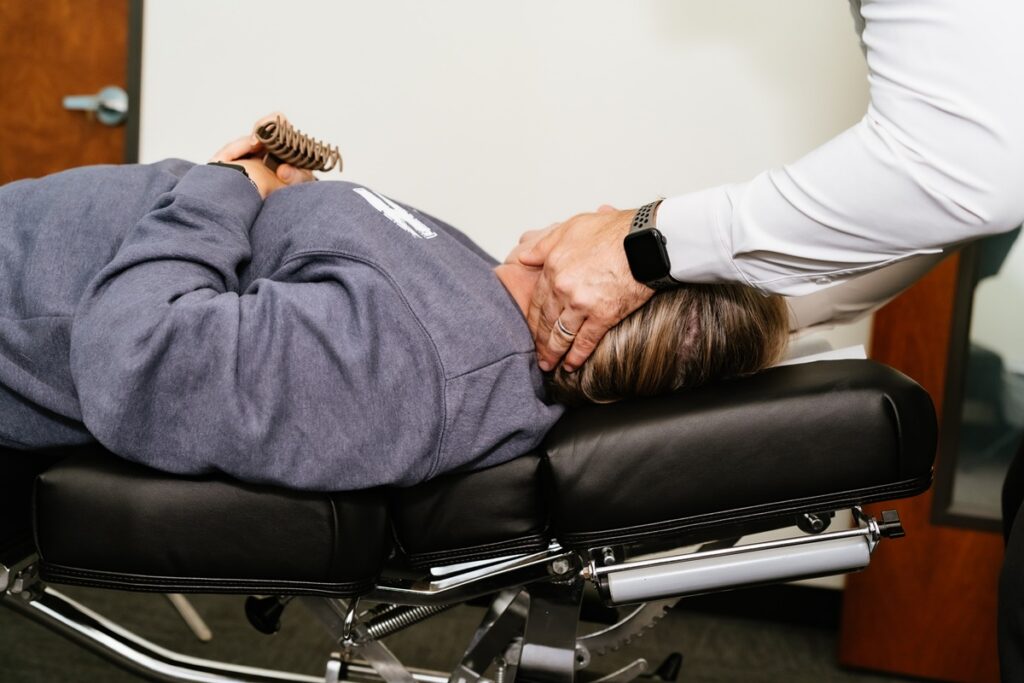
Remember, chiropractic care is an excellent option for addressing posture-related pain and enhancing overall wellness. A chiropractor can provide personalized adjustments and guidance to help you achieve optimal alignment. By making these simple changes and considering chiropractic support, you can take significant steps toward relieving low back pain and improving your quality of life. Your journey to better health starts with understanding and adjusting your posture!
Key Takeaways
Posture plays a crucial role in relieving low back pain, and as a chiropractor, I’m here to share how you can improve your spinal health naturally.
Maintaining good posture helps keep your spine in a neutral position, which means your body can evenly distribute weight. This reduces strain on your lower back and the muscles around it, making a noticeable difference in how you feel. When your spine is aligned properly, it can help prevent chronic pain and improve your mobility by relieving unnecessary pressure on your joints and muscles.
One simple tip is to regularly check your posture throughout the day. Whether you’re sitting at your desk or standing in line, small adjustments can significantly lessen discomfort during daily activities. This practice not only enhances your comfort but also contributes positively to your overall quality of life.
Incorporating low-impact exercises and stretches into your routine is another effective way to support your spinal flexibility and promote back pain relief. Gentle movements can help keep your spine healthy and strong.
Consider your workspace too—using ergonomic furniture can greatly encourage better posture. By setting up your workstation to support your spine, you can lower your risk of injury and long-term spinal issues.
Remember, chiropractic care is a natural and effective way to achieve optimal health. By focusing on your posture and spinal health, you can take significant steps toward a pain-free life. If you’re experiencing discomfort, I encourage you to consult with a chiropractor who can guide you on your journey to wellness. Together, we can work towards a healthier, happier you!
Understanding Low Back Pain
Many people experience low back pain at some stage in their lives, but understanding its causes and symptoms can empower you to take charge of your health. Low back pain is often the result of muscle strains, ligament sprains, or injuries from repetitive movements. It can also be triggered by conditions like herniated discs or arthritis.
The symptoms can vary widely; you might feel a dull ache, a sharp pain, or even stiffness in your lower back. Sometimes, this discomfort can radiate down your legs, making everyday activities a challenge. It’s crucial to listen to your body and know when to seek help. If your pain lingers for more than a few weeks or if you experience numbness or weakness in your legs, it’s a good idea to consult a healthcare professional.
Chiropractic care is an excellent option for addressing low back pain and promoting overall wellness. Chiropractors focus on aligning the spine and improving your body’s natural ability to heal itself. Regular adjustments can help relieve pain, restore mobility, and prevent future occurrences.
Here are a few tips you can incorporate into your daily routine to support your back health:
- Maintain Good Posture: Whether sitting at a desk or standing, keeping good posture can alleviate stress on your back.
- Stay Active: Engage in low-impact activities like walking or swimming. Exercise strengthens the muscles around your spine and can help prevent pain.
- Stretch Regularly: Gentle stretching can improve flexibility and reduce tension in your back muscles.
- Listen to Your Body: If a certain movement causes pain, stop and consult a chiropractor for advice on how to move safely.
- Use Ergonomic Furniture: If you work from home or at a desk, investing in ergonomic furniture can make a significant difference in your back health.
The Impact of Poor Posture
You might be surprised to learn just how common posture mistakes are and the serious consequences they can lead to. Poor alignment can create unnecessary strain on your muscles and joints, which may result in long-term back issues that interfere with your daily life. As a chiropractor, I want to help you understand how these posture pitfalls can affect your overall well-being and how chiropractic care can be the key to achieving optimal health.
When you have poor posture, it can lead to discomfort and pain that not only disrupts your day but can also hinder your ability to enjoy activities you love. The good news is that with proper spinal alignment through chiropractic care, you can experience relief from pain and improve your quality of life.
Here are some simple tips to help you maintain good posture throughout your day:
- Mind Your Sitting Position: When sitting, ensure your feet are flat on the floor, your back is straight, and your shoulders are relaxed. Consider using a supportive chair that promotes good alignment.
- Stand Tall: When standing, keep your weight evenly distributed on both feet. Imagine a string pulling you upward from the top of your head to encourage a straight spine.
- Take Breaks: If you work at a desk or spend long hours in one position, take regular breaks to stretch and walk around. This helps relieve tension and encourages better posture.
- Strengthen Core Muscles: Incorporating exercises that strengthen your core can provide better support for your spine. This can alleviate strain and improve your overall posture.
- Be Mindful of Your Phone: When using your phone, hold it at eye level instead of bending your neck down. This simple adjustment can prevent neck strain.
By focusing on these practical tips and considering chiropractic care, you can take proactive steps toward a healthier, pain-free life. Regular chiropractic adjustments help align your spine, reduce tension, and promote natural healing, allowing you to live your best life.
Let’s work together on this journey to better health and wellness!
Common Posture Mistakes
Many people underestimate how much poor posture can affect their overall health, often leading to chronic low back pain. It’s easy to find yourself slouching at your desk, leaning forward while using your phone, or hunching over during meals. These common habits can put unnecessary strain on your spine and the muscles around it, causing discomfort.
One of the key things to remember is the importance of maintaining proper alignment while standing or walking. You mightn’t realize it, but uneven weight distribution can lead to significant discomfort over time. Additionally, crossing your legs or sitting on an unstable surface can throw off your balance and lead to more issues down the road.
As a chiropractor, I want to emphasize that good posture is essential for your spine’s health and your overall well-being. Here are some simple tips to help you improve your posture throughout your day:
- Sit Smart: Choose a chair that supports your lower back. Your feet should be flat on the floor, and your knees should be at a 90-degree angle.
- Screen Height: When working on a computer, make sure your screen is at eye level to avoid leaning forward.
- Take Breaks: If you sit for long periods, take short breaks to stand, stretch, and walk around. This helps relieve tension and keeps your body aligned.
- Mind Your Phone: Hold your phone at eye level instead of looking down, which can strain your neck.
- Strengthen Your Core: Engaging in exercises that strengthen your core muscles can provide better support for your spine.
If you’re experiencing discomfort or pain, consider chiropractic care as a natural and effective way to address these issues. Chiropractic adjustments can help realign the spine, relieve tension, and promote healing.
Consequences of Poor Alignment
Poor posture doesn’t just lead to discomfort; it can have serious implications for your overall health and well-being. When you slouch or hunch over, you’re putting unnecessary strain on your muscles and joints, which can result in fatigue and make it harder for you to focus and stay productive throughout the day.
One significant impact of poor alignment is on your breathing. A compressed chest restricts lung capacity, limiting your oxygen intake, which can leave you feeling sluggish. You may also find that you experience tension headaches due to tight muscles in your neck and shoulders, further complicating your daily life.
Over time, these issues can build up, leading to chronic pain and reduced mobility. That’s where chiropractic care comes in! By seeking the help of a chiropractor, you can address alignment issues and promote better posture, which is vital for your overall health. Regular chiropractic adjustments can relieve tension, improve your body’s alignment, and enhance your breathing, leading to a more energetic and productive life.
In addition to chiropractic care, here are some simple tips to help you maintain good posture and support your spine daily:
- Be Mindful of Your Posture: Whether sitting at a desk or standing, keep your shoulders back and your spine straight.
- Take Frequent Breaks: If you’re sitting for long periods, stand up, stretch, and move around every 30 minutes to keep your muscles active.
- Strengthen Your Core: Engaging in exercises that strengthen your core muscles can provide better support for your spine.
- Adjust Your Workspace: Ensure your desk and chair are ergonomically designed to support good posture.
Long-term Back Issues
Maintaining good posture may seem like a small detail, but its long-term effects on your health can be significant. As a chiropractor, I’ve seen firsthand how neglecting proper posture can lead to chronic back issues. Poor posture puts unnecessary strain on your spine and surrounding muscles, which can result in pain that travels down into your legs or hips. This discomfort can become a constant part of your life, making everyday activities challenging and reducing your overall quality of life.
In addition to pain, poor posture can limit your flexibility and strength, making even simple tasks feel daunting. Over time, ignoring these posture-related issues can lead to more serious conditions like herniated discs or spinal degeneration.
The good news is that you can take proactive steps today to avoid these long-term problems. Here are some tips to help you maintain good posture and promote a healthier lifestyle:
- Be Mindful of Your Posture: Whether you’re sitting at a desk or standing, keep your shoulders back, your spine straight, and your head aligned over your shoulders. Regularly check in with your posture throughout the day.
- Strengthen Your Core: Engaging in exercises that strengthen your core muscles can provide better support for your spine. Consider activities like yoga or pilates, which not only enhance strength but also improve flexibility.
- Take Breaks: If you’re sitting for long periods, make it a habit to stand up, stretch, and move around every 30 minutes. This helps relieve tension and resets your posture.
- Use Ergonomic Furniture: Invest in a chair that supports your lower back and promotes good posture. Make sure your workspace is set up to keep your body in a comfortable, natural position.
- Seek Chiropractic Care: Regular visits to a chiropractor can help keep your spine aligned and address any posture-related issues before they become chronic problems. Chiropractic care is a natural and effective way to promote your overall health and wellness.
How Posture Affects the Spine
Your posture is crucial for maintaining proper spinal alignment, which directly affects how you feel and function on a daily basis. When your posture is poor, it can lead to muscle imbalances that put extra strain on your back, often resulting in pain and discomfort.
As a chiropractor, I want to emphasize the importance of creating a supportive and ergonomic environment for your spine. Simple adjustments in your daily habits can make a significant difference.
Here are some tips you can easily incorporate into your routine:
- Mind Your Sitting Position: Ensure that your chair supports your lower back. Keep your feet flat on the floor, and avoid crossing your legs to promote better circulation.
- Take Frequent Breaks: If you sit for long periods, stand up and stretch every 30 minutes. This helps relieve tension and keeps your muscles active.
- Strengthen Your Core: A strong core supports your spine. Incorporate exercises like planks and bridges into your routine to build strength in this area.
- Practice Good Standing Posture: When standing, distribute your weight evenly on both feet and keep your shoulders back. This alignment reduces the strain on your spine.
- Choose Supportive Footwear: Wearing shoes that provide good arch support can help maintain proper alignment, especially if you’re on your feet a lot.
- Consider Chiropractic Care: Regular chiropractic adjustments can help align your spine and relieve pain naturally. It’s a gentle, effective way to support your body’s healing process and maintain optimal health.
By focusing on these simple tips and incorporating chiropractic care into your wellness routine, you can cultivate a healthier spine and enjoy a more comfortable, active lifestyle.
Spinal Alignment Importance
Good posture is vital for maintaining the health and alignment of your spine, which in turn affects your overall well-being. When your spine is properly aligned, it reduces stress on your muscles and ligaments, helping to lower the risk of back pain. By being mindful of your posture throughout your daily activities, you can support your spine in maintaining its natural curve. Here’s a simple breakdown of how different postures can impact your spinal health:
| Posture Type | Spinal Impact |
|---|---|
| Slouched | Increases pressure on spinal discs |
| Neutral | Distributes weight evenly across the spine |
| Leaning Forward | Strains the lower back muscles |
| Supported Sitting | Maintains the spine’s natural curvature |
Remember, good posture isn’t just about sitting up straight; it’s about finding the position that keeps your spine healthy. Here are some tips you can use to improve your posture and support your spinal health:
- Be Mindful of Your Sitting Habits: Choose chairs that provide proper support and encourage a neutral spine position. If sitting for long periods, take breaks to stand and stretch.
- Strengthen Your Core: A strong core helps support your spine. Incorporate exercises like planks and bridges into your routine to build strength.
- Practice Good Lifting Techniques: When lifting heavy objects, bend at your knees and keep the object close to your body. This reduces strain on your back.
- Stay Active: Regular physical activity helps keep your spine flexible and strong. Consider activities like walking, swimming, or yoga.
- Visit Your Chiropractor Regularly: Chiropractic care can help maintain spinal alignment and address any issues before they become painful. Your chiropractor can provide personalized advice and techniques tailored to your needs.
Muscle Imbalance Consequences
Muscle imbalances can significantly affect your spinal health, often leading to discomfort and pain. When some muscles are overactive while others are underactive, your body has a tough time staying aligned.
For example, tight hip flexors can pull your pelvis forward, which can increase the curve in your lower back. This misalignment puts extra stress on your spine, causing pain and limiting your mobility. You may also find that weak core muscles don’t provide enough support for your lower back, worsening the situation.
Poor posture can play a big role in these imbalances, creating a cycle of discomfort that can be hard to break. Fortunately, chiropractic care is an excellent way to address these muscle imbalances. By working with a chiropractor, you can improve your posture, relieve pain, and promote better spinal health naturally.
Here are some general tips you can implement to help with muscle imbalances:
- Stay Active: Engage in regular physical activity to keep your muscles strong and flexible.
- Focus on Core Strength: Incorporate exercises that strengthen your core, which can help support your spine.
- Stretch Regularly: Stretch tight muscles, especially those that tend to become tight from prolonged sitting or poor posture.
- Be Mindful of Your Posture: Whether sitting or standing, try to maintain a neutral spine position to support your body’s alignment.
Ergonomics and Support
When it comes to maintaining spinal health, proper ergonomics and support are essential for achieving good posture. As a chiropractor, I want to emphasize the importance of your workspace setup in promoting spinal alignment. Ensure your chair provides adequate support for your lower back, and that your feet rest flat on the floor. Position your computer screen at eye level to prevent unnecessary strain on your neck.
If you find yourself sitting for extended periods, remember to take breaks! Stand up, stretch, and reset your posture regularly. Simple stretches can help relieve tension and keep your spine healthy. Investing in ergonomic tools like a standing desk or supportive cushions can also enhance your comfort and make a significant difference in your daily life.
It’s important to recognize that how you position yourself during daily activities directly impacts your spine’s health. By prioritizing these adjustments, you can alleviate discomfort and prevent future pain, all while supporting your body’s natural healing process.
Chiropractic care is an excellent option for pain relief and achieving optimal health. Regular chiropractic adjustments can help ensure that your spine remains in alignment, promoting better posture and overall wellness. Remember, good posture is key to a healthier, pain-free back. Take these tips to heart, and consider incorporating chiropractic care into your routine for natural healing and long-term relief.
Common Postural Mistakes
While many people may not realize it, common postural mistakes can significantly impact your overall health, particularly leading to low back pain. As a chiropractor, I see firsthand how habits like slouching in your chair—whether at work or home—put unnecessary strain on your spine.
When you lean forward or hunch over your desk, it creates muscle imbalances that can lead to discomfort and tension in your back.
Another common issue is crossing your legs while sitting. This can misalign your pelvis and spine, contributing to lower back pain. Instead, try to keep your feet flat on the ground and your knees at a right angle for better alignment.
When standing, be mindful of locking your knees, as this can create pressure on your lower back. A simple tip is to maintain a slight bend in your knees to support your spine better. If you carry heavy bags, consider using a backpack or distributing the weight evenly on both shoulders to keep your posture balanced.
Being aware of these habits is the first step toward making positive changes. By correcting these postural mistakes, you can alleviate pain and promote a healthier spine.
Remember, chiropractic care is an excellent option for addressing these issues and achieving optimal health. Regular adjustments can help improve your posture, reduce discomfort, and enhance your overall well-being.
Take charge of your health today—your spine will thank you!
Benefits of Good Posture
Correcting postural mistakes can lead to significant improvements in your overall health, especially when it comes to relieving back pain.
As a chiropractor, I want to emphasize that good posture is essential for distributing your body weight evenly, which reduces strain on your muscles and ligaments. When your body is balanced, you’ll experience less discomfort and a lower risk of injuries, allowing you to enjoy your daily activities without pain.
Maintaining proper posture also enhances your breathing and circulation. With better alignment, oxygen flows more freely throughout your body, boosting your energy levels, focus, and productivity.
Not only does good posture positively impact your physical well-being, but it can also elevate your confidence, making you feel more self-assured in both social and professional situations.
Furthermore, adopting a straight spine and aligned body is vital for preventing long-term complications like chronic pain or spinal issues. By embracing good posture, you’re not only addressing your current discomfort but also investing in your future health and wellness.
Prioritizing posture and incorporating chiropractic care into your routine can be a game-changer for achieving optimal health.
Here are some simple tips to improve your posture:
- Mind your alignment: When sitting or standing, keep your shoulders back and your head aligned over your spine.
- Take breaks: If you work at a desk, make sure to take regular breaks to stretch and move around. This helps prevent stiffness and promotes better posture.
- Strengthen core muscles: Incorporate exercises that strengthen your core, as a strong core supports your spine and encourages proper posture.
- Set up your workspace ergonomically: Ensure that your chair, desk, and computer screen are positioned to promote good posture.
- Visit your chiropractor: Regular chiropractic adjustments can help maintain proper alignment and address any postural issues you may have.
By focusing on these tips and considering chiropractic care, you can take significant steps toward better posture and overall health.
Tips for Maintaining Proper Posture
To maintain proper posture throughout your day, it’s crucial to be aware of how your body is aligned during various activities. As a chiropractor, I can’t stress enough how important good posture is for spinal health and overall well-being. Here are some tips to help you keep your spine happy and healthy.
First, let’s talk about your workstation. Make sure your monitor is at eye level—this helps prevent straining your neck. Your chair should support your lower back to keep your spine in a natural curve. When sitting, keep your feet flat on the floor and your knees at a right angle. If your chair doesn’t support you well, consider using a cushion or lumbar roll.
If you’re using your phone often, try to hold it at eye level instead of bending your neck down. This simple adjustment can significantly reduce strain on your neck and shoulders.
When standing, distribute your weight evenly on both feet and engage your core muscles. This not only supports your spine but also helps you feel more balanced.
While walking, keep your head up and shoulders back, letting your arms swing naturally at your sides. This promotes better posture and encourages a more natural gait. Remember to take regular breaks to stretch and reset your posture, especially if you’re sitting for long periods. Simple stretches can relieve tension and help maintain your body’s alignment.
Incorporating these small adjustments into your daily routine can make a big difference in how your body feels. Remember, chiropractic care is an excellent way to achieve and maintain optimal health. Regular adjustments can help ensure that your spine stays aligned and free from pain. So, make posture a priority and consider visiting a chiropractor for personalized advice and care. Your body will thank you!
Exercises to Improve Posture
Improving your posture is an essential part of maintaining overall health and wellness, and it can be significantly enhanced through specific exercises that strengthen and stretch key muscle groups. As a chiropractor, I want to emphasize the importance of these exercises for supporting your spine and promoting optimal alignment.
Start with core strengthening exercises like planks and bridges. These movements build stability in your core, which is crucial for supporting your spine. Adding back extensions is also beneficial as they target the muscles along your spine, helping you maintain an upright position and reducing the risk of discomfort.
Stretching is equally important! Simple neck stretches and shoulder rolls can help relieve tension and improve flexibility. Consider incorporating chest openers into your routine to counteract the forward hunch many of us develop from prolonged sitting. These stretches not only feel great but also help align your spine.
Aim to incorporate these exercises into your routine at least three times a week. As you strengthen your muscles and enhance flexibility, you’ll find it easier to maintain proper posture throughout your day. Remember, consistency is key—making these exercises a regular habit can lead to significant improvements in your posture and a reduction in low back pain.
In addition to these exercises, consider regular chiropractic care as a natural way to support your body’s alignment and promote healing. Chiropractic adjustments can help relieve pain, improve mobility, and enhance your overall well-being, allowing you to live a healthier life. By combining exercise with chiropractic care, you’ll be taking powerful steps toward achieving optimal health and wellness.
Ergonomic Solutions for Everyday Activities
Incorporating ergonomic solutions into your daily activities is a fantastic way to enhance your overall health and support your spine. As a chiropractor, I can’t emphasize enough how important good posture is for preventing discomfort and promoting wellness.
Start by adjusting your workstation to create an environment that supports your spine. Ensure that your chair provides adequate lower back support, and keep your feet flat on the ground. Your computer screen should be positioned at eye level to help prevent neck strain, which is common among those who spend long hours at a desk.
If you’re sitting for extended periods, it’s crucial to take regular breaks. Stand up, stretch, and walk around to give your body a chance to reset. This can help reduce tension in your back and promote better blood flow.
In the kitchen, be mindful of how you reach for items. Use a step stool to access high shelves instead of bending or twisting, which can lead to injury. When lifting objects, always bend your knees and keep your back straight. This simple technique can significantly reduce the risk of strain and injury.
For those moments spent on your phone, try to hold it at eye level. This helps prevent hunching and keeps your spine aligned. Even during leisure activities like reading or watching TV, choose a supportive chair and focus on maintaining good posture.
When to Seek Professional Help
While many individuals can alleviate mild back discomfort through home remedies and ergonomic adjustments, there are crucial moments when seeking professional help, like chiropractic care, is essential.
If your pain lingers for more than a few days or intensifies despite your best efforts, it’s a signal not to ignore. It’s also wise to consult a chiropractor if you experience ongoing numbness, tingling, or weakness in your legs, as these symptoms could point to underlying nerve issues.
If your discomfort is accompanied by unexplained weight loss, fever, or changes in your bowel or bladder habits, it’s important to seek immediate attention from a healthcare professional. However, before reaching that point, consider visiting a chiropractor, who specializes in spinal health and natural healing. Early intervention through chiropractic care can help prevent further complications and promote your body’s natural ability to heal.
A chiropractor can create a tailored treatment plan using techniques such as spinal adjustments, which can realign your spine and alleviate pressure on nerves, leading to pain relief and improved function. You might also benefit from advice on exercise, posture, and lifestyle adjustments that can support your recovery and enhance your overall well-being.
Conclusion
To wrap up, maintaining good posture is essential for alleviating low back pain and improving your overall health. By being aware of how you hold your body, you can significantly lessen the pressure on your spine and avoid discomfort. Simple adjustments, like sitting up straight and keeping your shoulders back, can make a big difference.
In addition to mindful posture, consider incorporating exercises to strengthen your core and hip muscles. These areas play a crucial role in supporting your lower back. Activities like gentle stretches, yoga, or Pilates can be beneficial. Remember, making ergonomic changes in your workspace and daily routines can also help reduce strain on your back.
If you’re still experiencing pain, chiropractic care is an excellent option. A chiropractor can provide tailored adjustments and techniques that help restore proper alignment to your spine, promoting natural healing and pain relief. Emphasizing a holistic approach, chiropractic care focuses on your body’s innate ability to heal itself, offering a safe and effective way to achieve optimal health.
By following these simple tips and seeking chiropractic support, you can take important steps towards a healthier, pain-free life. Remember, your well-being is within reach!