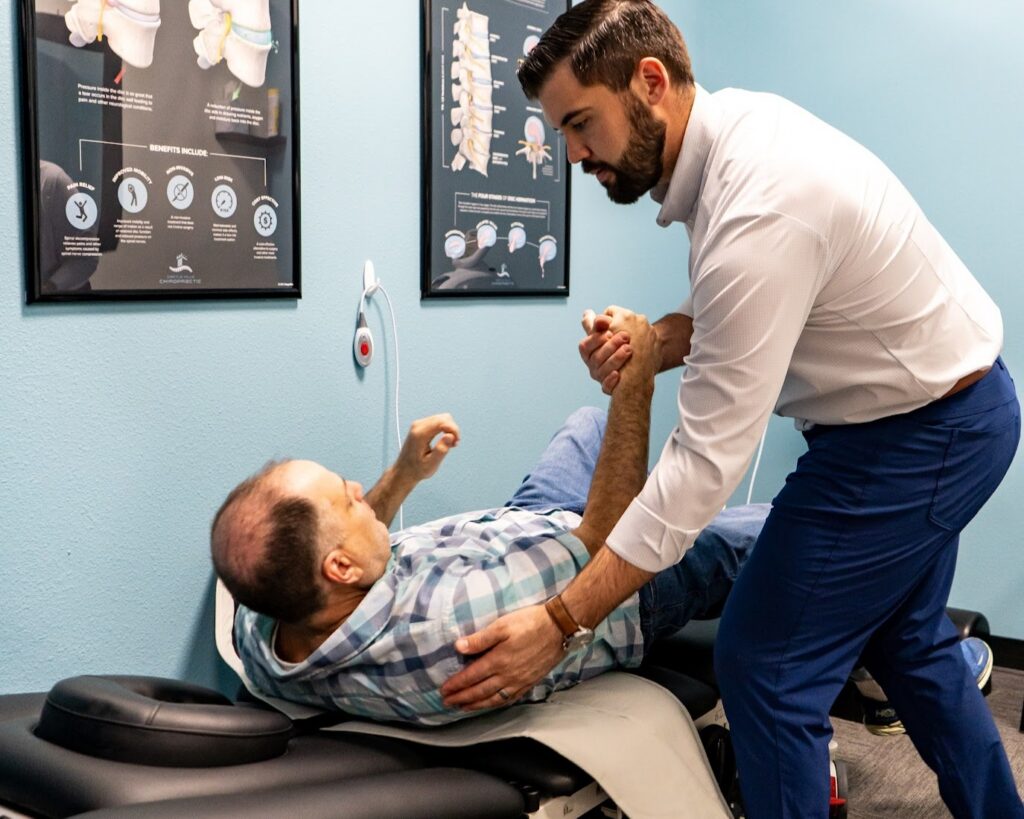

When you're dealing with chronic pain, it's easy to feel overwhelmed, but managing it through preventative care can make a significant difference. By focusing on lifestyle changes, such as regular exercise and a balanced diet, you can not only alleviate some discomfort but also enhance your overall well-being. Incorporating routine check-ups allows for tailored approaches that adapt to your needs. However, understanding which strategies work best for you is essential, and that's where the conversation gets interesting. What are the most effective changes you can start implementing today?
Understanding Chronic Pain
Chronic pain is more than just a physical sensation; it's an ongoing struggle that can affect every aspect of your life. You might find yourself grappling with fatigue, mood swings, and changes in your daily routine.
It's essential to understand that chronic pain isn't always tied to a specific injury or condition; it can stem from various causes, including nerve damage, inflammation, or even psychological factors.
You may notice that your pain can fluctuate daily, making it hard to predict how you'll feel from one moment to the next. This unpredictability can lead to frustration and anxiety, further complicating your experience.
Recognizing that chronic pain involves both physical and emotional components is significant in managing it effectively.
Moreover, it's important to realize that chronic pain can lead to a cycle of despair. When you're in pain, you might avoid activities you once enjoyed, leading to isolation and a decline in your overall well-being.
Understanding this cycle helps you take proactive steps to break it.
You should also be aware that chronic pain can alter your brain's wiring, making you more sensitive to pain signals. This phenomenon is known as central sensitization.
The more you understand the mechanisms behind your pain, the better equipped you'll be to seek appropriate treatment options and advocate for yourself.
The Role of Exercise
Exercise plays a vital role in managing chronic pain, and choosing the right types can make all the difference.
You'll want to explore recommendations on how often to exercise and understand the mind-body connection that enhances your overall well-being.
Let's break down these elements to help you find an effective routine.
Types of Beneficial Exercises
Finding the right type of exercise can be a game changer for managing pain. Engaging in low-impact activities like swimming or cycling allows you to build strength and flexibility without putting too much stress on your joints.
These exercises not only improve your overall fitness but also promote endorphin release, which can help alleviate pain.
Yoga and Pilates are also excellent choices, as they focus on stretching, balance, and core strength. These practices encourage mindfulness and relaxation, which can be beneficial in managing chronic pain.
Incorporating gentle stretching into your daily routine can enhance your range of motion and reduce stiffness.
Strength training, when done correctly, can also play a vital role. Using light weights or resistance bands, you can strengthen the muscles that support your joints, reducing the risk of injury and pain flare-ups.
Make sure to focus on form and start with manageable weights to avoid strain.
Lastly, consider activities like tai chi or walking, which promote movement and can easily be adapted to your fitness level.
Exercise Frequency Recommendations
Establishing a consistent routine is essential when it comes to managing chronic pain through physical activity. Aim for at least 150 minutes of moderate aerobic exercise each week, spread across several days. This means you should engage in activities like walking, swimming, or cycling for about 30 minutes on most days.
If that feels overwhelming, start small—just 10 minutes a day can make a difference. Gradually increase your duration and intensity as you become more comfortable.
In addition to aerobic exercise, incorporate strength training into your routine at least two days a week. Focus on major muscle groups, using light weights or resistance bands to start. This not only builds strength but also helps to support your joints, reducing pain over time.
Lastly, don't forget about flexibility and balance exercises. Activities like yoga or tai chi can enhance your range of motion and stability, which are vital for daily functioning.
Listen to your body, and adjust your frequency and intensity as needed. Consistency is key, so find what works for you and stick to it. Remember, every little bit of movement counts in your journey toward managing chronic pain effectively.
Mind-Body Connection Benefits
The benefits of regular physical activity extend beyond just physical improvements; they also greatly enhance your mind-body connection. When you engage in exercise, you're not only strengthening your muscles and improving cardiovascular health, but you're also fostering a deeper awareness of your body and its capabilities. This heightened awareness can appreciably reduce the perception of pain and increase your overall well-being.
As you move, you release endorphins, which are natural pain relievers, helping to alleviate discomfort. Furthermore, exercise encourages mindfulness, allowing you to focus on the present moment rather than fixating on pain. This shift in focus can empower you to manage your chronic pain more effectively.
Incorporating activities like yoga or tai chi further strengthens this connection, promoting relaxation and reducing stress. These practices enhance flexibility and balance while teaching you to listen to your body's signals.
To truly benefit from the mind-body connection, find exercises you enjoy and commit to a routine. You'll likely notice not just physical improvements, but also a greater sense of control over your pain and a more positive outlook on life.
Embrace the journey, and watch your mind-body connection flourish.
Nutrition and Chronic Pain
Eating a balanced diet can play an essential role in managing chronic pain. What you eat directly affects inflammation levels and overall health, which can impact your pain experience. By focusing on nutritious foods, you can help alleviate some of the discomfort associated with chronic pain.
Here are three dietary components to take into account:
- Anti-inflammatory foods: Incorporate fruits, vegetables, whole grains, and healthy fats. Foods rich in omega-3 fatty acids, such as salmon, walnuts, and flaxseeds, can reduce inflammation and pain.
- Hydration: Staying hydrated is vital. Water helps your body function at its best and can reduce pain and discomfort. Aim for at least eight glasses of water a day, adjusting based on activity levels and climate.
- Limit processed foods: Try to minimize your intake of sugar, refined carbs, and unhealthy fats. Processed foods can contribute to inflammation, making chronic pain worse. Instead, focus on whole, nutrient-dense foods that nourish your body.
Mental Health Considerations
Managing chronic pain isn't just about physical health; mental health plays a significant role, too. Your emotional well-being can directly impact how you perceive and cope with pain. When you're stressed, anxious, or depressed, you may find that your pain feels more intense. It's crucial to address these mental health aspects to manage your chronic pain effectively.
You might notice that negative emotions can create a cycle that worsens both your mental and physical health. For instance, when pain flares up, it can lead to feelings of frustration or hopelessness, which in turn can increase your pain perception. Recognizing this connection is the first step toward breaking the cycle.
Practicing mindfulness techniques, such as meditation or deep-breathing exercises, can help you stay grounded and reduce stress. Engaging in regular physical activity, even if it's gentle, can also boost your mood and alleviate feelings of depression or anxiety.
Additionally, consider seeking support from mental health professionals. They can provide valuable coping strategies tailored to your specific situation.
Don't underestimate the power of social connections, too. Surrounding yourself with supportive friends and family can make a significant difference in how you feel. Sharing your experiences can lighten the emotional burden and offer new perspectives on managing your pain.
Importance of Routine Check-ups
Routine check-ups are essential for managing chronic pain effectively.
They help in early detection of potential issues, allowing you to address them before they escalate.
Plus, regular monitoring guarantees your treatment plan stays personalized and effective, adapting to your changing needs.
Early Detection Benefits
While you might feel fine today, regular check-ups can reveal underlying issues that contribute to chronic pain. By staying proactive with your health, you can catch potential problems early, which is essential for effective management.
Here are three key benefits of early detection:
- Identifying Risk Factors: Routine check-ups can help you and your healthcare provider identify risk factors that may lead to chronic pain. This awareness allows you to make necessary lifestyle changes before issues escalate.
- Preventing Complications: Early detection can prevent complications that may arise from undiagnosed conditions. Addressing problems early can reduce the severity and duration of pain, improving your overall quality of life.
- Enhancing Treatment Options: When issues are caught early, you have more treatment options available. This flexibility can lead to a more tailored approach, helping you manage or even eliminate pain more effectively.
Taking charge of your health through regular check-ups not only supports early detection but also empowers you to lead a more comfortable, pain-free life.
Don't wait until discomfort arises; prioritize your health today!
Personalized Treatment Plans
Creating a personalized treatment plan is crucial for effectively managing chronic pain. You need a tailored approach that considers your specific condition, lifestyle, and preferences. By working closely with your healthcare provider, you can identify the most suitable therapies, medications, and lifestyle changes that align with your needs.
Routine check-ups play an important role in this process. They allow you to discuss your progress, address any concerns, and make necessary adjustments to your treatment plan. These appointments give you the opportunity to reassess your pain levels and how well your current strategies are working.
Regular interactions with your healthcare team guarantee you're not just managing symptoms but also actively working toward improved quality of life.
Moreover, a personalized treatment plan should include a variety of approaches, such as physical therapy, medication management, and even alternative therapies like acupuncture or mindfulness practices. It's important to communicate openly about what's effective for you and what isn't.
This collaborative effort helps you stay engaged in your treatment, empowering you to take control of your chronic pain management journey. Remember, your plan should evolve as your situation changes, so keep those check-ups a priority!
Regular Monitoring Importance
Many people underestimate the value of regular check-ups in managing chronic pain. You might think that once you have a treatment plan, you're set. However, routine monitoring is crucial for your ongoing well-being.
Regular check-ups allow you and your healthcare provider to assess your pain levels, adjust medications, and explore new treatment options. Here are three key reasons why routine visits matter:
- Early Detection of Changes: Regular appointments help identify any changes in your condition early, allowing for timely interventions that can prevent exacerbation of pain.
- Medication Management: Your body can change how it responds to medication over time. Consistent monitoring guarantees your pain management plan is effective and safe, reducing the risk of side effects.
- Emotional Well-being: Chronic pain often affects mental health. Regular check-ups provide an opportunity to discuss emotional challenges, helping you access resources and support that enhance your overall quality of life.
Holistic Approaches to Care
Holistic approaches to care offer a thorough way to manage chronic pain by addressing the mind, body, and spirit. Instead of just focusing on physical symptoms, these methods consider the whole person, promoting overall well-being.
You can start by incorporating practices like mindfulness and meditation into your daily routine. These techniques help reduce stress and anxiety, which can exacerbate your pain.
Nutrition plays a significant role in holistic care as well. Eating a balanced diet rich in anti-inflammatory foods, such as fruits, vegetables, and whole grains, may help reduce pain levels. You might also explore supplements like omega-3 fatty acids or turmeric, known for their anti-inflammatory properties, but consult your healthcare provider first.
Physical activities such as yoga or tai chi blend movement with mindfulness, improving flexibility and strength while soothing the mind. These practices not only help alleviate pain but also enhance your overall quality of life.
Additionally, consider therapeutic options like acupuncture or massage therapy. These methods can release tension and improve circulation, providing relief from chronic pain.
Lastly, nurture your spirit by engaging in activities that bring you joy, whether it's spending time with loved ones, pursuing hobbies, or volunteering. Finding purpose can have a profound impact on your overall well-being.
Conclusion
In managing chronic pain, adopting a proactive approach can make a significant difference in your quality of life. By incorporating regular exercise, maintaining a balanced diet, and prioritizing mental health, you empower yourself to reduce pain levels effectively. Don't underestimate the value of routine check-ups—they're essential for tailoring your treatment and catching any issues early. Embrace these holistic strategies to enhance your well-being and take control of your chronic pain journey. You've got this!