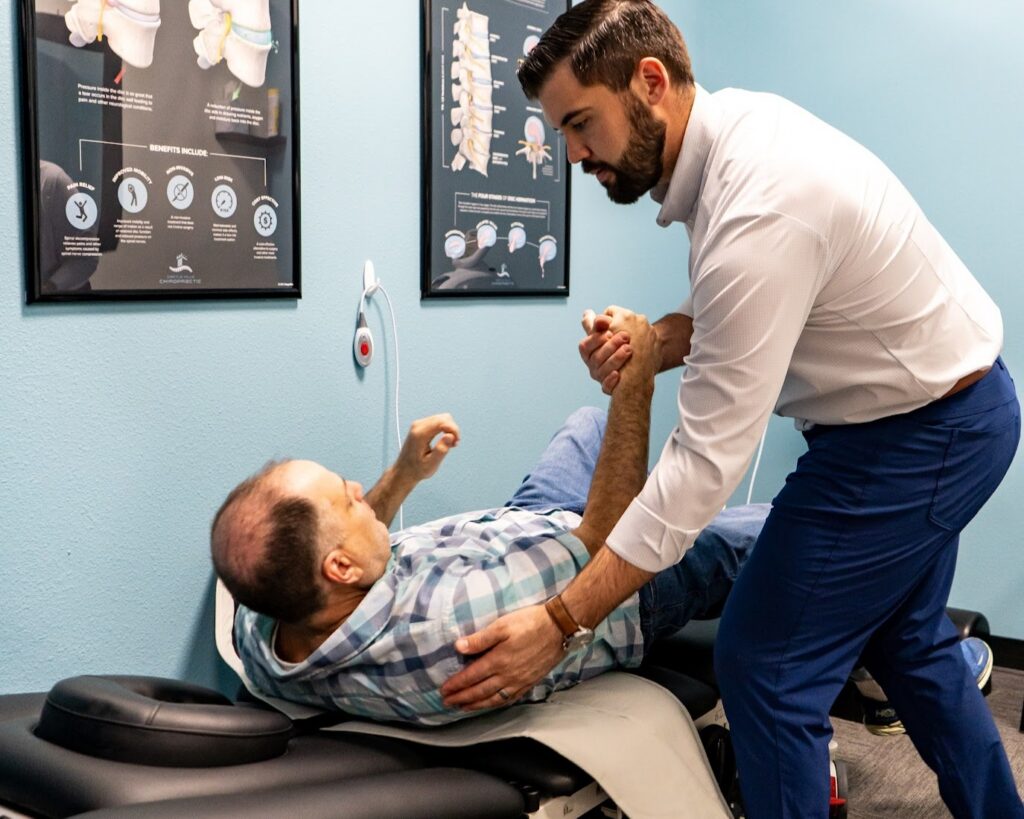

When you think about your health, have you considered how preventative care can shape your future? By engaging in regular check-ups, staying up-to-date with vaccinations, and making conscious lifestyle choices, you're not just addressing immediate concerns; you're laying the groundwork for long-term well-being. This proactive approach can lead to early detection of potential issues, greatly impacting your quality of life and even your finances. But there's more to it than just avoiding illness—what if these strategies could also transform how you approach your overall health?
Understanding Preventative Care
Preventative care is like a shield that protects your health before issues arise. It focuses on measures that keep you healthy and help you avoid potential health problems. Instead of waiting for symptoms to show up, you take proactive steps to maintain your well-being. This approach involves routine check-ups, vaccinations, screenings, and lifestyle modifications that can greatly impact your long-term health.
When you understand preventative care, you realize it's not just about addressing immediate concerns; it's about fostering a healthier future. You engage in regular health screenings to catch any issues early on, which can lead to more effective treatment and better outcomes. For example, screening for conditions such as high blood pressure or diabetes can help you manage them before they escalate.
Additionally, preventative care encourages you to adopt healthier habits. You might find yourself becoming more aware of your diet, exercise routines, and mental health. By making positive lifestyle choices, you not only enhance your quality of life but also reduce the risk of chronic diseases.
Engaging in preventative care means you're taking control of your health. You're not just reacting to problems; you're actively working to prevent them. This understanding empowers you to make informed decisions about your health, ultimately leading to a longer, healthier life.
Embrace this proactive mindset, and you'll reap the benefits for years to come.
Key Benefits of Regular Check-Ups
Regular check-ups are essential for spotting potential health issues before they become serious.
By staying on top of your health, you guarantee consistent monitoring that can lead to better outcomes.
Don't underestimate the power of early detection and proactive management in maintaining your well-being.
Early Disease Detection
How essential is it to catch health issues early? Early disease detection can make all the difference in your health journey. When you go for regular check-ups, healthcare professionals can identify potential problems before they escalate. This proactive approach often leads to more effective and less invasive treatment options, which can greatly improve your prognosis.
By staying ahead of health issues, you not only enhance your quality of life but also reduce the overall cost of healthcare. Treating conditions like diabetes, heart disease, or cancer in their early stages can prevent complications and lengthy treatments down the line. You'll likely find that managing your health becomes easier when you're informed about potential risks.
Additionally, early detection fosters peace of mind. Knowing you're taking steps to safeguard your health can alleviate anxiety and stress. Regular check-ups empower you with knowledge about your body, allowing you to make informed decisions regarding lifestyle changes and preventive measures.
In short, prioritizing early disease detection through regular check-ups is an investment in your long-term health and well-being. Don't wait for symptoms to appear; take charge of your health today.
Health Monitoring Consistency
Consistent health monitoring through regular check-ups provides numerous benefits that extend beyond just early disease detection.
By prioritizing your health with routine visits, you can enhance your overall well-being and maintain a proactive approach to your health. Here are some key advantages:
- Personalized Care: Regular check-ups allow your healthcare provider to tailor advice specific to your health history and lifestyle.
- Chronic Disease Management: Monitoring your health consistently helps in managing existing conditions, ensuring they're under control and reducing complications.
- Health Education: You'll gain valuable insights into nutrition, exercise, and other aspects of a healthy lifestyle, empowering you to make informed choices.
- Building a Relationship: Frequent visits foster a trusting relationship with your healthcare provider, making it easier to discuss concerns and seek guidance.
Incorporating regular check-ups into your routine not only helps catch potential issues early but also reinforces your commitment to maintaining a healthier life.
Importance of Vaccinations
Vaccinations play a vital role in preventing diseases that can impact your health and the health of those around you.
By staying up-to-date with your vaccinations, you contribute to community immunity, protecting those who can't receive vaccines themselves.
It's an essential part of maintaining public health and ensuring a safer environment for everyone.
Disease Prevention Strategies
A strong foundation for disease prevention starts with vaccinations, which play a crucial role in protecting individuals and communities alike. By getting vaccinated, you not only shield yourself from various diseases but also contribute to the overall health of society.
Here are some key reasons why vaccinations are important:
- Prevents Illness: Vaccinations help your immune system recognize and fight off specific pathogens, reducing your risk of serious illnesses.
- Reduces Healthcare Costs: By preventing diseases, vaccinations lower overall healthcare expenses, saving you money on treatments and hospital visits.
- Protects Vulnerable Populations: Vaccinating yourself helps protect those who can't be vaccinated due to medical conditions, like infants or individuals with compromised immune systems.
- Promotes Long-Term Health: Staying up-to-date with vaccinations guarantees long-lasting immunity, which can lead to fewer health complications down the road.
Incorporating vaccinations into your health routine is a proactive step toward disease prevention.
Make certain to consult your healthcare provider about the vaccines you need, and encourage family and friends to do the same. Together, you can make a significant impact on public health.
Community Immunity Benefits
Community immunity, often referred to as herd immunity, relies on a high percentage of the population being vaccinated to protect those who can't be vaccinated. When enough people are immunized, the spread of contagious diseases slows down, making it less likely for vulnerable groups—like infants, the elderly, or those with compromised immune systems—to contract illnesses.
By getting vaccinated, you're not just safeguarding your health; you're also contributing to the community's overall well-being.
Vaccinations reduce the prevalence of diseases like measles, mumps, and whooping cough, which can have severe consequences for unprotected individuals. Think about it: every time you choose to vaccinate, you're helping to create a barrier that protects those around you.
This collective effort is essential in maintaining public health and preventing outbreaks.
Moreover, when vaccination rates are high, healthcare costs decrease, as fewer people need treatment for preventable diseases. It's a win-win!
So, by staying up to date with your vaccinations and encouraging others to do the same, you play an important role in fostering a healthier community for everyone.
Role of Healthy Lifestyle Choices
How can embracing healthy lifestyle choices greatly impact your overall well-being? Making conscious decisions about your health can lead to significant long-term benefits, helping you feel better physically and emotionally.
When you adopt a healthier lifestyle, you're not just improving your current state; you're also setting the stage for a vibrant future. Here are four key benefits you can expect:
- Enhanced Energy Levels: Eating nutritious foods and staying active boosts your energy, making daily tasks easier and more enjoyable.
- Improved Mental Health: Regular exercise and a balanced diet can reduce anxiety and depression, leading to better mood stability and emotional resilience.
- Stronger Immune System: Healthy habits, like proper nutrition and adequate sleep, help your body fend off illnesses, keeping you healthier year-round.
- Weight Management: A balanced lifestyle helps you maintain a healthy weight, reducing your risk of developing chronic conditions like diabetes or heart disease.
Early Detection of Health Issues
Early detection of health issues plays an essential role in maintaining your overall well-being. By catching potential problems early, you can greatly increase your chances of successful treatment and recovery. Regular check-ups and screenings help identify conditions that mightn't yet show symptoms. For instance, diseases like diabetes, high blood pressure, and certain cancers often develop silently, making proactive monitoring vital.
When you prioritize preventative care, you empower yourself to take control of your health. Knowing your body and its patterns allows you to recognize any unusual changes that might signal a health issue. Trust your instincts—if something feels off, don't hesitate to consult a healthcare provider. They can conduct the necessary tests to rule out serious conditions or catch them early when treatment is most effective.
Moreover, early detection can lead to less invasive treatment options. If you discover a health concern early, you often have more choices. This can mean fewer side effects and a quicker return to your daily routine.
Think about it: addressing a health issue before it escalates not only improves your quality of life but also minimizes the emotional and physical toll on you and your loved ones.
Cost Savings Over Time
When you invest in preventative care, you not only safeguard your health but also save money in the long run. By prioritizing regular check-ups, screenings, and vaccinations, you can greatly reduce future healthcare costs.
Here's how preventative care translates into cost savings over time:
- Early Detection: Catching health issues early can prevent more severe conditions that require expensive treatments. Regular screenings can help identify problems before they escalate.
- Decreased Emergency Visits: When you stay on top of your health, you're less likely to face emergencies that often lead to costly hospital visits. Consistent care helps you manage chronic conditions effectively.
- Lower Prescription Costs: Preventative measures often reduce the need for medications to manage advanced diseases. By maintaining your health, you can minimize the long-term expenses associated with prescriptions.
- Improved Productivity: Healthy individuals miss fewer days of work. By avoiding sickness, you can maintain your income and job performance, positively impacting your financial stability.
In essence, investing in preventative care is a smart financial decision. Not only does it help you avoid hefty medical bills down the line, but it also fosters a healthier lifestyle that can lead to more years of productivity and enjoyment.
Enhancing Quality of Life
Investing in preventative care greatly enhances your quality of life. By focusing on maintaining your health through regular check-ups, screenings, and vaccinations, you're not just avoiding illness; you're actively promoting your overall well-being.
When you prioritize preventative measures, you're empowering yourself to lead a more fulfilling life, free from the limitations that chronic diseases can impose.
Think about it: when you stay healthy, you have more energy to engage in activities you love, whether it's hiking, playing with your kids, or simply enjoying a night out with friends. Preventative care helps you catch potential health issues early, allowing for timely interventions that can save you from the complications and stress of serious health conditions down the line.
Moreover, mental health is equally important. Regular health visits can keep you connected to healthcare professionals who can support your emotional and psychological well-being. By addressing stressors and mental health challenges early, you cultivate a more balanced and happy life.
In addition, investing in your health now can lead to better social interactions. When you feel good, you're more likely to engage with others, build strong relationships, and participate in your community. This sense of belonging contributes to a richer, more satisfying life experience.
Ultimately, the benefits of preventative care extend far beyond physical health. They touch every aspect of your life, enhancing your overall quality of life and helping you thrive in ways you never thought possible.
Conclusion
Incorporating preventative care into your routine is essential for a healthier future. By prioritizing regular check-ups, staying up-to-date with vaccinations, and making healthy lifestyle choices, you can catch potential health issues early and save on healthcare costs. These proactive steps not only enhance your well-being but also improve your quality of life. Embrace preventative care today to guarantee lasting health and peace of mind for yourself and your loved ones. Your future self will thank you!