
Improving your posture is a powerful way to relieve low back pain, yet many people overlook this vital connection. You might be surprised at how your everyday habits contribute to discomfort in your back. By making small adjustments and adopting mindful practices, you can create lasting relief. If you’re curious about effective strategies to enhance your posture and ease that persistent pain, let’s explore some practical tips and exercises that can transform your daily routine.
As a chiropractor, I emphasize the importance of spinal health in achieving overall wellness. Here are a few simple tips to help you improve your posture and support your back:
- Mind Your Sitting Position: When sitting, especially for long periods, ensure your feet are flat on the ground, your back is straight, and your shoulders are relaxed. Consider using a chair that supports your lower back.
- Stand Tall: When standing, distribute your weight evenly on both feet, and avoid locking your knees. Keep your shoulders back and your head aligned with your spine.
- Take Breaks: If you work at a desk, take regular breaks to stretch and walk around. This helps relieve tension and keeps your muscles engaged.
- Strengthen Your Core: A strong core supports your spine. Incorporate exercises like planks and bridges into your routine to build strength in your abdominal muscles.
- Practice Mindfulness: Incorporate mindful breathing exercises and stretches into your day to help you become more aware of your posture. Simple yoga poses can also help improve flexibility and alignment.
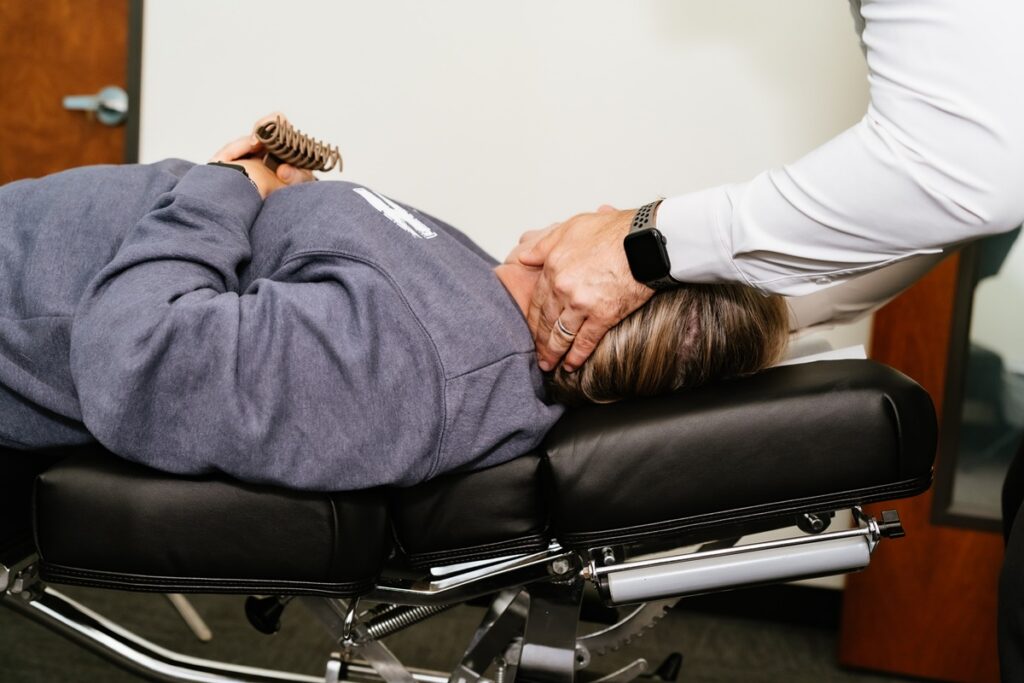
- Consider Chiropractic Care: Regular visits to a chiropractor can help align your spine and improve your posture. We focus on natural healing techniques to relieve pain and enhance your overall well-being.
Remember, small changes in your daily habits can lead to significant improvements in your posture and relief from low back pain. By prioritizing your spinal health, you’re taking an essential step toward a healthier, pain-free life. Embrace these tips, and consider chiropractic care as a vital part of your journey to optimal health!
Key Takeaways
- Sit with your back straight, shoulders relaxed, and feet flat on the ground. This simple adjustment can significantly reduce strain on your spine and help you feel more comfortable throughout the day.
- Set reminders to check your posture regularly. Being mindful of how you sit or stand can help prevent discomfort and keep your spine healthy.
- Strengthen your core with exercises like planks and bridges. A strong core supports your spine and can help relieve low back pain, allowing you to enjoy daily activities with ease.
- Try mindfulness techniques, such as deep breathing or body scans, to become more aware of your body. This practice can help you release tension and better understand how your posture affects your well-being.
- Make sure your workspace is set up for comfort. Adding lumbar support to your chair and adjusting your monitor height can promote better posture and reduce the risk of pain.
Remember, chiropractic care is an excellent option for achieving optimal health and relieving pain naturally. By focusing on your posture, strengthening your body, and making simple adjustments in your daily life, you can enhance your overall wellness and enjoy a pain-free lifestyle.
Understanding the Connection Between Posture and Low Back Pain
When you slouch or hunch over, it’s not just about how you look; it can seriously impact your back health. Poor posture puts unnecessary stress on your spine, leading to muscle imbalances and tension in your lower back. When your spine is misaligned, it can cause discomfort and pain, making everyday activities feel much harder than they should be.
Over time, this ongoing strain can lead to chronic low back pain. Your muscles and ligaments have to work extra hard to support your body when you’re not standing or sitting correctly, leading to fatigue and increased discomfort. Slouching can also restrict your breathing and circulation, which can make your pain and stiffness even worse.
Understanding how your posture relates to low back pain is crucial for your well-being. By educating yourself about how your body mechanics influence your health, you can take proactive steps to alleviate discomfort and enhance your overall wellness.
Here are some simple tips to improve your posture and support your spine:
- Sit Up Straight: Make a habit of sitting with your back straight and shoulders back. Keep your feet flat on the floor and avoid crossing your legs.
- Take Frequent Breaks: If you sit for long periods, take a break every 30 minutes to stand up, stretch, and move around. This helps reduce tension in your back.
- Use Ergonomic Furniture: Invest in a chair that provides good lumbar support and promotes proper posture.
- Strengthen Your Core: Engage in exercises that strengthen your core muscles, as a strong core supports your spine and helps maintain good posture.
- Stay Aware: Regularly check in with your body throughout the day. Adjust your posture as needed and remind yourself to stand and sit tall.
- Consider Chiropractic Care: Regular visits to a chiropractor can help keep your spine aligned and address any posture-related issues. Chiropractic adjustments can relieve pain and promote natural healing, allowing your body to function at its best.
Tips for Improving Your Posture Throughout the Day
Improving your posture throughout the day is crucial for maintaining a healthy spine and preventing low back pain, something I encounter frequently in my chiropractic practice. By being mindful of your body alignment—whether sitting, standing, or walking—you can significantly enhance your overall well-being.
When sitting, it’s important to keep your feet flat on the floor, your back straight, and your shoulders relaxed. If you spend time at a desk, make sure to adjust your chair and monitor height so that your screen is at eye level. This can help reduce strain on your neck and back, making it a lot easier for your spine to stay aligned.
While standing, aim to distribute your weight evenly on both feet and engage your core muscles. This not only helps to support your spine but also promotes better balance. To help you remember to check your posture throughout the day, consider using reminders like sticky notes placed around your workspace.
If you find yourself on the phone often, avoid cradling it between your neck and shoulder; instead, opt for a headset to keep your neck in a neutral position. This small adjustment can go a long way in preventing discomfort.
Finally, don’t forget to take breaks to stretch and move around at least once every hour. These simple actions can help alleviate tension and improve your posture over time.
Exercises to Strengthen Your Core and Support Your Spine
A strong core is essential for supporting your spine and maintaining proper posture. By adding core-strengthening exercises to your daily routine, you can enhance stability, alleviate low back pain, and improve your overall alignment. Remember, a well-aligned spine is a key component of optimal health, and chiropractic care can help you achieve this through natural methods.
Here are some effective core exercises that you can easily incorporate into your routine:
- Planks: This exercise engages your entire core. Start by holding a plank position for 30 seconds to a minute. Focus on keeping your body in a straight line from head to heels. This not only strengthens your core but also supports spinal stability.
- Bridges: Lie on your back with your knees bent and feet flat on the floor. Raise your hips towards the ceiling and hold for a few seconds. This exercise strengthens your glutes and lower back, which are crucial for a healthy spine.
- Dead Bugs: While lying on your back, extend your arms towards the ceiling and raise your legs to a 90-degree angle. Slowly lower one arm and the opposite leg towards the floor while keeping your core tight, then return to the starting position and switch sides. This helps improve coordination and core strength without straining your back.
- Russian Twists: Sit with your knees bent and lean back slightly. With your hands together or holding a light weight, twist your torso from side to side. This movement targets your obliques and helps maintain spinal flexibility.
Incorporate these exercises into your regular routine, and you’ll likely notice improvements in your posture and a reduction in lower back discomfort.
Ergonomic Adjustments for Your Workspace
Making ergonomic adjustments to your workspace is a vital step toward enhancing your comfort and overall well-being. As a chiropractor, I want to emphasize how these changes can support your spinal health and contribute to a pain-free lifestyle.
Start by ensuring your chair provides proper support for your lower back. This is crucial for maintaining a healthy spine while you work. Your feet should rest flat on the floor, providing stability and reducing strain on your back. Adjust your desk height so that your elbows maintain a 90-degree angle while typing; this promotes good posture and helps prevent discomfort.
Position your monitor at eye level, approximately an arm’s length away. This helps to minimize neck strain and encourages a more natural alignment of your spine. If you frequently refer to printed materials, consider using a document holder to keep them at the same height as your screen. This will help you avoid awkward neck positions that can lead to pain.
Keyboard placement is also important. Ensure it’s close enough that you don’t have to reach too far, and that your wrists remain straight while typing. This can significantly reduce the risk of repetitive strain injuries.
In addition to these adjustments, remember to take short breaks throughout your day. Stretching and changing positions can alleviate tension and promote better blood flow, contributing to your overall comfort. If your feet dangle while seated, using a footrest can provide additional support and help maintain proper posture.
Incorporating these simple ergonomic adjustments into your workspace can make a significant difference in your spinal health and overall well-being. If you continue to experience discomfort despite these changes, I encourage you to seek chiropractic care. It offers a natural and effective approach to pain relief that can help you achieve optimal health and wellness.
Incorporating Mindfulness and Body Awareness Into Daily Life
Incorporating mindfulness and body awareness into your daily life can significantly improve your relationship with your body and enhance your overall well-being. As a chiropractor, I believe that by focusing on the present moment and tuning into your body’s signals, you can’t only enhance your posture but also alleviate discomfort, particularly in the lower back.
Here are some practical tips to help you get started on your journey to better health:
- Practice Deep Breathing: Spend a few moments each day taking deep breaths. This simple act can help you relax and align your mind and body, promoting a sense of calm and clarity.
- Engage in Body Scans: Take time to check in with your body by noticing areas of tension or discomfort. Acknowledging these sensations allows you to release tension consciously, supporting your spine’s health and overall comfort.
- Set Reminders for Posture Checks: Use alarms on your phone or sticky notes in your workspace to remind you to pause and assess your posture throughout the day. Proper posture supports spinal health and can prevent pain.
- Incorporate Mindful Movement: Activities like yoga or tai chi are excellent for promoting flexibility and body awareness. These practices not only enhance your physical health but also foster a deeper connection to your body.
Engaging in these mindfulness practices can lead to a greater awareness of your body, resulting in better posture and a more comfortable life. Remember, chiropractic care is a valuable tool on your path to natural wellness, offering effective pain relief and promoting overall health without the need for medications or surgeries.
Embrace these tips and consider visiting your local chiropractor for personalized guidance on achieving optimal health.
Conclusion
As a local chiropractor, I want to share some valuable insights on how to improve your posture and relieve low back pain naturally. By prioritizing good posture and adopting mindful practices, you can effectively manage discomfort and enhance your overall well-being without the need for medications or surgeries.
Start by becoming more aware of your body’s alignment throughout the day. Simple adjustments like sitting up straight, keeping your shoulders back, and ensuring your feet are flat on the floor can make a significant difference. Don’t forget to take regular breaks if you’re sitting for prolonged periods—standing up, stretching, and walking around can work wonders for your spine.
Incorporating core-strengthening exercises into your routine is also key. A strong core supports your spine and helps maintain good posture. Consider exercises like planks, bridges, and gentle abdominal workouts that can be done at home.
Your workspace should be adjusted for ergonomic support, which means your computer screen should be at eye level, and your chair should provide adequate support for your lower back. This will help reduce strain on your spine throughout the day.
Including activities like yoga or tai chi can also enhance your flexibility and promote better posture. These practices not only help alleviate tension but also encourage mindfulness and relaxation.
Remember, chiropractic care is an excellent way to achieve optimal health and relieve pain naturally. Regular adjustments can help keep your spine aligned and functioning properly, which is essential for overall wellness. Start applying these tips today, and notice the improvements in your comfort and mobility. Your body will thank you!