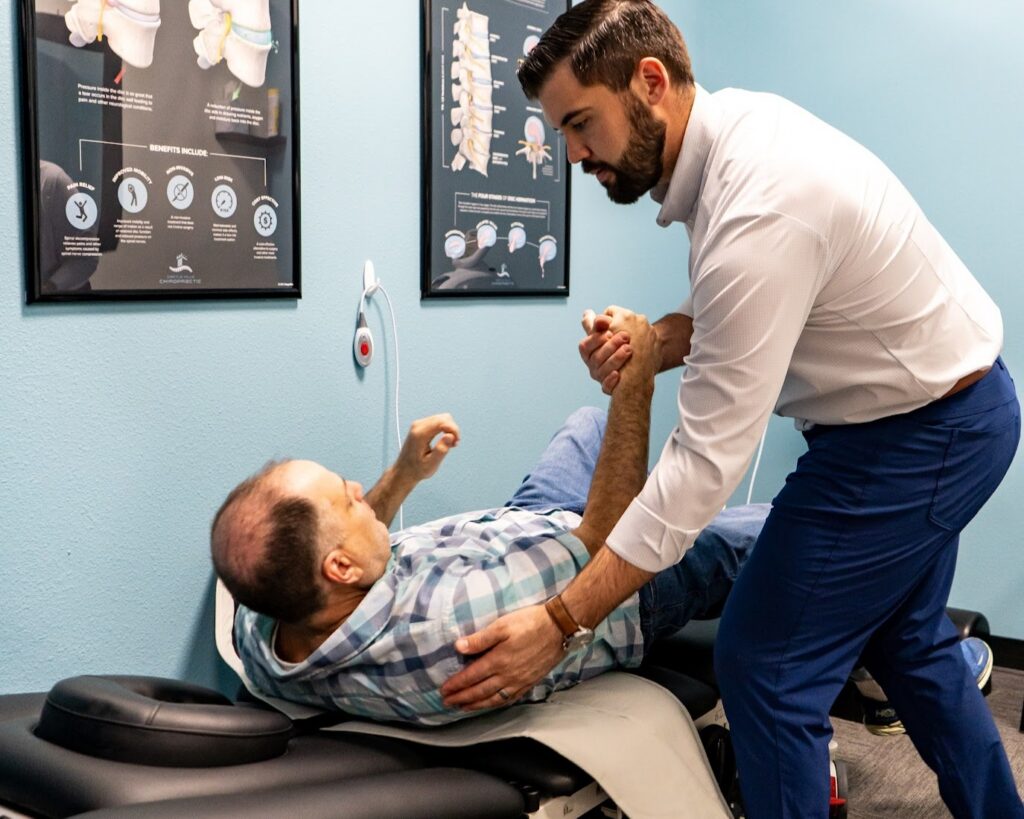

If you’re experiencing migraines alongside neck pain, you’re certainly not alone. Many of my patients have found that these two conditions often go hand in hand, worsening each other’s effects. Understanding the connection between migraines and neck pain is crucial for finding effective relief. As a chiropractor, I want to share some natural healing strategies that can help you alleviate your discomfort and enhance your overall well-being.
Chiropractic care focuses on the relationship between your spine, nervous system, and overall health. By addressing spinal misalignments and muscle tension, we can often reduce the frequency and intensity of migraines. Here are a few practical approaches that we might consider together:
- Spinal Adjustments: Gentle adjustments can help realign your spine, relieving pressure on nerves and reducing tension in your neck.
- Soft Tissue Therapy: Techniques such as massage or myofascial release can help relax tight muscles that may contribute to both neck pain and migraines.
- Posture Correction: Improving your posture through specific exercises can reduce strain on your neck and spine, which may help prevent migraines.
- Lifestyle Recommendations: We can discuss ways to incorporate regular exercise, proper hydration, and stress management techniques into your daily routine, all of which can play a role in reducing migraine triggers.
By understanding the interplay between neck pain and migraines and utilizing these natural healing methods, you can take significant steps toward regaining control over your pain and improving your quality of life. I’m here to guide you on this journey to better health!
Understanding the Connection Between Neck Pain and Migraines
As a local chiropractor, I want to shed some light on the often-overlooked connection between neck pain and migraines. Many people experience neck discomfort without realizing how closely it’s linked to their headaches. Your neck contains vital structures, including nerves and muscles, that play a significant role in how your body processes pain, especially in the head.
When tension accumulates in your neck, it can’t only trigger migraines but also intensify existing symptoms. It’s important to recognize that factors such as poor posture, stress, or muscle strain can contribute to neck pain, potentially setting off a chain reaction that leads to migraines.
At first, you may not realize the connection, but understanding it can empower you to take steps toward effective treatment. By addressing your neck discomfort, you may also find relief from migraine symptoms.
Chiropractic care can be a natural and effective solution for managing both neck pain and migraines. Through gentle adjustments, we can help improve your posture, alleviate muscle tension, and enhance overall neck health.
Incorporating relaxation techniques and proper ergonomics into your daily routine can also support your healing journey. So, take charge of your neck pain today and explore how chiropractic care can lead to fewer migraines and improved overall well-being!
Common Causes of Neck Pain That Trigger Migraines
As a local chiropractor, I want to share with you how neck pain can often be a catalyst for migraines, and it’s important to understand the common causes behind this discomfort.
Many people may not realize that factors such as poor posture, muscle tension, and even previous injuries like whiplash can significantly contribute to your neck pain and, subsequently, trigger migraines.
By recognizing these issues, we can work together to find natural, effective solutions to alleviate both your neck pain and the migraines that may follow.
Chiropractic care focuses on restoring proper alignment and function to your spine, which can help relieve tension and improve overall health.
Understanding these connections is the first step towards finding relief and enhancing your well-being.
Poor Posture Impacts Headaches
As a local chiropractor, I want to shed light on how poor posture can significantly impact your well-being, particularly leading to headaches and migraines. Many of us don’t realize that when we slouch or hunch over our devices, we’re placing considerable strain on our neck muscles. This strain not only affects your neck but also puts stress on your spine, which can lead to discomfort that may radiate to your head.
Consider how much time you spend in front of a screen or with your phone cradled in your hand. These habits can disrupt your body’s natural alignment, causing inflammation and muscle tension—key contributors to the onset of migraines. It’s essential to be mindful of your body’s position throughout the day.
I encourage you to make simple adjustments to your workspace to promote better posture. Take regular breaks to stretch and move around, and focus on maintaining a healthy posture. By doing so, you can significantly alleviate neck strain and help prevent those pesky headaches from occurring.
Muscle Tension and Strain
As a local chiropractor, I want to help you understand how muscle tension and strain can significantly impact your neck health and contribute to migraines. Many of my patients often discover that factors like stress, poor posture, or even prolonged periods spent hunched over their phones can lead to tightness in the neck muscles.
When these muscles become strained, inflammation and pain can occur, and this discomfort may radiate to your head, triggering those severe migraines.
It’s important to recognize that repetitive movements or even a lack of movement can worsen this tension. To combat this issue, I recommend incorporating regular stretching and strengthening exercises into your daily routine.
Additionally, being mindful of your posture is crucial. Taking frequent breaks from screens and investing in ergonomic furniture can also play a significant role in reducing muscle tension.
Whiplash and Injury Effects
As a local chiropractor, I’d like to shed some light on the effects of whiplash and neck injuries, especially for those who may not be familiar with chiropractic care and natural healing.
When someone experiences whiplash, often from a sudden movement like a car accident, it can lead to more than just localized neck pain. In fact, many patients report debilitating migraines that stem from these injuries.
Whiplash puts a significant strain on your neck muscles and ligaments, which can result in inflammation and tension. This tension can irritate the surrounding nerves, leading to persistent headaches that can be difficult to manage.
Furthermore, if your cervical spine is misaligned, it can create additional pressure in your head and exacerbate migraine symptoms.
That’s why it’s so important to seek appropriate treatment as soon as possible. Chiropractic care, including adjustments and physical therapy, can help realign your spine, reduce inflammation, and alleviate neck pain.
By addressing these issues early on, you can greatly diminish the likelihood of recurring migraines and improve your overall quality of life.
Effective Neck Stretches to Reduce Tension
As a local chiropractor, I understand that many of you may not be familiar with the benefits of chiropractic care and natural healing.
One common issue I see in my practice is neck tension, which can often contribute to discomfort, including migraines. To help alleviate this tension, I recommend incorporating some simple neck stretches into your daily routine.
In addition to these stretches, I encourage you to practice deep breathing exercises. This combination can significantly enhance relaxation and improve your overall experience in managing neck discomfort.
Let’s delve into these techniques together, so you can find effective relief and improve your well-being naturally.
Simple Neck Stretch Techniques
As a local chiropractor, I want to share some effective neck stretch techniques that can be incredibly beneficial for relieving tension, especially for those who suffer from migraines.
One simple stretch involves tilting your head gently to one side, bringing your ear toward your shoulder. Hold this position for 15-30 seconds before switching to the other side. This stretch helps to release tightness in the muscles around your neck.
Another technique I recommend is the chin tuck. Sit up straight, gently pull your chin in towards your neck, and hold this position for a few seconds. This movement can help elongate your neck and improve posture, which is crucial in managing migraine symptoms.
Lastly, consider incorporating neck rotations into your routine. Slowly turn your head to one side, hold for a moment, and then rotate to the opposite side. Repeating these stretches a few times throughout the day can significantly enhance mobility and alleviate tightness in the neck area.
These simple techniques aren’t just beneficial for immediate relief; they can also be an integral part of your daily routine to help you manage migraine symptoms more effectively.
Deep Breathing Exercises
As a local chiropractor, I want to share with you the benefits of deep breathing exercises, particularly for those experiencing tension in the neck and migraine symptoms. Incorporating these exercises into your daily routine can significantly enhance your overall well-being by calming both your mind and body.
To begin, find a comfortable seated position. Take a moment to relax, and then start taking slow, deep breaths in through your nose and out through your mouth. With each breath, direct your focus towards releasing any tension you may be holding in your neck.
Here are some tips to help you get the most out of your deep breathing practice:
- Inhale deeply: Fill your lungs completely and allow your diaphragm to expand. This not only promotes relaxation but also supports proper oxygen flow throughout your body.
- Exhale slowly: As you release your breath, visualize the tension dissipating with each exhale. This mental imagery can enhance the relaxation response.
- Maintain good posture: Sitting up straight not only enhances the effectiveness of your breathing but also supports your spine, promoting better alignment and reducing additional tension.
By integrating these simple yet powerful techniques into your routine, you can foster a greater sense of calm and contribute positively to your overall health.
Postural Adjustments for Migraine Relief
As a chiropractor, I often see patients who are unaware of how their posture can significantly impact their health, especially when it comes to migraines. If you’ve experienced migraines triggered by poor posture, you’re certainly not alone. It’s important to understand that simple adjustments to how you sit and stand can help alleviate your discomfort.
Let’s start with your sitting position. Be mindful of keeping your shoulders relaxed and your back straight. When seated, ensure your feet are flat on the floor and your knees are bent at a right angle. This will promote optimal alignment and reduce strain on your neck and back.
For those of you who spend long hours at a desk, consider investing in ergonomic furniture. Position your monitor at eye level to help prevent neck strain, which can contribute to migraine symptoms. Remember to take regular breaks to stretch and shift your posture throughout the day—this can make a big difference in how you feel.
When you’re on your feet, make sure to distribute your weight evenly between both feet and avoid slouching. These small but effective changes can significantly reduce tension in your neck and shoulders, which often leads to fewer migraine episodes.
Incorporating these postural adjustments into your daily routine not only helps with migraine relief but also enhances your overall well-being. As your chiropractor, I’m here to support you on your journey to better health through natural healing.
The Role of Physical Therapy in Neck Pain Management
When it comes to managing neck pain, chiropractic care can be a vital component of your recovery and overall health. A customized chiropractic treatment plan can help restore strength, flexibility, and functionality in your neck, potentially alleviating related issues such as migraines.
Here are some key benefits you can expect from chiropractic care:
- Individualized Treatment Plans: As your chiropractor, I’ll evaluate your unique situation and develop a plan specifically designed to address your individual needs.
- Pain Relief Techniques: You’ll learn effective methods to manage pain, including adjustments, exercises, and stretches that promote healing and enhance mobility.
- Education on Prevention: You’ll receive valuable information about maintaining proper posture and body mechanics, which can help prevent future neck pain and migraines.
Integrating chiropractic care into your neck pain management strategy can significantly improve your quality of life, enabling you to participate in daily activities without discomfort.
Take the first step towards relief by considering chiropractic care as an integral part of your treatment plan.
Utilizing Heat and Cold Therapy for Neck Pain
As a local chiropractor, I want to share with you the benefits of utilizing heat and cold therapy for managing neck pain, a common issue many people face. Both methods have unique advantages that can aid in healing and provide relief.
When you apply heat to your neck, it helps to increase blood flow, relax tight muscles, and alleviate stiffness. Simple tools like a warm towel or heating pad can be incredibly effective. I recommend using them for about 15-20 minutes at a time to experience the maximum benefit.
In contrast, cold therapy can be a game-changer for reducing inflammation and numbing sharp pain. Applying an ice pack wrapped in a cloth for 10-15 minutes can provide significant relief, especially after physical activity or during flare-ups.
I often suggest that my patients alternate between heat and cold therapy based on their specific symptoms. If you’re experiencing tightness in your neck, starting with heat can be beneficial. Conversely, if there’s swelling, cold therapy is the way to go.
By incorporating these techniques into your daily routine, you may find considerable relief from neck pain, which can also help reduce those bothersome migraines.
Exploring Massage Techniques for Neck and Head Relief
As a local chiropractor dedicated to your well-being, I want to share how massage techniques can play a vital role in alleviating neck pain and migraines. While you might be familiar with various treatments, incorporating targeted massage into your self-care routine can provide immediate relief.
By focusing on specific areas, you can ease tension and improve circulation in your neck and head. Here are some effective techniques you might consider:
- Kneading: Gently knead the muscles at the base of your skull and along your neck using your fingers. This technique can help release tightness and promote a sense of relaxation, which is crucial for overall neck health.
- Circular Motions: Applying pressure in small circular motions on your temples and along your jawline can be remarkably effective. This approach not only helps alleviate tension headaches but also enhances blood flow, contributing to a greater sense of well-being.
- Stretching: Incorporating gentle neck stretches—such as tilting your head from side to side and forward—can significantly reduce stiffness and increase flexibility. This practice is essential for maintaining a healthy range of motion in your neck.
By integrating these simple yet effective massage techniques into your routine, you can take proactive steps toward managing discomfort and enhancing your overall health.
The Benefits of Ergonomic Workspaces
As a chiropractor dedicated to your well-being, I want to emphasize the importance of creating an ergonomic workspace to enhance your comfort and productivity, particularly if you experience migraines or neck pain.
An optimized environment can significantly reduce strain on your body, potentially alleviating headaches and tension.
Start by adjusting your chair height so that your feet rest flat on the floor and your knees are in line with your hips. This alignment is crucial for maintaining proper posture throughout your workday.
Your desk should be at a height that allows your elbows to rest at a 90-degree angle while typing, minimizing unnecessary strain on your arms and shoulders.
Positioning your monitor at eye level is also essential to prevent craning your neck, which can exacerbate discomfort.
Consider investing in a chair that provides adequate support and encourages good posture—this can make a world of difference.
Additionally, using a keyboard and mouse that are designed for ergonomic comfort can further support your body’s natural alignment.
Lastly, remember to take regular breaks to stretch and reset your posture.
These small adjustments can lead to a workspace that not only enhances your efficiency but also nurtures your overall health.
By prioritizing an ergonomic setup, you can help minimize the impact of migraines and neck pain, enabling you to live your life more fully.
If you have any questions or need further guidance on how to improve your workspace, feel free to reach out. Your health is our priority!
When to Seek Professional Help for Neck Pain and Migraines
As a local chiropractor, I understand that even with an ergonomic workspace, many of you may still experience persistent neck pain and migraines. It’s crucial to know when it’s time to seek professional help. If your symptoms are interfering with your daily activities or aren’t improving with self-care strategies, I encourage you to reach out to a healthcare provider.
Here are some key signs to watch for:
- Severe neck pain that lingers for several days
- Frequent migraines that disrupt your daily routine
- Symptoms such as numbness, tingling, or weakness in your arms or hands
These indicators could suggest a more serious underlying issue that requires attention.
As a chiropractor, I can offer a comprehensive evaluation to help identify the root cause of your discomfort. Through natural healing methods, including spinal adjustments and lifestyle recommendations, we can create a personalized treatment plan tailored to your specific needs.
Remember, you don’t have to suffer in silence. Seeking chiropractic care can lead to effective relief and a significant improvement in your quality of life.
Don’t wait for your condition to worsen—take proactive steps for your health today!
Conclusion
As a local chiropractor, I want to share how addressing neck pain can significantly help reduce the frequency and intensity of your migraines. Many people are unaware of the connection between neck issues and headaches, but by incorporating regular stretching, improving your posture, and utilizing ergonomic solutions in your daily life, you can experience relief.
Don’t overlook the benefits of heat and cold therapy or massage techniques to ease muscle tension. These natural methods can make a noticeable difference in how you feel. If you find that your symptoms continue, I encourage you to seek professional help. A chiropractor can provide personalized strategies tailored to your specific needs. Remember, taking proactive steps today can lead you toward a more comfortable, migraine-free life. We’re here to support you on your journey to wellness!