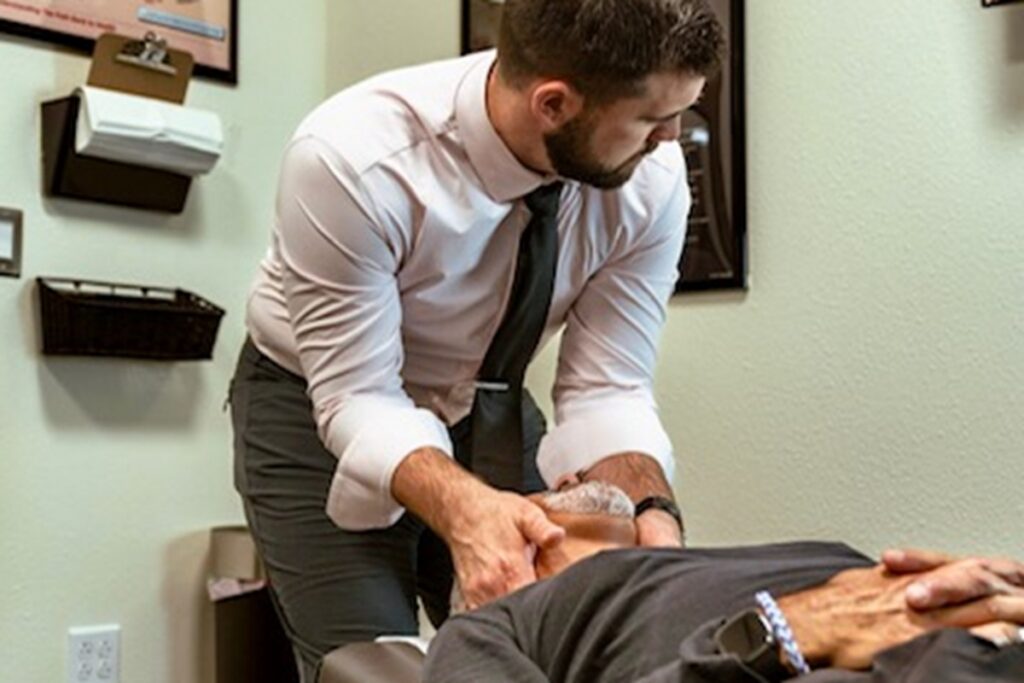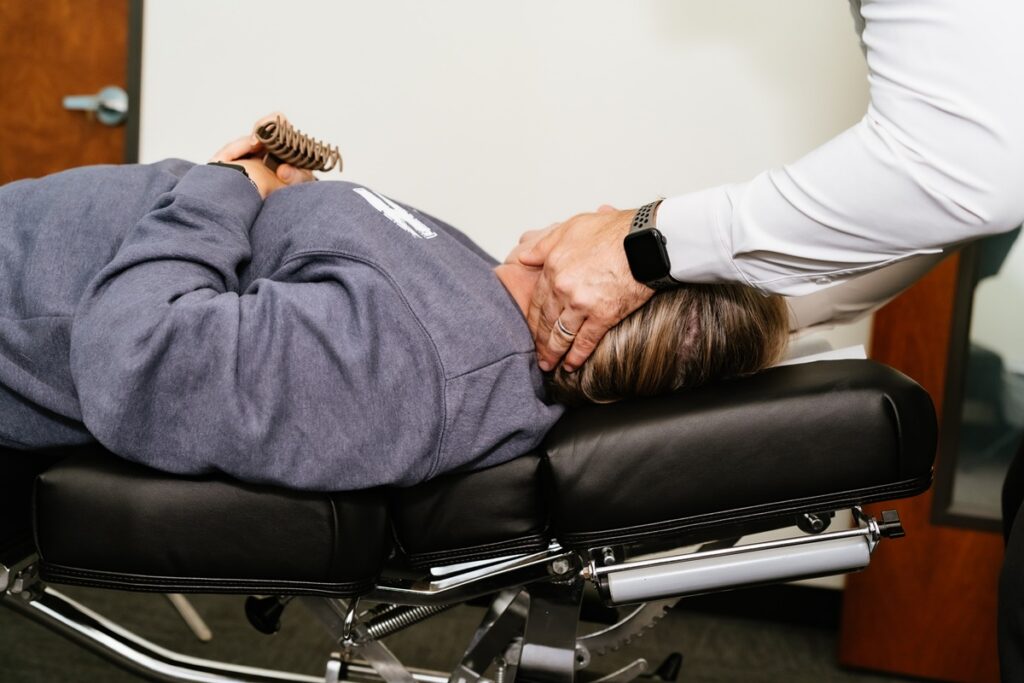

If you’re struggling with low back pain, you may have found that traditional treatments often fall short. As a chiropractor, I want to emphasize that holistic approaches can be incredibly effective in addressing the root causes of your discomfort rather than just masking the symptoms. By integrating chiropractic care with techniques like mindfulness, yoga, and targeted movement, you can create a comprehensive strategy for relief and recovery.
Chiropractic care is designed to align your spine and improve your overall function, which can significantly reduce pain and enhance your quality of life. Regular adjustments can help keep your spine in proper alignment, promoting better posture and reducing strain on your back.
In addition to chiropractic adjustments, consider incorporating some simple practices into your daily routine:
- Mindfulness: Taking a few moments each day to focus on your breath can help reduce stress, which often contributes to muscle tension in the back.
- Gentle Yoga: Incorporating gentle stretches and yoga poses can improve flexibility and strength in your back muscles, helping to prevent future pain.
- Targeted Movement: Engage in activities that promote core strength, such as walking or swimming, to support your spine and relieve pressure on your lower back.
Remember, you don’t have to suffer in silence. Exploring these holistic methods alongside chiropractic care can empower you to take control of your well-being. If you’re curious about how these options can work together for your recovery, don’t hesitate to reach out. Together, we can find the best path to optimal health and relief from low back pain.
Key Takeaways
- Regular chiropractic care is a gentle and effective way to relieve low back pain. By providing safe spinal adjustments, we help alleviate discomfort and encourage your body to heal naturally—without the need for medications or invasive procedures.
- Incorporating manual therapy techniques in your chiropractic sessions can significantly reduce muscle tension, improve mobility, and boost blood flow to the areas that need it most. This hands-on approach complements our adjustments, enhancing your overall healing process.
- To further support your spine and improve flexibility, consider incorporating daily stretching and strengthening exercises into your routine. Simple activities like yoga and bridging exercises not only enhance your physical strength but also promote spinal stability, making it easier to live pain-free.
- Remember, maintaining good posture is crucial for spinal health. Using ergonomic furniture and practicing proper body mechanics during everyday activities can greatly reduce stress on your spine, helping you feel more comfortable as you go about your day.
- Embracing a holistic approach to wellness can make a world of difference. By integrating lifestyle changes such as regular exercise, a balanced diet, and stress management techniques, you can enhance your overall health and find lasting relief from pain. Chiropractic care plays a vital role in this journey, offering you the support you need to achieve optimal well-being.
By choosing chiropractic care, you’re taking a proactive step towards a healthier, pain-free life. Remember, your spine is the foundation of your health—let’s work together to keep it strong!
Understanding Low Back Pain: Causes and Effects
When you experience low back pain, it can arise from a variety of sources, each affecting your daily life in unique ways.
Common culprits include muscle strain, herniated discs, arthritis, or even poor posture. Activities like lifting heavy objects or sitting for extended periods can make your discomfort worse. Additionally, emotional factors such as stress can lead to muscle tension, intensifying your pain.
The effects of low back pain can significantly impact your quality of life.
You might find simple tasks, like bending down to tie your shoes or sitting comfortably at your desk, becoming challenging. Sleep disruptions may occur, leading to fatigue and irritability. Social interactions can also diminish as you avoid situations that might trigger your pain.
Understanding the underlying causes of your low back pain is crucial for effective management and recovery.
This is where chiropractic care shines. A chiropractor can help identify the root of your discomfort and provide gentle adjustments to realign your spine, relieve tension, and promote natural healing.
Here are some general tips to help you manage low back pain and support your overall wellness:
- Maintain Good Posture: Be mindful of your posture when sitting or standing to reduce strain on your back.
- Stay Active: Engage in regular low-impact exercises, like walking or swimming, to strengthen your back muscles and improve flexibility.
- Practice Stress Relief: Incorporate relaxation techniques such as deep breathing, yoga, or meditation to help reduce muscle tension.
- Use Proper Lifting Techniques: When lifting heavy objects, bend at your knees and keep the load close to your body to minimize strain on your back.
- Consider Regular Chiropractic Care: Regular visits to a chiropractor can help maintain spinal health, prevent pain, and support your body’s natural healing processes.
By understanding the causes of your low back pain and taking proactive steps to address it, you can regain control over your life and enjoy a healthier, more active lifestyle.
The Role of Mindfulness in Pain Management
Mindfulness is an essential tool in managing low back pain, and it works beautifully alongside chiropractic care to enhance your overall well-being. By cultivating a strong mind-body connection, you can learn to reduce stress and tension, which often contribute to discomfort in your back. Practicing mindfulness techniques allows you to become more aware of your body and its signals, helping you identify what triggers your pain and how to respond more effectively.
Incorporating mindfulness into your routine can be as simple as taking a few moments each day to focus on your breathing, meditating, or even engaging in gentle stretching. These practices not only help alleviate pain but also complement the adjustments and treatments provided by your chiropractor.
Remember, chiropractic care is designed to support your body’s natural healing abilities. By combining it with mindfulness techniques, you’re taking a holistic approach to pain relief and promoting a healthier lifestyle.
If you’re struggling with low back pain, consider integrating these mindfulness practices into your routine and consult with your chiropractor for personalized advice tailored to your specific needs. Together, you can work towards achieving optimal health and wellness.
Mind-Body Connection
While many people often seek physical treatments for low back pain, it’s important to acknowledge the powerful mind-body connection in pain management. As a chiropractor, I emphasize that incorporating mindfulness techniques can significantly enhance your overall well-being and aid in pain relief. By becoming more aware of your body and emotions, you can better manage discomfort and promote healing.
Here’s a quick comparison of mindfulness techniques that can complement your chiropractic care:
| Technique | Benefits |
|---|---|
| Meditation | Reduces stress and sharpens focus, which can lead to less tension in the body. |
| Deep Breathing | Promotes relaxation and helps ease tension in the muscles supporting your spine. |
| Body Scan | Enhances your awareness of bodily sensations, allowing you to identify areas of discomfort and address them effectively. |
In addition to these techniques, make sure to maintain good posture, stay active with gentle exercises, and consider regular chiropractic adjustments to keep your spine aligned and functioning optimally. Remember, achieving optimal health is a holistic journey that includes both physical and mental wellness. Embrace the mind-body connection and see how it can enhance your pain relief and overall quality of life!
Stress Reduction Techniques
Regularly practicing stress reduction techniques can be a vital part of managing low back pain, and chiropractic care can enhance these efforts. Mindfulness is one effective approach that helps you stay present, reducing anxiety and tension that can worsen your discomfort. You might consider incorporating meditation, deep breathing exercises, or gentle yoga into your routine, as these practices can promote relaxation, ease muscle tension, and improve your overall well-being.
As a chiropractor, I encourage you to integrate short mindfulness sessions into your daily life. This can build resilience against stress and improve your ability to cope with pain. By cultivating mindfulness, you can change your relationship with pain, allowing you to respond to it more effectively.
Remember, a peaceful mind can support your healing journey. In addition to stress reduction techniques, regular chiropractic adjustments can help align your spine, relieve tension, and enhance your body’s natural healing abilities. Together, these approaches can lead to lasting relief from low back pain and promote a healthier, more balanced life.
Takeaway tips:
- Practice mindfulness techniques like meditation or deep breathing.
- Incorporate gentle yoga into your routine to promote relaxation.
- Schedule regular chiropractic visits to support spinal health and pain relief.
- Focus on cultivating a peaceful mindset to aid in your healing process.
Enhanced Self-Awareness
Understanding your body’s signals is crucial for enhancing your self-awareness and improving pain management, especially when it comes to low back pain.
As a chiropractor, I believe that by practicing mindfulness, you can become more aware of the sensations and emotions linked to your discomfort.
This increased awareness allows you to identify triggers and patterns, enabling you to respond more effectively without the need for invasive procedures or medications.
Instead of reacting impulsively to pain, take a moment to observe your thoughts and feelings.
Techniques like deep breathing and meditation can help ground you in the present moment, reducing anxiety about discomfort and fostering a sense of control over your body.
As you cultivate this self-awareness, you may uncover new strategies for coping with pain.
Regular chiropractic adjustments can help align your spine, reduce tension, and promote overall wellness.
Embracing mindfulness, along with chiropractic care, not only alleviates stress but also empowers you to take an active role in your healing journey.
Here are some simple tips to help you on your path to better health:
- Practice Deep Breathing: Spend a few minutes each day focusing on your breath. Inhale deeply through your nose, hold for a moment, and exhale slowly through your mouth.
- Stay Active: Engaging in gentle movements or stretches can help relieve tension in your back and improve flexibility.
- Maintain Good Posture: Be mindful of your posture while sitting or standing. Proper alignment can reduce strain on your back.
- Schedule Regular Chiropractic Visits: Regular adjustments can support your body’s natural healing processes and keep your spine aligned.
- Listen to Your Body: Pay attention to how different activities affect your pain levels and adjust accordingly.
Yoga and Stretching for Flexibility and Strength
Yoga and stretching are excellent practices for enhancing flexibility and strength, making them effective tools for alleviating low back pain. As a chiropractor, I believe that incorporating these techniques into your daily routine can significantly improve your mobility and help you develop resilience in your back muscles.
Not only do yoga and stretching promote physical well-being, but they also complement chiropractic care perfectly. By maintaining a flexible and strong spine, you can better support the adjustments made during your chiropractic sessions. This synergy can lead to a more effective and lasting relief from pain.
Here are some simple tips to integrate yoga and stretching into your routine for optimal health:
- Start with Gentle Stretches: Begin your day with gentle stretches to awaken your muscles and prepare your spine for the day ahead. Focus on your hamstrings and lower back, as these areas often hold tension.
- Incorporate Yoga Poses: Consider poses like Cat-Cow, Child’s Pose, and Downward Dog. These not only stretch but also strengthen your back muscles, promoting better posture and alignment.
- Listen to Your Body: Pay attention to how your body feels during stretches and yoga. If something doesn’t feel right, ease off. Pain is your body’s way of signaling that it needs a different approach.
- Consistency is Key: Regular practice is crucial. Aim for a few minutes each day to see improvements in your flexibility and strength over time.
- Combine with Chiropractic Care: Regular chiropractic adjustments can help maintain spinal alignment and enhance the benefits of your yoga and stretching routine. This combination is powerful for pain relief and overall wellness.
Benefits of Yoga
While low back pain can be quite challenging, you can find relief and improve your overall well-being through a combination of chiropractic care and simple lifestyle adjustments. As a chiropractor, I emphasize the importance of maintaining a healthy spine, which is crucial for reducing pain and enhancing your daily function.
Incorporating gentle movements and stretches into your routine can significantly aid in increasing flexibility and strength. Simple exercises that promote core stability are especially beneficial, as a strong core supports your spine and can alleviate discomfort. Additionally, focusing on proper posture can help ease tension in your lower back, making a noticeable difference in your daily activities.
Mindful breathing techniques can also play a vital role in managing pain and lowering stress levels. By practicing these techniques regularly, you’ll not only find relief from discomfort but also enhance your mental clarity and emotional well-being.
As you engage in these practices, you’ll gradually notice improvements in your range of motion and a decrease in stiffness. Remember, the goal is to empower yourself through natural healing and proactive care. Embracing chiropractic care, along with these simple tips, can lead to a more active lifestyle and a better ability to cope with low back pain.
Here are a few general tips to keep in mind:
- Prioritize good posture whether sitting, standing, or walking.
- Incorporate gentle stretches into your daily routine to keep your back flexible.
- Stay active with low-impact exercises like walking or swimming.
- Listen to your body—if something doesn’t feel right, consult your chiropractor for guidance.
Effective Stretching Techniques
Incorporating effective stretching techniques into your daily routine can significantly enhance your flexibility and strength, while also providing natural relief from low back pain. As a chiropractor, I believe that these simple yet powerful stretches can complement your chiropractic care, helping you achieve optimal health and wellness.
Here are some key stretches to consider:
- Cat-Cow Stretch: This dynamic movement is fantastic for improving spinal flexibility and relieving tension in your back. It’s an excellent way to wake up your spine and get your body moving.
- Child’s Pose: This gentle stretch is perfect for relaxing your back and stretching your hips. It encourages deep breathing and can help you unwind after a long day.
- Seated Forward Bend: By lengthening your spine and hamstrings, this pose can alleviate tightness and promote relaxation. It’s a great stretch to incorporate after your chiropractic adjustments.
- Supine Spinal Twist: This stretch promotes spinal mobility and eases discomfort in the lower back. It encourages gentle rotation, which can help keep your spine healthy and flexible.
- Hamstring Stretch: Tight hamstrings can put extra strain on your lower back, so loosening them can help reduce discomfort. This stretch is simple and effective, making it a great addition to your routine.
Incorporating these stretches into your day can enhance the benefits of your chiropractic care, helping you maintain a healthier spine and overall well-being.
Remember, consistent practice is key, and always listen to your body. If you experience any discomfort, consult with your chiropractor for tailored advice.
Embrace these natural methods for pain relief and enjoy a more flexible, healthier life!
Acupuncture: Ancient Relief for Modern Pain
When it comes to managing low back pain, many people may overlook the benefits of chiropractic care, which stands out as a powerful option for natural healing. Chiropractic care focuses on aligning the spine and improving the body’s overall function, promoting a healthier lifestyle and relieving discomfort without the need for medications or invasive procedures.
Through targeted spinal adjustments, chiropractors can help alleviate discomfort associated with low back pain by restoring proper alignment and improving nerve function. This not only helps reduce pain but can also enhance your overall well-being, leading to better mobility and a more active lifestyle.
In addition to chiropractic adjustments, there are several simple tips you can incorporate into your daily routine to help manage low back pain. Maintaining good posture, using ergonomic furniture, and practicing regular stretches can all contribute to a healthier spine.
Staying active with low-impact exercises, such as walking or swimming, can also support your back health.
If you’re experiencing low back pain, consider visiting a licensed chiropractor who can create a personalized treatment plan tailored to your needs. Chiropractic sessions typically last about 30 to 60 minutes, and most patients find them to be comfortable and relaxing. By choosing chiropractic care, you may discover a holistic approach to achieving optimal health and lasting relief from low back pain. Remember, investing in your spine is investing in your health!
Physical Therapy Techniques for Recovery
When recovering from low back pain, chiropractic care can be a game changer. Unlike other treatments, chiropractic focuses on natural healing by addressing the root cause of your pain rather than just masking the symptoms.
By incorporating gentle adjustments and spinal manipulations, we can help restore proper alignment and mobility in your spine, which is essential for overall health.
In addition to adjustments, I recommend incorporating strengthening exercises into your routine. These exercises will support your back muscles, improving stability and reducing the chance of future pain.
It’s important to work on your posture as well; maintaining good posture can relieve pressure on your spine and enhance your overall well-being.
Manual therapy techniques, such as soft tissue work, can also play a crucial role in your recovery. These methods help to release tension and improve blood flow, which promotes healing in the affected areas.
Remember, your journey to recovery is unique, and it’s important to listen to your body. Here are some general tips to keep in mind:
- Stay active with low-impact activities like walking or swimming to keep your back muscles engaged.
- Make a conscious effort to maintain good posture throughout your day, especially if you’re sitting for long periods.
- Consider regular chiropractic visits to keep your spine aligned and your body functioning optimally.
Chiropractic care is a holistic approach that prioritizes your health and wellness. By focusing on natural healing techniques, you can experience lasting relief and reclaim your life from low back pain.
Strengthening Exercises
Strengthening exercises are vital for alleviating low back pain and supporting your overall recovery. By focusing on your core and back muscles, you can significantly improve your stability and provide essential support for your spine. Here are some effective exercises to consider, all of which can complement the benefits of chiropractic care:
- Bridges: These help strengthen your glutes and lower back while improving your stability, making it easier for your spine to stay aligned.
- Planks: Engaging your entire core, planks promote overall strength and endurance, which are key to preventing back pain.
- Bird-Dogs: This exercise enhances your balance and coordination while targeting your back and abdominal muscles, helping to stabilize your spine.
- Pelvic Tilts: These movements can relieve tension in your lower back and activate your core, contributing to better posture.
- Supermans: By strengthening your lower back, Supermans encourage proper posture and help protect your spine during daily activities.
Incorporating these exercises into your routine can significantly contribute to your recovery and help you manage low back pain effectively. Remember, chiropractic care plays a crucial role in helping you achieve optimal health, as it addresses the root cause of discomfort rather than just the symptoms.
Always consult your chiropractor before starting new exercises to ensure they align with your specific needs and health goals. By taking these steps, you’re not only investing in your spinal health but also in a healthier, pain-free lifestyle.
Manual Therapy Methods
Manual therapy methods can be a game-changer for your recovery from low back pain. As a chiropractor, I believe in the power of hands-on techniques that focus on aligning the spine and relieving tension in your muscles and joints. Through methods like spinal adjustments, soft tissue work, and gentle mobilization, we aim to reduce pain and enhance your mobility naturally.
These techniques help improve blood flow and restore movement, allowing your body to heal itself more effectively. By targeting the areas that are causing discomfort, we can alleviate your pain and promote overall wellness. It’s important to communicate openly about your symptoms and progress; this helps us tailor our approach to suit your individual needs, ensuring you get the best results.
Incorporating chiropractic care into your treatment plan, alongside healthy lifestyle choices like regular exercise, proper nutrition, and stress management, can significantly enhance your recovery journey. Remember, taking care of your spine is crucial for maintaining strength and flexibility in your lower back. By choosing chiropractic care, you’re opting for a natural, holistic approach to achieving optimal health and wellness. Always listen to your body and consult with your chiropractor to find the best strategies for your unique situation.
Posture Correction Strategies
To effectively combat low back pain, focusing on posture correction is essential, and chiropractic care can play a significant role in this process.
By adopting good posture, you can greatly reduce strain on your back and promote natural healing. Here are some helpful strategies to improve your posture and enhance your overall wellness:
- Engage your core: Strengthening your abdominal muscles not only supports your spine but also helps maintain a healthy posture. A strong core is crucial for stability and can reduce the risk of pain.
- Adjust your workstation: Ensure that your computer screen is at eye level and that your chair offers good support for your lower back. An ergonomic setup can significantly improve your posture throughout the day.
- Practice sitting correctly: Keep your feet flat on the floor and avoid crossing your legs. Sitting with your feet planted helps distribute your weight evenly and reduces tension in your back.
- Incorporate movement: Taking regular breaks to stretch and walk around is essential. Movement helps prevent stiffness and promotes circulation, which is vital for healing.
- Use ergonomic tools: Consider lumbar rolls or supportive cushions to maintain proper alignment while sitting. These tools can provide additional comfort and support for your spine.
Remember, chiropractic care is an excellent resource for addressing posture issues and alleviating pain naturally.
By implementing these techniques and working with a chiropractor, you can achieve long-term relief and enjoy a healthier back.
Your journey to wellness starts with small changes—let’s prioritize your spine health together!
The Impact of Nutrition on Musculoskeletal Health
Nutrition plays a vital role in keeping your musculoskeletal system healthy, and a balanced diet can significantly enhance your strength and flexibility. Choosing the right foods can help reduce inflammation and support healing, which is essential for preventing low back pain and other musculoskeletal issues.
Here’s a straightforward look at some key nutrients that can boost your musculoskeletal health:
| Nutrient | Sources | Benefits |
|---|---|---|
| Calcium | Dairy products, leafy greens | Strengthens bones and supports overall skeletal health |
| Omega-3 Fatty Acids | Fatty fish, walnuts | Helps reduce inflammation, which can alleviate pain |
| Vitamin D | Sunlight, fortified foods | Aids in calcium absorption and promotes bone health |
Incorporating these nutrients into your daily meals can empower your body to stay strong and resilient. Remember, the food you choose not only affects your weight but also plays a crucial role in your overall musculoskeletal health. By prioritizing nutrition, you can make a significant difference in managing and preventing low back pain.
As a chiropractor, I encourage you to consider how nutrition complements chiropractic care. While chiropractic adjustments can help align your spine and relieve pressure on your nerves, the right diet can enhance your body’s ability to heal and function optimally.
Here are some helpful tips to improve your musculoskeletal health through nutrition:
- Add More Greens: Incorporate leafy greens like spinach and kale into your meals for an excellent source of calcium and other essential vitamins.
- Snack Smart: Choose snacks like walnuts or fatty fish instead of processed options. These foods are rich in omega-3 fatty acids that can help reduce inflammation.
- Get Sunlight: Spend a little time outdoors to soak up some sunlight, which is a natural source of Vitamin D.
- Stay Hydrated: Drinking plenty of water is essential for joint lubrication and overall health.
Herbal Remedies and Supplements for Pain Relief
When it comes to managing low back pain, many individuals seek natural approaches to find relief. While chiropractic care is one of the best ways to address the underlying causes of pain, there are also a variety of herbal remedies and supplements that can support your journey toward wellness. Here are some effective options you might consider incorporating alongside regular chiropractic adjustments:
- Turmeric: This vibrant yellow spice is celebrated for its anti-inflammatory properties, which can aid in reducing pain and swelling. Adding turmeric to your diet can be a simple way to enhance your overall health.
- Ginger: Known for its warming properties, ginger can help ease muscle soreness and combat inflammation. You can enjoy ginger tea or incorporate fresh ginger into your meals for added benefits.
- Willow Bark: Often referred to as nature’s aspirin, willow bark has been used for centuries as a natural pain reliever. It may help reduce discomfort associated with low back pain.
- Devil’s Claw: This herb is known for its potential to alleviate pain and stiffness, especially in the lower back. It’s worth discussing with your chiropractor to see if it’s suitable for you.
- Capsaicin Cream: Derived from chili peppers, this topical treatment can provide a numbing effect, helping to reduce pain when applied to affected areas.
While these remedies can be beneficial, remember that they’re best used in conjunction with chiropractic care, which addresses the root causes of pain through spinal adjustments and holistic approaches to wellness. Always consult with your chiropractor before starting any new supplement to ensure they align with your overall health strategy.
In addition to these remedies, here are some general tips to help manage low back pain and promote overall wellness:
- Stay Active: Gentle exercises and stretches can strengthen your back and improve flexibility. Your chiropractor can guide you on the best exercises for your condition.
- Maintain Good Posture: Be mindful of your posture while sitting, standing, and lifting. Proper alignment can alleviate strain on your back.
- Stay Hydrated: Drinking plenty of water supports overall health and helps maintain the elasticity of spinal discs.
- Get Adequate Rest: Quality sleep is essential for recovery. Make sure your mattress provides the right support for your back.
Importance of Sleep and Rest for Healing
Sleep and rest are crucial components in the healing journey, especially when you’re dealing with low back pain. Your body needs time to repair itself, and quality sleep is key to this recovery process. When you sleep, your muscles relax, inflammation decreases, and your brain can better process pain signals. If you’re struggling to get enough rest, it can be much harder to manage discomfort, creating a frustrating cycle of pain and fatigue.
To enhance your sleep and rest, start by creating a comfortable sleep environment. Think about using supportive pillows that keep your spine aligned, adjusting your mattress for optimal comfort, and ensuring your room is cool and dark. Sticking to a consistent sleep schedule is also beneficial; it helps regulate your body’s internal clock, making it easier to fall asleep and wake up refreshed.
In addition to a good night’s rest, remember to take short breaks throughout your day. These little pauses can help your body recharge and promote healing. It’s important to listen to your body—if it’s signaling that you need to slow down, be sure to heed that warning. Prioritizing sleep and rest, along with regular chiropractic care, can significantly enhance your recovery from low back pain and support your overall wellness.
Chiropractic care focuses on addressing the root causes of pain, helping you regain mobility and improve your quality of life naturally. By combining good sleep habits with regular adjustments, you can accelerate your healing process and enjoy a healthier, more active lifestyle.
Stress Reduction Strategies to Alleviate Pain
While stress is a common part of life, it can significantly exacerbate low back pain if not addressed. As a chiropractor, I understand the importance of managing stress not only for your mental well-being but also for your physical health. By integrating effective stress reduction strategies into your daily routine, you can help alleviate discomfort and promote overall wellness. Here are some valuable techniques to consider:
- Deep Breathing: Take a moment to practice deep, slow breaths. This simple technique activates your body’s relaxation response, helping to ease tension in both your mind and back.
- Meditation: Dedicate a few minutes each day to quiet your mind and focus on the present. Meditation can cultivate a sense of peace, reducing stress and enhancing your body’s healing processes.
- Gentle Yoga: Incorporate gentle yoga stretches into your routine to relieve tension in your back. Yoga not only promotes flexibility but also encourages relaxation and mindfulness.
- Nature Walks: Spend time outdoors, enjoying fresh air and the beauty of nature. Walking in a natural setting can significantly lower stress levels and improve your mood.
- Journaling: Consider writing down your thoughts and feelings. Journaling can help you process stressors and gain clarity, making it easier to manage your emotions.
By prioritizing these strategies, you can enhance your overall well-being and support your body in managing low back pain naturally. Remember, chiropractic care is a powerful tool in achieving optimal health. Regular adjustments can help realign your spine, improve mobility, and reduce discomfort, allowing you to enjoy a more active and fulfilling life.
Embrace these stress reduction techniques alongside your chiropractic care for the best results in your journey toward wellness.
Creating a Personalized Holistic Care Plan
To effectively manage low back pain, a personalized holistic care plan is key, and chiropractic care should be at the forefront of your approach. First, take a moment to assess your specific symptoms and triggers. Keeping a pain journal can be incredibly helpful—track when your pain flares up and what activities might be contributing to your discomfort.
Incorporating regular chiropractic adjustments can significantly improve spinal alignment, which plays a crucial role in alleviating pain. Additionally, consider engaging in gentle physical activities like yoga or swimming that are tailored to your abilities. These exercises not only help strengthen your back but also promote flexibility and reduce tension.
Nutrition also plays a vital role in your healing journey. Focus on a balanced diet filled with anti-inflammatory foods such as leafy greens, berries, and omega-3 rich fish. These can support your overall health and enhance the benefits of chiropractic care.
Don’t underestimate the power of mind-body techniques! Practices such as meditation and deep breathing can effectively manage stress, which often exacerbates pain. By integrating these techniques into your routine, you can promote relaxation and support your healing process.
Consulting with a chiropractor can provide you with tailored guidance that focuses on your unique needs. Regular adjustments and advice from these experts can help you create a comprehensive care plan that addresses not just your pain but your overall well-being. Remember to assess your progress continually and adjust your plan as needed.
Conclusion
Incorporating holistic approaches into your daily routine can significantly relieve low back pain and improve your overall well-being. As a chiropractor, I believe that addressing the root causes of your discomfort is crucial for lasting relief, and chiropractic care stands out as one of the best options for achieving optimal health.
By combining chiropractic adjustments with mindful practices and targeted exercises, you can create a powerful healing plan. Techniques such as yoga can complement your chiropractic care by enhancing flexibility and strengthening your core muscles, which support your spine. Additionally, practices like acupuncture and stress reduction can further promote healing and help prevent future issues.
Here are some simple tips to help you manage low back pain:
- Stay Active: Engage in gentle activities like walking or swimming, as movement can help alleviate stiffness and improve circulation.
- Posture Matters: Be mindful of your posture, especially when sitting for long periods. Use ergonomic chairs and take regular breaks to stretch.
- Strengthen Your Core: Focus on exercises that strengthen your abdominal and back muscles, as a strong core supports your spine.
- Listen to Your Body: If a certain activity or movement causes pain, take a step back and adjust your approach.
- Stay Hydrated: Drinking plenty of water helps maintain spinal disc health and keeps your body functioning optimally.
Remember, creating a personalized care plan with your chiropractor is essential for your recovery and long-term health. By taking charge of your well-being and incorporating chiropractic care into your life, you can enjoy a more active and pain-free existence!