
Throughout history, the way we live has had a significant impact on our spinal health. From the physically demanding agrarian lifestyles of our ancestors to the sedentary work environments many of us find ourselves in today, each change has shaped how we move and care for our backs. Recognizing these shifts can help us understand effective strategies for preventing back pain and maintaining optimal health.
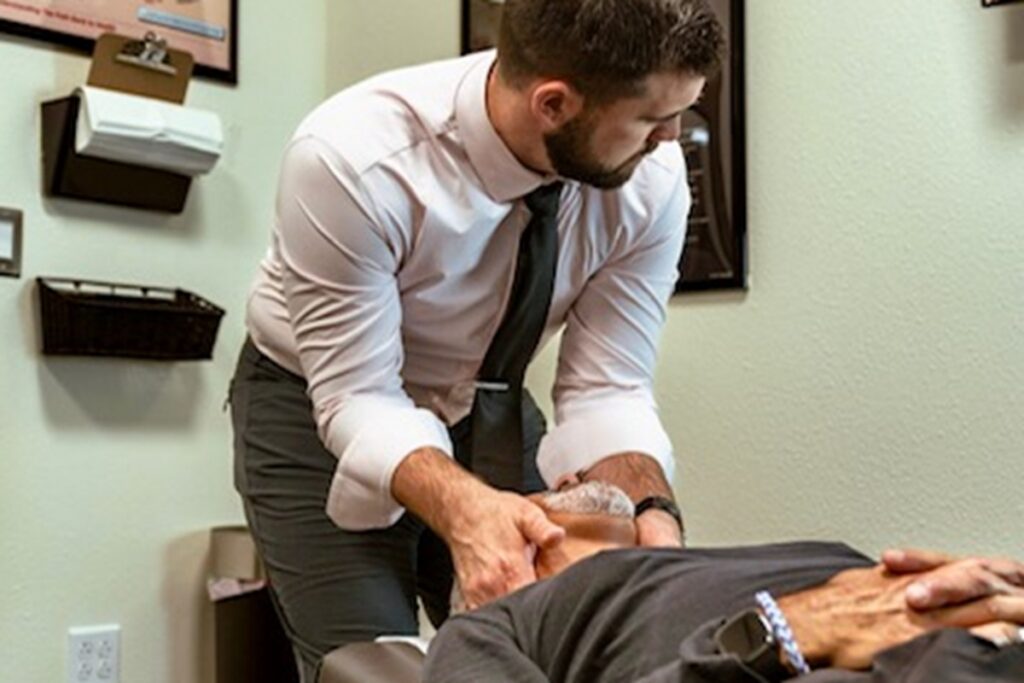
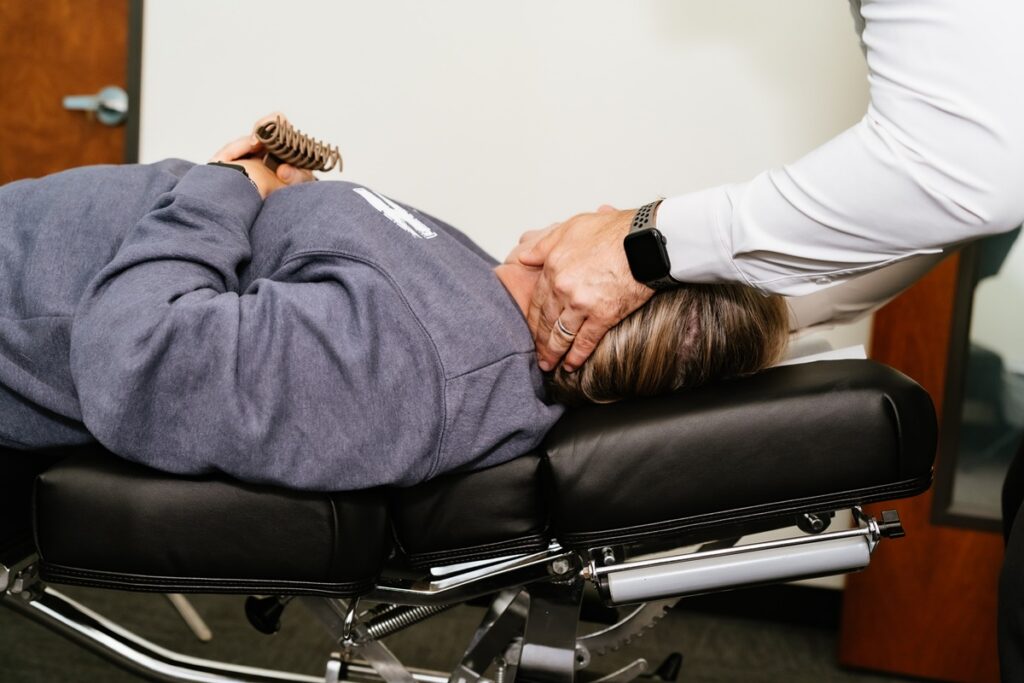
In the past, people engaged in more physical activities that naturally kept their spines strong and flexible. Today, however, many of us spend long hours sitting, which can lead to poor posture and increased back pain. This is where chiropractic care comes in as a powerful solution. By focusing on spinal alignment and mobility, chiropractic adjustments can help relieve pain and promote overall wellness, allowing your body to function at its best.
Here are a few tips to help you take care of your spine and prevent back pain in your daily life:
- Stay Active: Incorporate regular movement into your routine, whether it’s walking, stretching, or participating in sports. Keeping your body active can help strengthen your back muscles and improve flexibility.
- Mind Your Posture: Pay attention to how you sit and stand. Keeping your spine aligned while sitting at a desk or standing can greatly reduce strain on your back.
- Ergonomic Adjustments: If you spend a lot of time at a computer, consider using ergonomic furniture that supports your back and encourages good posture.
- Chiropractic Care: Regular visits to a chiropractor can help keep your spine aligned, relieve tension, and prevent future pain. Chiropractic care focuses on natural healing, making it a safe and effective choice for maintaining your health.
- Listen to Your Body: If you feel discomfort, don’t ignore it. Pay attention to your body’s signals and seek chiropractic care to address any issues before they escalate.
By understanding the historical context of our lifestyles and how they affect our spinal health, you can make informed choices today. Embracing chiropractic care as part of your wellness journey can lead to a healthier, pain-free life. What steps will you take to prioritize your spinal health?
Key Takeaways
Back pain is a common issue that many people face today, but understanding how our lifestyles have changed over time can help us find ways to prevent it. In the past, traditional agrarian lifestyles involved regular physical labor, which not only kept people strong and flexible but also encouraged good posture. This natural movement helped to keep back pain at bay.
In historical communities, activities were often centered around group efforts, which promoted movement and reduced sedentary behavior. This way of life supported healthy spinal function and overall wellness. However, with urbanization, many of us have become dependent on cars, leading to less daily movement and an increase in back pain.
The transition from physically demanding jobs to sedentary office work has further exacerbated the problem. Sitting for long periods can weaken your core muscles and put extra strain on your spine, making discomfort more likely. That’s why it’s crucial to incorporate chiropractic care into your routine. Regular chiropractic adjustments can help keep your spine aligned and functioning optimally, reducing pain and supporting your overall health.
Here are some practical tips to help you maintain a healthier back in your daily life:
- Stay Active: Try to incorporate movement into your day, even if it’s just taking short breaks to stretch or walk around. Your back will thank you!
- Practice Good Posture: Be mindful of your posture while sitting and standing. Keeping your spine aligned helps reduce strain.
- Lift with Care: Always use proper lifting techniques by bending at the knees and keeping your back straight. This will help protect your spine.
- Consider Chiropractic Care: Regular visits to your chiropractor can help ensure that your spine is healthy, providing you with pain relief and improved wellness.
By making these small adjustments to your lifestyle and prioritizing chiropractic care, you can take significant steps toward preventing back pain and achieving optimal health. Remember, a healthy back is key to a healthy life!
The Agrarian Lifestyle and Physical Labor
In the agrarian lifestyle, physical labor was a cornerstone of daily life, shaping not only routines but also overall health. Rising with the sun, you’d tend to crops and care for livestock, engaging in activities that required strength and endurance. These tasks kept your body active, promoting good posture and flexibility. However, the repetitive movements and heavy lifting common in this lifestyle could lead to strain, particularly in the back, which is where chiropractic care can play a vital role.
To prevent injury and support your body, it’s crucial to learn proper lifting techniques. This includes bending your knees and keeping loads close to your body. Additionally, regular stretching can help maintain muscle elasticity and reduce tension. Incorporating gentle stretches into your routine can be a simple way to enhance your flexibility and prevent aches.
With limited access to medical resources, many relied on natural remedies, such as herbal poultices, to alleviate discomfort. However, chiropractic care offers a holistic approach to healing that focuses on aligning the spine and improving overall body function. Regular chiropractic adjustments can help relieve pain, improve mobility, and enhance your body’s natural healing abilities.
Your community likely shared wisdom on avoiding overexertion, and this is essential for maintaining a healthy lifestyle. Remember to listen to your body and take breaks when needed. By prioritizing rest and incorporating chiropractic care into your wellness routine, you can support your body’s resilience against the physical demands of daily tasks.
The Industrial Revolution: A Shift in Work Environments
As the Industrial Revolution transformed work environments, many individuals transitioned from farming to factory settings, where long hours of repetitive movements and sedentary positions became the norm. This significant shift had a profound impact on physical health, particularly concerning the back. In factories, workers frequently engaged in the same tasks repeatedly, leading to muscle fatigue and strain. The rigid assembly lines often forced you to stand or sit in awkward positions for extended periods, putting additional stress on your spine.
The absence of ergonomic design in these workspaces compounded the problem. Without proper support, your spine faced increased pressure, which can contribute to chronic back pain. As you adjusted to these new environments, you may have experienced a decline in mobility and an increase in discomfort.
Understanding how these changes in work settings have affected your body is crucial. It highlights the importance of maintaining good posture and incorporating movement into your daily routine. Regular chiropractic care can be a key component in achieving optimal health and relieving pain naturally. By visiting a chiropractor, you can receive personalized adjustments that help realign your spine, alleviate discomfort, and improve your overall well-being.
Here are some general tips to promote spinal health in your daily life:
- Practice Good Posture: Whether sitting or standing, keep your back straight, shoulders relaxed, and your head aligned with your spine.
- Take Breaks: If you have a job that requires prolonged sitting or standing, make it a point to take breaks every hour to stretch and move around.
- Incorporate Movement: Engage in regular physical activity, such as walking, stretching, or yoga, to strengthen your back and improve flexibility.
- Listen to Your Body: Pay attention to any discomfort or pain. If you notice persistent issues, consider scheduling a visit with a chiropractor to assess your spinal health.
- Create an Ergonomic Workspace: If possible, adjust your workstation to promote better posture, including using supportive chairs and keeping your computer screen at eye level.
The Rise of Sedentary Jobs in the 20th Century
The 20th century brought about a significant increase in sedentary jobs, as many individuals transitioned from physically demanding roles in factories to more desk-oriented positions in offices. If you find yourself spending long hours sitting at a desk and staring at screens, it’s essential to understand how this shift can impact your health. With less movement in our daily routines, many people experience an uptick in issues such as back pain.
Prolonged sitting can put a strain on your spine, weaken your core muscles, and contribute to poor posture. The longer you sit, the more difficult it becomes to maintain a healthy back. To combat the negative effects of this sedentary lifestyle, it’s crucial to incorporate movement into your day.
Here are some simple tips to help promote better spinal health:
- Stand Up Regularly: Make it a habit to stand up and stretch or walk around for a few minutes every hour. This can help relieve tension in your back and improve circulation.
- Use Ergonomic Furniture: Invest in ergonomic chairs and desks that support your body properly. This can help reduce strain on your spine and promote better posture while you work.
- Practice Good Posture: Be mindful of your posture while sitting. Keep your feet flat on the floor, your back straight, and your shoulders relaxed.
- Stay Active: Incorporate physical activity into your routine, whether it’s through walking, yoga, or other forms of exercise that strengthen your core and support your spine.
- Consider Chiropractic Care: Regular visits to a chiropractor can be a great way to maintain spinal health and address any discomfort you may be experiencing. Chiropractic care focuses on natural healing and can help restore alignment to your spine, providing relief from pain and promoting overall wellness.
By recognizing the importance of movement and taking proactive steps to care for your spine, you can mitigate the adverse effects of a sedentary lifestyle.
The Impact of Technology on Posture and Movement
With the rise of smartphones, tablets, and laptops, our daily habits have drastically shifted, often leading to poor posture and movement issues. Many of us find ourselves hunched over our devices for long periods, which can result in muscle imbalances and chronic back pain. This constant slouching puts significant pressure on your spine, disrupting its natural alignment.
Additionally, technology promotes a sedentary lifestyle. Instead of engaging in physical activities or hobbies, many of us are glued to a screen, which can further compromise our physical health. Consider how often you look down at your phone; this can strain your neck and back, leading to discomfort.
As a chiropractor, I want to emphasize the importance of taking proactive steps to maintain your spinal health. Here are some simple tips to help you combat the negative effects of technology on your posture and movement:
- Take Regular Breaks: Set a timer to remind yourself to take short breaks every hour. Stand up, stretch, and move around a bit to relieve tension and improve circulation.
- Practice Good Ergonomics: When using devices, ensure your screen is at eye level and your chair provides proper support. Sit with your back straight and your feet flat on the floor.
- Incorporate Stretching: Simple stretches can help alleviate tightness in your muscles. Reach your arms overhead, roll your shoulders back, and gently twist your torso to keep your spine flexible.
- Stay Active: Aim for at least 30 minutes of physical activity each day. Whether it’s a walk, yoga, or any sport you enjoy, movement is crucial for your overall well-being.
- Consider Chiropractic Care: Regular chiropractic adjustments can help align your spine, relieve pain, and improve your overall posture. A chiropractor can provide personalized care and guidance tailored to your needs.
The Role of Urbanization in Changing Physical Activity Levels
Urbanization has significantly transformed our cities and the way we live, often resulting in reduced levels of physical activity. Many individuals now find themselves relying on cars and public transport, leading to more time spent sitting than moving. This change in urban design not only influences our daily habits but can also contribute to an increase in issues like back pain.
As a chiropractor, I understand how vital it’s to maintain an active lifestyle for overall health and wellness. Here are some practical tips to help you incorporate more movement into your day-to-day routine, which can aid in alleviating back pain and enhancing your well-being:
- Take Short Walks: If you’re using public transport, consider getting off a stop early and walking the remaining distance. This small change can add up over the week.
- Opt for Stairs: Whenever possible, choose stairs over elevators. Climbing stairs is a great way to strengthen your legs and core, which supports your spine.
- Set Movement Reminders: If you have a desk job, set a timer to remind yourself to stand up and stretch or walk every hour. Simple stretches can reduce tension and improve your spinal health.
- Engage in Outdoor Activities: Find a local park or community space and participate in outdoor activities like walking, jogging, or cycling. Being in nature can also enhance your mood!
- Practice Good Posture: Whether sitting or standing, be mindful of your posture. Keeping your spine aligned can prevent discomfort and long-term issues.
- Consider Chiropractic Care: Regular chiropractic adjustments can help relieve pain and improve mobility. Chiropractic care focuses on the spine and its connection to overall health, making it an excellent choice for those experiencing back pain due to a sedentary lifestyle.
Urban Design Impact
In bustling cities, the design of your surroundings can significantly impact your physical activity levels and overall spine health. As a chiropractor, I want to emphasize how important it is to live in areas that promote movement and well-being. Walkable neighborhoods, parks, and easy access to public transport not only encourage you to stay active but also support better back health. On the other hand, poorly designed urban spaces can lead to a reliance on cars, resulting in reduced movement and increased discomfort.
Here are some design elements that can enhance your activity level and contribute to a healthier spine:
| Design Element | Impact on Activity Level |
|---|---|
| Walkable Streets | Encourages walking and biking, which strengthens your back muscles and improves posture. |
| Green Spaces | Provides areas for exercise, allowing you to engage in activities like yoga or jogging, which are great for spinal health. |
| Mixed-Use Developments | Reduces travel time and increases walking, promoting regular movement throughout your day. |
| Public Transport Access | Supports active commuting, giving you the chance to stretch and move rather than being sedentary. |
To make the most of your environment and enhance your spinal health, consider these tips:
- Take the Stairs: Whenever possible, opt for stairs instead of elevators. This simple choice can strengthen your legs and improve your core stability, which is essential for a healthy spine.
- Incorporate Walks into Your Routine: Whether it’s a stroll during your lunch break or a walk to the store, aim for regular movement throughout your day.
- Utilize Local Parks: Make use of nearby green spaces for exercise. Activities like walking, jogging, or practicing yoga can help maintain flexibility and strength in your spine.
- Connect with Your Community: Join local fitness groups or classes that focus on movement. Being part of a community encourages you to stay active and engaged.
Sedentary Lifestyle Increase
As a chiropractor, I’ve noticed a concerning trend: many people are leading more sedentary lifestyles as urban environments continue to expand. With cities growing and amenities becoming more centralized, many of us find ourselves relying on cars or public transport rather than walking or biking. This shift can significantly reduce our daily physical activity, resulting in more time spent sitting—whether at work, home, or during leisure activities.
Furthermore, the rise of technology and digital entertainment often encourages us to stay indoors and engage in less movement. How many of us have chosen binge-watching our favorite shows over enjoying the fresh air outside? This shift in lifestyle can lead to poor posture and weakened muscles, which may increase the risk of back pain—a common issue I see in my practice.
To combat this trend, it’s vital to incorporate movement into your daily routine. Here are some simple tips that can make a big difference:
- Take Regular Breaks: Set a timer to remind yourself to stand up and stretch every hour. A few minutes of movement can help alleviate tension and improve circulation.
- Practice Stretching: Gentle stretching can help maintain flexibility and counteract the effects of sitting for long periods. Focus on stretches that target your back, neck, and shoulders.
- Consider a Standing Desk: If possible, try using a standing desk or an adjustable desk that allows you to alternate between sitting and standing throughout the day.
- Walk or Bike When You Can: Whenever it’s feasible, opt for walking or biking instead of driving. Not only does this increase your activity level, but it also provides a great way to enjoy your surroundings.
- Stay Active During Leisure Time: Instead of sitting down for hours, look for activities that keep you moving, such as taking a walk in the park, gardening, or playing a game with friends or family.
Remember, chiropractic care can play a crucial role in helping you achieve optimal health and wellness. Regular adjustments can improve your posture, enhance mobility, and alleviate pain, allowing you to enjoy a more active lifestyle.
If you’re experiencing discomfort or simply want to enhance your overall well-being, consider scheduling a visit to your local chiropractor. Together, we can work towards a healthier, more active you!
Transportation Changes Effect
The shift towards a more sedentary lifestyle isn’t just about personal choices; it’s also shaped by how our cities are designed and how we get around. Urbanization has led to a heavy reliance on cars, which reduces our opportunities for walking and biking. As cities expand, public transport systems often encourage more sitting than standing or moving. You might find yourself spending long hours in traffic, which can lead to discomfort and pain in your back.
When urban areas prioritize vehicles over the needs of pedestrians, it limits your chances for physical activity, which is essential for maintaining a healthy spine. To counteract this, here are some simple tips to incorporate more movement into your daily routine:
- Walk for Short Trips: Instead of hopping into your car for quick errands, consider walking. This not only keeps you active but also helps improve your posture and spinal health.
- Use Public Transport Wisely: When using buses or trains, stand when possible. This encourages better posture and engages your core muscles, which can be beneficial for your spine.
- Integrate Exercise into Your Commute: If you can, park further away from your destination or get off public transport a stop early to walk a bit more. This small change can significantly impact your daily physical activity.
- Stretch Regularly: Take breaks during your day to stretch. Simple stretches can alleviate tension in your back and promote flexibility, which is vital for a healthy spine.
- Consider Chiropractic Care: Regular visits to a chiropractor can help address any discomfort you’re experiencing and promote natural healing. Chiropractic care focuses on aligning your spine and improving your overall wellness, making it a fantastic choice for maintaining your health.
Historical Perspectives on Back Pain and Treatment
Back pain has been a common challenge for people throughout history, and the ways to address it have evolved significantly.
In ancient Egypt, for example, priests would use herbal remedies and massages, believing in the power of spiritual healing.
The Greeks and Romans took a different approach, emphasizing physical fitness and exercise as important for back health.
As we moved into the Middle Ages, barbers were known to perform surgeries on those suffering from back pain, blending their roles as both healers and barbers.
Entering the 18th century, chiropractic practices began to take shape, focusing on spinal alignment and manipulation as a natural and effective way to relieve pain.
By the 20th century, as medical science advanced, many treatments emerged, but chiropractic care remained a preferred option for many seeking non-invasive, natural relief.
Today, you have a variety of choices for managing back pain, but chiropractic care stands out as a holistic approach that addresses the root causes of discomfort.
Chiropractic adjustments can help restore proper alignment to your spine, which is essential for overall health and wellness.
Incorporating chiropractic care into your wellness routine can lead to significant improvements in your pain levels and quality of life.
Here are some simple tips to support your back health:
- Stay Active: Regular low-impact exercises, such as walking or swimming, can strengthen your back muscles and improve flexibility.
- Practice Good Posture: Be mindful of your posture while sitting, standing, and lifting. Keeping your spine aligned can prevent unnecessary strain.
- Ergonomic Workspace: If you work at a desk, ensure your workspace is set up ergonomically. Use a chair that supports your lower back and take breaks to stretch.
- Stay Hydrated: Drinking plenty of water helps keep your spinal discs hydrated and maintains their health.
- Regular Chiropractic Visits: Schedule regular check-ups with your chiropractor to maintain proper spinal alignment and address any issues before they become more serious.
By understanding the historical context of back pain treatment and embracing chiropractic care, you can take proactive steps towards achieving optimal health and natural wellness.
Lessons From Traditional Cultures on Movement and Health
Traditional cultures provide us with invaluable lessons on natural movement and community-centered activities that can significantly enhance our health. As a local chiropractor, I believe that integrating these practices into your daily routine can lead to better spinal health and overall wellness.
By observing how these cultures move and interact, we can find simple ways to incorporate more functional movement into our lives. For example, consider engaging in activities such as walking, dancing, or stretching with family and friends. These not only promote physical activity but also foster a sense of community, both of which are essential for maintaining a healthy spine.
Furthermore, embracing these natural movements can be a powerful tool in preventing back pain. Regular chiropractic care works hand-in-hand with these practices to ensure that your spine is aligned and functioning optimally. When your body moves as it should, you may experience less tension and discomfort.
Here are a few tips you can take away to enhance your daily routine:
- Incorporate Movement: Aim to move more throughout your day—take short walks, engage in light stretching, or participate in group activities that promote natural movement.
- Listen to Your Body: Pay attention to how your body feels during different activities. If something causes discomfort, it may be a sign that you need to adjust your movement or seek chiropractic care.
- Stay Connected: Engage with your community—whether through group exercises, local sports, or wellness workshops, being part of a supportive group can motivate you to stay active.
- Prioritize Spinal Health: Regular chiropractic visits can help maintain proper alignment, allowing you to move freely and without pain.
Natural Movement Practices
As a chiropractor, I often see how people overlook the wisdom in the movement practices of traditional cultures. These cultures have long understood the importance of natural movements to maintain health and prevent back pain. They engage in activities that promote flexibility, strength, and balance, seamlessly integrating movement into their daily lives. For instance, you might notice how they squat, bend, and lift with ease, using their bodies in ways that feel instinctive and natural.
Incorporating similar practices into your daily routine can significantly benefit your spinal health and overall well-being. Here are some simple tips to get started:
- Mind Your Movement: Pay attention to how you move throughout the day. Aim for fluidity and awareness in your actions, whether you’re lifting groceries or bending to tie your shoes.
- Get Moving with Squats and Lunges: Incorporate more squats and lunges into your day. These exercises not only strengthen your legs but also promote better posture and spinal alignment.
- Gentle Stretching: Make time for gentle stretches. This can help improve your flexibility and reduce muscle tension, which is essential for a healthy back.
- Listen to Your Body: Be mindful of any discomfort or pain. If you experience persistent back pain, it may be a sign to seek chiropractic care. We focus on natural healing methods that can help restore balance and proper function to your spine.
Community-Based Activity Traditions
Many communities around the world engage in collective activities that not only promote movement and health but also enhance overall well-being. Traditional cultures often incorporate dancing, farming, and communal gatherings into their daily routines. These activities aren’t just fun—they play a vital role in fostering social connections and encouraging natural movement patterns that can help prevent back pain.
As a chiropractor, I want to emphasize the importance of staying active through these community-based activities. Participating in group practices can significantly reduce your chances of leading a sedentary lifestyle, which is a common contributor to discomfort and spinal issues. Think about joining local dance classes or community gardening projects; they can enrich your life, keep you active, and support your spine’s health.
Here are a few simple tips to enhance your movement and support your back health while enjoying these activities:
- Engage Your Core: Whether you’re dancing or gardening, remember to activate your core muscles. This can help provide stability and support to your spine.
- Take Breaks: If you’re involved in activities that require repetitive motions, be sure to take breaks. This allows your muscles to recover and can prevent strain on your back.
- Stay Hydrated: Keeping your body well-hydrated is essential for overall health and can help keep your muscles functioning optimally.
- Listen to Your Body: Pay attention to how your body feels during and after activities. If you experience discomfort, it may be a sign to adjust your movements or take a step back.
- Consider Chiropractic Care: Regular chiropractic adjustments can help maintain spinal alignment and support your overall wellness, making it easier for you to participate in these enjoyable activities.
Embracing community-based activities can lead to better overall health and provide a fun way to stay fit and mobile. Remember, movement is most beneficial when shared with others, and chiropractic care can be a key component in helping you achieve optimal health while enjoying these communal experiences!
The Evolution of Furniture and Its Effect on Spinal Health
As furniture styles evolved over the centuries, so did our understanding of how these designs impact spinal health. In the past, most people sat on hard, flat surfaces that provided little support, which often led to poor posture and back pain. As the demand for comfort grew, furniture designs began to incorporate ergonomic principles that prioritize our spine’s health.
You may have noticed that modern chairs are often contoured to provide better lumbar support. Sofas and beds have also changed to accommodate various sleeping positions, promoting better spinal alignment. Today, adjustable desks and chairs allow you to customize your workspace, encouraging you to maintain a healthy posture throughout the day.
Choosing the right furniture can significantly influence your spinal health and overall well-being. By investing in well-designed pieces, you not only enhance comfort but also take proactive steps toward preventing back pain. Remember, your furniture isn’t just about how it looks; it plays a vital role in your health.
As a chiropractor, I encourage you to pay attention to how you sit and sleep. Here are some tips to keep your spine healthy:
- Choose Ergonomic Furniture: Look for chairs and desks that offer good support and promote good posture. Your chair should support your lower back, and your desk should allow your arms to rest comfortably.
- Take Breaks: If you work at a desk, remember to take short breaks to stand up, stretch, and move around. This helps reduce strain on your spine.
- Adjust Your Sleeping Environment: Make sure your mattress and pillows support your spine’s natural curve. A mattress that’s too soft or too firm can lead to discomfort.
- Practice Good Posture: Whether you’re sitting or standing, keep your shoulders back, and your spine aligned. Your ears should be over your shoulders, and your hips should be aligned with your knees and ankles.
- Stay Active: Regular movement and exercise strengthen your back muscles and improve flexibility, which can help prevent pain.
If you’re experiencing back pain, consider chiropractic care as a natural and effective solution. A chiropractor can help realign your spine, improve your posture, and provide you with personalized advice on maintaining a healthy lifestyle.
Modern Approaches to Preventing Back Pain
In our fast-paced lives, addressing back pain early on is crucial to preventing it from becoming a persistent problem. As a chiropractor, I believe that modern approaches should prioritize natural healing and wellness, focusing on prevention through lifestyle adjustments, ergonomic solutions, and physical activity.
Begin by assessing your workspace. It’s important to have a chair and desk that support good posture, which is vital for spinal health. Ergonomic chairs and standing desks can be great investments to promote a healthy spine while you work.
Incorporating regular exercise into your daily routine is key. Activities like yoga, Pilates, and strength training not only improve your core strength and flexibility but also enhance your overall spinal health. Remember, when lifting heavy objects, always bend your knees and keep your back straight to avoid unnecessary strain.
Mindfulness practices, such as meditation, can also play a significant role in managing stress, which often leads to muscle tension and discomfort. It’s essential to listen to your body; if you experience discomfort, take breaks and consider reaching out for professional chiropractic care.
Chiropractic care is an excellent option for achieving optimal health and addressing back pain naturally. By adopting these modern strategies and considering chiropractic as a part of your wellness journey, you can significantly reduce your risk of back pain and enhance your overall quality of life. Remember, taking proactive steps today can lead to a healthier tomorrow!
Integrating Historical Insights Into Contemporary Practices
While modern strategies for preventing back pain often emphasize contemporary lifestyle needs, incorporating historical insights can greatly enhance your approach to wellness. Ancient cultures prioritized movement and flexibility in their daily routines, engaging in practices like yoga and tai chi, which are well-known for reducing tension and improving posture. These activities not only promote flexibility but also align with the principles of chiropractic care, emphasizing the importance of a well-functioning spine for overall health.
In addition, traditional ergonomic practices from past generations focused on natural body mechanics and manual labor, which can also inform how we create our workspaces today. By positioning your desk and using furniture that supports your spine, you can prevent strain and promote better alignment—key aspects that chiropractic care addresses.
Moreover, let’s not overlook the dietary habits that supported physical resilience in earlier times. Consuming foods rich in anti-inflammatory properties, like those found in the Mediterranean diet, can support your overall health, including your spine.
As you consider these historical insights, remember that chiropractic care is a natural and effective way to achieve optimal health and relieve back pain. Regular visits to your chiropractor can help maintain spinal alignment and prevent discomfort before it starts. Simple lifestyle changes, such as incorporating gentle stretches or mindful movements into your day, can also support your spine’s health and enhance your well-being.
Embrace these practices, and you’ll be taking a proactive step towards a healthier, pain-free life.
Conclusion
Understanding how lifestyle shifts have influenced back pain is crucial for achieving optimal spinal health. As your local chiropractor, I want to share valuable insights that can help you take proactive steps toward a pain-free life. By looking at traditional cultures and recognizing the effects of modern sedentary habits, we can learn how to incorporate movement, ergonomic practices, and mindful stretching into our daily routines.
Embracing the lessons of the past allows you to adapt them to your own lifestyle, ensuring that you maintain the flexibility and strength needed to support your spine. Simple changes can make a big difference: try standing or walking while on the phone, take breaks to stretch during long periods of sitting, and make sure your workspace is set up to encourage good posture.
Prioritizing your spinal health today is essential for a more comfortable and active tomorrow. Chiropractic care is an excellent option for pain relief and natural wellness, helping to restore proper alignment and function to your spine. It’s a gentle, non-invasive approach that empowers your body to heal itself.
Remember, small adjustments in your daily habits can lead to significant improvements in your back health. Always listen to your body and consult with your chiropractor to develop a personalized plan that suits your needs. Together, we can work towards a healthier and more vibrant life!