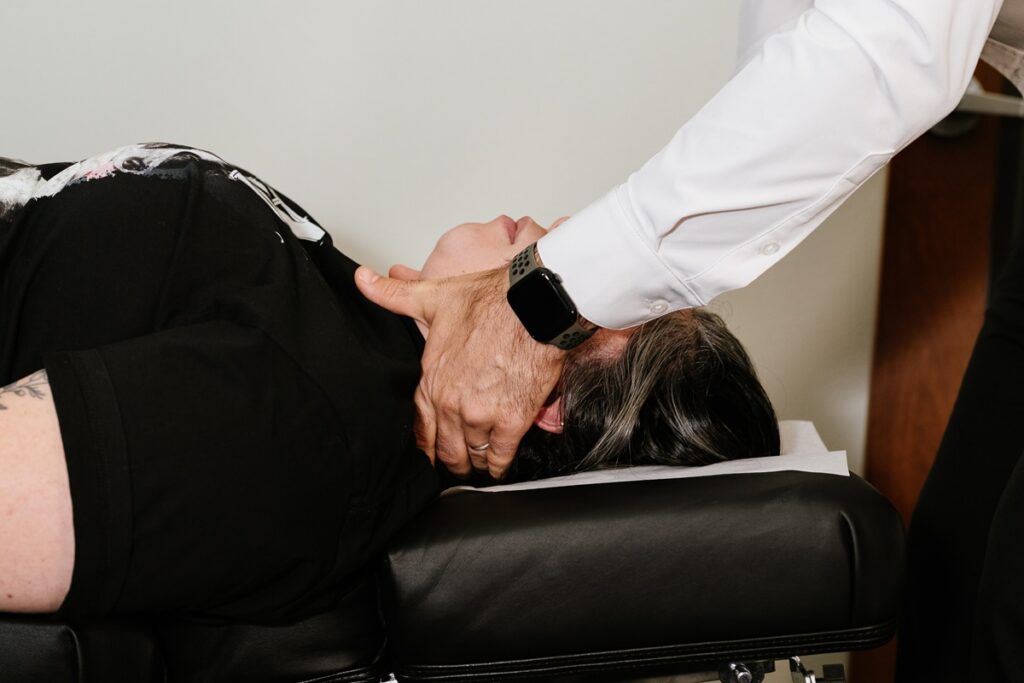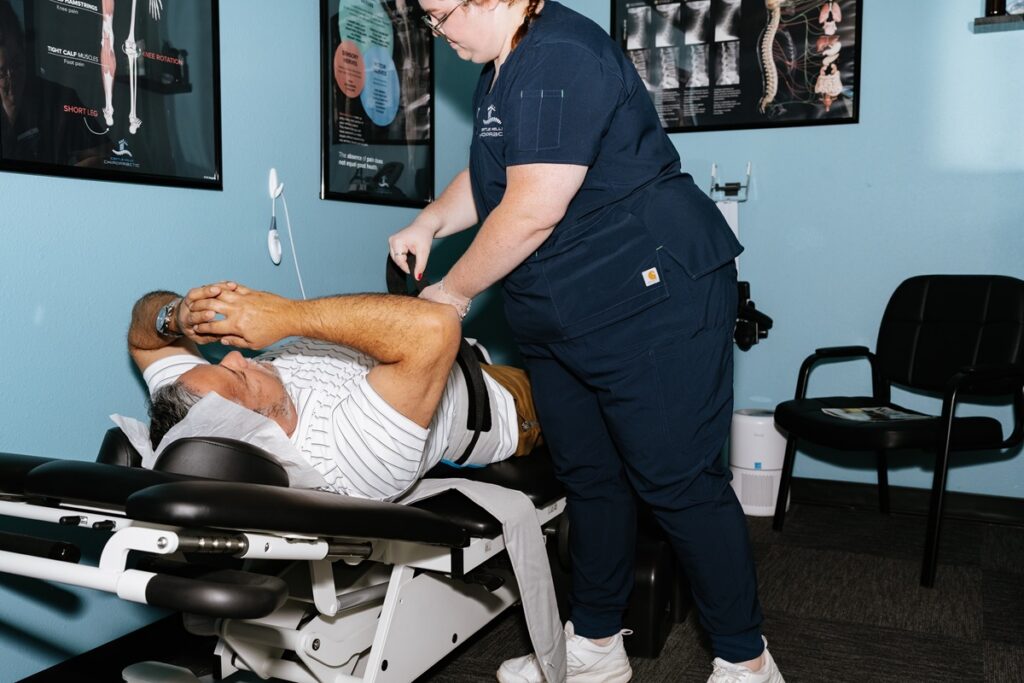

If you’re dealing with low back pain, it can feel overwhelming to navigate the many options for relief. At our chiropractic practice, we believe that gentle techniques can provide a soothing path to recovery without adding strain to your body. Simple methods like mindful stretching and basic yoga poses can promote healing and improve mobility, making them great complements to chiropractic care.
Chiropractic adjustments focus on aligning the spine and reducing nerve interference, which can significantly alleviate low back pain. By restoring proper alignment, we help your body function at its best, allowing you to engage in gentle stretches and movements that aid in recovery.
So, how do you know which techniques will work best for you? Here are some effective strategies to consider:
- Chiropractic Care: Regular adjustments can relieve pressure on your nerves and improve spinal function. This is a key step towards alleviating pain and enhancing overall well-being.
- Mindful Stretching: Incorporate gentle stretches into your daily routine. Focus on areas that feel tight, but be sure to listen to your body. If a stretch causes pain, ease back and consult with your chiropractor.
- Simple Yoga Poses: Poses such as Child’s Pose or Cat-Cow can help increase flexibility and reduce tension in your back. Always consult with your chiropractor for personalized advice on which poses are best for your condition.
- Posture Awareness: Pay attention to your posture throughout the day, especially if you sit for long periods. Proper alignment can prevent additional strain on your back.
- Heat Therapy: Applying heat to your lower back can promote blood flow and relax tight muscles. Just be sure to use a safe method, such as a heating pad or warm towel.
- Stay Active: While it’s important to rest when needed, gentle movement is crucial for recovery. Take short walks or engage in light activities to keep your body moving.
Remember, every body is unique, and what works for one person may not work for another. That’s why working with a chiropractor is essential in finding the best approach for your low back pain relief. Together, we can create a personalized plan that not only addresses your pain but also supports your journey toward optimal health and wellness. If you’re ready to take the next step, reach out to our office today to see how we can help you live a healthier, pain-free life.
Key Takeaways
Gentle Techniques for Low Back Pain Relief
As a chiropractor, I understand that low back pain can be a significant concern for many individuals. Fortunately, there are gentle techniques you can incorporate into your daily routine that not only promote relaxation but also support your overall wellness without the need for medication or invasive procedures.
- Soft Tissue Massage and Light Stretching: These techniques can work wonders in easing discomfort. By gently massaging the affected areas and incorporating light stretches, you can help your muscles relax and reduce tension in your back. Remember, the goal is to ease discomfort without adding strain.
- Deep Breathing Exercises: Practicing deep breathing is a powerful tool for relaxation. When you focus on your breath, you can help trigger a state of calm that reduces tension in your back. This simple technique can significantly enhance your pain management efforts.
- Mindfulness Meditation: Taking a few moments to meditate can focus your awareness on areas of tension in your body. This practice helps you acknowledge discomfort without judgment, allowing you to find relief through relaxation. Just a few minutes a day can make a big difference.
- Gentle Stretches: Incorporating gentle stretches into your routine, such as Child’s Pose and Cat-Cow, can help relieve muscle tension. Hold each position for 15–30 seconds, allowing your body to gently release tightness and improve flexibility.
- Empower Yourself with Consistency: By consistently applying these gentle techniques—relaxation methods and breathing exercises—you empower yourself to manage your low back pain naturally. Chiropractic care can also play a crucial role in your journey to wellness, helping to align your spine and improve overall function.
Remember, the key to achieving optimal health lies in listening to your body and nurturing it with gentle, effective techniques. Chiropractic care is an excellent choice for those seeking natural pain relief and a healthier lifestyle.
Understanding Low Back Pain
Experiencing low back pain can be daunting, especially when you’re uncertain about the cause. However, understanding what might be behind your discomfort is key to finding effective relief. Low back pain can arise from various factors, such as muscle strain, poor posture, or even underlying issues like herniated discs. You may notice that certain activities—like lifting heavy objects or sitting for extended periods—make your pain worse.
It’s crucial to listen to your body as it reacts to different movements and positions. Identifying what triggers your pain can help you steer clear of those activities in the future. Additionally, your daily choices—like your diet, exercise routine, and how you manage stress—significantly impact your back health.
One of the best ways to address low back pain naturally is through chiropractic care. Chiropractors are trained to identify misalignments in your spine that could be contributing to your discomfort. By receiving regular adjustments, you can help restore proper alignment, improve mobility, and promote your body’s natural healing processes.
Here are some simple tips you can incorporate into your daily life to support your back health:
- Maintain Good Posture: Be mindful of how you sit and stand. Keeping your back straight and shoulders relaxed can help prevent strain.
- Stay Active: Regular, low-impact exercises—like walking or swimming—can strengthen your back muscles and improve flexibility.
- Lift Properly: When lifting heavy items, bend at your knees and keep the item close to your body to reduce strain on your back.
- Take Breaks: If you sit for long periods, make sure to take regular breaks to stretch and move around.
- Practice Relaxation Techniques: Stress can contribute to muscle tension and pain. Techniques like deep breathing, yoga, or meditation can help you manage stress levels.
The Benefits of Gentle Techniques
Gentle techniques can be a valuable part of your journey to relieve low back pain, especially if you’re looking for a soothing approach that respects your body. As a chiropractor, I emphasize that these methods, which include soft tissue massage, light stretching, and mindful breathing, can significantly ease discomfort and promote relaxation without putting extra strain on your system.
Incorporating these gentle techniques into your daily routine can greatly enhance your overall well-being. They encourage you to listen to your body and respond to its needs, fostering a deeper connection with how you feel. This approach not only helps in reducing pain but also improves circulation, which is essential for healing and reducing inflammation in the affected areas.
Additionally, practicing these calming methods can lower your stress levels, making it easier to manage pain effectively. When you embrace gentle techniques, you gain a sense of control over your body, empowering you to take charge of your low back pain.
Remember, chiropractic care is designed to restore balance and function to your spine and nervous system, which is crucial for optimal health. By combining chiropractic adjustments with gentle techniques, you can create a comprehensive approach to pain relief and natural wellness.
For practical tips, consider setting aside a few minutes each day for light stretching or deep breathing exercises. These simple practices can make a world of difference in how you feel. Always consult with your chiropractor to tailor a plan that suits your unique needs and supports your journey to a balanced, pain-free life.
Mindful Stretching Exercises
Mindful stretching exercises can significantly alleviate low back pain by enhancing flexibility and alleviating tension in the muscles surrounding the spine. As a local chiropractor, I want to emphasize that these stretches not only benefit your back but also contribute to your overall health and wellness. By incorporating these techniques into your daily routine, you can support your spine and maintain a healthier lifestyle.
Let’s explore some effective stretches that are easy to integrate into your day-to-day activities. Remember, while stretching is beneficial, regular chiropractic care is essential for achieving optimal spinal health. It helps to address the root causes of pain, ensuring your body functions at its best.
Here are a few general tips to keep in mind as you practice these stretches:
- Listen to Your Body: Pay attention to how your body feels during each stretch. If something doesn’t feel right, ease off and consult with your chiropractor.
- Breathe Deeply: Use your breath to enhance your stretches. Inhale deeply as you prepare to stretch and exhale slowly as you move into the stretch. This can help release tension and improve relaxation.
- Stay Consistent: Regularly incorporating stretching into your routine will yield the best results. Aim for a few minutes each day to maintain flexibility and reduce discomfort.
- Combine with Chiropractic Visits: Regular chiropractic adjustments can complement your stretching routine by ensuring proper alignment and function of your spine, enhancing the benefits of your stretching efforts.
Benefits of Stretching
Stretching regularly is an excellent way to help alleviate low back pain and enhance your overall well-being. As a chiropractor, I often emphasize the importance of incorporating mindful stretching into your daily routine. This simple practice can improve your flexibility and strengthen the muscles that support your spine, which is vital for maintaining a healthy back.
When you stretch, you’re not just loosening up; you’re also promoting better blood circulation. This increased blood flow delivers essential nutrients to your muscles, aiding in recovery and helping you feel your best. Stretching also helps to release tension and reduce stiffness, allowing you to feel more relaxed and centered throughout your day.
Moreover, regular stretching can lift your mood by reducing stress and anxiety, leading to a healthier mental state. You’ll likely notice improvements in your posture and balance, which can further prevent discomfort and injury.
As you commit to a stretching routine, remember that this is a proactive approach to managing low back pain and fostering a healthier lifestyle. Here are a few tips to get you started:
- Start Slow: If you’re new to stretching, begin with gentle stretches and gradually increase the intensity as your flexibility improves.
- Consistency is Key: Aim to stretch at least a few times a week. Making it a regular part of your routine can yield the best results.
- Listen to Your Body: Pay attention to how your body feels during stretching. If you experience pain, ease off and consult with your chiropractor for personalized guidance.
- Incorporate Breathing: Pair your stretches with deep, mindful breathing to enhance relaxation and effectiveness.
- Stay Hydrated: Drink plenty of water to keep your muscles hydrated and functioning optimally.
Recommended Stretching Techniques
To ease into a routine that effectively alleviates low back pain, it’s essential to incorporate various stretching techniques tailored to your needs. These stretches can complement chiropractic care, promoting healing and enhancing your overall well-being. Start with gentle stretches like the Child’s Pose or Cat-Cow, focusing on your breath. These movements not only help release tension but also improve flexibility, making it easier for your spine to function optimally.
| Stretching Technique | Emotional Benefit |
|---|---|
| Child’s Pose | Promotes relaxation |
| Cat-Cow | Enhances body awareness |
| Seated Forward Bend | Encourages introspection |
| Knee-to-Chest | Provides comfort and relief |
When practicing these stretches, aim to hold each position for 15-30 seconds. This allows your body to settle into the stretch, gently easing tension in the muscles surrounding your spine. Remember to listen to your body and never push beyond your limits. If you experience persistent pain, consider consulting with your chiropractor, who can provide personalized guidance and adjustments to support your healing journey.
Incorporating these stretches into your routine can help you feel more at ease and experience less discomfort. As you focus on your spinal health and engage in regular chiropractic care, you’ll be taking proactive steps towards a healthier, pain-free life. Remember, a well-aligned spine contributes significantly to your overall wellness.
Incorporating Yoga Into Your Routine
Incorporating yoga into your routine can be a wonderful complement to chiropractic care, especially for alleviating low back pain while boosting your overall flexibility and strength.
Begin with gentle poses such as Child’s Pose and Cat-Cow, which are excellent for stretching and relieving tension in your lower back.
Aim for about 15-30 minutes a few times a week, and as you grow more comfortable, gradually increase the duration of your sessions.
As you practice yoga, focus on your breath. Deep, mindful breathing not only helps you relax but also enhances your body’s natural ability to cope with discomfort.
You might also want to look into restorative yoga, which utilizes props to support your body, promoting deeper relaxation and healing—essential elements that align beautifully with the principles of chiropractic care.
Consider joining a yoga class, whether in-person or online, to benefit from the guidance of an instructor. They can assist you in ensuring proper alignment and technique, which is crucial for both yoga practice and chiropractic treatment.
Remember, consistency is vital.
Over time, with regular yoga practice alongside your chiropractic adjustments, you’ll likely notice significant improvements in your back health and overall well-being.
The Role of Posture in Back Health
Maintaining good posture is crucial for your back health, as it plays a significant role in how your spine aligns and supports your body.
When you sit, stand, or move with proper alignment, you reduce the strain on your back muscles and ligaments, which helps prevent pain and injuries. As your local chiropractor, I encourage you to be mindful of your posture throughout the day. Keep your shoulders back, your chest open, and your head aligned over your spine. Whether you’re at your desk or out for a walk, engaging your core can provide extra support to your spine.
It’s also important to create a workspace that promotes a healthy posture. If your chair or desk isn’t ergonomic, consider making adjustments to enhance your comfort and alignment. Taking regular breaks to stretch is essential, especially if you find yourself sitting for long periods. Simple neck and back stretches can work wonders in relieving tension.
Using Heat and Cold Therapy
When it comes to easing low back pain, many people find that heat and cold therapy can be valuable tools in their recovery journey. While these methods can provide temporary relief, it’s important to remember that chiropractic care addresses the root causes of pain, promoting long-term wellness.
Heat therapy is fantastic for relaxing tight muscles and improving blood flow, which can help ease discomfort. You can enjoy the soothing effects of heat by using a heating pad, hot water bottle, or even soaking in a warm bath. Just be cautious not to use excessive heat to avoid burns. Incorporating regular chiropractic adjustments can further enhance muscle relaxation and spinal alignment, supporting your healing process.
On the flip side, cold therapy is effective for reducing inflammation and numbing sharp pain. Applying an ice pack or a bag of frozen peas wrapped in a cloth can help manage swelling and provide relief. Alternating between heat and cold treatments may work wonders for you, but always remember that chiropractic care offers a holistic approach that targets the underlying issues contributing to your pain.
For best results, limit each heat or cold session to about 15-20 minutes, allowing your skin to recover between applications. Listening to your body is crucial in determining what feels best. Additionally, consider incorporating gentle stretches and exercises recommended by your chiropractor to strengthen your back and maintain flexibility.
The Importance of Core Strengthening
Strengthening your core is crucial for maintaining stability and preventing low back pain, which is a common issue many people face. A strong core supports your spine and enhances your overall posture, helping you move more freely and comfortably. As a chiropractor, I believe that building this strength is a natural way to protect your back and improve your overall wellness.
Incorporating core-strengthening exercises into your routine can make a significant difference. Some effective exercises include planks, bridges, and abdominal twists. These movements not only target your core muscles but also promote better alignment and function of your spine.
Here are a few simple tips to help you get started on your journey to a stronger core:
- Engage Your Core: Throughout your day, practice engaging your core muscles by pulling your belly button in towards your spine. This helps activate those muscles even when you’re not exercising.
- Consistency is Key: Aim to incorporate core exercises into your routine at least a few times a week. Even short sessions can lead to improvements over time.
- Listen to Your Body: If you experience pain while doing any exercises, stop and consult with a chiropractor. It’s important to ensure that your form is correct and that you’re not straining your back.
- Consider Chiropractic Care: Regular chiropractic adjustments can enhance your core strength by ensuring your spine is properly aligned. When your spine is in alignment, your muscles can work more effectively, improving your overall strength and stability.
Core Muscles and Stability
Core muscles play a vital role in supporting your spine and enhancing overall stability, making their strength essential for preventing and alleviating low back pain.
When your core is strong, it helps distribute weight evenly and reduces strain on your lower back. This stability allows you to carry out daily activities more efficiently, whether it’s lifting, bending, or even sitting comfortably.
Weak core muscles can lead to poor posture and increased pressure on your spine, which can heighten your risk of injury. This is where chiropractic care can make a significant difference. A chiropractor can help assess your core strength and align your spine, ensuring that your body functions optimally.
By focusing on core strength and stability, you create a solid foundation for your movements, enhancing balance and coordination. Here are a few simple tips to help you strengthen your core at home:
- Practice Good Posture: Whether you’re sitting at a desk or standing, make sure to keep your back straight and shoulders relaxed. Good posture supports your spine and engages your core.
- Engage Your Core: Try to activate your core muscles throughout the day. When sitting or standing, draw your belly button in towards your spine. This simple action can strengthen your core over time.
- Incorporate Core Exercises: Activities like planks, bridges, and pelvic tilts are great for building core strength. Even short sessions can make a big difference.
- Stay Active: Regular physical activity, such as walking, swimming, or yoga, can also support core strength and overall spinal health.
Focusing on your core stability not only aids in pain relief but also promotes a healthier, more active lifestyle. Chiropractic care can assist you on this journey, ensuring that you stay aligned and free from discomfort.
Exercises for Core Strength
Building a strong core isn’t just about looking good; it’s vital for your overall health and well-being. Core-strengthening exercises play a crucial role in stabilizing your spine, improving your posture, and supporting your daily movements. When your core is strong, you can significantly reduce your risk of back pain and injuries, making it easier to enjoy your everyday activities.
As a chiropractor, I highly encourage incorporating simple yet effective exercises like planks, bridges, and bird-dogs into your routine. These movements engage multiple muscle groups, enhancing your stability and strength. It’s essential to practice these exercises consistently; even just a few minutes each day can lead to remarkable improvements in your core strength and overall health.
Focus on proper form while performing these exercises to maximize their benefits and prevent strain. If you’re unsure about your technique, consider seeking guidance from a qualified chiropractor who can provide personalized tips and adjustments.
In addition to exercising, remember that maintaining a healthy lifestyle is key. Stay hydrated, eat a balanced diet, and prioritize rest to support your body’s natural healing processes. Embracing a holistic approach to wellness, including regular chiropractic care, can help you achieve optimal health and lasting relief from discomfort.
With dedication to your core strength and overall wellness, you’ll not only feel better but also enjoy increased energy and functionality in your daily life. Strengthening your core is a vital step toward achieving natural pain relief and enhancing your well-being.
Lifestyle Adjustments for Pain Relief
Making simple lifestyle adjustments can significantly enhance your comfort and help alleviate low back pain. As a chiropractor, I believe that the foundation of a healthy spine is rooted in daily habits. Start by evaluating your posture throughout the day, especially when sitting or standing. Using ergonomic furniture can provide essential support for your spine. Make sure to keep your feet flat on the ground and avoid slumping, as this can strain your back.
If you find yourself sitting for long periods, remember to take regular breaks. Stand up, stretch, and walk around; this not only helps your back but also promotes overall circulation and well-being.
Incorporating gentle stretches into your daily routine can work wonders for relieving tension. Look into simple stretches that target your back, hips, and legs.
Additionally, pay attention to your sleep habits. A mattress that offers proper support is crucial, and I often recommend sleeping on your side with a pillow between your knees to maintain spinal alignment.
Maintaining a healthy weight is another important factor in reducing stress on your back. Focus on a balanced diet rich in nutrients to support your overall health. Hydration is key too; drinking plenty of water can promote muscle function and recovery. Try to limit excessive caffeine or alcohol, as these can lead to dehydration and may negatively affect your body’s ability to heal.
Remember, these adjustments can greatly improve your low back pain and overall well-being. If you’re looking for a more tailored approach to your health, consider visiting your local chiropractor. Chiropractic care focuses on natural healing and can help you achieve optimal health through spinal adjustments, enhancing your body’s ability to function properly without the need for medications or surgeries.
Take charge of your health today!
Relaxation Techniques for Stress Reduction
To effectively manage low back pain, it’s essential to incorporate relaxation techniques that can help reduce stress. As a local chiropractor, I believe that these methods not only support your overall wellness but also complement the benefits of chiropractic care. One of the simplest yet most effective techniques is deep breathing exercises. Taking a moment to focus on your breath can help calm both your mind and body, easing tension in your back.
Another beneficial practice is mindfulness meditation. This technique encourages you to be present in the moment, helping to alleviate stress that can contribute to pain. By integrating these relaxation methods into your daily routine, you may notice a significant improvement in your overall well-being.
Deep Breathing Exercises
As a local chiropractor, I believe it’s crucial to explore natural methods for relieving low back pain and reducing stress. One often overlooked yet highly effective approach is deep breathing exercises. By concentrating on your breath, you can trigger your body’s natural relaxation response, which in turn helps to ease tension in your back. Here are three simple deep breathing techniques that you can easily incorporate into your daily routine:
- Diaphragmatic Breathing: Sit or lie down comfortably. Inhale deeply through your nose, allowing your belly to expand and rise as you fill your lungs. Exhale slowly through your mouth, feeling your belly fall. This technique helps to activate your diaphragm, which can promote a sense of calm and reduce stress.
- Box Breathing: This technique is great for centering your mind. Inhale deeply for a count of four, hold that breath for another count of four, exhale slowly for four counts, and then pause for four counts before inhaling again. Repeat this cycle several times. Box breathing can help clear your mind and reduce anxiety, ultimately benefiting your spinal health.
- 4-7-8 Breathing: Inhale through your nose for a count of four, hold your breath for a count of seven, and then exhale slowly through your mouth for eight counts. This method not only calms your nervous system but also promotes better oxygen flow, which is essential for healing and overall wellness.
Incorporating these deep breathing exercises into your daily routine can significantly promote relaxation and help alleviate discomfort in your back. Remember, while these techniques are beneficial, regular chiropractic care is the best way to address the root causes of pain and maintain optimal health. By prioritizing your spinal health through chiropractic adjustments, you can enhance your body’s natural ability to heal and function at its best.
Mindfulness Meditation Practices
Building on the benefits of deep breathing exercises, mindfulness meditation practices can be a valuable addition to your wellness routine, especially when it comes to managing stress and supporting your overall health.
By concentrating on the present moment, you can foster a sense of calm that can help alleviate low back pain, a common issue many of my chiropractic patients face.
To get started, find a quiet and comfortable space where you can sit without distractions.
Close your eyes and take several deep breaths, allowing your body to relax.
Then, gently shift your focus to areas of tension or discomfort in your body.
It’s important to acknowledge these sensations without judgment—simply notice them and allow them to fade away.
Incorporating mindfulness meditation into your daily routine can enhance your emotional resilience and reduce stress, which in turn can provide relief not only for your back but for your entire body.
Remember, regular chiropractic care is essential for maintaining spinal health and overall well-being, and combining it with mindfulness practices can amplify your results.
As you explore mindfulness, here are a few tips to help you get the most out of your practice:
- Start with just a few minutes a day and gradually increase the duration as you become more comfortable.
- Use guided meditation apps or recordings if you’re unsure where to start.
- Pair your meditation with gentle stretches to further relieve tension in your muscles.
Give mindfulness meditation a try alongside your chiropractic care; you may be pleasantly surprised by how much better you feel!
When to Seek Professional Help
While many cases of low back pain can often be managed from the comfort of your home, it’s crucial to recognize when it’s time to seek professional care.
As a local chiropractor, I want to ensure you’re equipped with the knowledge to take charge of your health. If you notice any of the following symptoms, don’t hesitate to reach out for chiropractic care:
- Persistent Pain: If your back pain lingers for more than a few weeks or starts to intensify, it’s a clear sign that your body needs attention. A chiropractor can help assess and treat the underlying issues, providing you with relief and guiding you back to wellness.
- Numbness or Tingling: Experiencing numbness, tingling, or weakness in your legs could indicate that your nerves are being affected. This is a signal to consult a chiropractor who can identify the root cause and work on restoring proper function to your spine and nervous system.
- Loss of Bladder or Bowel Control: This is a serious symptom that should never be ignored. It may indicate a more significant issue that requires immediate professional evaluation. Seeking chiropractic care can provide a holistic approach to address these urgent concerns.
Remember, these warning signs shouldn’t be overlooked. Taking proactive steps by consulting with a chiropractor can help you avoid further complications and empower you to regain control over your health naturally.
In addition to seeking care, here are some general tips to support your spinal health and overall well-being:
- Maintain Good Posture: Pay attention to your posture during daily activities, especially when sitting for long periods. Good posture helps reduce strain on your back.
- Stay Active: Engage in regular physical activity. Gentle exercises like walking, swimming, or yoga can strengthen your back and improve flexibility.
- Practice Stress Management: Stress can contribute to muscle tension and pain. Consider incorporating relaxation techniques such as deep breathing, meditation, or gentle stretching into your routine.
- Listen to Your Body: If something feels off, don’t hesitate to reach out to a chiropractor. Early intervention can make a significant difference in your recovery.
By embracing these practices and seeking chiropractic care when needed, you can pave the way for a healthier, pain-free life.
Conclusion
Incorporating gentle techniques for low back pain relief into your daily routine can greatly enhance your comfort and mobility. At our chiropractic practice, we emphasize the importance of mindful stretches, which can promote flexibility and reduce tension in your back. Improving your posture is another key aspect; good alignment helps alleviate unnecessary strain on your spine, making everyday activities easier and more enjoyable.
Strengthening your core is crucial as well. A strong core supports your spine, providing stability and relieving pressure on your lower back. Simple exercises, like pelvic tilts or bridges, can be very effective.
Don’t overlook the power of relaxation techniques for managing stress, as stress can often contribute to muscle tension and pain. Practices like deep breathing, meditation, or gentle yoga can be beneficial.
If your pain persists, remember that chiropractic care is a natural and effective option for pain relief and overall wellness. A chiropractor can help identify the root cause of your discomfort, provide tailored adjustments, and guide you on your journey to optimal health.
Taking small, consistent steps toward better back health can lead to lasting relief and improved well-being. Embrace these gentle techniques and consider chiropractic care as a vital part of your path to a healthier, pain-free life.