
If you're dealing with chronic back pain, you might feel overwhelmed by the options available to you. Non-invasive solutions can provide effective relief without the risks that come with surgery or invasive treatments. From physical therapy to alternative therapies and the latest technological advancements, each approach offers a unique way to address your discomfort. But how do you determine which method is right for you? Understanding the nuances of these treatments could be the key to reclaiming your mobility and improving your quality of life.
Understanding Chronic Back Pain
When it comes to understanding chronic back pain, it's important to grasp how it can sneak up on you and disrupt your daily life. You mightn't even notice the initial signs until you find yourself struggling to bend down or lift something as simple as a grocery bag.
Chronic back pain isn't just a fleeting issue; it's often a persistent condition that can stem from various causes, including injury, poor posture, or even stress.
You should pay attention to the symptoms, which can manifest as a dull ache, sharp pain, or stiffness. These sensations can vary in intensity, often worsening after certain activities or prolonged periods of sitting.
It's important to acknowledge that chronic back pain can also lead to additional complications, such as reduced mobility, anxiety, or depression.
Don't underestimate the emotional toll this condition can take. You might find yourself avoiding activities you once enjoyed or feeling frustrated with your limitations.
Understanding your pain is key to managing it effectively. It's essential to recognize the triggers and patterns associated with your discomfort.
Benefits of Non-Invasive Treatments
When you explore non-invasive treatments for chronic back pain, you open up a range of benefits that can transform your daily life.
These options not only enhance your mobility and flexibility but also reduce the risk of complications often associated with more invasive procedures.
Plus, they tend to be more cost-effective, letting you focus on your recovery without breaking the bank.
Enhanced Mobility and Flexibility
Improving mobility and flexibility is one of the key benefits of non-invasive treatments for chronic back pain. When you engage in these approaches, like physical therapy, yoga, or gentle stretching exercises, you'll often find that your range of motion increases considerably. This improvement allows you to perform daily activities more comfortably and with less strain on your back.
Non-invasive treatments focus on strengthening the muscles that support your spine and enhancing your overall posture. As you become more aware of your body mechanics, you'll likely notice a reduction in stiffness and tension. This newfound freedom of movement can make a huge difference in your day-to-day life, enabling you to enjoy activities you might've avoided due to pain.
Additionally, enhancing your flexibility can help prevent future injuries. By regularly integrating stretching and mobility exercises into your routine, you're not just alleviating current pain; you're also building resilience against potential flare-ups.
Ultimately, improving your mobility and flexibility through non-invasive treatments can lead to a more active, fulfilling lifestyle, allowing you to reclaim the joy of movement without the burden of pain.
Reduced Risk of Complications
Non-invasive treatments for chronic back pain greatly reduce the risk of complications associated with more invasive procedures.
When you opt for non-invasive solutions, you're choosing a safer path that can lead to effective pain relief without the added risks.
Here are some key benefits:
- Lower Infection Rates: With no surgical openings, the chances of infections decrease greatly.
- Faster Recovery: You won't have to deal with long recovery times, allowing you to return to your daily activities sooner.
- Minimal Side Effects: Non-invasive treatments often come with fewer side effects compared to medications or surgeries, making them a safer choice.
- No Anesthesia Risks: You won't face the complications that can arise from anesthesia, such as allergic reactions or respiratory issues.
Cost-Effective Treatment Options
If you're dealing with chronic back pain, cost-effective treatment options can be a game changer. Many non-invasive therapies don't just save you money; they also provide effective relief without the need for drugs or surgery.
Consider physical therapy, which usually offers tailored exercises and stretches that strengthen your back without breaking the bank. You might also explore chiropractic care, which focuses on spinal alignment and can alleviate pain with regular sessions.
Another budget-friendly option is acupuncture, a practice that has gained popularity for its pain-relieving benefits.
Don't forget about lifestyle changes, like incorporating yoga or mindfulness practices. These can improve your overall well-being and reduce pain over time, often at little to no cost.
Over-the-counter pain relievers can supplement these treatments without hefty prescription costs. Finally, online resources and community classes can provide valuable guidance and support.
Physical Therapy Techniques
When it comes to managing chronic back pain, physical therapy techniques can be incredibly effective.
You'll find that manual therapy, stretching, and strengthening exercises, along with various modalities for pain relief, play essential roles in your recovery.
Let's explore how each of these techniques can help you regain mobility and reduce discomfort.
Manual Therapy Benefits
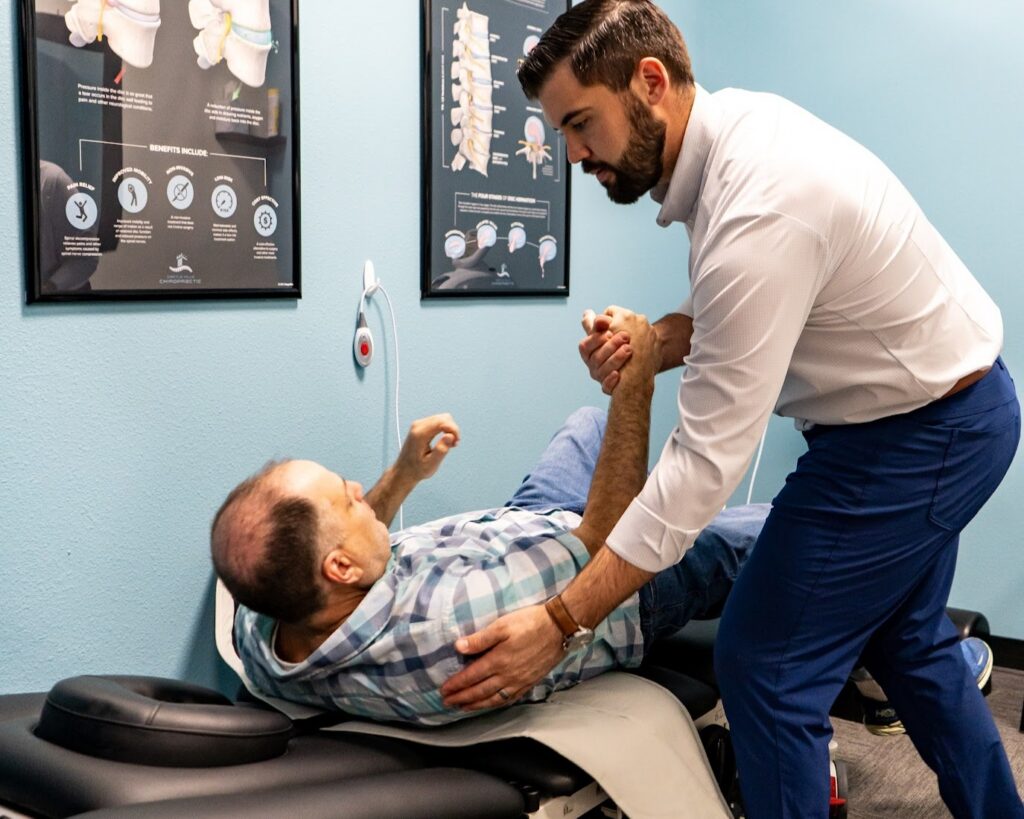
Manual therapy techniques, like hands-on manipulation and mobilization, can considerably alleviate chronic back pain. These approaches focus on relieving tension, improving mobility, and enhancing overall function.
When you engage in manual therapy, you may experience several key benefits:
- Pain Relief: Manual therapy can help reduce pain by directly addressing tight muscles and misaligned joints, providing instant relief.
- Increased Range of Motion: By mobilizing restricted areas, these techniques can enhance your flexibility and enable you to move more freely.
- Improved Posture: Targeted manipulation can correct postural imbalances, which often contribute to chronic pain, helping you maintain a healthier alignment.
- Stress Reduction: The hands-on nature of manual therapy can promote relaxation, decreasing stress levels that may exacerbate pain.
Incorporating manual therapy into your treatment plan can be a game-changer for managing chronic back pain.
Not only does it address the physical aspects, but it can also improve your overall quality of life. If you haven't considered it yet, it might be worth discussing with your healthcare provider to see how it fits into your recovery journey.
Stretching and Strengthening Exercises
While manual therapy offers immediate relief, incorporating stretching and strengthening exercises into your routine is essential for long-term management of chronic back pain. These exercises target the muscles supporting your spine, improving flexibility and stability.
When you stretch regularly, you enhance your range of motion and reduce muscle tension, which can alleviate pain. Start with gentle stretches, such as the cat-cow pose or child's pose, to loosen up your back muscles. Hold each stretch for 15 to 30 seconds, focusing on your breathing.
As you progress, you can incorporate more dynamic stretches, like torso twists, that engage your core and back simultaneously. Strengthening exercises are equally important. Focus on your core muscles, as a strong core helps support your spine and reduces strain.
Planks, bridges, and bird-dogs are excellent exercises to build this strength. Aim for a balanced routine that includes both stretching and strengthening, ideally practicing them several times a week.
Remember to listen to your body; if something feels painful, ease off or consult a physical therapist. With consistency, these exercises can play a crucial role in managing your chronic back pain effectively.
Modalities for Pain Relief
Incorporating physical therapy techniques can further enhance your pain management strategy. These modalities focus on reducing pain, improving function, and promoting overall well-being.
Here are four effective techniques you might consider:
- Therapeutic Ultrasound: This technique uses sound waves to promote tissue healing and reduce inflammation. It can penetrate deep into your tissues, providing relief where it's needed most.
- Electrical Stimulation: Transcutaneous electrical nerve stimulation (TENS) can help block pain signals and stimulate the release of endorphins, your body's natural painkillers. It's non-invasive and can be used at home.
- Heat and Cold Therapy: Alternating between heat and cold can alleviate muscle tension and reduce swelling. Heat improves blood flow, while cold numbs sharp pain and decreases inflammation.
- Manual Therapy: This hands-on approach involves manipulating muscles and joints to improve mobility and relieve discomfort. A skilled therapist can tailor the techniques to your specific needs.
Alternative Therapies Overview
When it comes to managing chronic back pain, alternative therapies offer a range of non-invasive options that can complement traditional treatments. These therapies focus on holistic approaches, addressing not just the physical aspects of pain but also emotional and mental well-being.
By exploring these alternatives, you may find methods that resonate with your lifestyle and personal preferences.
One popular option is acupuncture, where thin needles are inserted at specific points to stimulate energy flow and promote healing. Many people report significant pain relief after a few sessions.
Another effective therapy is chiropractic care, which involves spinal manipulation to improve alignment and function. This can lead to decreased pain and enhanced mobility.
Massage therapy is also worth considering. It helps reduce muscle tension and improve circulation, which can alleviate pain. Techniques vary, so it's important to find a therapist who understands your specific needs.
Yoga and Pilates are excellent for strengthening core muscles and improving flexibility, which can contribute to better posture and reduce the risk of future injuries.
Herbal remedies and supplements, such as turmeric and omega-3 fatty acids, might also assist in managing inflammation and pain. Always consult with a healthcare provider before starting any new treatment to verify it's safe for you.
Incorporating these alternative therapies into your routine can empower you to take control of your chronic back pain, promoting a healthier and more balanced life.
Innovative Technological Solutions
Innovative technological solutions are transforming the way we manage chronic back pain, offering new hope and relief for those suffering.
With advancements in technology, you now have access to a variety of non-invasive options that can help alleviate your discomfort and improve your quality of life. Here are some of the most exciting innovations:
- Wearable Devices: Smart wearables can track your posture and movements, providing real-time feedback to help you avoid strains and improve your alignment.
- TENS Units: Transcutaneous electrical nerve stimulation (TENS) units deliver small electrical impulses to target areas, effectively reducing pain signals sent to your brain without medication.
- Mobile Apps: Various apps offer guided exercises, meditation, and pain management strategies tailored to your specific needs, helping you take control of your pain management.
- Virtual Reality Therapy: VR therapy immerses you in a virtual environment designed to distract your mind from pain and promote relaxation, making it an innovative approach for chronic pain relief.
Lifestyle Modifications for Relief
Managing chronic back pain goes beyond just technology; your daily habits play a significant role in your overall comfort and well-being.
To start, consider your posture. When you sit or stand, keeping your spine aligned can help reduce strain. Make certain your work environment supports good posture, whether that's using an ergonomic chair or adjusting your computer screen height.
Next, incorporate regular physical activity into your routine. Gentle exercises like walking, swimming, or yoga can strengthen your core and improve flexibility, both of which are fundamental for back health. Aim for at least 30 minutes of moderate exercise most days, but always listen to your body and consult with a healthcare provider before beginning a new exercise program.
Nutrition also plays an important role. A balanced diet rich in anti-inflammatory foods, such as fruits, vegetables, whole grains, and healthy fats, can help reduce pain and promote healing. Staying hydrated is essential, too, as proper hydration supports joint health.
Moreover, consider stress management techniques like meditation, deep breathing, or mindfulness. Stress can exacerbate pain, so finding ways to relax can provide significant relief.
Lastly, make sure you're getting enough restorative sleep. A good mattress and sleep position can make a world of difference.
Conclusion
Incorporating non-invasive solutions for chronic back pain can markedly enhance your quality of life. By exploring physical therapy, alternative therapies, and innovative technologies, you can find the relief you need. Embracing lifestyle modifications further empowers you to take control of your pain management. Remember, you're not alone in this journey—many options are available to help you regain mobility and live comfortably. Take the first step today towards a pain-free tomorrow!