
When you face a sports injury, it's vital to know the range of treatment options available to you. Starting with basic methods like the R.I.C.E. approach can provide immediate relief, but as you progress, you might need to evaluate physical therapy or even advanced treatments like PRP therapy. Each option serves a purpose and can greatly impact your recovery. However, understanding how to effectively combine these strategies for ideal healing and prevention is important. So, what are the best approaches to guarantee you're not just recovering but thriving in your sport?
Common Types of Sports Injuries
Injuries can be a frustrating reality for athletes, often sidelining them just when they're in peak form. You might find yourself facing various types of injuries, each with its own set of challenges.
One common injury is a sprain, which occurs when ligaments stretch or tear. This usually happens in the ankles or knees, especially during activities that require sudden changes in direction.
Another frequent issue is a strain, where muscles or tendons are overstretched or torn. You may experience this in your hamstrings, quadriceps, or lower back, particularly if you push yourself beyond your limits.
Fractures, or broken bones, can also happen, often due to high-impact collisions or falls. These injuries can be serious and usually require medical intervention to heal properly.
Tendinitis is another common ailment, often affecting your elbows, shoulders, or knees. It results from repetitive motions that cause inflammation in the tendons, making it painful to move.
You might also encounter a concussion, which involves a temporary loss of brain function after a blow to the head. Symptoms can include confusion, headaches, and dizziness, so it's vital to take these seriously.
Lastly, you may deal with muscle tears, which occur when a muscle is overstretched during intense activity. These can range from minor to severe and may take time to heal.
Understanding these common injuries can help you recognize symptoms and seek appropriate treatment quickly, allowing you to return to your sport with confidence.
Initial Treatment Strategies
When you experience a sports injury, quick and effective initial treatment is essential for recovery.
You'll want to focus on the R.I.C.E. method, which stands for rest, ice, compression, and elevation, as well as explore pain management techniques to ease discomfort.
R.I.C.E. Method
One of the most effective initial treatment strategies for sports injuries is the R.I.C.E. method, which stands for Rest, Ice, Compression, and Elevation.
When you sustain an injury, the first step is to rest the affected area. Avoid putting weight on it, as this can worsen the damage.
Next, apply ice to the injury for about 15-20 minutes every hour. This helps reduce swelling and numbs the pain. Be sure to wrap the ice in a cloth to protect your skin from frostbite.
Compression is your third step. Use an elastic bandage or wrap to apply gentle pressure around the injured area. This can help control swelling and provide support. Just be careful not to wrap it too tightly, as this could restrict blood flow.
Finally, elevate the injured limb above heart level. This position encourages fluid drainage away from the injury site, further minimizing swelling.
Pain Management Techniques
Managing pain after a sports injury is essential for a smooth recovery. You want to address discomfort quickly to help regain mobility and prevent further complications. Start with over-the-counter pain relievers like ibuprofen or acetaminophen. These medications can effectively reduce inflammation and alleviate pain. Always follow the recommended dosages to avoid any adverse effects.
Another technique to evaluate is applying heat or cold to the injured area. Ice packs can help numb the pain and reduce swelling in the initial days following the injury. After a few days, switching to heat can promote blood flow and encourage healing. Just be sure not to apply either for too long; 15 to 20 minutes is usually sufficient.
Additionally, practicing relaxation techniques such as deep breathing or meditation can help manage pain perception. Engaging in gentle stretching and mobility exercises as advised by a healthcare professional can also aid in pain relief and improve range of motion.
Finally, don't hesitate to consult a healthcare provider if the pain persists or worsens. They can recommend personalized treatment options tailored to your specific situation, ensuring you get back to your sport as soon as possible.
Compression and Elevation
After addressing pain with techniques like medication and heat or cold therapy, it's important to implement compression and elevation to further support your recovery.
Compression helps control swelling and provides support to the injured area. Using an elastic bandage or compression wrap, apply it snugly but not too tight—too much pressure can cut off circulation. Check for signs of excessive swelling or numbness, and adjust accordingly.
Elevation complements compression by minimizing blood flow to the injured area, which reduces swelling. Whenever possible, prop the injured limb up above heart level using pillows or cushions. This position encourages fluid drainage away from the injury site.
Combining both compression and elevation is essential in the first 48 hours following an injury. You'll want to continue these strategies for a few days, especially if swelling persists.
Remember, these methods aren't a substitute for professional medical care, so keep an eye on your symptoms. If they worsen or don't improve, consult a healthcare professional.
Physical Therapy Approaches
When it comes to recovering from sports injuries, physical therapy plays an essential role in your rehabilitation.
You'll find that specific strengthening exercises can enhance your recovery, while manual therapy offers additional benefits.
Let's explore these key approaches to maximize your healing process.
Rehabilitation Techniques Overview
How can you effectively enhance your recovery from sports injuries? One key approach is incorporating various rehabilitation techniques that focus on restoring function and mobility.
Physical therapy plays an essential role, using methods like manual therapy, modalities like heat or ice, and exercises tailored to your specific needs.
You might start with passive range-of-motion exercises to reduce stiffness and improve flexibility. Then, your therapist could introduce active range-of-motion activities, helping you regain control over your movements.
Additionally, modalities such as ultrasound or electrical stimulation can be beneficial for reducing pain and promoting healing.
Don't underestimate the importance of education during rehab. Your therapist will guide you on proper body mechanics and techniques to prevent re-injury. This knowledge equips you to make informed choices in your training and daily activities.
Lastly, consistency is critical. Sticking to your rehabilitation schedule and being patient with your progress will foster better results.
Strengthening Exercises Importance
Strengthening exercises are essential for your recovery and overall performance after a sports injury. They help rebuild muscle strength, enhance stability, and prevent future injuries, allowing you to return to your favorite activities with confidence.
Here are three key reasons why you should prioritize these exercises:
- Muscle Recovery: Strengthening exercises target the muscles around the injured area, promoting healing and restoring function. This process is vital for regaining your pre-injury strength.
- Injury Prevention: By focusing on strengthening specific muscle groups, you can improve your overall balance and coordination. This reduces the risk of re-injury and helps you perform better in your sport.
- Enhanced Performance: As you regain strength, you'll notice improvements in your speed, endurance, and agility. This can give you a significant edge in competition or recreational play.
Incorporate these exercises into your rehabilitation program, and work closely with your physical therapist to tailor a routine that meets your needs.
Manual Therapy Benefits
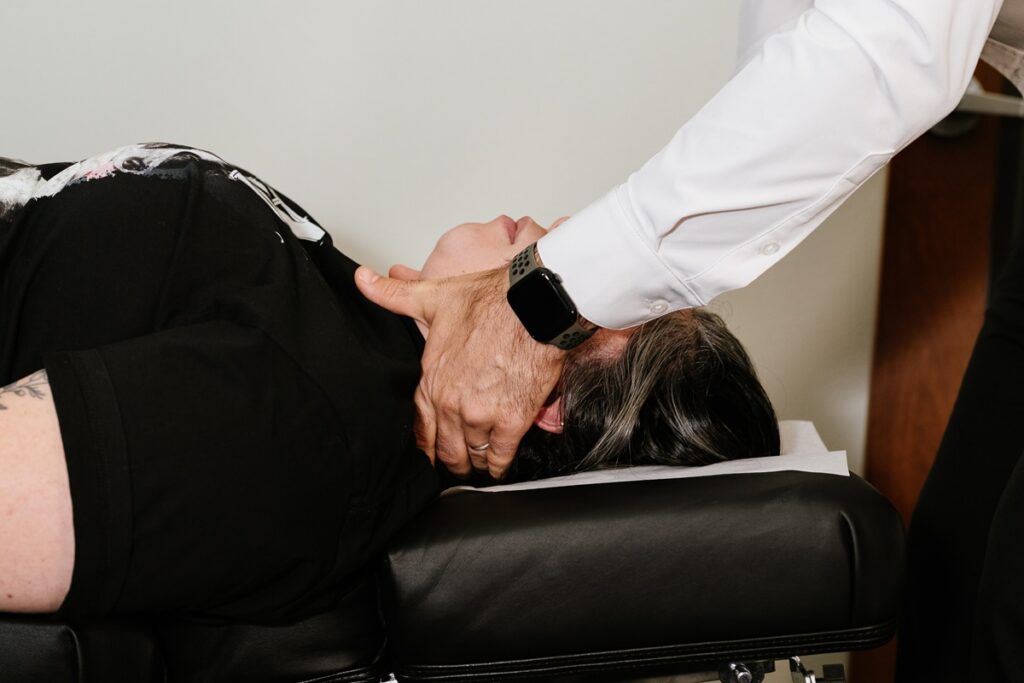
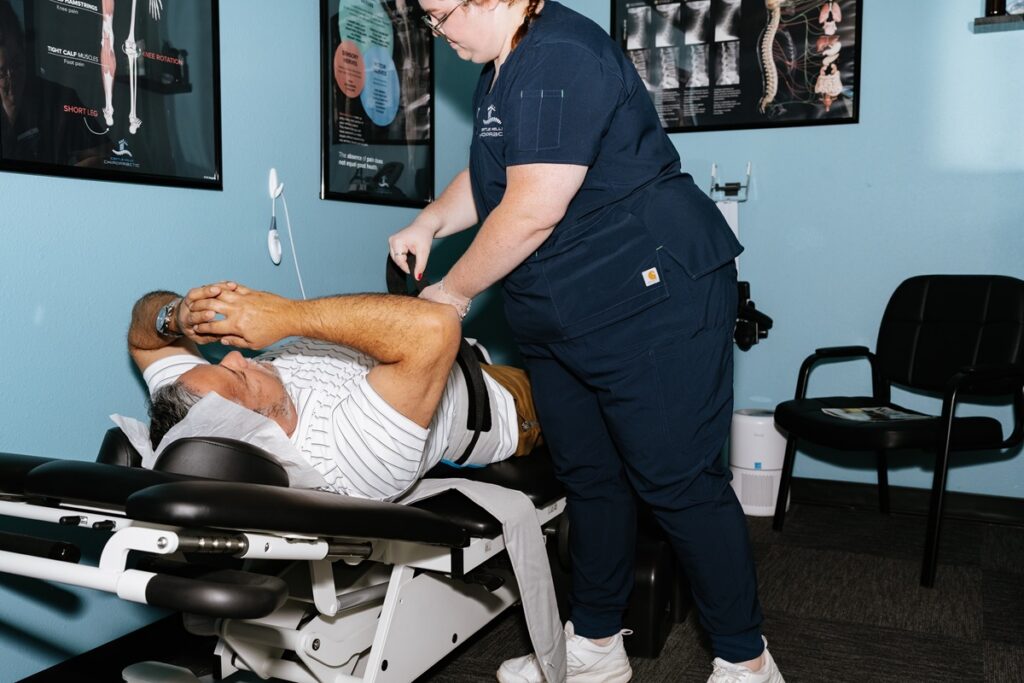
Manual therapy offers several benefits that can greatly aid in your recovery from sports injuries. This hands-on approach, typically used by physical therapists, focuses on manipulating soft tissues and joints to enhance your physical function.
By improving blood flow and reducing muscle tension, manual therapy can notably alleviate pain and swelling, making it easier for you to engage in rehabilitation exercises.
When you undergo manual therapy, you're not just treating the symptoms; you're addressing the underlying issues. Techniques like joint mobilization and myofascial release can restore mobility and flexibility, enabling you to return to your sport faster.
Additionally, manual therapy can help decrease the risk of re-injury by ensuring that your body is functioning at its best.
You might also appreciate the personalized nature of manual therapy. Your therapist will tailor each session to your specific needs, ensuring that you receive the most effective treatment.
Plus, the one-on-one attention can be motivational, keeping you accountable in your recovery journey.
Ultimately, incorporating manual therapy into your treatment plan can enhance your healing process and support a full return to your favorite activities.
Medications for Pain Relief
When dealing with sports injuries, finding effective pain relief is vital for a speedy recovery. Medications can play a significant role in managing your discomfort and allowing you to get back to your favorite activities.
Here are three common types of medications you might consider:
- NSAIDs (Non-Steroidal Anti-Inflammatory Drugs): These over-the-counter medications, like ibuprofen and naproxen, can reduce inflammation and alleviate pain. They're often the first line of defense for managing sports-related injuries.
- Acetaminophen: If you're looking for pain relief without the anti-inflammatory effects, acetaminophen is a suitable option. It's often easier on the stomach than NSAIDs and can be effective for mild to moderate pain.
- Topical Analgesics: Creams and gels containing ingredients like menthol or capsaicin can provide localized pain relief. Applying these directly to the injury site can help you avoid systemic side effects and offer quick relief.
Before starting any medication, it's a good idea to consult with a healthcare professional to verify it's appropriate for your specific situation. They can guide you on the proper dosages and any potential interactions with other medications you may be taking.
Advanced Treatment Techniques
Advanced treatment techniques for sports injuries have revolutionized how athletes recover and regain their performance levels. These innovative approaches not only speed up healing but also enhance overall outcomes, allowing you to return to your sport stronger than before.
One cutting-edge option is platelet-rich plasma (PRP) therapy, where your blood is drawn, processed, and injected back into the injured area. This technique harnesses the healing properties of your own platelets to promote tissue repair. You'll likely notice a decrease in recovery time and an improvement in function.
Another advanced technique is stem cell therapy. By utilizing your body's stem cells, this approach targets inflammation and encourages the regeneration of damaged tissues. If you're dealing with chronic injuries, this could be a game-changer, offering you a chance to heal without invasive surgery.
Cryotherapy is also gaining traction among athletes. This method involves exposing your body to extreme cold for short periods. It helps reduce inflammation, alleviates pain, and boosts recovery. Many athletes swear by it for post-training recovery.
Lastly, consider advancements in technology like laser therapy. This non-invasive treatment uses focused light to stimulate healing at the cellular level. It's effective for a range of injuries and can greatly shorten your downtime.
Rehabilitation and Prevention Tips
Rehabilitation and prevention go hand in hand in ensuring that you not only recover from sports injuries but also reduce the risk of future setbacks. A structured approach to both can empower you to return to your favorite activities stronger and more resilient.
Here are three key tips to reflect on:
1. Follow a Tailored Rehabilitation Program: Work with a physical therapist to develop a rehabilitation plan specific to your injury. They'll guide you through exercises that target strength, flexibility, and coordination, ensuring you regain full function before resuming sports.
2. Incorporate Proper Warm-Up and Cool-Down Routines: Before every practice or game, make it a habit to warm up properly. This includes dynamic stretches and light cardiovascular activities to increase blood flow to your muscles.
After your activity, cool down with static stretches to enhance flexibility and prevent stiffness.
3. Listen to Your Body: Pay attention to any signs of pain or discomfort. If something doesn't feel right, don't push through it. Give your body the time it needs to heal.
Ignoring these signals can lead to re-injury and prolonged recovery time.
Conclusion
Injuries can sideline you, but with the right treatment options, you can get back in the game. By starting with immediate care through the R.I.C.E. method and exploring therapies like physical therapy and advanced techniques, you'll set yourself up for a successful recovery. Don't forget to focus on rehabilitation and injury prevention to strengthen your body and improve your performance. Remember, taking proactive steps today can lead to a stronger, healthier tomorrow in your athletic journey.