
Maintaining good posture is crucial for preventing and alleviating low back pain, and as a chiropractor, I can tell you that small adjustments in your daily routine can lead to significant improvements in your overall health. Many people may not realize the powerful connection between posture and pain. By understanding this relationship and incorporating specific exercises, you can take charge of your back health naturally.
To start, focus on your daily habits. Whether you’re sitting at a desk, standing in line, or lifting objects, being mindful of your posture can make a world of difference. Here are a few simple tips to help you maintain a healthier back:
- Sit Smart: When sitting, keep your feet flat on the floor, your knees at a right angle, and your back supported. If you’re at a desk, invest in an ergonomic chair that promotes good posture.
- Stand Tall: When standing, distribute your weight evenly on both feet and keep your shoulders back. Imagine a string pulling you upwards from the top of your head to help keep you aligned.
- Lift Wisely: Use your legs, not your back, when lifting heavy objects. Bend at the knees and keep the object close to your body to reduce strain on your spine.
- Incorporate Movement: Take regular breaks to stretch and move around, especially if you sit for long periods. Simple stretches can relieve tension and improve flexibility.
- Strengthen Your Core: A strong core supports your spine. Incorporate exercises like planks and bridges into your routine to build strength and stability.
- Stay Hydrated: Proper hydration is essential for maintaining the health of your spinal discs. Drink plenty of water throughout the day.
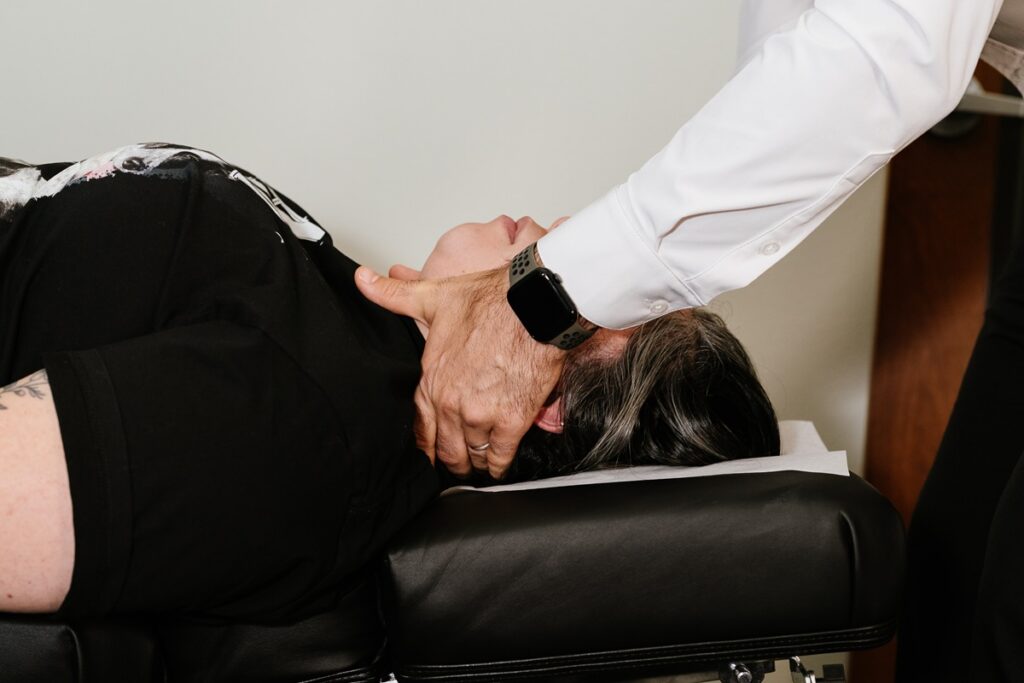
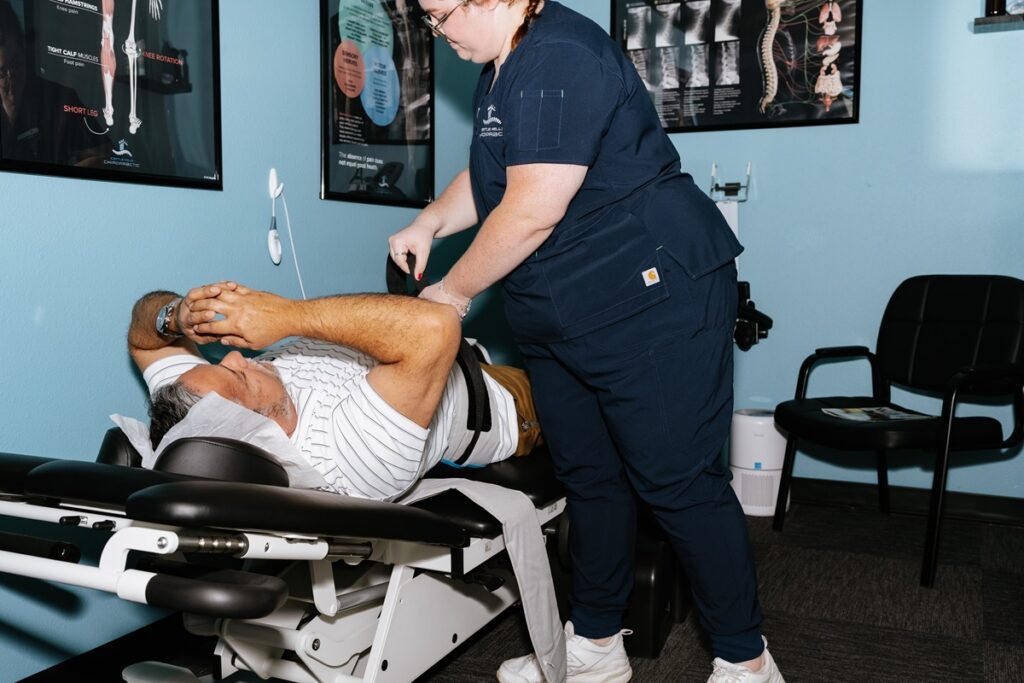
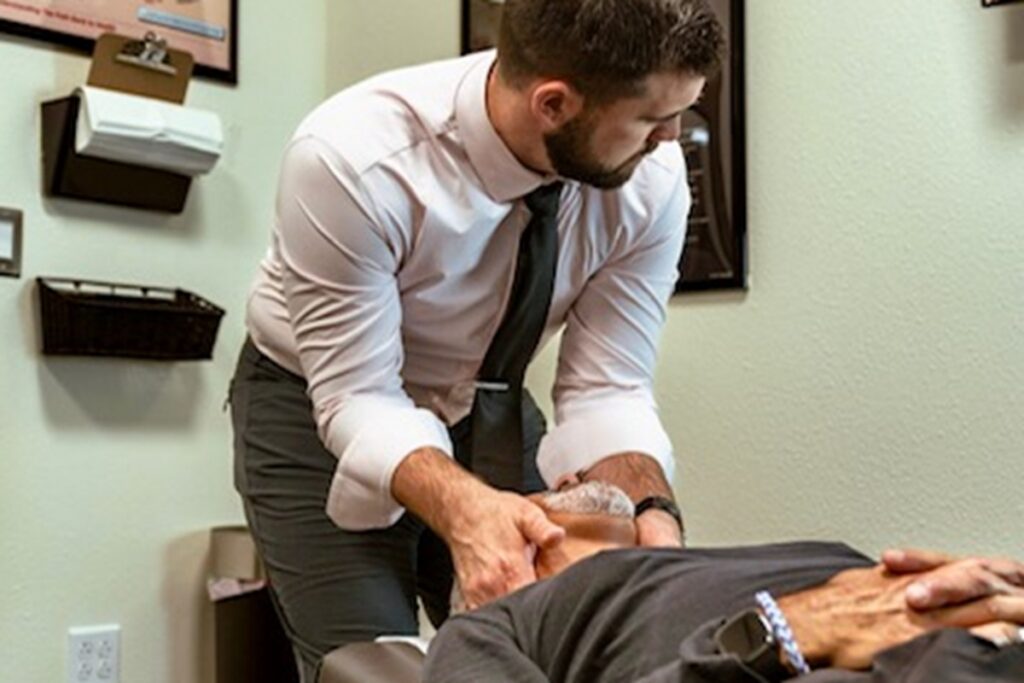
Remember, chiropractic care is a natural and effective way to support your spinal health. Regular adjustments can help align your spine, relieve pain, and promote overall wellness. If you’re experiencing low back pain, consider visiting a chiropractor who can provide personalized care tailored to your needs.
By making these simple adjustments and prioritizing chiropractic care, you’re on the path to a healthier back and a more comfortable life. Embrace these changes today for a brighter tomorrow!
Key Takeaways
- To maintain proper seated posture, keep your feet flat on the floor and ensure that your knees are at or below hip level. This alignment helps support your spine and can prevent discomfort.
- Engaging your core muscles is essential for supporting your spinal alignment. A strong core can reduce strain on your lower back and promote better posture throughout the day.
- Remember to take regular breaks! Standing up, stretching, and moving around helps alleviate spinal pressure, improves circulation, and keeps your body feeling good. Even a few minutes of movement every hour can make a big difference.
- Incorporate core-strengthening exercises like planks and bridges into your routine. These exercises not only enhance stability but also promote a strong foundation for your spine, which is crucial for overall health.
- Consider using ergonomic furniture and tools in your workspace. This creates a comfortable environment that encourages healthy posture and supports your spine, making it easier for you to maintain good habits throughout the day.
Chiropractic care can play a vital role in helping you achieve and maintain optimal health. By focusing on your spine and overall well-being, chiropractic adjustments can provide natural pain relief and promote a healthier lifestyle. If you’re experiencing discomfort, I encourage you to explore how chiropractic care can help you live your best life.
Understanding the Connection Between Posture and Low Back Pain
When you slouch or sit for long periods without proper support, it’s easy to overlook how it affects your spine. Poor posture can lead to strain on your muscles and ligaments, resulting in discomfort and pain in your lower back. This misalignment disrupts the natural curvature of your spine, creating imbalances that can hinder your body’s ability to function smoothly.
By maintaining a slouched position, the weight of your upper body compresses the discs in your lower back, increasing pressure and raising the risk of injury. As a chiropractor, I can tell you that addressing these posture issues is essential for long-term health and wellness.
Here are some practical tips you can implement to improve your posture and support your spine:
- Adjust Your Seating: Make sure your chair provides proper support for your lower back. Consider using a cushion to maintain the natural curve of your spine.
- Take Breaks: If you’re sitting for prolonged periods, take regular breaks to stand, stretch, and move around. This helps relieve pressure on your spine and promotes better circulation.
- Mind Your Position: When sitting, keep your feet flat on the floor, and avoid crossing your legs. Your knees should be at or below the level of your hips.
- Strengthen Your Core: Engaging in exercises that strengthen your core muscles can help support your spine and improve your posture over time.
- Visit Your Chiropractor: Regular chiropractic adjustments can help correct misalignments, relieve pressure, and enhance your overall well-being.
Chiropractic care is a natural and effective way to address posture-related issues and promote a healthier, pain-free life. By prioritizing your spinal health, you can achieve optimal wellness and enjoy a better quality of life.
Common Causes of Poor Posture
Many people struggle with poor posture due to various factors that impact their daily lives. Identifying these causes is the first step toward improvement, and chiropractic care can play a vital role in helping you achieve better alignment and overall wellness. Here are three common culprits of poor posture:
- Technology Use: In our digital age, spending long hours hunched over a computer or smartphone can lead to muscle imbalances and slouching. To combat this, take regular breaks to stand, stretch, and realign your spine. Consider setting up your workspace to promote better posture, such as using a chair that supports your lower back.
- Sedentary Lifestyle: A lack of physical activity can weaken your core muscles, making it harder to maintain proper alignment. Incorporating simple exercises like planks or bridges into your routine can strengthen these muscles. Remember, even short walks throughout your day can help keep your body active and engaged.
- Improper Ergonomics: Poorly arranged workspaces or furniture can encourage unhealthy body positioning, contributing to discomfort. Assess your workstation to ensure your monitor is at eye level and your chair supports your spine. Using ergonomic tools can greatly enhance your comfort and help maintain a healthier posture.
Recognizing these influences can empower you to make changes. By being mindful of your posture and environment, and seeking regular chiropractic care, you can counteract the effects of these everyday habits.
A chiropractor can provide personalized guidance and adjustments that promote spinal health, alleviate pain, and enhance your overall well-being. Small adjustments to your routine can lead to significant improvements in your posture and quality of life. Remember, taking care of your spine is an essential part of living a healthier, pain-free life!
The Importance of Core Strength
Your core muscles are essential for maintaining good posture and preventing low back pain, two key areas where chiropractic care can make a significant difference.
When you strengthen your core, you not only stabilize your spine but also improve your overall physical performance, making daily activities easier and more enjoyable.
As your local chiropractor, I want to emphasize the importance of a strong core in achieving optimal health and wellness.
By integrating core-strengthening exercises into your routine, you can support your spine and reduce the risk of injury.
Here are some effective exercises to help you build a stronger core:
- Plank: Start in a push-up position, keeping your body in a straight line from head to heels. Hold this position for as long as you can while maintaining proper form. This exercise engages multiple core muscles and helps with stability.
- Bird-Dog: Begin on your hands and knees. Extend one arm forward while simultaneously extending the opposite leg back. Hold for a few seconds, then switch sides. This exercise promotes balance and strengthens your lower back and abdominal muscles.
- Bridge: Lie on your back with your knees bent and feet flat on the floor. Lift your hips towards the ceiling, squeezing your glutes at the top. This movement strengthens the lower back and core while improving hip flexibility.
- Russian Twists: Sit on the floor with your knees bent. Lean back slightly and twist your torso to one side, then the other. This exercise targets the oblique muscles and enhances rotational strength.
In addition to these exercises, remember to maintain good posture throughout your day.
Whether you’re sitting at a desk or lifting objects, proper alignment can protect your spine and prevent discomfort.
As you work on strengthening your core, consider regular chiropractic check-ups to ensure your spine is properly aligned and functioning optimally.
Chiropractic care is a natural approach to pain relief and wellness that can support your journey toward a healthier, more active lifestyle.
Take the first step towards optimal health by prioritizing your core strength and seeking chiropractic care for your overall well-being.
Role of Core Muscles
Core muscles are fundamental to maintaining stability and good posture, both of which significantly influence your likelihood of experiencing low back pain. A strong core provides essential support for your spine and pelvis, which is vital for your overall health and wellness.
Here are three important reasons why developing core strength is beneficial, especially when considering chiropractic care:
- Injury Prevention: Strengthening your core stabilizes your body during various activities, which can help prevent strains and injuries. Regular chiropractic adjustments, combined with core strengthening exercises, can enhance your body’s stability and resilience.
- Improved Posture: Engaging your core muscles is key to keeping your spine properly aligned. This alignment helps prevent slouching and discomfort, promoting a healthier posture. Your chiropractor can guide you through exercises and techniques that focus on core engagement for better posture.
- Enhanced Performance: A robust core not only supports you during exercise but also makes everyday tasks easier and more efficient. Whether you’re lifting groceries or playing with your kids, a strong core can improve your endurance and overall performance. Chiropractic care can play a crucial role in optimizing your body’s function, allowing you to move more freely and comfortably.
Tips for Strengthening Your Core:
- Incorporate simple exercises like planks, bridges, and abdominal crunches into your routine.
- Focus on engaging your core during daily activities—think about pulling your belly button toward your spine while standing or sitting.
- Consider scheduling regular visits to your chiropractor to ensure your spine is aligned and your core is functioning optimally.
Benefits of Core Stability
Building core stability is crucial for maintaining overall physical health and functionality. A strong core not only improves your posture but also helps alleviate strain on your back and joints, which is essential for a pain-free life. When your core is stable, you enhance your balance and coordination, making everyday activities like lifting, bending, or even sitting much easier and safer. This newfound confidence in your movements can significantly reduce the risk of injuries.
In addition to preventing injuries, a strong core plays a vital role in supporting your spine. When your spine is properly supported, it can help alleviate tension and discomfort in your lower back, leading to greater comfort throughout your day. By prioritizing core stability, you can enjoy better movement patterns, reduced pain, and an overall improved quality of life.
As a chiropractor, I encourage you to incorporate simple exercises into your daily routine to strengthen your core. Think about activities like planks, bridges, or gentle yoga stretches that focus on your core muscles. Not only will these exercises help you build stability, but they can also complement your chiropractic care, enhancing the benefits of your treatments. Remember, maintaining a strong core is a key element in achieving optimal health and wellness naturally, without the need for surgeries or medications.
Exercises for Core Strength
Strengthening your core is essential for enhancing stability and reducing the risk of low back pain, which is something I often see in my practice.
A strong core not only supports your spine but also improves your posture, making everyday activities easier and safer.
By focusing on core strength, you can complement your chiropractic care and promote natural healing.
Here are three effective exercises that can help you build core strength and support your spine:
- Plank: Start by holding a plank position for 30 seconds to a minute. Engage your abdominal muscles and keep a straight line from your head to your heels. This exercise helps stabilize your spine and strengthens the muscles that support it.
- Bird-Dog: Begin in a tabletop position on your hands and knees. Extend one arm and the opposite leg at the same time, holding for a few seconds before switching sides. This exercise not only improves your balance and coordination but also engages your core muscles effectively.
- Bridge: Lie on your back with your knees bent and feet flat on the floor. Lift your hips toward the ceiling while squeezing your glutes. This movement strengthens both your core and lower back, providing vital support to your spine.
Incorporating these exercises into your routine can lead to lasting benefits for your overall health and wellness.
Remember, chiropractic care can further enhance these efforts by addressing any underlying issues affecting your spine and nervous system.
As you strengthen your core, consider regular visits to your chiropractor to ensure your spine remains healthy and aligned.
Together, we can work towards achieving optimal health and natural pain relief.
Tips for Maintaining Good Posture Throughout the Day
While you may not always be aware of your posture, making a conscious effort to maintain it throughout the day can greatly support your spinal health and reduce the risk of low back pain. One effective way to promote good posture is by setting up your workspace ergonomically. Adjust your chair so that your feet rest flat on the floor and your knees are aligned with your hips. Position your computer screen at eye level to prevent slouching or straining your neck.
When standing, distribute your weight evenly on both feet and engage your core muscles to provide proper support for your spine. To help you remember to check your posture, consider using a visual reminder, such as a sticky note on your desk. If you find yourself sitting for extended periods, make it a habit to take breaks. Stand up, walk around, and take a moment to reset your posture—these small changes can make a significant difference.
In social situations, be mindful of your body language, as it can affect your posture. Avoid crossing your arms, which can create tension and negatively impact your overall alignment. Remember, consistent small adjustments to your posture throughout the day can lead to substantial improvements in both your spinal health and overall well-being.
As a chiropractor, I believe that maintaining good posture is essential for natural healing and optimal health. Chiropractic care can further enhance your posture and alleviate pain, helping you live a healthier, pain-free life. Prioritizing your spinal health through awareness and chiropractic adjustments is a proactive step towards achieving your wellness goals.
Stretching Exercises to Improve Flexibility
Stretching exercises play a crucial role in enhancing your flexibility and alleviating low back pain. As a chiropractor, I believe that incorporating these key techniques into your daily routine can lead to remarkable improvements in your overall health.
It’s important to remember that regular stretching not only helps with flexibility but also contributes to optimal spinal health.
To reap the most benefits from your stretches, focus on their frequency and duration. Aim to stretch at least three times a week, holding each stretch for 15 to 30 seconds. This practice can help loosen tight muscles, improve your range of motion, and ultimately support a healthier spine.
Here are a few simple tips to incorporate stretching into your life:
- Warm Up First: Always warm up your muscles before stretching. A brisk walk or some gentle movements can get your blood flowing and prepare your body.
- Listen to Your Body: Pay attention to how your body feels during each stretch. You should feel a gentle pull, not pain. If something doesn’t feel right, ease off.
- Breathe Deeply: Deep, controlled breathing can enhance your stretching routine. Inhale deeply as you prepare to stretch and exhale as you move into the stretch. This helps relax your muscles.
- Make It a Habit: Try to set a specific time each day for your stretching routine. Consistency is key for improving flexibility and supporting your spine.
- Consider Chiropractic Care: Regular visits to a chiropractor can complement your stretching routine by ensuring your spine is aligned and functioning optimally. Chiropractic care can help relieve pain and promote natural healing, allowing you to stretch more effectively.
By integrating stretching into your routine and considering chiropractic care, you can work towards a healthier, pain-free life.
Benefits of Stretching
Incorporating stretching exercises into your daily routine can significantly enhance flexibility and help alleviate low back pain. Stretching not only feels wonderful, but it also offers several key benefits that contribute to your overall health and wellness, especially when combined with chiropractic care.
- Increased Range of Motion: Regular stretching allows your muscles and joints to move more freely, making everyday activities more comfortable. This increased flexibility can complement the adjustments you receive in chiropractic care, helping to maintain optimal spinal alignment.
- Reduced Muscle Tension: Stretching effectively relieves tightness in muscles, which can lower the risk of injury and ease discomfort in your lower back. By integrating stretching with chiropractic treatments, you can enhance the effectiveness of your care and promote a more relaxed state in your body.
- Enhanced Blood Flow: Improved circulation from stretching supports faster recovery and keeps your muscles nourished and healthy. This is especially beneficial after chiropractic adjustments, as increased blood flow can help your body heal and maintain optimal function.
Tips for Incorporating Stretching into Your Routine:
- Try to dedicate a few minutes each day to stretch, focusing on areas that feel tight or uncomfortable.
- Combine stretching with your chiropractic appointments to maximize the benefits of both practices.
- Listen to your body; if a stretch feels painful, ease off and try a gentler approach.
Remember, chiropractic care, along with regular stretching, can be a powerful combination for achieving natural wellness and pain relief.
Embrace these practices to support your journey to a healthier, more flexible you!
Key Stretching Techniques
To enhance your flexibility and alleviate low back pain, incorporating specific stretching techniques into your routine can truly make a difference in your overall wellness. As a chiropractor, I believe in the power of natural healing and the body’s ability to restore itself with the right practices.
Start your journey with the cat-cow stretch, a fantastic way to warm up your spine and increase mobility. This gentle movement promotes spinal flexibility and prepares your body for deeper stretches. Following that, try the seated forward bend to effectively stretch your hamstrings and lower back.
This stretch not only helps relieve tension but also encourages relaxation.
The figure-four stretch is another excellent addition to your routine, as it specifically targets your hips. By alleviating tightness in this area, you can reduce discomfort that often contributes to low back pain.
Don’t overlook the child’s pose, a soothing stretch that calms your back while promoting deep, restorative breathing. This position can be particularly beneficial after a long day of sitting or standing.
Finally, consider the standing quadriceps stretch. This stretch not only enhances hip flexibility but also helps relieve strain on your lower back, promoting better posture and alignment. Remember to hold each stretch for at least 20-30 seconds and breathe deeply, allowing your body to relax into each position.
By consistently practicing these stretches, you can improve your flexibility and significantly reduce low back pain. As you incorporate these techniques into your daily routine, consider complementary chiropractic care to support your journey towards optimal health.
Chiropractic adjustments can enhance your body’s natural healing processes, helping you to live a healthier, pain-free life. Embrace these simple yet effective practices, and you’ll find daily activities becoming much easier and more enjoyable!
Frequency and Duration
Regularly practicing stretching exercises is a vital part of maintaining a healthy spine and alleviating low back pain. By incorporating stretching into your routine, you can enhance your flexibility, improve posture, and support your overall well-being.
As a chiropractor, I believe that a natural approach to health—like chiropractic care—can be your best ally in achieving optimal wellness. Here are some simple guidelines to help you get started with stretching:
- Frequency: Try to stretch at least 3-4 times a week. Consistency is crucial for building flexibility and promoting spinal health over time.
- Duration: Hold each stretch for about 15-30 seconds. This duration allows your muscles to relax and stretch properly, helping to relieve tension and promote healing.
- Repetitions: Aim to perform each stretch 2-3 times. Repeating your stretches not only reinforces your flexibility gains but also helps keep your muscles relaxed and tension-free.
By incorporating these stretching practices into your daily routine, you can take proactive steps toward reducing low back pain and supporting your spine’s health. Remember, chiropractic care can further enhance your results by addressing misalignments and promoting natural healing.
Stay committed to your wellness journey, and you’ll likely notice significant improvements in your flexibility and overall well-being.
Strengthening Exercises for a Healthy Back
Strengthening your back is essential for maintaining a healthy spine and preventing low back pain. As a chiropractor, I believe that incorporating targeted exercises into your routine can significantly enhance your back’s strength and stability, promoting overall wellness.
One excellent exercise to start with is the plank. This simple yet effective move engages your core and back muscles at the same time. Aim to hold the plank for 30 seconds to a minute, gradually increasing your duration as you get stronger. This exercise not only helps your back but also supports your entire body.
Another great exercise is the bird-dog. To perform this, get on all fours and extend one arm while simultaneously extending the opposite leg. Hold this position for a few seconds before switching sides. The bird-dog is fantastic for improving balance and coordination, which are vital for a healthy back.
Incorporating bridges into your routine can also be beneficial. Lie on your back with your knees bent and lift your hips while squeezing your glutes. Hold for a few seconds, then lower back down. Bridges help strengthen your lower back and glutes, areas that are crucial for spinal support.
Don’t forget to include rows in your exercise regimen, too. Whether using resistance bands or weights, rows are excellent for strengthening your upper back, which plays a critical role in maintaining good posture and spinal alignment.
Consistency is key—aim to perform these exercises two to three times a week for the best results. Remember, while these exercises can help strengthen your back, regular chiropractic care can further enhance your overall health and wellness. Chiropractors can provide personalized advice, spinal adjustments, and support to ensure your spine stays aligned and healthy, allowing your body to function at its best.
As you work on strengthening your back, always listen to your body and consult with your chiropractor for tailored recommendations that suit your individual needs. Together, we can achieve optimal health and a pain-free life!
Ergonomic Adjustments for Your Workspace
Making ergonomic adjustments in your workspace can significantly enhance your comfort and help prevent low back pain, which is vital for maintaining a healthy spine. As a chiropractor, I believe that optimizing your environment not only promotes better posture but also boosts productivity.
Here are three essential adjustments to consider for a healthier work setup:
- Chair Height: Adjust your chair so that your feet are flat on the floor, and your knees form a 90-degree angle. This positioning not only supports your lower back but encourages good posture, which is crucial for spinal health.
- Desk Setup: Your computer monitor should be at eye level and about an arm’s length away. This helps to avoid slouching or craning your neck, which can strain your back and lead to discomfort. A well-placed monitor ensures that your spine remains aligned, reducing the risk of pain.
- Keyboard and Mouse Placement: Position your keyboard and mouse close enough so you can use them without reaching forward. Your elbows should be bent at a 90-degree angle, which helps keep your wrists in a neutral position while typing. This setup minimizes tension in your arms and shoulders, promoting a more relaxed posture.
By implementing these simple adjustments, you can create a more comfortable and healthy work environment. Remember, chiropractic care is an excellent option for addressing pain and promoting overall wellness.
Regular adjustments can help maintain your spinal alignment and support your body’s natural healing processes. Take charge of your health and well-being today!
Mindfulness Techniques for Posture Awareness
Creating an ergonomic workspace is important, but it’s only part of the solution when it comes to maintaining good posture throughout your day. Incorporating mindfulness techniques can significantly enhance your awareness of posture, leading to better spinal health and overall well-being.
To start, set reminders to check in with your body regularly. Simple tools like phone alarms or sticky notes in your workspace can prompt you to assess your posture. When you feel any discomfort, take a moment to pause and take a deep breath. Focus on aligning your spine—think of it as stacking each vertebra perfectly, relaxing your shoulders, and grounding your feet to the floor. Picture a string gently pulling from the crown of your head towards the ceiling, helping you to elongate your spine.
Short mindfulness exercises, such as body scans, can be incredibly beneficial. Close your eyes and mentally go through each part of your body, identifying any areas of tension or misalignment. This awareness can empower you to make adjustments before discomfort turns into pain.
Remember, maintaining good posture not only helps in reducing low back pain but also promotes better overall health. Regular chiropractic adjustments can support your spinal alignment, relieving discomfort and enhancing your well-being. By combining these mindfulness techniques with chiropractic care, you can cultivate a healthier lifestyle that keeps your spine and body in optimal condition.
Take these tips to heart, and commit to being mindful of your posture every day!
When to Seek Professional Help for Back Pain
While many cases of back pain can be effectively managed with self-care strategies, it’s crucial to recognize when it’s time to seek the expertise of a chiropractic professional for your long-term health and wellness. If you encounter any of the following symptoms, consider reaching out for a chiropractic consultation:
- Persistent Pain: If your back pain lingers for more than a few weeks or seems to worsen, it’s important to get a professional assessment. Chiropractors are skilled in identifying the root causes of pain and can provide targeted treatments to alleviate discomfort.
- Radiating Pain: Experiencing pain that radiates down your legs or causes numbness and weakness could indicate nerve involvement. A chiropractor can help with spinal adjustments and therapies that relieve pressure on nerves and promote healing.
- Loss of Control: Difficulty managing bladder or bowel control is a serious symptom that may require immediate attention. While this is a rare occurrence, consulting a chiropractor can help evaluate and address issues with your spine’s alignment and nervous system function.
Remember, it’s vital not to disregard these warning signs. Early intervention can be key to preventing further complications and can help you return to your daily activities more quickly. By prioritizing your health and seeking the right chiropractic care, you can achieve optimal wellness and pain relief naturally.
Tips for Maintaining Back Health:
- Stay Active: Regular movement and gentle exercises can help keep your spine strong and flexible.
- Posture Matters: Pay attention to your posture, especially when sitting for long periods. Use supportive chairs and take breaks to stretch.
- Listen to Your Body: If you feel discomfort, don’t push through it. Take the time to rest and seek care if the pain persists.
Taking these proactive steps and consulting a chiropractor when needed can lead you to a healthier, pain-free life.
Conclusion
Incorporating these strategies into your daily routine can significantly improve your posture and alleviate low back pain. As a chiropractor, I emphasize the importance of being aware of your body mechanics. This awareness, combined with strengthening your core muscles and making ergonomic adjustments in your workspace, can lead to a healthier lifestyle overall.
Remember to take regular breaks throughout your day and include gentle stretching exercises to maintain flexibility in your body. Simple stretches can relieve tension and help keep your spine aligned. If you find that your pain persists, consider visiting a chiropractor for a comprehensive assessment and personalized treatment plan. Chiropractic care focuses on natural healing and can be a powerful tool in achieving optimal health and wellness.
Prioritize your well-being—your back will thank you! Embrace these tips for a healthier, pain-free life, and remember that chiropractic care is here to support you every step of the way.