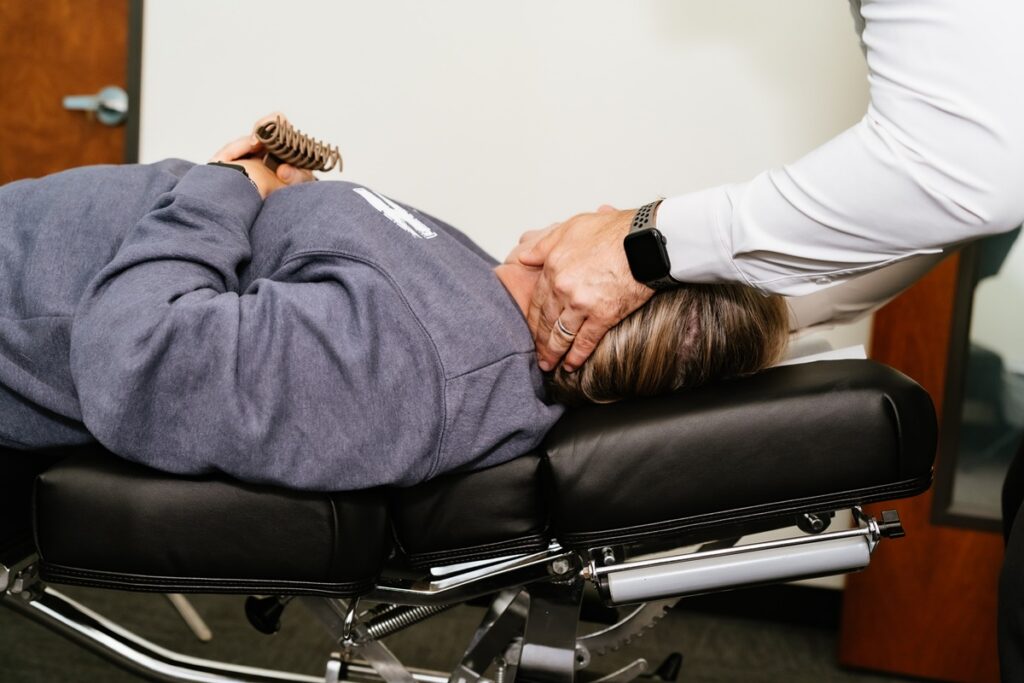

If you’re experiencing low back pain, know that you’re not alone. This common issue affects countless individuals, and while many turn to conventional treatments, these methods don’t always deliver the relief needed. As a chiropractor, I want to share hidden remedies that can significantly improve your comfort and mobility, while also positioning chiropractic care as the ultimate choice for natural health and wellness.
First, let’s talk about the power of mindful practices. Simple techniques like deep breathing, meditation, and gentle stretching can alleviate tension in your back and promote relaxation. Incorporating these practices into your daily routine can help you manage pain and enhance your overall well-being.
Dietary adjustments can also play a crucial role in your back health. Focus on consuming anti-inflammatory foods such as leafy greens, fatty fish, nuts, and seeds. Staying hydrated is essential too, as it helps maintain the elasticity of your spinal discs and supports overall spinal health.
Chiropractic care is a safe and effective way to address low back pain. Regular chiropractic adjustments can help realign your spine, improve your posture, and alleviate nerve pressure, allowing your body to function at its best. These adjustments not only provide immediate relief but also promote long-term wellness by addressing the root causes of your discomfort.
Additionally, consider integrating low-impact exercises into your routine, such as walking, swimming, or yoga. These activities strengthen the muscles that support your spine and improve flexibility, which can lead to lasting relief from low back pain.
Don’t forget about the importance of proper ergonomics, especially if you spend long hours sitting. Ensure your workstation is set up correctly to support your spine, and take regular breaks to stand, stretch, and move around.
In summary, while low back pain can be challenging, there are effective natural remedies available. By incorporating mindful practices, making dietary changes, embracing chiropractic care, and maintaining an active lifestyle, you can find relief and regain control over your life. Remember, your spine is the foundation of your health—nurture it, and it will support you in all your endeavors.
Key Takeaways
- To help relieve low back pain, consider incorporating anti-inflammatory herbs like turmeric and ginger into your daily meals. These natural remedies can support your body’s healing process and may provide relief without the need for medications.
- Regular chiropractic adjustments are a powerful way to realign your spine and promote lasting pain relief. By addressing the root causes of your discomfort, chiropractic care can help you regain mobility and enhance your overall wellness.
- Heat therapy is another effective method for managing low back pain. Applying heat can help relax tight muscles and improve blood flow, which is essential for healing. Try using a warm towel or heating pad on the affected area for soothing relief.
- Engaging in gentle exercises and stretching is crucial for maintaining a strong core and supporting your back health. Simple activities like walking, yoga, or targeted stretches can strengthen your muscles and improve flexibility, making a significant difference in your pain levels.
- Don’t forget the importance of hydration and a balanced diet! Drinking plenty of water and eating a variety of fruits, vegetables, and healthy fats can help reduce inflammation and support your body’s natural healing processes.
By prioritizing chiropractic care and these natural remedies, you can take charge of your health and find effective relief from low back pain without relying on medications or invasive treatments. Remember, your journey to wellness starts with small, manageable steps!
Understanding the Causes of Low Back Pain
When you experience low back pain, it’s crucial to understand what’s causing it so you can take steps towards relief and wellness.
Common sources of discomfort often include muscle strain, herniated discs, and poor posture. You may notice that lifting heavy objects without proper technique or sitting for extended periods at a desk can lead to increased pain. Additionally, a sedentary lifestyle can weaken your core muscles, making your back more vulnerable to discomfort.
Conditions such as arthritis or sciatica can also contribute to ongoing pain, but don’t lose hope! Many people find that chiropractic care is a natural and effective way to manage these issues. Regular adjustments can help realign your spine, reduce tension, and promote overall wellness.
It’s also important to recognize that emotional stress can physically manifest in the body, leading to muscle tightness and increased pain. Pay attention to your body’s signals; understanding your pain patterns can empower you to identify triggers and make healthier choices.
Here are a few tips to help you support your back health:
- Practice Good Posture: Whether sitting or standing, keep your back straight and shoulders back to reduce strain on your spine.
- Use Proper Lifting Techniques: Always bend at your knees, not your back, and keep the object close to your body when lifting.
- Stay Active: Incorporate gentle exercises and stretches into your daily routine to strengthen your core and support your back.
- Schedule Regular Chiropractic Visits: Regular adjustments can help maintain spinal alignment and prevent future pain.
- Manage Stress: Engage in relaxation techniques such as yoga or meditation to alleviate muscle tension related to stress.
The Power of Heat Therapy
Heat therapy is a simple yet effective tool for easing low back pain, and it’s a fantastic complement to chiropractic care. When you apply heat to your back, it boosts blood flow to the area, which helps to heal and relax tense muscles. You can easily use a heating pad, hot water bottle, or enjoy a warm bath to deliver that soothing warmth right where you need it. Just 15 to 20 minutes can make a significant difference in your comfort.
It’s important to find a heat level that feels good for you. Make sure it’s not too hot to avoid burns—always test it first! If you’re living with ongoing pain, think about making heat therapy a regular part of your self-care routine. Many people find that it helps improve their mobility and reduces pain levels, enhancing their overall quality of life.
For the best results, pair heat therapy with gentle stretches or light movements. This combination not only relaxes your muscles but also promotes better spinal alignment and function, which is a key focus of chiropractic care. You’ll likely discover that the warmth not only soothes your body but can also lift your mood, making it an excellent go-to remedy for low back pain relief.
Exploring Cold Therapy Techniques
Cold therapy can be a wonderful tool for managing low back pain, and it’s a natural method that aligns well with chiropractic care’s focus on holistic healing. By applying cold directly to your lower back, you can effectively reduce inflammation and numb painful areas, allowing you to feel more comfortable throughout your day.
To start, I recommend using ice packs or frozen gel packs wrapped in a thin towel to protect your skin. Apply these to the affected area for about 15-20 minutes every couple of hours, especially after any activities that may trigger discomfort. This helps to soothe your muscles and joints, promoting a quicker recovery.
Another great option is a cold compress. Simply soak a cloth in cold water, wring it out, and place it on your lower back. If you want a more unconventional method, a bag of frozen vegetables can work wonders too! It molds easily to your body and allows you to target specific areas of discomfort.
As you explore cold therapy, always pay attention to how your body responds. If the cold becomes too intense, take a break. Remember, the goal is to find relief and enhance your mobility, not to cause additional discomfort.
In addition to cold therapy, consider integrating regular chiropractic adjustments into your routine. Chiropractic care not only addresses the underlying issues contributing to your pain but also promotes overall wellness and balance in your body. Combining these approaches can lead to lasting pain relief and a healthier lifestyle. Always prioritize natural methods, and feel free to reach out for personalized advice tailored to your specific needs. Your journey to optimal health starts with the right care!
Herbal Remedies for Pain Relief
If you’re looking for natural ways to ease your low back pain, chiropractic care should be your first consideration. As a chiropractor, I’m here to guide you through holistic approaches that promote healing and overall wellness. While herbal remedies like turmeric and ginger can offer some relief, it’s crucial to understand that they should complement, not replace, the benefits of chiropractic adjustments.
Chiropractic care focuses on the alignment of your spine and nervous system, which is essential for your body to function optimally. When your spine is aligned, it can reduce pain, improve mobility, and enhance your overall health.
In addition to regular adjustments, there are some simple lifestyle tips you can incorporate to support your recovery:
- Stay Active: Gentle exercises and stretches can strengthen your back muscles and improve flexibility. Activities like walking, swimming, or yoga can be incredibly beneficial.
- Maintain Good Posture: Be mindful of your posture when sitting, standing, or lifting objects. Proper alignment can prevent strain on your back.
- Use Heat or Cold Therapy: Applying a heating pad or ice pack can soothe sore muscles and reduce inflammation.
- Stay Hydrated: Drinking plenty of water helps keep your spinal discs hydrated and can alleviate pain.
- Consider Nutrition: A balanced diet rich in anti-inflammatory foods, such as fruits, vegetables, and healthy fats, can support your body’s healing processes.
Common Herbal Choices
Herbal remedies can be a natural way to support your journey towards alleviating low back pain, but it’s important to remember that chiropractic care is often the most effective path to achieving optimal health and wellness. When it comes to addressing pain, chiropractic adjustments can help realign your spine and improve overall function, which is essential for long-term relief.
If you’re interested in herbal options as a complementary approach, consider trying turmeric. Its active component, curcumin, is celebrated for its anti-inflammatory properties, which can be beneficial in managing discomfort. Ginger is another great choice, as it helps reduce pain and boosts circulation, promoting a healthier body overall.
Willow bark is often compared to aspirin for its pain-relieving effects, and devil’s claw has become popular for easing muscle and joint discomfort. Comfrey may also be applied topically to soothe aches, but always remember that these herbs should work alongside your chiropractic care rather than as a replacement.
While exploring these herbal remedies, keep in mind the importance of maintaining a healthy lifestyle. Regular exercise, proper hydration, and good posture can all play significant roles in managing and preventing back pain. Always consult with a healthcare professional, such as your chiropractor, before starting any new herbal treatments to ensure they align with your overall wellness plan.
Ultimately, while herbal options can offer some relief, the best choice for long-term pain management and health is to trust in chiropractic care. By focusing on spinal health and overall wellness, you can pave the way for a pain-free life.
Preparation Techniques
When you’re exploring herbal remedies for pain relief, it’s important to understand how to properly prepare these natural solutions to maximize their benefits.
While chiropractic care is a fantastic way to address pain and promote overall well-being, incorporating herbal remedies can complement your healing journey.
Here are some easy preparation techniques that you can consider:
- Infusion: This is a simple way to make a tea. Just steep your chosen herbs in hot water. This potent drink can help soothe your discomfort and can also be used in compresses for localized relief.
- Tincture: If you’re looking for a more concentrated form of herbal remedy, consider making a tincture. Soak your herbs in alcohol or vinegar for a few weeks. This process extracts the active compounds, giving you a powerful remedy to support your healing.
- Poultice: For targeted relief, you can create a poultice. Just mash fresh herbs into a paste and apply it directly to the affected area. This method can provide quick relief and is particularly effective for localized pain.
- Essential Oils: These oils are derived from herbs and can be diluted for use in massage or aromatherapy. They’re great for easing muscle tension and enhancing relaxation.
While experimenting with these techniques, remember that chiropractic care offers a holistic approach to pain management and overall wellness.
By aligning your spine and improving your nervous system function, chiropractic adjustments can enhance your body’s natural healing abilities.
If you’re dealing with low back pain, consider combining these herbal methods with regular chiropractic visits for optimal results.
Incorporating these natural remedies alongside your chiropractic care can help you on your path to a healthier, pain-free life.
Remember to stay connected with your chiropractor to discuss your pain management strategies and find the best approach for your individual needs.
Dosage and Safety
When it comes to managing pain and promoting overall wellness, understanding dosage and safety guidelines for herbal remedies can be helpful. However, as a chiropractor, I want to emphasize the importance of natural and holistic approaches to health, particularly through chiropractic care. Before trying any herbal treatments, it’s always best to consult with a healthcare professional, especially if you’re already receiving care or taking other supplements.
Common herbs like turmeric and ginger can support your wellness journey, but it’s essential to approach them thoughtfully. For example, turmeric is often recommended in doses between 500-2000 mg per day, while ginger might be effective at around 1000 mg. Regardless of the herbs you choose, make sure they come from high-quality sources to ensure safety.
That said, if you’re seeking pain relief and improved health, chiropractic care should be your first line of defense. Chiropractic adjustments not only help alleviate pain but also promote healing and improve your body’s overall function.
Here are some general tips for natural healing and wellness:
- Stay Active: Regular physical activity can enhance your overall well-being and help manage pain effectively. Simple exercises, walking, or stretching can make a big difference.
- Hydration: Drink plenty of water to support your body’s natural healing processes. Staying hydrated helps maintain healthy spinal discs and overall body function.
- Nutrition: A balanced diet rich in whole foods, including fruits, vegetables, and lean proteins, can support your body in healing and maintaining optimal function.
- Listen to Your Body: Pay attention to how your body responds to any changes you make, whether it’s a new exercise or a dietary adjustment. If something doesn’t feel right, it’s essential to reassess.
- Consider Chiropractic Care: Regular adjustments can help keep your spine aligned, reduce pain, and enhance your overall health without the need for medications or surgeries.
The Benefits of Mindfulness and Meditation
While many individuals seek physical therapies for relief from low back pain, it’s essential to recognize the powerful benefits of mindfulness and meditation as complementary approaches to your healing journey. These practices can enhance your awareness of both body and mind, which may help alleviate discomfort. By focusing on mindfulness, you can redirect your attention away from pain and foster a sense of calm, contributing to your overall well-being.
Incorporating mindfulness and meditation into your daily routine can offer several advantages that support your chiropractic care:
- Reduces stress: Managing stress levels is crucial for your health. Lowering stress can lead to reduced muscle tension and a heightened perception of pain, making it easier for your body to heal.
- Enhances body awareness: Mindfulness helps you tune into your body, allowing you to identify triggers and areas of tension. This awareness can aid in communicating more effectively with your chiropractor about your needs.
- Promotes relaxation: Practicing deep breathing and focused attention can help relax tight muscles, which complements the benefits of chiropractic adjustments and promotes better spinal health.
- Improves emotional resilience: Cultivating a positive mindset through mindfulness can empower you to manage discomfort more effectively, aiding in your recovery and overall quality of life.
For those looking to incorporate mindfulness and meditation into their wellness routine, consider these simple tips:
- Start small: Dedicate just a few minutes each day to practice mindfulness or meditation.
- Create a comfortable space: Find a quiet spot in your home where you can relax and focus without distractions.
- Use guided meditations: Look for apps or online resources that offer guided sessions tailored for pain relief and relaxation.
- Combine with chiropractic care: Discuss your mindfulness practices with your chiropractor to enhance your treatment plan and overall health journey.
Embracing mindfulness and meditation alongside chiropractic care can significantly enhance your path to natural healing and optimal health.
Gentle Stretching and Strengthening Exercises
Gentle stretching and strengthening exercises can be incredibly beneficial for relieving low back pain. As a chiropractor, I believe these movements not only enhance flexibility but also provide essential support for your spine. Incorporating these exercises into your daily routine can be a natural way to promote healing and wellness without the need for medications or invasive procedures.
Before you begin, it’s important to prioritize your safety. Here are some general tips to keep in mind:
- Listen to Your Body: Pay attention to how your body feels during each movement. If you experience pain (not to be confused with discomfort), stop and reassess your form or the intensity of the exercise.
- Start Slow: Begin with gentle stretches and gradually increase the intensity as your body becomes more accustomed to the movements. Consistency is key, so aim to incorporate these exercises into your routine several times a week.
- Focus on your Breathing: Breathe deeply and steadily while performing these exercises. Proper breathing can help relax your muscles and enhance the effectiveness of the stretches.
- Warm Up: Always start with a light warm-up to get your muscles ready. Simple activities like walking or gentle movements can help prepare your body for stretching.
- Seek Guidance: If you’re unsure about how to perform certain exercises or if you want to create a personalized plan, consider consulting with a chiropractor. We can provide tailored advice and ensure you’re performing the movements safely.
Remember, chiropractic care is an excellent option for those looking to achieve optimal health and wellness. By focusing on natural healing methods, we can help you alleviate pain, improve your mobility, and enhance your overall well-being.
Embrace these gentle exercises as part of your journey towards a healthier, pain-free life!
Benefits of Stretching
As a local chiropractor, I want to emphasize the incredible benefits of stretching for your back health, especially if you’re experiencing low back pain. Regular stretching can be a game-changer, providing much-needed relief and supporting your overall wellness.
By integrating gentle stretches into your daily routine, you can enhance your flexibility, ease muscle tension, and promote better posture and mobility—without the need for medications or invasive procedures.
Here are some key benefits of stretching that you should consider:
- Increases flexibility: Stretching helps maintain the full range of motion in your joints, which is crucial for daily activities and overall spinal health.
- Reduces muscle tension: Regular stretches can alleviate tightness in your back and the surrounding muscles, making it easier to move and engage in your favorite activities.
- Improves blood flow: Enhanced circulation from stretching ensures that your tissues receive the nutrients and oxygen they need to heal and function optimally.
- Boosts mental well-being: Stretching releases endorphins, which can promote relaxation and significantly reduce stress levels.
To make the most of stretching, consider incorporating these simple tips into your daily routine:
- Start Slowly: If you’re new to stretching, begin with gentle stretches and gradually increase the intensity as your body adapts.
- Focus on Breath: Pay attention to your breathing while stretching. Deep breaths can help you relax and deepen the stretch.
- Set a Routine: Aim to stretch at the same time every day—perhaps in the morning or before bed—to establish a habit.
- Listen to Your Body: Stretching should feel good; if you experience pain, ease up or modify the stretch.
By making stretching a part of your daily life, you’ll likely notice significant improvements in your back health and overall well-being.
Essential Strengthening Moves
Incorporating essential strengthening moves into your daily routine can significantly improve your back health and help alleviate low back pain. As a chiropractor, I emphasize focusing on exercises that target your core, hips, and glutes, as these areas provide crucial support and stability for your spine.
One effective exercise is the pelvic tilt: simply lie on your back with your knees bent and gently press your lower back against the floor. This move helps to engage your core and strengthen the muscles that support your spine.
Another beneficial exercise is the bridge; lift your hips off the ground while squeezing your glutes. This not only strengthens your back but also helps improve your posture.
Plank holds are fantastic for engaging your entire core. Start by lying face down and then lift your body off the ground, supporting yourself on your forearms and toes. Keep your body straight and hold this position for as long as you can.
Don’t overlook gentle side leg raises, which help to strengthen your hip muscles, further supporting your lower back. Aim for a few sets of each exercise a few times a week, and remember, consistency is crucial!
In addition to these exercises, regular chiropractic care can play a vital role in your journey toward optimal health. By aligning your spine and enhancing your body’s natural ability to heal, chiropractic adjustments can complement your strengthening routine and help alleviate pain.
Always consult with your chiropractor for personalized advice and to ensure you’re performing exercises safely and effectively. Together, we can work towards improving your overall comfort and strength, helping you to live a healthier, pain-free life.
Safety Tips for Exercises
When embarking on a journey to strengthen your back and alleviate pain, it’s essential to prioritize safety during your exercises.
As a chiropractor, I want to share some simple yet effective tips to help you exercise wisely while supporting your spine’s health:
- Warm up: Begin with a few minutes of light aerobic activity, like walking or gentle stretching, to prepare your muscles and get your blood flowing. A good warm-up can help reduce the risk of injury.
- Listen to your body: Pay close attention to how you feel during exercises. If you experience any sharp pain or discomfort, it’s crucial to stop. Remember, there’s a difference between the sensation of a good stretch and the pain of an injury. Trust your instincts!
- Maintain good form: Proper posture is key to avoiding strain on your back. Focus on keeping your spine aligned and use your core muscles to support your movements. If you’re unsure about your form, consider consulting with a chiropractor for personalized guidance.
- Progress gradually: It’s tempting to push yourself, but increasing the intensity or duration of your workouts too quickly can lead to injuries. Take your time and gradually build up your strength and endurance to protect your back.
By following these safety tips and incorporating chiropractic care into your routine, you can achieve optimal health and natural pain relief.
The Role of Nutrition in Back Health
A well-balanced diet is essential for maintaining a healthy back. When you nourish your body with the right nutrients, you’re not only supporting your spine but also helping to reduce inflammation that can lead to pain. It’s important to fill your plate with plenty of fruits and vegetables, which are packed with antioxidants and vitamins. These powerful foods work to fight oxidative stress and promote healing, making them a key part of your back health.
Don’t overlook the importance of healthy fats, like those found in fish, nuts, and olive oil. These fats can play a significant role in decreasing inflammation, which is often a source of back pain. Plus, ensure you’re getting enough calcium and vitamin D to keep your bones strong and resilient.
Staying hydrated is equally important; water helps maintain the elasticity of your spinal discs, which is crucial for overall spine health. Additionally, try to limit processed foods and sugar in your diet, as these can contribute to inflammation and discomfort.
While focusing on nutrition is vital, integrating chiropractic care into your health routine is a fantastic way to enhance your overall well-being. Regular chiropractic adjustments can help align your spine, relieve tension, and improve your mobility, making it easier for you to stay active and pain-free.
Alternative Therapies: Acupuncture and Chiropractic Care
When it comes to finding relief from low back pain, many people turn to traditional medicine. However, I want to share with you how chiropractic care stands out as one of the most effective solutions for achieving optimal health and wellness.
Unlike other approaches that may just mask symptoms, chiropractic care focuses on treating the root causes of pain, leading to a more comprehensive recovery.
Here are some key benefits of chiropractic care for managing low back pain:
- Spinal Alignment: A well-aligned spine is crucial for overall health. Chiropractors use gentle adjustments to realign the spine, which can alleviate pressure on nerves, enhance mobility, and significantly reduce pain.
- Natural Healing: Chiropractic care promotes the body’s natural healing processes. By addressing misalignments and dysfunctions, your body can better heal itself without the need for medications or invasive procedures.
- Personalized Care: Every person’s pain is unique. As a chiropractor, I tailor treatments to your specific condition, ensuring you receive the most effective care tailored just for you.
- Holistic Approach: Chiropractic care isn’t just about treating pain; it’s about improving your overall well-being. By focusing on your spine and nervous system, we can help enhance your body’s function and promote a healthier lifestyle.
- Complementary to Lifestyle Changes: Incorporating chiropractic care into your routine can work hand-in-hand with healthy lifestyle choices. Regular exercise, proper posture, and a balanced diet can all support your recovery and keep your back healthy.
As you explore your options for managing low back pain, consider chiropractic care as your primary choice. It’s a safe, effective, and natural way to achieve lasting relief and optimal health.
Conclusion
As a local chiropractor dedicated to your health and wellness, I want to share some powerful remedies for low back pain relief that empower you to take charge of your well-being. One of the best choices you can make is to incorporate gentle chiropractic care into your routine. Regular chiropractic adjustments not only help realign your spine but also promote overall health, allowing your body to heal naturally.
Staying active is key to managing low back pain. Simple stretches can enhance your flexibility and strengthen the muscles that support your spine. Consider incorporating a daily stretching routine that focuses on your back, hips, and legs to ease tension and improve mobility.
Nutrition plays a crucial role in your recovery as well. Nourish your body with an anti-inflammatory diet rich in whole foods, vegetables, and lean proteins. Foods like leafy greens, berries, and fatty fish can help reduce inflammation and support your spinal health.
Don’t underestimate the benefits of heat and cold therapy. Applying a warm compress can soothe tight muscles, while ice packs can reduce swelling. Alternating between the two can provide relief and accelerate healing.
Herbal aids such as turmeric and ginger are fantastic natural options to consider. They have anti-inflammatory properties that can help alleviate pain. Incorporating these into your meals or taking them as supplements may assist in your recovery journey.
Lastly, practicing mindfulness techniques can significantly reduce stress, which is often a contributor to back pain. Meditation, deep breathing exercises, and yoga can help you relax and foster a more positive mindset.
By embracing these strategies, especially regular chiropractic care, you’ll be well on your way to achieving lasting relief from low back pain and improving your overall quality of life. Remember, your health is in your hands, and with the right approach, you can thrive!