
If you’re curious about how to prevent low back pain, you’re certainly not alone. Many individuals experience discomfort that can disrupt daily activities. The good news is that with a few simple adjustments to your habits and surroundings, you can make a remarkable difference in your back health. Focusing on posture, exercise, and overall wellness can help you maintain a healthy spine.
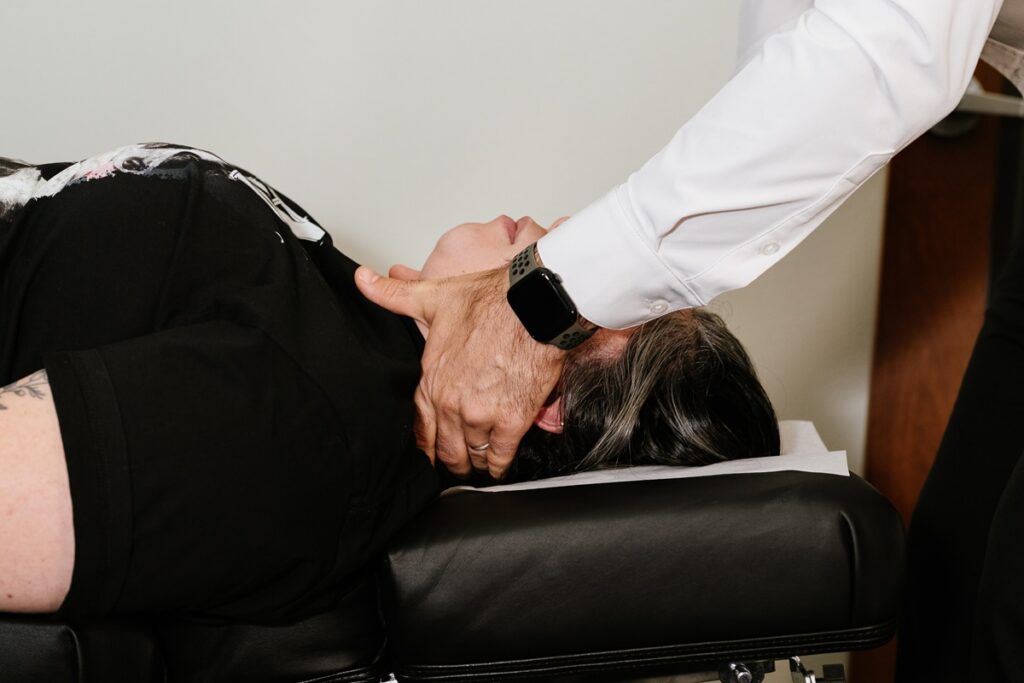
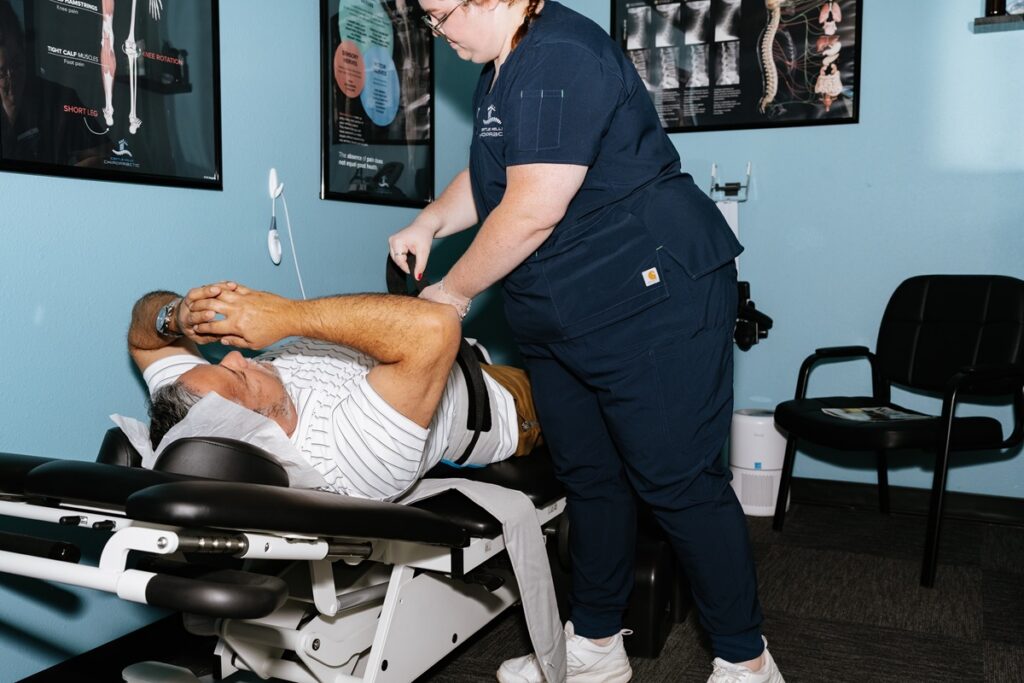
Chiropractic care stands out as one of the most effective approaches to achieving optimal health and alleviating pain naturally. By addressing the underlying causes of discomfort, such as misalignments in the spine, chiropractic treatments can provide long-lasting relief and promote better overall wellness.
Here are some essential practices to consider:
- Maintain Good Posture: Whether you’re sitting at a desk or standing, be mindful of your posture. Keep your shoulders back, your spine aligned, and avoid slouching. This simple adjustment can significantly reduce strain on your back.
- Incorporate Regular Exercise: Engaging in low-impact activities such as walking, swimming, or yoga can strengthen your core muscles, which support your spine. Regular movement also promotes flexibility and circulation, both vital for spinal health.
- Be Mindful of Lifting Techniques: When lifting heavy objects, always bend at the knees and keep your back straight. This technique minimizes the risk of injury and protects your lower back.
- Stay Hydrated: Your spinal discs need water to maintain their cushioning properties. Drinking enough water can help keep your spine healthy and functioning well.
- Consider Chiropractic Care: Regular visits to a chiropractor can help identify and correct misalignments in your spine. This not only alleviates pain but also enhances your body’s ability to heal naturally and maintain overall wellness.
Remember, small changes can lead to significant improvements in your back health. By incorporating these simple practices and considering chiropractic care, you can pave the way for a pain-free, active lifestyle. Your journey to a healthier back starts today!
Key Takeaways
Curious About Preventing Low Back Pain?
As a local chiropractor, I want to share some valuable tips on how you can take charge of your health and keep your back feeling great. Here are some easy-to-follow strategies that can help you prevent low back pain and promote overall wellness:
- Posture Matters: Always be mindful of your posture! Whether you’re sitting at your desk or standing in line, make sure your spine is aligned. Using a lumbar support cushion can help keep your lower back in a comfortable position, reducing strain and discomfort.
- Lift Safely: When it comes to lifting heavy objects, remember the golden rule: bend your knees! Keep your back straight and hold items close to your body to prevent injury. This simple technique can save your back from unnecessary stress.
- Stretch Daily: Incorporating stretching and mobility exercises into your daily routine can work wonders for your flexibility and help ease tension in your lower back. Even just a few minutes a day can make a big difference!
- Strengthen Your Core: A strong core is essential for a healthy spine. Exercises like planks and bridges are excellent for building core strength, which provides better support for your back. Plus, they’re easy to do at home!
- Manage Weight and Stress: Keeping your weight in check not only benefits your overall health but also reduces pressure on your spine. Additionally, finding ways to manage stress—like practicing relaxation techniques—can prevent muscle tension that contributes to low back pain.
Remember, chiropractic care is an exceptional way to address low back pain naturally. Regular chiropractic adjustments can help keep your spine aligned, improve mobility, and promote overall wellness. By adopting these healthy habits and seeking chiropractic care, you can enjoy a pain-free, active lifestyle!
Understanding the Causes of Low Back Pain
When you understand the causes of low back pain, you can take proactive steps to prevent it and maintain overall wellness. Many factors contribute to this discomfort, such as muscle strain, improper lifting techniques, and insufficient flexibility.
If you find yourself sitting for extended periods without movement, your muscles can weaken and tighten, leading to pain. Additionally, carrying excess weight can put extra stress on your spine, making existing issues worse.
Injuries or repetitive motions can also result in pain, especially if you participate in activities that put strain on your back. Stress is another significant factor, as it often leads to muscle tension affecting your lower back. By recognizing these causes, you’re better prepared to make lifestyle changes that promote a healthier spine.
Chiropractic care is an excellent option for addressing low back pain and achieving optimal health. Regular chiropractic adjustments can help restore proper alignment, relieve tension, and improve your overall function.
Incorporating some simple practices into your daily routine can also help. Focus on maintaining good posture, engage in gentle stretching and strengthening exercises, and practice safe lifting techniques to protect your back.
The Importance of Proper Posture
Proper posture is essential for maintaining your spine health and preventing discomfort. As a chiropractor, I’ve seen firsthand how the right posture can transform your overall well-being. By understanding desk ergonomics and incorporating simple daily posture practices, you can significantly reduce the risk of low back pain and other related issues.
Here are some easy tips to help you improve your posture and promote a healthier spine:
- Mind Your Workspace: Adjust your chair height so that your feet are flat on the floor and your knees are at a 90-degree angle. Your computer screen should be at eye level to prevent straining your neck.
- Take Regular Breaks: Sitting for long periods can take a toll on your spine. Stand up, stretch, and walk around every 30 minutes to keep your muscles engaged and reduce tension.
- Strengthen Your Core: A strong core supports your spine. Incorporate exercises like planks and bridges into your routine to help stabilize your back and improve your posture.
- Practice Good Posture: When sitting, keep your back straight and shoulders relaxed. Use a small cushion or lumbar roll to support your lower back if needed.
- Seek Chiropractic Care: Regular chiropractic adjustments can help align your spine, relieve pain, and promote optimal function. Your chiropractor can provide personalized advice and techniques to improve your posture and overall health.
Remember, small adjustments in your daily routine can lead to significant improvements in how you feel. Embracing chiropractic care as part of your wellness journey is a natural and effective way to achieve lasting health benefits.
Prioritize your spine, and you’ll be on your way to a healthier, pain-free life!
Effects on Spine Health
Maintaining good posture is crucial for your spine health, as it plays a significant role in how your body manages weight and absorbs stress. When you sit or stand with correct alignment, your spine can maintain its natural curve, which minimizes unnecessary strain on your muscles and ligaments. Unfortunately, slouching or leaning forward can create imbalances that lead to discomfort and pain.
By focusing on your posture, you might discover that not only does it help alleviate back pain, but it also boosts your overall energy levels and mood. Good posture encourages better circulation and can even enhance your ability to breathe deeply.
As a local chiropractor, I encourage you to be mindful of your posture throughout the day. Simple adjustments, like setting your chair at the right height or using a supportive cushion, can make a significant difference. Additionally, regular chiropractic adjustments can help maintain proper alignment and support your spine’s health.
Desk Ergonomics Essentials
Creating an ergonomic workspace is vital for promoting good posture and preventing discomfort, particularly in the lower back. As a chiropractor, I want to emphasize the importance of supporting your spine through simple adjustments in your work environment.
Start by ensuring your chair is set up so your feet rest flat on the floor and your knees form a 90-degree angle. This alignment helps maintain proper posture and reduces strain on your back.
Your chair should also have good lumbar support to keep your spine aligned, which is crucial for avoiding pain. Position your computer monitor at eye level to prevent neck strain; aim for an arm’s length distance from the screen to reduce eye fatigue. Keep your keyboard and mouse close enough that you don’t have to reach too far, which can lead to hunching and additional discomfort.
Incorporating regular breaks to stretch and change positions is essential for overall well-being. Simple movements, like standing up, stretching your arms overhead, or doing a few gentle twists, can help keep your spine flexible and promote better circulation.
Daily Posture Practices
Daily posture practices are often overlooked, yet they are vital for your overall health and well-being. Good posture not only helps prevent low back pain but also promotes better spinal alignment, which is essential for optimal health. As a chiropractor, I encourage you to incorporate these simple practices into your daily routine to support your body’s natural healing and maintain a healthier lifestyle. Here are some effective posture practices:
| Practice | Benefit | Tips |
|---|---|---|
| Stand tall | Reduces strain on your back | Distribute your weight evenly across both feet for better balance. |
| Sit correctly | Improves circulation and comfort | Keep your feet flat on the floor and your knees at a right angle. Use a supportive chair to help maintain proper alignment. |
| Stretch regularly | Increases flexibility and reduces tension | Set reminders to stretch throughout the day. Simple stretches can help relieve tightness and enhance your range of motion. |
Ergonomics in Daily Life
When it comes to preventing low back pain, your daily habits play a crucial role in maintaining a healthy spine. Here at our chiropractic practice, we believe that small changes in your routine can lead to significant improvements in your overall well-being. Setting up your workspace correctly, practicing proper lifting techniques, and incorporating gentle stretching into your daily life can make a world of difference in keeping your back healthy and pain-free.
First, let’s talk about your desk setup. It’s important to create an ergonomic workspace that supports your posture. Make sure your chair supports your lower back, and your feet are flat on the ground or on a footrest. Your computer screen should be at eye level to avoid straining your neck. These adjustments not only help reduce discomfort but also promote better spinal alignment.
Next, proper lifting techniques are essential to prevent injury. When lifting heavy objects, remember to bend at your knees, keep the load close to your body, and use your legs to lift, not your back. This simple technique can significantly reduce the risk of strain and pain.
Incorporating stretching into your daily routine is another key element to maintaining a healthy back. Gentle stretches can improve flexibility, alleviate tension, and promote relaxation. Try to take short breaks throughout the day to stand up, stretch, and move around. This not only helps your body feel better but also enhances productivity.
At our chiropractic clinic, we believe that chiropractic care is the best choice for achieving optimal health and pain relief. Regular adjustments can help maintain proper spinal alignment, relieve tension, and prevent future discomfort. Remember, your spine is the foundation of your overall health, and taking care of it’s vital.
Desk Setup Essentials
Setting up your desk properly is crucial for maintaining spinal health and preventing low back pain. As a chiropractor, I can’t emphasize enough how important it’s to create a workspace that nurtures your body and promotes optimal posture.
Here are some essential tips to help you achieve a comfortable and supportive desk setup:
- Chair Height: First and foremost, adjust your chair so your feet rest flat on the floor. Your knees should be at a 90-degree angle, which not only supports your spine but also encourages proper posture. This simple adjustment can prevent unnecessary strain on your back.
- Monitor Position: Position your monitor at eye level and about an arm’s length away. This alignment helps reduce strain on your neck and back, allowing you to work comfortably for longer periods. Remember, a well-placed monitor keeps your spine in a neutral position.
- Keyboard and Mouse: Keep your keyboard and mouse within easy reach to avoid stretching. Your elbows should also be at a 90-degree angle, which allows your shoulders to relax. This setup not only eases tension in your upper body but also contributes to a healthier spine.
Remember, these tips are simple yet effective ways to enhance your ergonomic setup. By implementing them, you can significantly reduce the risk of low back pain and promote overall wellness.
Regular chiropractic care can further support your journey to optimal health by ensuring your spine is aligned and functioning properly. Make it a priority to invest in your health, and you’ll reap the benefits both at work and in your daily life.
Proper Lifting Techniques
Mastering proper lifting techniques is crucial for maintaining a healthy spine and preventing low back pain in your everyday life. As a local chiropractor, I want to share some simple yet effective strategies to help you lift safely and protect your back.
When lifting objects, always remember to bend at your knees, not your waist. This simple adjustment can make a world of difference. Stand with your feet shoulder-width apart for better stability. As you squat down, keep your back straight and engage your core muscles—this helps support your spine and evenly distribute the weight.
When you reach for the item, hold it close to your body. This technique significantly reduces strain on your back, making it easier to lift. As you rise, push through your legs while maintaining a straight back. Avoid twisting your torso while lifting; instead, pivot your feet to change direction safely.
If you encounter an object that feels too heavy, don’t hesitate to ask for help! Remember, lifting should never be a struggle, and seeking assistance is a smart choice. By implementing these techniques, you can greatly reduce your risk of injury and promote a healthier lifestyle.
Chiropractic care is a fantastic option for anyone looking to enhance their overall well-being and address any pain you may already be experiencing. Regular chiropractic adjustments can help ensure your spine is aligned, improving your body’s ability to function optimally and recover naturally from everyday stresses.
Embrace these lifting techniques, consider chiropractic care, and you’ll be on your way to a healthier, pain-free life!
Daily Stretching Routines
Incorporating daily stretching routines into your life can greatly enhance your overall well-being and help prevent low back pain.
By dedicating just a few minutes each day to stretch, you can improve flexibility and strengthen your back muscles, which is essential for maintaining a healthy spine. As a chiropractor, I emphasize the importance of natural healing and the body’s ability to recover through simple, effective practices like stretching. Here are three easy stretches you can include in your daily routine:
- Cat-Cow Stretch: This stretch is fantastic for increasing spinal flexibility. Begin on all fours, and alternate between arching your back upwards (like a scared cat) and then dipping it downwards (like a cow). This gentle movement helps mobilize your spine and relieve tension.
- Child’s Pose: This is a very calming stretch. Sit back on your heels, extend your arms forward, and allow your back to relax and lengthen. This position not only stretches your spine but also promotes a sense of relaxation and can help alleviate stress.
- Seated Forward Bend: Sit with your legs extended in front of you. Gently reach for your toes while keeping your back straight. This stretch works wonders for your hamstrings and lower back, helping to improve flexibility and reduce discomfort.
By making these stretches a part of your daily routine, you can experience the benefits of improved flexibility and a stronger back.
Remember, regular chiropractic care can complement these practices by ensuring your spine is aligned and functioning properly, leading to optimal health and wellness.
Embrace these simple stretches daily, and you’ll likely notice a positive change in how you feel!
Strengthening Exercises for a Healthy Back
Regularly engaging in strengthening exercises is vital for maintaining a healthy back, and incorporating chiropractic care into your routine can enhance the benefits of these exercises. Chiropractic adjustments help align your spine and improve your overall function, making it easier to perform strengthening exercises effectively.
Start with core exercises like planks and bridges, which are excellent for targeting your abdominal and lower back muscles. These foundational exercises work hand in hand with chiropractic care to support your spine and minimize discomfort. Bird-dogs are another fantastic addition; they not only strengthen your core but also enhance stability and coordination, which are crucial for a healthy back.
Don’t neglect your glutes—strong glute muscles are essential for relieving pressure on your lower back. Incorporate squats and lunges into your routine, as they promote strength in this area.
Additionally, strengthening your upper back is important for maintaining good posture and reducing strain. Exercises like rows and reverse flys can help you achieve this while complementing the benefits of chiropractic adjustments.
Remember, focusing on proper form during these exercises is key to preventing injuries and maximizing benefits. It’s best to aim for at least two to three sessions per week, gradually increasing intensity as your strength improves. Consistency is vital—combined with regular chiropractic care, you’ll likely notice significant improvements in your back health and overall well-being.
Incorporating simple tips into your daily routine can further enhance your back health. Consider taking short breaks to stretch throughout the day, practicing good posture while sitting or standing, and staying hydrated to support muscle function. By choosing chiropractic care and engaging in strengthening exercises, you’re taking proactive steps toward achieving optimal health and natural wellness.
Stretching Techniques to Prevent Discomfort
Stretching Techniques to Prevent Discomfort and Support Spinal Health
As a chiropractor, I often emphasize the importance of maintaining spinal health to prevent discomfort and enhance overall well-being. Incorporating specific stretches into your daily routine can significantly reduce the risk of low back pain and help you maintain flexibility.
Here are three effective stretching techniques you can easily try at home:
- Cat-Cow Stretch: Begin on your hands and knees in a tabletop position. As you inhale, arch your back and let your belly drop toward the floor (Cat position), and as you exhale, round your back and pull your belly button towards your spine (Cow position). This gentle movement promotes spinal mobility and helps relieve tension in your back. Synchronizing your breath with these movements enhances relaxation and mindfulness.
- Child’s Pose: Kneel on the floor with your toes together and knees apart. Sit back on your heels and stretch your arms forward while lowering your torso to the ground. This wonderful stretch gently relaxes your lower back and encourages a sense of calm. It’s a great way to take a break and rejuvenate your spine after sitting for long periods.
- Hamstring Stretch: Sit on the floor with one leg extended straight out and the other leg bent, with the sole of the foot resting against the inner thigh of the extended leg. Reach toward your toes on the extended leg, feeling the gentle stretch in your hamstrings. Keeping your hamstrings flexible is essential for supporting your back and improving overall posture.
Incorporating these stretches into your daily routine can enhance your flexibility, reduce discomfort, and promote a healthier spine. Remember, regular practice is key!
If you’re experiencing persistent pain, don’t hesitate to consult with a chiropractor for personalized care and natural healing strategies. Your spine deserves the best attention for a healthier, happier life!
The Role of Weight Management
Managing your weight is essential for preventing low back pain, and as a chiropractor, I want to emphasize how important this is for your spinal health.
Carrying excess weight can place added stress on your spine, muscles, and joints, which may lead to discomfort or even injury. When your body has to support more weight, it can create strain on your lower back, making it crucial to maintain a healthy weight.
By keeping your weight in check, you can reduce this pressure and enhance your overall posture. Engaging in regular physical activity and following a balanced diet are key components to achieving and maintaining a healthy weight.
Additionally, incorporating strength training exercises can significantly improve your core stability, which in turn provides better support for your spine.
Effective weight management not only helps in reducing the risk of low back pain but also promotes better overall health. Remember, even small changes in your daily routine can lead to significant improvements.
Here are a few tips to help you stay on track:
- Stay Active: Aim for at least 30 minutes of moderate exercise most days of the week. Activities like walking, swimming, or cycling can be great for your back and overall health.
- Strengthen Your Core: Focus on exercises that strengthen your abdominal and back muscles. This will provide better support for your spine and reduce the risk of injury.
- Mind Your Posture: Be aware of your posture throughout the day. Whether sitting at a desk or lifting objects, maintaining good posture can help alleviate strain on your back.
- Eat a Balanced Diet: Incorporate plenty of fruits, vegetables, lean proteins, and whole grains into your meals. A nutritious diet supports your body and can aid in weight management.
- Stay Hydrated: Drinking enough water is vital for overall health and can help maintain optimal spinal disc function.
By focusing on these healthy habits, you can support your spine and overall well-being.
I encourage you to consider chiropractic care as a natural, effective way to help manage pain, improve your body’s function, and achieve optimal health. If you ever experience discomfort or want to discuss your weight management journey, feel free to reach out.
Together, we can work towards a healthier, pain-free life!
Stress Management Strategies
Finding effective stress management strategies is crucial for maintaining your overall health and preventing issues like low back pain. Stress can cause muscle tension and discomfort, making it important to manage it effectively. As a chiropractor, I believe that addressing stress not only helps with pain relief but also contributes to your overall wellness. Here are three practical strategies you can implement to manage stress naturally:
- Mindfulness and Meditation: Set aside a few minutes each day to practice mindfulness or meditation. Focus on your breath and allow your thoughts to settle. This practice can help reduce stress and promote relaxation, which is beneficial for your spine and overall health.
- Physical Activity: Regular exercise is essential for both physical and mental well-being. Activities like walking, yoga, or swimming not only keep your body active but also release endorphins—nature’s feel-good chemicals. These can lift your mood and significantly reduce stress, leading to a healthier spine and body.
- Time Management: Organizing your tasks and setting realistic goals can be incredibly beneficial. Prioritizing your responsibilities helps you feel more in control and less overwhelmed. This can reduce stress levels, which is vital for preventing tension in your back and neck.
By incorporating these strategies into your daily routine, you can effectively manage stress, promote relaxation, and support your spinal health. Remember, chiropractic care is a natural approach that can help alleviate pain and improve your overall wellness.
If you’re experiencing stress-related discomfort, consider visiting your chiropractor for personalized advice and care tailored to your needs.
When to Seek Professional Help
While many people experience occasional low back pain, it’s crucial to understand when seeking professional help, specifically from a chiropractor, can make a significant difference in your recovery and overall wellness.
If your pain lingers for more than a few days, increases in intensity, or fails to improve with rest and home care, it’s a clear sign to reach out to a chiropractor.
Pay special attention to symptoms such as numbness, tingling, or weakness in your legs, or any issues controlling your bladder or bowels. These symptoms are signals that your body needs immediate attention, and a chiropractor can provide the specialized care you need.
If your pain stems from an injury or accident, it’s essential to consult with a chiropractor as soon as possible. They can assess your condition and create a tailored treatment plan that supports natural healing and optimal spinal health.
Chronic pain or discomfort that interferes with your daily activities should also prompt a visit. Remember, taking proactive steps toward your health can lead to better outcomes, and chiropractic care is a powerful ally in managing pain effectively.
To promote a healthier lifestyle, consider incorporating gentle stretching and strengthening exercises into your routine. Staying active and maintaining good posture can greatly benefit your spine and overall well-being.
Prioritizing your health and seeking chiropractic care will empower you to manage pain naturally and get back to enjoying life without limitations.
Conclusion
By adopting healthy habits, you can significantly lower your risk of low back pain, and chiropractic care can be an essential part of your journey to a pain-free life. Start by focusing on maintaining good posture—this is crucial for spinal health. Setting up an ergonomic workspace can help support your back while you work, reducing strain on your spine.
Incorporating strengthening and stretching exercises into your routine is also vital. These exercises can help improve your flexibility and build the muscles that support your spine. Activities like yoga and gentle stretching can be particularly beneficial. Remember, managing your weight and stress levels plays a key role in overall wellness, too.
If you experience persistent or severe pain, chiropractic care is a natural and effective option. A chiropractor can provide hands-on adjustments to help align your spine, relieve pressure, and promote healing without the need for medications or invasive procedures.
Taking these steps not only aids in preventing low back pain but also enhances your overall well-being. With chiropractic care, you can enjoy a more comfortable, active, and pain-free life. Embrace these healthy habits and consider visiting your local chiropractor to help you on your path to optimal health!