
If you're struggling with back pain, you might be wondering if a custom approach could make a difference for you. Tailoring treatment to your specific needs can address the unique triggers behind your discomfort, whether they stem from posture, muscle imbalances, or lifestyle factors. By exploring personalized solutions, you could find a path to quicker relief and a better quality of life. But what does this custom approach really involve, and how can you assess what will work best for you? Let's explore these critical questions together.
Understanding Back Pain Causes
Many people experience back pain at some point in their lives, often without understanding why it happens. You might think it's just a part of aging or a result of your daily activities, but the causes can be much more complex. Poor posture, for instance, can lead to muscle strain and discomfort. If you spend hours hunched over a computer, your back pays the price.
Injuries are another common reason for back pain. Whether it's a sports-related injury or a slip and fall, trauma can disrupt your spine's alignment and cause lasting issues. If you've lifted something heavy without proper technique, you may have strained a muscle or damaged a disc.
Chronic conditions, like arthritis or herniated discs, can also play a role. These factors can lead to inflammation, nerve compression, and persistent pain. Even stress can contribute; when you're stressed, your muscles tense up, which can cause discomfort in your back.
You mightn't realize it, but your lifestyle choices impact your back health too. Lack of exercise can weaken core muscles, making your back more susceptible to pain. On the flip side, overexertion during workouts can also lead to injuries.
Understanding the various causes of back pain is essential for addressing it effectively. By identifying the root of your discomfort, you're one step closer to finding the right solution that caters to your individual needs.
The Benefits of Custom Solutions
Custom solutions for back pain can make all the difference in achieving relief and improving your overall well-being. When you tailor your approach to your specific needs, you're more likely to address the root causes of your pain effectively. This personalized strategy can bring about more significant and lasting results than one-size-fits-all options.
One of the primary benefits of custom solutions is their ability to target your unique pain triggers. Whether it's posture issues, muscle imbalances, or lifestyle factors, customizing your treatment means you can focus on what truly matters for your body. This targeted approach often leads to quicker relief and a clearer path to recovery.
Additionally, custom solutions empower you to take an active role in your healing process. You'll engage in exercises and therapies designed specifically for your body, making it easier to stay motivated and committed. This engagement can boost your confidence, reinforcing the idea that you're not just a passive recipient of treatment but an active participant in your health journey.
Moreover, custom solutions can evolve with you. As your condition improves or your lifestyle changes, your approach can adapt. This flexibility guarantees that you're always on the best path toward maintaining your back health.
Ultimately, investing in custom solutions for your back pain not only helps alleviate discomfort but also enhances your overall quality of life. You'll be able to move freely, enjoy activities, and experience life without the constant burden of pain.
Assessing Your Unique Needs
To effectively address your back pain, it's essential to identify your individual pain triggers.
Understanding what causes your discomfort allows you to create a personalized treatment plan tailored to your specific needs.
Individual Pain Triggers
Understanding your individual pain triggers is essential for effectively managing back pain. Everyone's experience with back pain is unique, and identifying what specifically exacerbates your discomfort can lead to better outcomes.
Take some time to reflect on your lifestyle and daily habits to pinpoint these triggers.
Consider the following factors:
- Posture: Are you slouching or sitting for extended periods?
- Activity Levels: Do you remain inactive for long stretches, or do you overexert yourself during workouts?
- Stress: Is stress affecting your muscle tension and overall well-being?
- Sleep Quality: Are you getting enough restful sleep, or is your mattress not supportive enough?
Personalized Treatment Plans
Identifying your pain triggers sets the stage for creating an effective personalized treatment plan tailored to your unique needs. Once you recognize what exacerbates your back pain, you can work with a healthcare professional to develop a strategy that addresses these specific issues.
Your treatment plan might include physical therapy, where targeted exercises strengthen the muscles supporting your spine. You may also consider alternative therapies, like acupuncture or chiropractic adjustments, which can relieve tension and improve mobility. Additionally, modifying your daily activities and posture can play an essential role in pain management.
Don't forget about lifestyle changes—diet and stress management can greatly impact your overall well-being. Incorporating activities like yoga or mindfulness can help reduce stress and promote relaxation, which are crucial for recovery.
Regular follow-ups are important, too. As you progress, your plan should adapt to your evolving needs and responses to treatment.
Personalized Treatment Options
When it comes to managing back pain, personalized treatment options can make all the difference. Instead of a one-size-fits-all solution, focusing on your individual needs and circumstances allows for a more effective approach.
Tailoring treatments to your unique situation can lead to better outcomes and improved quality of life.
You might consider several personalized options, each designed to target your specific symptoms and lifestyle. Here are a few that could work for you:
- Physical Therapy: A skilled therapist can design a customized exercise program that strengthens your back and improves flexibility, addressing your specific pain points.
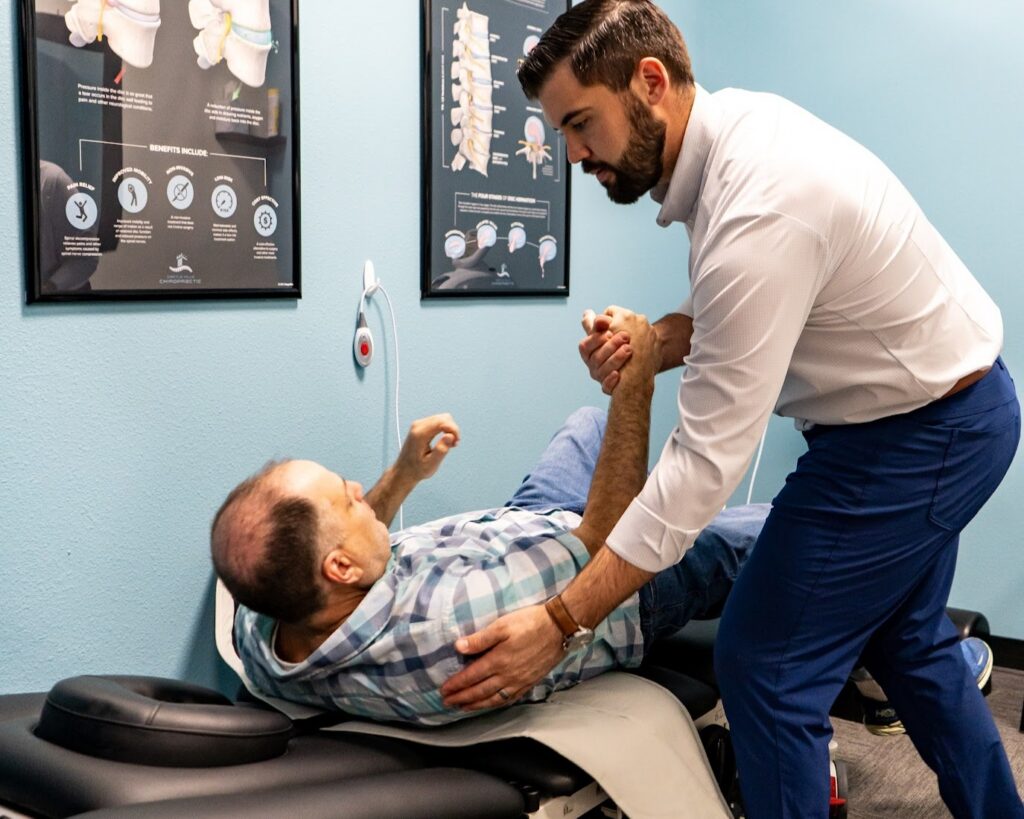
- Chiropractic Care: Regular adjustments can help realign your spine and relieve pressure on nerves, which might be contributing to your discomfort.
- Acupuncture: This ancient technique can help reduce pain by stimulating specific points in your body, offering a holistic approach to healing.
- Medication Management: A healthcare provider can help you find the right medications tailored to your symptoms, whether it's over-the-counter pain relievers or prescription options.
Lifestyle Modifications for Relief
Making simple lifestyle modifications can greatly reduce back pain and enhance your overall well-being. Start by evaluating your daily habits. If you spend long hours sitting, consider your posture. Adjust your chair to support your lower back and keep your feet flat on the floor. Taking regular breaks to stand and stretch can also relieve tension and improve circulation.
Next, pay attention to your sleep habits. A mattress that offers adequate support can make a significant difference. If you often wake up with pain, it might be time to reassess your sleeping arrangements. Try sleeping on your side with a pillow between your knees to maintain spinal alignment.
Incorporating regular physical activity into your routine is essential. Aim for low-impact exercises, like walking or swimming, which can strengthen your back without putting too much strain on it. Additionally, being mindful of your body mechanics during everyday tasks can prevent unnecessary stress. When lifting objects, bend at the knees and keep the item close to your body.
Nutrition also plays a role in back pain relief. Maintaining a balanced diet rich in anti-inflammatory foods can help. Consider incorporating fruits, vegetables, and healthy fats while staying hydrated.
Lastly, managing stress through mindfulness or relaxation techniques can alleviate tension in your muscles. By making these lifestyle modifications, you can create a healthier environment for your back, leading to lasting relief and improved quality of life.
The Role of Physical Therapy
Physical therapy plays an essential role in managing and alleviating back pain. When you engage in physical therapy, you're not just receiving treatment; you're actively participating in your recovery journey. A skilled physical therapist will assess your unique situation and design a personalized plan tailored to your needs. This process can greatly enhance your mobility, strength, and overall quality of life.
Here are some key benefits you'll experience through physical therapy:
- Targeted Exercises: You'll learn specific exercises that strengthen the muscles supporting your spine, helping to reduce pain and prevent future injuries.
- Pain Management Techniques: Techniques like manual therapy and modalities such as heat or ice can help alleviate discomfort and improve your function.
- Education: Your therapist will provide valuable knowledge about body mechanics and posture. Understanding how to move correctly can minimize strain on your back.
- Customized Treatment Plans: You'll receive a plan that fits your lifestyle and goals, ensuring that you're more likely to stick with it.
Physical therapy not only addresses immediate pain but also equips you with the tools to prevent recurrence. By committing to regular sessions and following your therapist's advice, you can make considerable strides toward a pain-free life.
Monitoring Progress and Adjustments
As you progress through your physical therapy journey, monitoring your improvement becomes crucial for effective treatment. Keeping track of your pain levels, mobility, and overall function helps you and your therapist understand what's working and what isn't. It's important to maintain an open line of communication, so don't hesitate to share any changes you notice, whether they're positive or negative.
Using a journal or an app can be particularly helpful for documenting your daily experiences. Record your pain levels, specific activities that may aggravate or relieve your discomfort, and any exercises you find challenging. Regularly reviewing this information allows you to identify patterns and adjust your treatment plan accordingly.
Your therapist will likely conduct periodic assessments to gauge your progress. These evaluations might involve physical tests, measurements of your range of motion, or functional assessments. Based on these findings, your therapist can tailor your exercises and techniques to better suit your evolving needs.
Don't be discouraged if progress isn't linear. Back pain can be complex, and adjustments may be necessary along the way. Embrace the process of trial and error, knowing that finding the right combination of treatments may take time.
Stay proactive in your treatment, and remember that small adjustments can make a significant difference in your recovery journey. By closely monitoring your progress and being open to changes, you'll be better equipped to achieve lasting relief from your back pain.
Success Stories and Testimonials
Success stories from individuals who've overcome back pain can be incredibly inspiring and motivating. Hearing about the journeys of others might give you the encouragement you need to start your own path toward relief.
Many people have found success with custom approaches tailored to their specific needs, and their testimonials highlight the effectiveness of these personalized methods.
Here are a few common themes you might notice in these success stories:
- Personalized Treatment: Many individuals emphasize how a tailored approach, including specific exercises and therapies, made all the difference in their recovery.
- Gradual Progress: Several testimonials share that progress often came gradually, reinforcing the importance of patience and persistence in your own journey.
- Holistic Approaches: Some people mention integrating holistic practices, like yoga or mindfulness, which complemented their customized treatment plans.
- Community Support: Many found inspiration and motivation from support groups or forums where they could share experiences with others facing similar challenges.
These stories serve as reminders that while your journey may feel challenging, it's entirely possible to reclaim your life from back pain.
If you're feeling discouraged, take heart in the fact that countless individuals have walked this path and emerged stronger on the other side.
Conclusion
Incorporating a custom approach to your back pain can truly change your recovery journey. By addressing your unique triggers and needs, you're more likely to find effective relief and improve your quality of life. Embrace personalized treatment options, make necessary lifestyle adjustments, and engage in proactive recovery strategies. Remember, you're not alone in this; many have successfully navigated their back pain challenges. Take the first step today and discover what tailored solutions can do for you.