
Your posture is incredibly important when it comes to how much low back pain you might be experiencing. Simple habits like slouching while sitting, the way you carry yourself throughout the day, and even the type of shoes you wear can greatly affect your spinal alignment and how much strain your muscles take on. It’s vital to recognize these connections to help manage any discomfort you may feel.
Are you conscious of how your daily habits may be contributing to your pain? Let’s delve into the key ways your posture impacts your back health, and I’ll share some effective strategies for relief that can lead you to a healthier, pain-free life.
- Proper Sitting Posture: Make sure your chair supports your lower back and that your feet are flat on the ground. This alignment helps reduce strain on your spine. Consider using a lumbar support pillow if needed.
- Mindful Standing: When standing, distribute your weight evenly on both feet and avoid locking your knees. Engaging your core muscles can also help support your lower back.
- Ergonomic Workspaces: If you spend long hours at a desk, ensure your workspace is ergonomically friendly. Your computer screen should be at eye level, and your chair should support proper posture.
- Footwear Matters: Wearing supportive shoes can make a significant difference. Avoid high heels or shoes that lack arch support, as they can lead to misalignment and increased back pain.
- Regular Movement: Incorporate regular breaks to stretch and move throughout the day. Simple stretches can relieve tension and promote better posture.
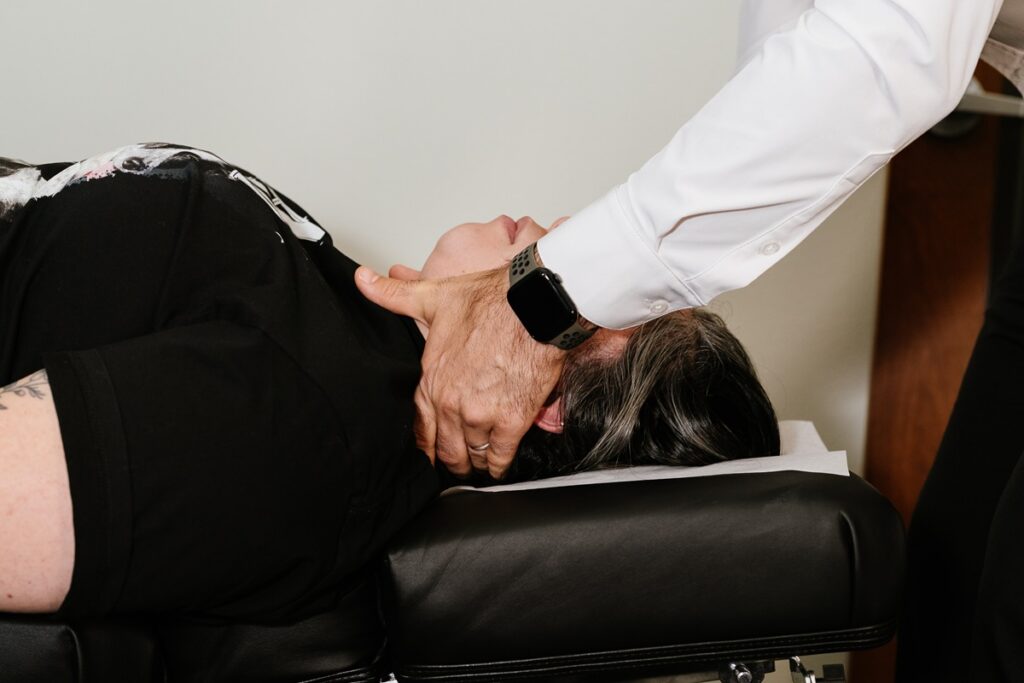
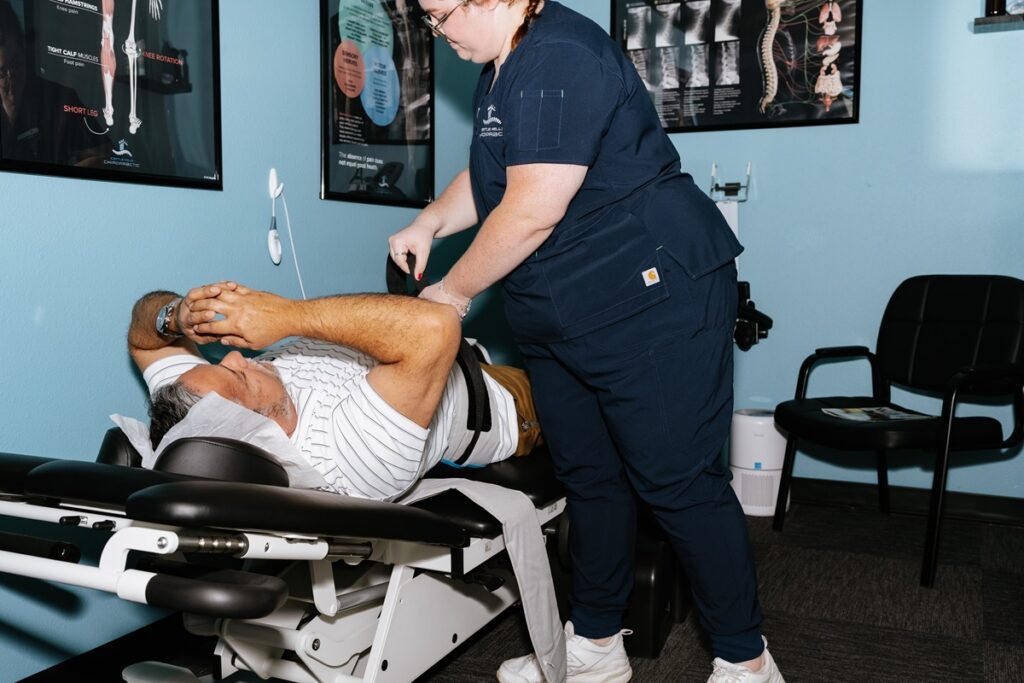
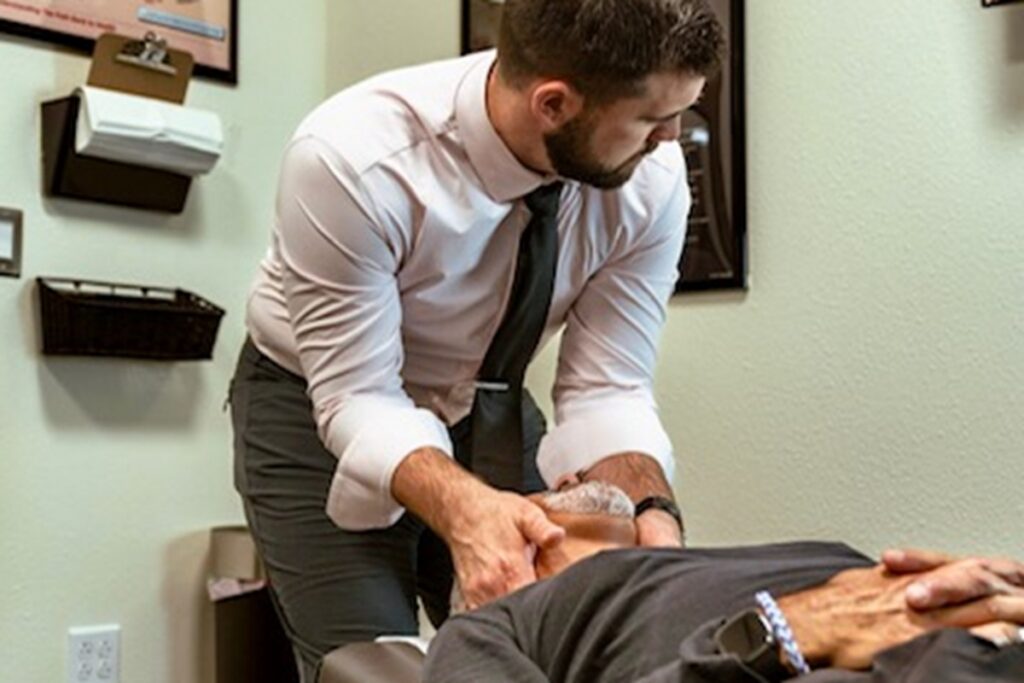
Chiropractic care is an excellent approach to achieving optimal health and addressing low back pain. A chiropractor can help you understand your body mechanics better and provide personalized treatments to improve your posture and alleviate discomfort. By focusing on natural healing and wellness, chiropractic care empowers you to take charge of your health and find relief without the need for medications or surgeries.
Remember, your posture plays a crucial role in your overall well-being. By making small adjustments and considering chiropractic care, you can pave the way towards a healthier, pain-free life.
Key Takeaways
As a local chiropractor, I understand how crucial posture is when it comes to managing and preventing low back pain. Here are five ways your posture can significantly impact your lower back health, along with some helpful tips to maintain better alignment and comfort.
- Slouching and Spinal Curves: Slouching can disrupt the natural curves of your spine. This misalignment increases pressure on your intervertebral discs, which can lead to discomfort and pain. To combat this, try to sit and stand tall, keeping your shoulders back and your head aligned over your spine. Simple reminders, like setting a timer to check your posture throughout the day, can make a big difference!
- Sitting Position Matters: Poor sitting positions can strain your lower back muscles and ligaments. Over time, this strain can cause discomfort and stiffness. To help alleviate this, ensure your chair supports your lower back and that your feet rest flat on the floor. Taking regular breaks to stand up and stretch can also promote better circulation and reduce tension.
- Standing Posture: Improper standing posture requires your muscles to work harder than necessary, leading to fatigue and increased stress on your lower back. When standing, keep your weight evenly distributed on both feet and avoid locking your knees. Engaging your core muscles can provide additional support to your spine.
- Footwear Choices: The type of shoes you wear can greatly affect your body alignment. Unsupportive footwear can cause compensatory changes in your posture that may contribute to low back pain. Opt for shoes that provide good arch support and cushioning. If you find yourself on your feet often, consider using orthotic inserts for added support.
- Ergonomic Workspaces: Creating an ergonomic workspace is essential for maintaining proper posture, especially during long hours of sitting or standing. Ensure your computer screen is at eye level and your chair supports your lower back. An adjustable desk can also allow you to switch between sitting and standing, reducing pressure on your lower back.
Incorporating these tips into your daily routine can help improve your posture and alleviate low back pain. If you’re struggling with discomfort, chiropractic care can be a natural and effective solution. Regular adjustments can help realign your spine, improve your posture, and enhance your overall wellness. Remember, taking proactive steps toward better posture today can lead to a healthier, pain-free tomorrow!
How Slouching Affects Spinal Alignment
When you slouch, your spinal alignment takes a hit, and this can lead to a host of problems. Your spine is designed with natural curves that help distribute weight evenly. Slouching disrupts these curves, putting extra pressure on your discs and the muscles that support your spine. This misalignment can result in discomfort and stiffness, making even simple tasks feel challenging. You might also start to feel tightness in your shoulders and neck, which often spreads down your back.
Maintaining poor posture over time can put significant strain on your spine, potentially leading to chronic pain. Your body tries to compensate for this misalignment, which can lead to muscle fatigue and imbalances, increasing the risk of injury.
As a chiropractor, I encourage you to focus on improving your posture to alleviate these issues. Here are some tips to help you sit and stand tall:
- Engage Your Core: Strengthening your core muscles supports your spine and helps maintain proper posture.
- Shoulders Back: Keep your shoulders relaxed and pulled back, rather than hunched forward.
- Regular Check-Ins: Throughout the day, take a moment to assess your posture. Adjust as needed to reinforce good habits.
- Chiropractic Care: Regular visits to a chiropractor can help realign your spine and alleviate pain, guiding you toward a healthier lifestyle.
The Role of Sitting Position in Back Pain
Posture isn’t just about how you stand; it significantly influences how you sit as well. Poor sitting positions can place enormous pressure on your lower back, leading to discomfort and pain. When you slouch or lean forward, your spine loses its natural curve, which can strain the muscles and ligaments that support your back.
To help alleviate this discomfort and promote a healthier spine, consider these simple tips: First, ensure your feet are flat on the ground and that your knees are at a right angle. This position helps maintain proper alignment. Additionally, choose a chair that supports your lower back, allowing for a slight curve in your spine.
One of the best practices for spinal health is to take regular breaks. Standing up and stretching every hour can reduce stiffness and improve circulation, which is essential for maintaining a healthy spine.
Impact of Standing Posture on Muscle Strain
Standing with improper posture can lead to significant muscle strain, especially in the lower back and shoulders. When you slouch or lean forward, you place extra pressure on your muscles and spine. This strain can result in discomfort or even chronic pain if not addressed.
By understanding these issues and considering chiropractic care, you can find relief and improve your overall well-being. Here are three common problems caused by poor standing posture, along with tips to help you maintain better alignment:
- Muscle Fatigue: When your body isn’t aligned properly, your muscles have to work harder to support you, leading to fatigue. To combat this, try to be mindful of your posture throughout the day. Stand tall with your shoulders back and your head aligned over your spine. Consider scheduling regular chiropractic visits to help keep your spine aligned and reduce muscle strain.
- Joint Stress: Misalignment can increase stress on your joints, particularly in the lower back. This can lead to pain and discomfort over time. Regular chiropractic adjustments can help realign your spine and reduce joint stress, allowing your body to function more efficiently. Additionally, remember to take breaks and stretch during long periods of standing to keep your joints limber.
- Reduced Circulation: Poor posture can restrict blood flow, causing your muscles to feel tense and increasing the likelihood of cramps. To promote better circulation, focus on maintaining an open posture. Keep your feet shoulder-width apart and shift your weight between your legs. Gentle stretches and movements can also help improve blood flow and reduce tension.
The Connection Between Footwear and Posture
Improper posture isn’t just about how you hold your body; it starts from the ground up, especially with the shoes you wear. As a chiropractor, I want to emphasize that the right footwear can significantly impact your posture and overall back health. If you’re wearing shoes that lack support or cushioning, your body will try to compensate by adjusting your alignment, which can lead to muscle strain and discomfort.
For example, high heels shift your weight forward, forcing your spine to curve unnaturally. This can create tension in your back and lead to pain. On the other hand, flat shoes that don’t provide arch support can cause your feet to roll inward, a condition known as overpronation, which can negatively affect your knees and hips.
Choosing well-fitted shoes with adequate support is crucial. This helps maintain your natural alignment and reduces strain on your back. A solid foundation begins with your feet, and better footwear can pave the way for improved posture and decreased low back pain over time.
Take a moment to pay attention to how your feet feel in different types of shoes. Remember, the right shoe choice supports your body’s alignment and can contribute to your overall wellness. As you consider your footwear options, think about how they can help you maintain your health naturally.
For optimal health, consider incorporating chiropractic care into your routine. Regular adjustments can help align your spine and improve posture, giving you the pain relief and support you need to enjoy a healthier, more active lifestyle. Choose wisely, and take steps towards better health today!
Benefits of Ergonomic Workspaces for Back Health
Creating an ergonomic workspace is essential for your back health and overall comfort, especially if you find yourself sitting for long hours. When you design your workspace with ergonomics in mind, you can experience remarkable benefits that help alleviate strain on your back. Here are three key advantages that can enhance your well-being:
- Proper Alignment: Using an ergonomic chair is crucial, as it supports the natural curve of your spine. This promotes better posture and significantly reduces pressure on your lower back, which can help prevent discomfort and pain.
- Reduced Muscle Strain: Adjusting your desk height and monitor placement is vital. By ensuring that your workspace is set up correctly, you can avoid awkward positions that lead to muscle fatigue. This simple adjustment can make a world of difference for your overall comfort throughout the day.
- Increased Productivity: When you’re comfortable, you can focus better on your tasks. Back pain can be distracting, but by creating a supportive workspace, you can concentrate fully and enhance your productivity.
Investing time in establishing an ergonomic workspace is a great step towards maintaining a healthy back and supporting your overall wellness.
Remember, chiropractic care is an excellent way to achieve optimal health and relieve pain naturally. So, take a moment to assess your setup and consider adjustments that could make your work environment more supportive.
For additional tips, consider incorporating regular breaks into your routine to stretch and move around. This can help keep your muscles engaged and reduce tension.
Also, remember to check in with a chiropractor regularly to ensure your spine remains aligned and healthy. Your back will thank you!
Conclusion
To wrap things up, maintaining good posture is crucial for keeping low back pain at bay. By steering clear of slouching and paying attention to how you sit and stand, you can significantly ease the strain on your spine. It’s also important to choose supportive footwear and set up an ergonomic workspace to further enhance your back health.
Incorporating these simple adjustments into your daily routine can lead to reduced discomfort and a boost in your overall well-being. Remember, even small changes can make a big difference! Chiropractic care is a fantastic way to help you achieve and maintain optimal health, focusing on natural healing and wellness. If you’re struggling with low back pain, consider visiting your chiropractor for personalized advice and treatment options tailored to your needs. Together, we can work towards a healthier, pain-free life!