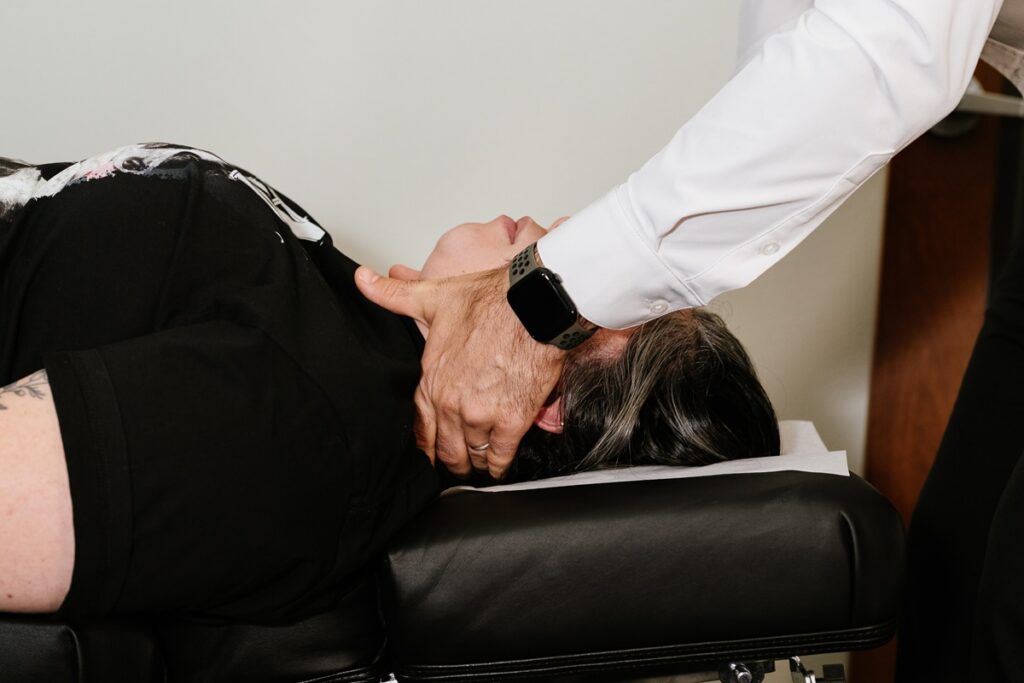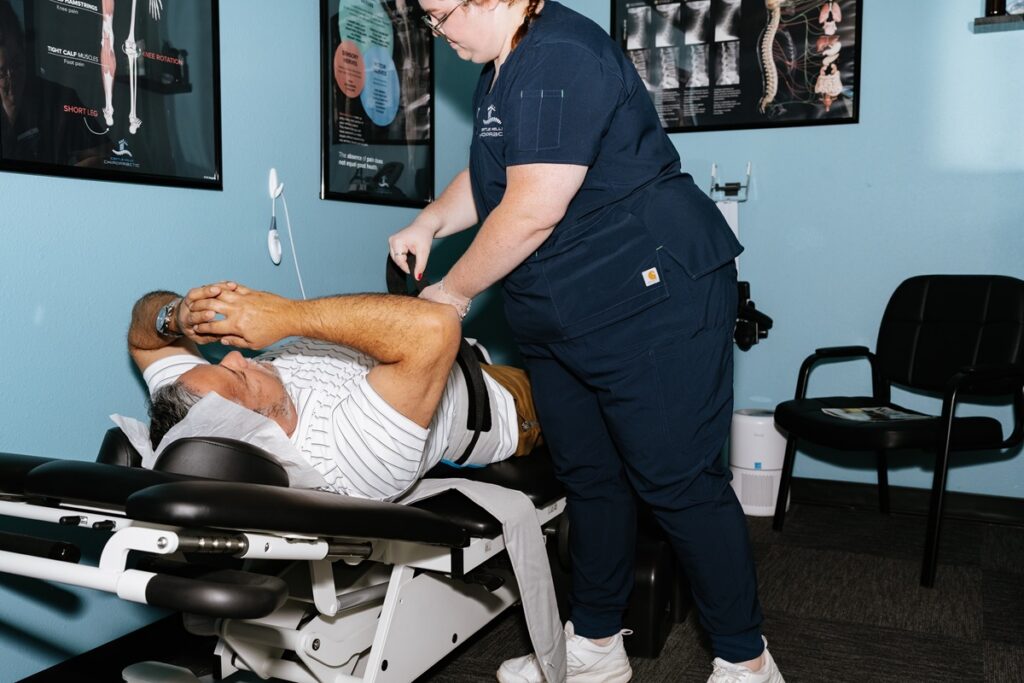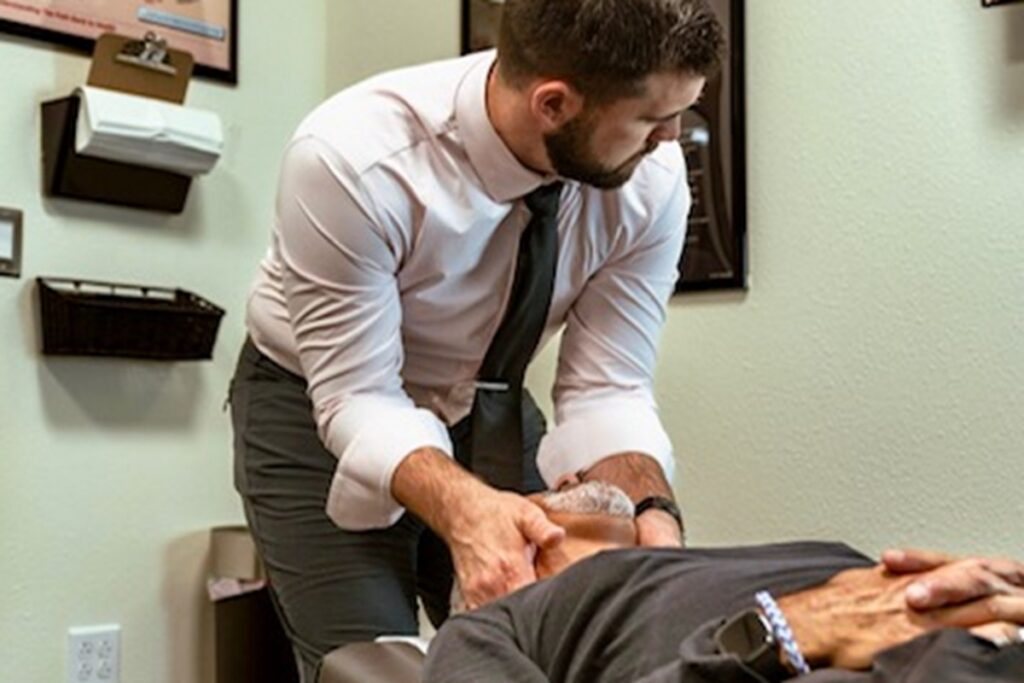

If you’re struggling with lower back pain, you understand how it can disrupt your daily activities and overall quality of life. Thankfully, there are natural and effective techniques to help you find relief. As a chiropractor, I want to emphasize that chiropractic care is one of the best choices for addressing lower back pain and promoting overall wellness.
One of the key aspects of managing lower back pain is focusing on strengthening your core and enhancing your flexibility through targeted stretching. Regular chiropractic adjustments can help realign your spine, reducing pressure on your nerves and improving your body’s ability to heal itself. This is a crucial step in taking control of your comfort and well-being.
Additionally, practicing good posture is essential for preventing and alleviating back pain. Being mindful of how you sit, stand, and move can make a significant difference. Incorporating ergonomic furniture and taking breaks to stretch during long periods of sitting can help maintain spinal health.
But that’s not all—there are several other strategies you can explore to support your journey to wellness. Consider incorporating gentle exercises, like walking or yoga, which can promote mobility and strengthen the muscles that support your spine. Staying hydrated and maintaining a balanced diet rich in anti-inflammatory foods can also help manage pain and promote healing.
Remember, you don’t have to navigate this journey alone. As your local chiropractor, I am here to guide you through personalized care tailored to your unique needs. Together, we can uncover these essential strategies for lower back pain relief and work towards achieving optimal health and well-being.
Key Takeaways
As a local chiropractor, I want to share some effective techniques for relieving lower back pain that can help you achieve optimal health and wellness through natural methods.
- Regular Stretching Exercises: Incorporating simple stretching routines, such as seated forward bends and child’s pose, can greatly improve your flexibility and ease tension in your lower back. These gentle stretches help keep your spine healthy and can be easily done at home.
- Core Strengthening: Strengthening your core is essential for providing support to your spine. Exercises like planks and bridges are fantastic for developing a strong core, which in turn helps reduce strain on your lower back. Remember, a strong core is foundational for a healthy back!
- Proper Posture and Ergonomics: Maintaining good posture throughout your day, especially while working, is crucial. Make small adjustments to your workspace to minimize stress on your back. Simple changes, like using an ergonomic chair or adjusting your computer screen, can make a significant difference in how your back feels.
- Heat and Cold Therapy: Alternating between heat and cold therapy can be incredibly beneficial for relieving lower back pain. Heat helps relax tight muscles, while cold therapy can reduce inflammation. Using a warm towel or an ice pack for 15-20 minutes can provide immediate relief and comfort.
- Chiropractic Care and Alternative Therapies: One of the best ways to manage back pain is through chiropractic care. Regular adjustments can help align your spine, improve your range of motion, and reduce discomfort. Additionally, therapies like massage and acupuncture can complement chiropractic treatment, offering a holistic approach to your pain management.
By integrating these techniques into your daily routine, you can take proactive steps towards alleviating lower back pain and achieving a healthier, pain-free life. Remember, chiropractic care is a natural and effective choice for maintaining your overall wellness and ensuring your spine remains in optimal condition. If you have any questions or need personalized guidance, feel free to reach out!
Stretching Exercises for Flexibility
Stretching your muscles regularly is a fantastic way to enhance flexibility and alleviate lower back pain, which is something many of my patients experience. By incorporating a variety of stretching exercises into your daily routine, you can keep your muscles loose and your joints flexible, supporting your overall spinal health. Focus on stretches that specifically target your hamstrings, hip flexors, and lower back.
One effective stretch to try is the seated forward bend. To do this, sit with your legs extended in front of you and gently reach for your toes, holding the position for 15-30 seconds. This stretch not only works on your hamstrings but also helps release tension in your lower back, promoting better alignment and comfort.
Another beneficial stretch is the child’s pose. To perform this, kneel on the floor, sit back on your heels, and stretch your torso forward while reaching your arms out in front of you. This position provides a gentle stretch along your spine, helping to relieve any tightness and promoting relaxation.
Consistency is crucial when it comes to stretching; aim to incorporate these simple exercises into your daily routine, especially if you find yourself sitting for long periods. By making stretching a habit, you can significantly improve your comfort and mobility. Remember, chiropractic care can also play a vital role in your journey towards optimal health.
Pairing regular stretching with chiropractic adjustments can enhance your overall wellness and help you maintain a pain-free lifestyle. Always listen to your body, and don’t hesitate to reach out to your chiropractor for personalized advice and support on your path to better health.
Strengthening Your Core Muscles
Strengthening Your Core Muscles: A Key to Spinal Health
As a chiropractor, I can’t stress enough the importance of strengthening your core muscles for overall health and wellness. A strong core isn’t only crucial for supporting your lower back but also plays a vital role in enhancing your stability and balance. When your core muscles are well-developed, they help stabilize your spine, which can significantly reduce strain on your lower back during everyday activities.
To build core strength, I recommend simple yet effective exercises like planks, bridges, and abdominal crunches. These exercises target the essential muscles in your abdomen, back, and pelvis, creating a strong foundation for your body. You don’t need to be a fitness expert; just start with a few sets of each exercise, and as you gain strength, you can gradually increase the intensity.
Consistency is key! Aim to include core workouts in your routine at least three times a week. Remember, you can engage your core even during regular daily tasks. Whether you’re sitting at your desk or standing in line, consciously tightening your core muscles can reinforce their strength and help protect your lower back.
Incorporating core strengthening exercises into your life can lead to improved stability and a significant reduction in the risk of lower back pain. Plus, it complements the benefits of chiropractic care, which focuses on natural healing and optimizing your spinal health. By prioritizing both core strength and regular chiropractic adjustments, you can achieve a healthier, pain-free life.
Embrace these tips and take charge of your wellness journey today! Your body—and your back—will thank you.
Improving Posture and Ergonomics
Often overlooked, improving your posture and ergonomics can significantly alleviate lower back pain, and as a chiropractor, I can attest to the profound benefits of these adjustments.
Begin by assessing your workspace. Ensure that your chair provides adequate support for your lower back, and that your feet are flat on the floor or on a footrest. Position your computer screen at eye level to avoid unnecessary strain on your neck and back.
When seated, keep your shoulders relaxed and maintain a straight back to prevent slouching. When standing, distribute your weight evenly on both feet and engage your core muscles to provide support for your spine.
If you find yourself sitting for long periods, make it a point to take regular breaks to stretch and walk around. This simple practice can relieve pressure on your back and promote circulation.
Consider incorporating ergonomic tools such as supportive chairs or standing desks into your routine. By making these adjustments, you won’t only promote better alignment but also reduce the risk of pain. Remember, prioritizing good posture and ergonomics is a proactive step toward long-lasting relief from lower back discomfort.
As a chiropractor, I advocate for natural healing through spinal health and wellness practices. Chiropractic care plays a vital role in achieving optimal health by addressing underlying issues that contribute to discomfort.
Heat and Cold Therapy
Applying heat or cold to your lower back can provide immediate relief from pain and discomfort.
Heat therapy, such as using a heating pad or a warm towel, helps to relax tight muscles and improve blood flow, which can promote healing. It’s generally recommended to use heat for about 15-20 minutes at a time, ensuring that you don’t burn your skin.
On the other hand, cold therapy is effective for reducing inflammation and numbing sharp pain. You can use ice packs or even a bag of frozen vegetables wrapped in a cloth. Just like with heat, apply cold for 15-20 minutes, and make sure to allow your skin to return to normal temperature between applications to avoid frostbite.
For optimal results, consider alternating between heat and cold therapy. Listen to your body; if one method feels better, stick with it. These techniques can be a great way to manage lower back pain, but remember that the best long-term solution for pain relief and overall wellness is chiropractic care.
Chiropractic adjustments can help address the root causes of your pain by aligning the spine and improving overall function. Regular visits to a chiropractor can’t only provide immediate relief but also support your body’s natural healing processes, leading to a healthier lifestyle.
If your pain persists, consult with a chiropractor who can guide you on a personalized plan tailored to your needs. Using heat and cold therapy in conjunction with chiropractic care can make a significant difference in managing your lower back pain effectively and naturally.
Alternative Therapies: Acupuncture and Massage
Exploring alternative therapies like acupuncture and massage can certainly provide some relief for lower back pain, but it’s important to remember that chiropractic care is often the most effective choice for achieving optimal health and wellness. Chiropractic adjustments focus on aligning the spine and improving overall function, which addresses the root cause of pain rather than just the symptoms.
Acupuncture, which involves inserting thin needles into specific points on your body, may stimulate energy flow and reduce pain. While many people report relief after a few sessions, it’s essential to note that chiropractic care can often provide more comprehensive results through spinal adjustments that promote healing and restore balance to the body.
Similarly, massage therapy can help with muscle tightness and improve circulation. While it’s a great way to relax and ease muscle tension, chiropractic care goes a step further by addressing spinal misalignments that can lead to ongoing discomfort. Techniques like deep tissue, Swedish, or trigger point massage can be beneficial, but they should complement, not replace, the foundational care provided by a chiropractor.
To achieve lasting relief from back pain, consider integrating chiropractic care into your wellness routine. Regular adjustments can help maintain spinal health and prevent future issues. Additionally, remember to stay active, practice good posture, and engage in stretching exercises to support your back health.
Always consult with a qualified chiropractor to determine the best treatment plan for your specific condition. With a commitment to chiropractic care and some lifestyle adjustments, you can take significant steps toward natural healing and a healthier, pain-free life.
Mindfulness and Stress Reduction Techniques
Chiropractic care is a powerful tool for enhancing your overall well-being, especially when it comes to managing lower back pain. However, it’s essential to recognize that addressing the mental side of pain is just as vital as treating the physical symptoms. Incorporating mindfulness and stress reduction techniques can significantly improve your ability to cope with discomfort and enhance your healing journey.
By practicing mindfulness, you can train your mind to stay focused on the present moment, which helps reduce anxiety and improve your pain tolerance. Techniques such as deep breathing, meditation, and progressive muscle relaxation are effective ways to calm both your mind and body. These practices can help interrupt negative thought patterns that may worsen your pain experience.
Consider dedicating a few minutes each day to mindfulness practice. Even short sessions can lead to meaningful results. When you start to feel tension in your body, take a moment to breathe deeply and visualize a peaceful scene—this can help lower stress levels and may even alleviate some of your back pain. Remember, by integrating mindfulness into your routine, you’re not only addressing your physical symptoms but also nurturing your mental health, which is crucial for a holistic approach to wellness.
As a chiropractor, I encourage you to explore these techniques alongside your chiropractic care. Together, they can create a comprehensive strategy for achieving optimal health and pain relief. Taking control of your well-being through natural healing methods will help you lead a healthier and more fulfilling life.
Lifestyle Changes for Long-term Relief
While managing lower back pain often requires immediate relief, making sustainable lifestyle changes can lead to lasting wellness. As a chiropractor, I encourage you to consider regular physical activity as a key component of your routine. Engaging in activities like walking, swimming, or yoga not only strengthens your back but also enhances flexibility, which is essential for spinal health.
Be mindful of your posture throughout your day—whether you’re sitting, standing, or lifting. Utilizing ergonomic furniture and practicing safe lifting techniques can significantly reduce strain on your back. Remember, your spine is your body’s support system; treating it well is crucial.
Maintaining a healthy weight is another important factor. Excess weight can put additional pressure on your spine, leading to discomfort. Pair this with a balanced diet rich in anti-inflammatory foods, which can help ease pain and support overall health.
Sleep is vital for recovery, so investing in a supportive mattress can make a world of difference. A good night’s rest allows your body to heal and rejuvenate, which is essential for long-term comfort.
Additionally, managing stress through mindfulness or relaxation techniques is crucial, as stress can exacerbate pain. Techniques such as deep breathing or meditation can help you stay centered and reduce tension in your body.
Conclusion
By incorporating these seven techniques into your daily routine, you can effectively relieve lower back pain and enhance your overall well-being through natural healing methods. As a chiropractor, I emphasize the importance of spinal health in achieving optimal wellness. Regular stretching and core strengthening exercises are essential for keeping your muscles flexible and strong, which supports your spine and reduces strain.
Paying attention to your posture, whether sitting at a desk or lifting objects, is crucial to prevent further injury. Ergonomics plays a vital role in maintaining a healthy spine, so ensure that your workspace is set up to support your back.
Utilizing heat or cold therapy can provide immediate relief for discomfort, while exploring alternative treatments like chiropractic adjustments can help address the root cause of your pain. Mindfulness and relaxation techniques can also aid in managing stress, which often contributes to tension in the back.
Finally, making healthier lifestyle choices—such as staying active, eating a balanced diet, and maintaining a healthy weight—can significantly improve your spinal health. Remember, with commitment and consistency to these practices, combined with regular chiropractic care, you can find lasting relief and enjoy a more active, pain-free life. Your journey to wellness begins with caring for your spine!