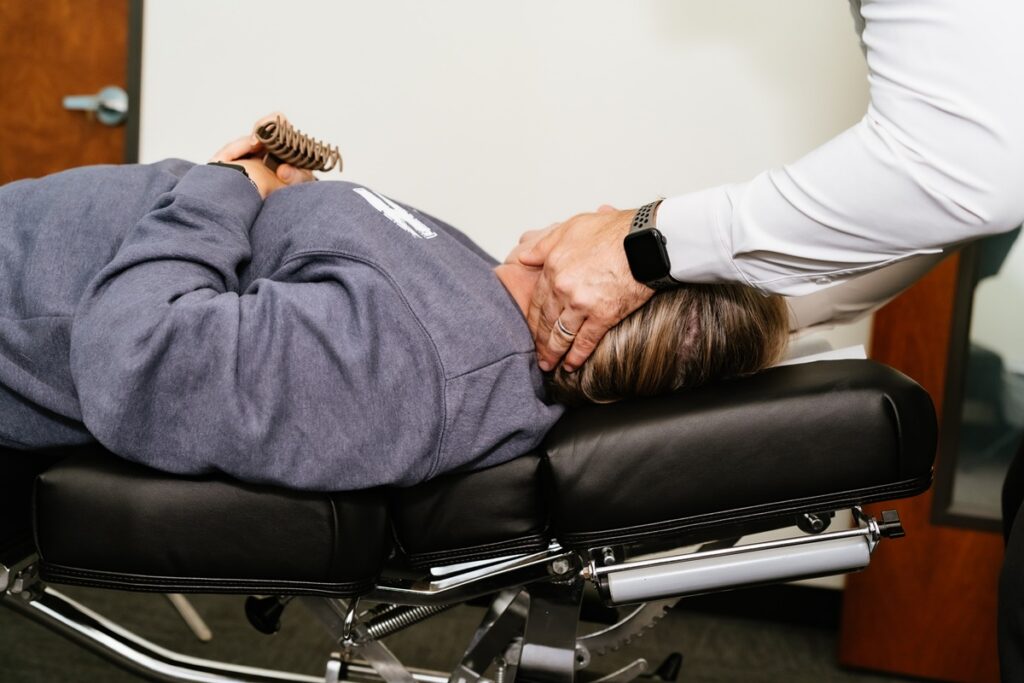

If you’re dealing with chronic low back pain, I want to share some natural remedies that can complement your journey to wellness. While many people turn to medications or surgeries, I believe that chiropractic care is the best choice for long-lasting relief and optimal health. Alongside regular chiropractic adjustments, incorporating herbal treatments like turmeric and ginger can help reduce inflammation and soothe discomfort.
Herbs such as devil’s claw and topical options like capsaicin cream may also provide additional support for your overall well-being. Remember, nature has a lot to offer when it comes to healing, but it’s essential to consult with your chiropractor to find the best combination of treatments tailored to your needs.
Here are some general tips to help manage your low back pain naturally:
- Maintain good posture: Be mindful of how you sit and stand to reduce strain on your back.
- Stay active: Engage in low-impact exercises like walking or swimming to keep your body moving without putting too much pressure on your spine.
- Stretch regularly: Gentle stretching can improve flexibility and help alleviate tightness in your back muscles.
- Focus on nutrition: A healthy diet rich in anti-inflammatory foods can support your overall health and wellness.
By prioritizing chiropractic care and incorporating these natural remedies, you can take steps towards a healthier, pain-free life. Always consult with your chiropractor for personalized advice and to ensure you’re on the right track to recovery.
Key Takeaways
- Turmeric: This golden spice contains curcumin, which has strong anti-inflammatory properties that can help reduce pain and swelling in your back. Incorporating turmeric into your diet can be a great way to support your overall wellness.
- Ginger: Known for its anti-inflammatory and pain-relieving qualities, ginger can be enjoyed fresh, brewed in teas, or used as a topical oil for a soothing massage. It’s a simple way to add natural relief to your daily routine.
- Boswellia: An herbal extract that is well-regarded for its ability to reduce inflammation and pain. You can find it in various forms such as capsules, powders, or topical oils, making it easy to incorporate into your health regimen.
- Devil’s Claw: This herb is recognized for its effectiveness in alleviating lower back pain. While herbal remedies can be beneficial, I always recommend consulting with your chiropractor for a comprehensive treatment plan that addresses the root cause of your discomfort.
- Willow Bark: Containing salicin, willow bark offers pain relief similar to aspirin, but in a natural form. You can find it in teas, capsules, or extracts. Remember, natural remedies can complement chiropractic care, which focuses on aligning your spine and improving your overall health.
General Tips:
- Stay active with gentle exercises or stretches to keep your back strong and flexible.
- Maintain good posture throughout your day to support your spine.
- Consider regular chiropractic adjustments to help manage pain and improve your body’s function.
- Always listen to your body; if something doesn’t feel right, consult your chiropractor for guidance.
By integrating these herbal remedies with chiropractic care, you can work towards achieving optimal health and managing chronic low back pain naturally!
Turmeric
Turmeric is well-known for its powerful anti-inflammatory properties, which can be beneficial in alleviating low back pain. As a local chiropractor, I want to share how incorporating turmeric into your diet can complement your journey to natural healing and wellness.
For centuries, turmeric has been a staple in traditional medicine, and its active compound, curcumin, is particularly effective at blocking inflammatory pathways, helping to reduce pain and swelling in your back muscles and joints.
Adding turmeric to your meals is easy and delicious! You can sprinkle it into curries, blend it into smoothies, or steep it in teas. If you prefer a more concentrated dose, turmeric supplements are also available. Just remember, when you pair turmeric with black pepper, it significantly enhances the absorption of curcumin, allowing you to experience its full benefits.
While turmeric is generally safe, I always recommend consulting with your healthcare provider before starting any new supplement, especially if you’re on medication. It’s important to ensure that any new addition fits into your overall health plan.
In addition to incorporating turmeric, consider regular chiropractic care to address the root cause of your low back pain. Chiropractic adjustments can help realign your spine, reduce tension in your muscles, and improve your overall mobility.
This holistic approach, combined with natural remedies like turmeric, empowers you to take proactive steps toward managing pain and enhancing your wellness.
Ginger
Ginger is often celebrated for its impressive anti-inflammatory and analgesic properties, making it an excellent natural remedy for low back pain. As a chiropractor, I always encourage my patients to explore holistic approaches to health and wellness, and incorporating ginger into your daily routine may provide some relief from discomfort.
You can enjoy fresh ginger in various ways, such as brewing it in teas, blending it into smoothies, or adding it to soups. For those who prefer convenience, ginger supplements in capsule form are also an option. Additionally, using ginger oil topically can be beneficial for soothing sore muscles. To create your own ginger oil, simply infuse fresh ginger in a carrier oil like coconut or olive oil, and gently massage it into the affected area.
Another great benefit of ginger is its ability to enhance blood circulation, which can further help reduce inflammation. Combining the use of ginger with regular chiropractic adjustments can optimize your overall health and well-being. Chiropractic care addresses the underlying issues in your spine and nervous system, promoting better alignment and improved function, which is essential for managing pain effectively.
Devil’s Claw
If you’re dealing with low back pain and seeking natural relief, chiropractic care could be your best option. As a chiropractor, I focus on helping patients achieve optimal health through spinal alignment and holistic wellness practices. While many people turn to herbal remedies like Devil’s Claw, I encourage you to consider the benefits of chiropractic adjustments as a primary approach to pain management.
Chiropractic care is designed to address the root causes of pain by ensuring your spine is properly aligned and your nervous system is functioning optimally. This can lead to reduced discomfort and improved mobility, often without the need for supplements or medications. Regular visits to a chiropractor can help you maintain a healthy spine, which is essential for overall well-being.
While some people find relief from natural remedies like Devil’s Claw, it’s important to remember that chiropractic care not only helps alleviate pain but also promotes long-term health. You can support your treatment by incorporating healthy lifestyle choices, such as regular exercise, proper hydration, and stretching routines into your daily life.
If you’re considering supplements, it’s always a good idea to discuss them with your chiropractor. We can work together to create a comprehensive plan that prioritizes your health and well-being. Remember, the goal is to achieve lasting relief and a healthier lifestyle through natural means, and chiropractic care is a powerful tool in that journey.
Boswellia
When it comes to addressing low back pain naturally, Boswellia is a notable option worth considering. This herbal extract comes from the resin of the Boswellia tree and is known for its strong anti-inflammatory properties, which can help ease your discomfort. Research has shown that Boswellia may not only reduce pain but also improve mobility, making it a great complement to your overall wellness journey.
Here’s a simple breakdown of Boswellia’s benefits:
| Aspect | Details |
|---|---|
| Active Compounds | Boswellic acids |
| Benefits | Reduces inflammation and pain |
| Usage Forms | Capsules, powders, and topical oils |
While incorporating Boswellia into your routine may provide significant relief, remember that the best approach to managing pain and enhancing your health is through chiropractic care. Regular chiropractic adjustments help align your spine, relieving pressure on nerves and promoting better overall function in your body.
Here are some general tips to support your journey toward a pain-free life:
- Stay Active: Gentle movements and stretches can help keep your back strong and flexible. Consider integrating activities like walking or yoga into your daily routine.
- Posture Awareness: Maintain good posture, especially if you sit for long periods. Using ergonomic furniture can make a big difference.
- Hydration: Drink plenty of water to keep your discs hydrated and support overall spinal health.
- Consult with a Chiropractor: Regular visits to a chiropractor can help you develop a personalized plan for managing pain naturally and improving your overall health.
Before starting any new supplement like Boswellia, it’s always wise to consult with a healthcare professional to ensure it fits well with your individual health plan. By prioritizing chiropractic care and these natural strategies, you can achieve optimal health and wellness.
Willow Bark
Willow bark, often dubbed nature’s aspirin, has a long history of use for pain relief, particularly for lower back discomfort. Its active ingredient, salicin, transforms into salicylic acid in the body, helping to reduce inflammation and ease pain.
While it may seem appealing, I want to emphasize that chiropractic care is your best choice for addressing chronic low back pain and promoting overall wellness.
Here are some points to consider as you explore your options:
- Chiropractic care not only targets the root cause of your pain but also improves spinal alignment, which can significantly enhance your quality of life.
- If you’re interested in natural remedies like willow bark, know that it can be found in teas, capsules, and extracts. However, it’s essential to remember that these should complement, not replace, the benefits of chiropractic adjustments.
- Always consult a chiropractor or healthcare professional before introducing any new treatments, including herbal remedies.
Using willow bark might offer some temporary relief, but incorporating chiropractic care into your routine can provide lasting benefits.
Regular adjustments help your body function optimally, making it easier to manage daily activities and reducing the likelihood of future pain. Pay attention to how your body responds and discuss any changes with your chiropractor to ensure you’re on the right path.
In your journey toward pain relief and better health, remember that chiropractic care is a powerful ally. By focusing on spinal health and natural healing methods, you can achieve a healthier, pain-free life without the need for medications or invasive procedures.
Cayenne Pepper
Cayenne pepper is often recognized for its natural pain relief properties, making it a topic of interest for those managing low back pain. While it can be applied in various forms, such as topical creams or homemade remedies, it’s crucial to consider its use alongside chiropractic care, which is a holistic approach to health and wellness.
As a chiropractor, I believe that addressing the underlying causes of pain is essential for long-term relief. Chiropractic care focuses on restoring proper alignment and function to the spine, which can significantly reduce pain and enhance overall wellbeing.
While cayenne pepper might provide temporary relief, it’s best used as a complementary approach alongside regular chiropractic adjustments.
If you’re looking for ways to incorporate cayenne pepper into your routine, here are some tips:
- Topical Application: You can create a simple cayenne pepper ointment by mixing it with coconut oil. Apply it to the affected area, but be mindful of how your skin reacts to avoid irritation.
- Dietary Inclusion: Add cayenne pepper to your meals for a flavorful kick and potential anti-inflammatory benefits. It can be sprinkled on soups, stews, or salads.
- Hydration: Remember to drink plenty of water, especially if you’re using cayenne pepper, as it can have a warming effect on the body.
- Chiropractic Care: Regular visits to your chiropractor can help ensure your spine is aligned and functioning optimally, reducing pain and improving your overall health.
In summary, while cayenne pepper may provide some benefits for pain relief, it’s essential to prioritize chiropractic care for a comprehensive approach to your health. By focusing on spinal alignment and function, you can achieve lasting relief and enhance your quality of life.
Always consult with your chiropractor about incorporating any new remedies into your wellness routine.
Pain Relief Properties
If you’re looking for a natural way to ease low back pain, consider the benefits of cayenne pepper, a spice that can complement your chiropractic care. It contains capsaicin, a compound celebrated for its pain-relieving properties. While cayenne pepper can be a helpful addition to your wellness routine, remember that chiropractic care is your best choice for achieving long-term health and pain relief.
Here’s how cayenne pepper can support your healing journey:
- Pain Signal Blocker: Capsaicin can help block the pain signals sent to your brain, which may reduce your perception of discomfort. However, for a more comprehensive approach to pain management, chiropractic adjustments target the root cause of your pain, helping to restore proper alignment and function to your spine.
- Enhanced Circulation: Cayenne pepper promotes increased blood circulation, which can aid in healing affected areas. Coupling this with regular chiropractic adjustments can further enhance blood flow and improve your overall recovery process.
- Anti-Inflammatory Benefits: The anti-inflammatory properties of cayenne pepper may help alleviate swelling and tenderness. But remember, chiropractic care addresses inflammation at its source by ensuring your spine is aligned and your nervous system is functioning optimally.
Incorporating cayenne pepper into your diet or using it topically can be a great addition, but it shouldn’t replace the holistic benefits of chiropractic care.
Here are some simple tips to consider for managing low back pain:
- Stay Active: Gentle exercises and stretches can help maintain mobility and support your spine. Ask your chiropractor for specific exercises that may benefit you.
- Maintain Good Posture: Being mindful of your posture, especially when sitting or lifting heavy objects, can prevent unnecessary strain on your back.
- Stay Hydrated: Drinking enough water helps maintain the health of your spinal discs and supports overall wellness.
- Regular Chiropractic Visits: Make sure to visit your chiropractor regularly to keep your spine aligned and to address any pain before it becomes a larger issue.
Application Methods
When considering ways to incorporate cayenne pepper into your daily routine for health benefits, it’s essential to think about both dietary and topical applications. Cayenne pepper can enhance the flavor of your meals while also offering potential pain relief, which complements the holistic approach of chiropractic care. You might sprinkle it on soups, stews, and salads or mix it into sauces for an added kick that not only delights your palate but also supports your overall wellness.
For topical use, you can make a cayenne pepper ointment by combining the powder with a carrier oil like coconut or olive oil. Gently massage this mixture into the affected area, as it may help alleviate discomfort and promote healing. Alternatively, you can find commercial creams that include cayenne as an active ingredient, which can be a convenient option for targeted relief.
Precautions and Side Effects
While cayenne pepper can provide some health benefits, it’s essential to be mindful of precautions and side effects, especially when considering it for pain relief.
Here are some important points to keep in mind:
- Skin Sensitivity: If you have sensitive skin, be prepared for potential irritation or a burning sensation when applying cayenne topically. Always do a patch test first to see how your skin reacts.
- Health Considerations: If you’re pregnant, breastfeeding, or have specific medical conditions, it’s wise to consult with a healthcare professional before using cayenne. Your overall health is crucial, and it’s always best to prioritize safe practices.
- Moderation is Key: Overconsumption of cayenne can lead to gastrointestinal discomfort, including stomach pain or diarrhea. Start with a small amount to see how your body responds.
To enhance your wellness journey, consider integrating chiropractic care as a foundational aspect of your health.
Chiropractic adjustments can help alleviate pain, improve mobility, and support your overall well-being without the need for medications or invasive procedures.
Additionally, here are some general tips for natural pain relief and wellness:
- Stay Active: Regular movement helps keep your body flexible and strong. Simple stretches or walks can do wonders.
- Hydration Matters: Drink plenty of water to support your body’s functions and help prevent discomfort.
- Balanced Diet: Incorporate a variety of fruits, vegetables, and whole grains to nourish your body and support healing.
Always prioritize listening to your body and be proactive in seeking natural solutions to support your health.
Chiropractic care, combined with healthy lifestyle choices, can be a powerful way to achieve optimal wellness.
White Willow Bark
If you’re dealing with low back pain, it’s essential to explore all your options for natural relief, and one remedy you might come across is white willow bark. This herbal remedy has been known for its active compounds that may help reduce inflammation and discomfort. However, while considering such options, it’s important to remember that chiropractic care is one of the best choices for achieving optimal health and pain relief.
Chiropractic care focuses on the spinal alignment and overall body health, helping to address the root causes of pain rather than just masking the symptoms. Regular chiropractic adjustments can improve your posture, enhance mobility, and reduce tension in the muscles surrounding your spine, which can significantly alleviate back pain.
If you do decide to explore white willow bark, it’s crucial to consult your chiropractor first. They can offer personalized advice on how it may fit into your overall wellness plan. Additionally, here are some general tips for managing low back pain naturally:
- Stay Active: Gentle exercises, such as walking or stretching, can help keep your back muscles strong and flexible.
- Maintain Good Posture: Paying attention to your posture while sitting, standing, and lifting can prevent unnecessary strain on your back.
- Use Heat or Cold Therapy: Applying a heating pad or an ice pack to the affected area can provide temporary relief.
- Stay Hydrated: Drinking plenty of water supports overall health and helps keep your spinal discs hydrated.
- Consider Dietary Adjustments: Eating anti-inflammatory foods, such as fruits, vegetables, and healthy fats, can support your body’s healing process.
Natural Pain Relief
As a local chiropractor, I want to share valuable insights on natural pain relief, particularly for those dealing with low back pain. One herbal remedy that has stood the test of time is white willow bark. For centuries, this natural option has been recognized for its pain-relieving properties. It contains salicin, which your body transforms into salicylic acid—a compound similar to what’s found in aspirin. Many individuals turn to white willow bark as a gentler alternative to typical over-the-counter pain medications.
Here are some benefits you may experience when considering white willow bark for pain relief:
- Reduces inflammation: It can help soothe irritation in your lower back, promoting a sense of comfort.
- Promotes comfort: This natural remedy eases discomfort without the harsh side effects that some medications might cause.
- Supports mobility: By alleviating pain, it can assist you in maintaining your daily activities and staying active.
While white willow bark can be a helpful addition to your wellness routine, it’s essential to remember that chiropractic care is a holistic approach that addresses the root cause of pain. By focusing on spinal health, we can help improve your overall well-being and reduce pain naturally.
Here are a few tips for managing low back pain:
- Stay Active: Gentle movements and stretches can help keep your back flexible and reduce stiffness.
- Practice Good Posture: Be mindful of your posture while sitting, standing, and lifting to prevent unnecessary strain on your back.
- Stay Hydrated: Drinking plenty of water supports overall health and helps maintain the elasticity of your spinal discs.
- Consider Regular Adjustments: Chiropractic adjustments can help align your spine, alleviate pain, and improve your body’s function.
Incorporating these practices into your life, combined with the potential benefits of white willow bark, can provide you with effective, natural relief.
Active Compounds Explained
Understanding the active compounds in white willow bark can deepen your appreciation for its natural pain-relieving properties. The key ingredient, salicin, converts to salicylic acid in your body, providing benefits similar to those of aspirin. This compound plays a significant role in reducing inflammation and alleviating pain, making it a helpful option for those dealing with chronic low back pain.
Beyond salicin, white willow bark also contains flavonoids and tannins, which work together to enhance its anti-inflammatory effects. This combination not only helps relieve discomfort but also supports overall wellness—an important aspect of maintaining a healthy, active lifestyle.
While white willow bark can be a beneficial addition to your wellness routine, it’s essential to remember that chiropractic care is a powerful approach to achieving optimal health. Regular chiropractic adjustments can address the root causes of pain and discomfort in your spine, helping to restore proper function and promoting your body’s natural healing processes.
To integrate natural healing into your life, consider these tips:
- Stay Active: Engage in gentle exercises or stretches that promote flexibility and strength, which can help support your spine and overall health.
- Hydrate: Drinking plenty of water is vital for maintaining healthy spinal discs and overall bodily function.
- Posture Awareness: Be mindful of your posture throughout the day, especially if you sit for extended periods. Proper alignment can alleviate unnecessary strain on your back.
- Consult with a Chiropractor: Regular visits can help identify and address any underlying issues, ensuring your body is functioning at its best.
Usage and Dosage Recommendations
When considering natural options for relief from low back pain, many people are curious about remedies like white willow bark. However, it’s essential to remember that while natural options can be helpful, the best way to achieve optimal health and wellness is through chiropractic care. Chiropractic adjustments can address the root causes of pain, improve spinal health, and promote overall well-being.
If you’re thinking about supplementing with white willow bark, it’s crucial to do so safely. Typically, adults may consider taking 60 to 240 mg of a standardized extract daily, but it’s always best to consult with a healthcare professional before starting any new supplement.
Here are some helpful tips to keep in mind:
- Start Low and Go Slow: If you choose to try white willow bark, consider starting with a lower dose and gradually increasing it if necessary. This approach allows you to gauge how your body responds.
- Listen to Your Body: Pay attention to how you feel. If you notice any adverse effects, it’s wise to stop using the supplement. Your well-being should always come first.
- Take Care with Combinations: It’s best to avoid using white willow bark alongside other non-steroidal anti-inflammatory drugs (NSAIDs). Mixing these can lead to unexpected side effects.
While natural remedies have their place, remember that chiropractic care offers a comprehensive approach to treating pain and promoting health. Regular adjustments help keep your spine aligned, which can alleviate discomfort and support your body’s healing processes.
If you’re experiencing low back pain, consider scheduling a visit with your chiropractor to explore effective treatment options tailored specifically for you. Embrace a lifestyle of wellness through natural healing and chiropractic care for better health!
Capsaicin Cream
Capsaicin cream can be a helpful option for those managing low back pain, but as a chiropractor, I want to emphasize the importance of understanding the root cause of your discomfort and exploring natural healing methods.
This topical cream, derived from chili peppers, works by reducing a substance in your body that transmits pain signals. While it may provide relief, it’s vital to remember that addressing the underlying issues through chiropractic care can lead to more sustainable results.
If you choose to use capsaicin cream, apply a small amount to the affected area three to four times a day, and always wash your hands afterward to avoid any irritation to your eyes or other sensitive areas. Consistency is key, and you might notice some relief over time; however, it often takes a few weeks to feel significant changes.
While generally safe, some individuals may experience mild skin irritation from the cream. If this occurs, consider reducing how often you apply it, or better yet, consult with your chiropractor. They can provide personalized advice and alternative therapies that align with your wellness goals.
Remember, while topical treatments like capsaicin cream can be helpful, they should complement a holistic approach to health. Regular chiropractic adjustments can help align your spine, improve mobility, and promote your body’s natural healing abilities.
Incorporating gentle stretches, staying active, and maintaining good posture are also essential for long-term back health. Prioritize your wellness journey by considering chiropractic care as a fundamental part of your pain relief strategy.
Arnica
Arnica is a remarkable herb known for its anti-inflammatory properties, which can be a helpful natural remedy for low back pain, especially when used in conjunction with chiropractic care.
When you apply arnica topically, it can aid in reducing swelling and bruising, promoting healing in sore muscles.
Here are some benefits you might experience with arnica, along with some insights on how chiropractic adjustments can enhance your overall wellness:
- Pain Relief: Arnica works by blocking pain signals and reducing inflammation in the affected area. When combined with chiropractic adjustments, which align your spine and improve nerve function, you can experience even greater pain relief.
- Improved Mobility: With less pain and swelling, you can regain your range of motion more easily. Chiropractic care focuses on restoring proper movement in the spine and joints, allowing for more effective recovery and mobility.
- Quick Recovery: Regular use of arnica can accelerate the healing process after physical activity or injury. Likewise, regular chiropractic visits can help maintain spinal health and prevent future issues, promoting a quicker recovery overall.
You can find arnica in various forms, such as gels, creams, and ointments.
Just be sure to apply it only to unbroken skin.
Remember, while arnica can provide relief, incorporating chiropractic care into your routine can help you achieve optimal health and wellness.
Here are a few general tips to help manage your low back pain naturally:
- Stay Active: Gentle exercises and stretches can help strengthen your back and improve flexibility.
- Maintain Good Posture: Pay attention to your posture while sitting, standing, and lifting to reduce strain on your back.
- Listen to Your Body: If you feel pain, take a break and allow your body to rest and recover.
- Stay Hydrated: Drink plenty of water to keep your muscles and joints hydrated.
If you’re looking for a natural way to manage your low back pain, consider arnica alongside regular chiropractic care.
Together, they can help you achieve a healthier, pain-free life.
St. John’s Wort
St. John’s Wort is often recognized for its anti-inflammatory properties, which can be beneficial for easing low back pain. While some may consider using it topically or as a supplement, it’s essential to remember that chiropractic care serves as an excellent first line of defense for pain relief and overall wellness.
As a chiropractor, I emphasize the importance of understanding how your body works and how natural remedies can play a supportive role. However, the most effective way to address low back pain is through chiropractic adjustments, which help to realign the spine, reduce tension, and promote better function.
Incorporating St. John’s Wort into your wellness routine may provide some relief, but pairing it with regular chiropractic visits can enhance your healing process.
Here are a few general tips to keep in mind:
- Stay Active: Gentle exercises and stretches can help keep your back strong and flexible.
- Posture Matters: Be mindful of your posture while sitting, standing, and lifting to prevent strain on your back.
- Listen to Your Body: If something doesn’t feel right, it’s essential to consult with a chiropractor to address the underlying issues.
- Nutrition: A balanced diet rich in anti-inflammatory foods can support your overall health and complement your chiropractic care.
Anti-inflammatory Properties
When looking for natural relief from low back pain, you may come across St. John’s Wort, which is known for its impressive anti-inflammatory properties. While this herb can help reduce inflammation—a common cause of discomfort in the back—it’s essential to remember that chiropractic care is often the most effective way to address the underlying issues contributing to your pain.
Chiropractic care focuses on aligning the spine and optimizing your body’s natural ability to heal itself. By addressing misalignments and tension, chiropractors can help alleviate pain and improve mobility.
Here are some key benefits of combining chiropractic care with the anti-inflammatory effects of herbs like St. John’s Wort:
- Reduces swelling and irritation: Chiropractic adjustments can relieve pressure on nerves and improve blood circulation, which can further help reduce inflammation in affected areas.
- Promotes better recovery: A well-aligned spine allows your body to function better, supporting your overall health and recovery process.
- Enhances your well-being: Regular chiropractic care can help you feel more energetic and active, contributing to a healthier lifestyle.
Incorporating chiropractic care into your wellness routine can be a powerful step toward managing chronic low back pain. Always consult with your chiropractor about the best approach to your care, and remember that combining natural remedies like St. John’s Wort with professional chiropractic treatment can yield the best results for your overall health.
Pain Relief Mechanism
Understanding how St. John’s Wort may play a role in pain relief can provide insight into managing chronic low back pain, but it’s important to remember that chiropractic care is a powerful and effective approach to achieving optimal health and wellness.
St. John’s Wort contains compounds like hypericin and hyperforin, which are thought to influence brain chemicals such as serotonin and dopamine. While this can help improve mood and reduce the perception of pain, it’s essential to understand that the root cause of pain often lies within the spine and nervous system. Chiropractic adjustments focus on realigning the spine, which can alleviate pressure on nerves and improve overall function.
This herb also has anti-inflammatory properties that may assist in reducing discomfort. However, rather than relying solely on supplements, consider incorporating regular chiropractic care into your routine. Chiropractors can address underlying issues that contribute to pain, providing a more comprehensive solution for your back discomfort.
For those looking to enhance their wellness naturally, here are a few tips:
- Regular Chiropractic Visits: Make chiropractic care a part of your health regimen to support spinal alignment and nerve function.
- Stay Active: Engage in gentle exercises or stretches that promote flexibility and strengthen your back muscles.
- Mind Your Posture: Maintain good posture, especially when sitting for long periods, to reduce strain on your back.
- Stay Hydrated: Drinking plenty of water can keep your discs healthy and support overall spinal health.
Conclusion
Incorporating herbal remedies such as turmeric, ginger, and devil’s claw can significantly enhance your efforts in managing chronic low back pain. These natural options not only provide relief but also work harmoniously with chiropractic care and gentle exercise, which are essential for promoting a healthy spine and overall wellness.
Chiropractic care focuses on addressing the root causes of pain, ensuring that your spine is properly aligned and functioning optimally. This approach helps improve mobility, reduces discomfort, and enhances your body’s natural healing abilities. By working with a chiropractor, you can create a personalized plan that includes both spinal adjustments and the use of herbal remedies to support your recovery.
As you explore these natural options, remember to consult with your healthcare provider or chiropractor for tailored advice on dosages and potential interactions. A holistic approach to health not only addresses pain but also fosters a better quality of life.
Here are a few general tips to consider for managing chronic low back pain:
- Stay Active: Engage in gentle exercises or stretches recommended by your chiropractor to strengthen your back and improve flexibility.
- Practice Good Posture: Be mindful of your posture while sitting, standing, and lifting to reduce strain on your back.
- Listen to Your Body: Pay attention to how your body responds to different activities and remedies, and work with your chiropractor to adjust your approach as needed.
- Stay Hydrated: Drinking plenty of water can help maintain spinal health and support overall wellness.
- Prioritize Sleep: Ensure you have a supportive mattress and practice good sleep hygiene to aid in recovery and reduce pain.
By embracing these strategies alongside chiropractic care, you can effectively address your chronic low back pain and promote a healthier, more active lifestyle.