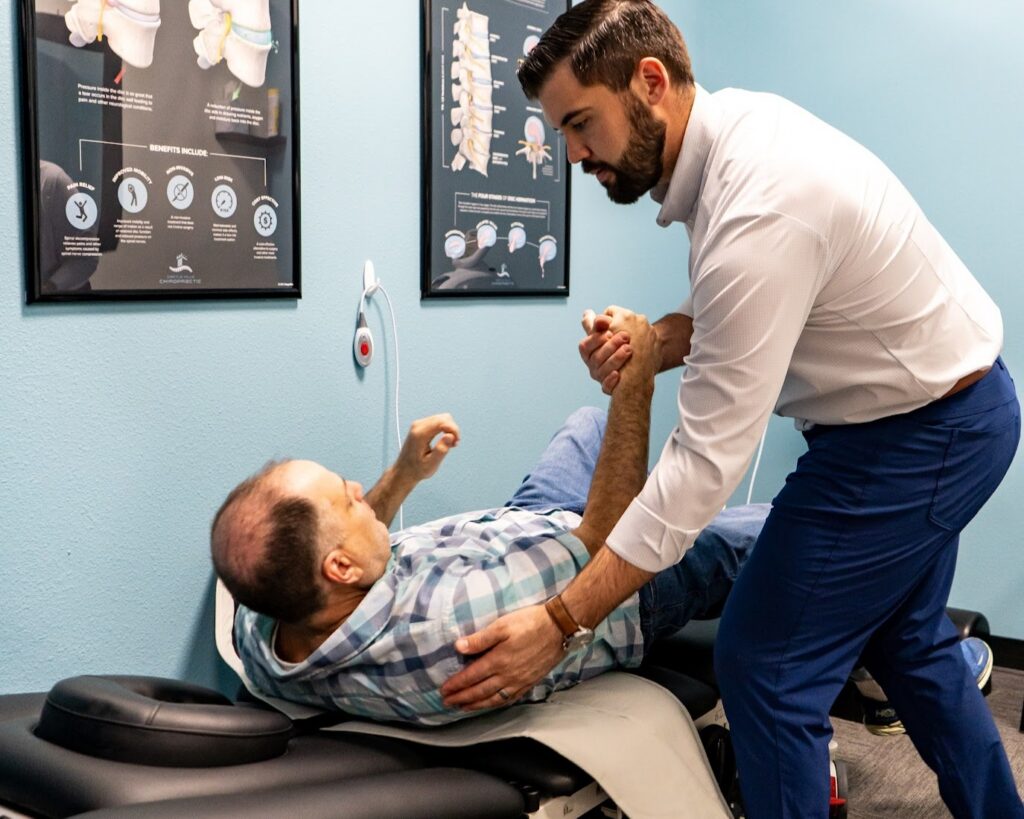

As a local chiropractor, I understand how debilitating migraines can be, and I’m here to share hope through a holistic approach to your health. Many of my patients find relief by first understanding the underlying causes and triggers of their migraines. By incorporating chiropractic adjustments into your routine, we can address tension and misalignments in your spine that may be contributing to your discomfort.
But chiropractic care is just one piece of the puzzle. It’s also important to recognize how factors like diet, hydration, and stress management play crucial roles in your overall well-being. By making informed choices in these areas, you can empower yourself to take control of your migraines and enhance your quality of life.
I encourage you to explore additional strategies that can support your journey to wellness. Together, we can develop a comprehensive plan tailored to your needs, so you can experience a more vibrant and pain-free life.
Understanding Migraines: Causes and Triggers
As a local chiropractor, I want to help you understand migraines, their causes, and how we can address them through natural healing approaches.
Migraines can arise from various factors, including genetic predisposition, hormonal fluctuations, and environmental influences. One common trigger that many people overlook is stress. By managing your stress levels through techniques such as chiropractic adjustments, relaxation exercises, or lifestyle changes, you may be able to reduce the frequency of your migraine attacks.
It’s important to pay attention to your diet as well; certain foods, like aged cheeses and processed meats, can trigger migraines for some individuals. Additionally, stimuli like bright lights or loud noises can contribute to your discomfort. Changes in your sleep patterns or not staying adequately hydrated can also play a significant role in triggering these painful episodes.
Keeping a migraine diary can be incredibly beneficial. By tracking your symptoms, triggers, and any relief methods you try, you can gain valuable insights into what specifically affects you. This information can empower us to develop a personalized care plan that may include chiropractic adjustments, nutritional guidance, and stress management techniques.
Understanding these causes and triggers is the first step toward finding effective relief and improving your overall well-being. Together, we can work to manage your migraines naturally and minimize their impact on your life.
The Role of Diet in Migraine Management
As a chiropractor, I often emphasize the importance of a holistic approach to health, including how your diet can significantly impact migraine management. Many individuals may not realize that certain foods can trigger migraines, while others can actually assist in preventing them.
It’s crucial to be mindful of what you consume to identify any potential triggers. Common culprits often include aged cheeses, processed meats, alcohol, and foods with MSG. Keeping a food diary can be an effective way to track your eating habits and the timing of your migraines.
On the other hand, there are many foods that can help alleviate headaches. Incorporating magnesium-rich foods such as spinach, nuts, and whole grains into your diet might reduce the frequency of your migraines.
Additionally, omega-3 fatty acids found in fatty fish and flaxseeds are known for their anti-inflammatory properties, which can also be beneficial. Regular meals are essential to maintain stable blood sugar levels, as fluctuations can trigger migraines.
Hydration: The Key to Preventing Headaches
As a local chiropractor, I want to emphasize the importance of staying properly hydrated for your overall health and well-being, especially when it comes to preventing headaches.
Many people may not realize that dehydration is a common trigger for headaches, which can interfere with your daily life and overall wellness. By prioritizing hydration, you can significantly decrease your chances of experiencing discomfort, including migraines.
Here are some practical tips to help you boost your hydration:
- Carry a water bottle: Keeping a reusable water bottle with you encourages you to sip water throughout the day, ensuring you stay hydrated.
- Set reminders: Utilize your smartphone or hydration apps to remind you to drink water regularly, helping you establish a consistent habit.
- Incorporate water-rich foods: Adding fruits and vegetables such as cucumbers, watermelon, and oranges to your meals can’t only enhance your nutrition but also contribute to your hydration levels.
- Be mindful of dehydrating beverages: While enjoying a cup of coffee or a glass of wine is perfectly fine in moderation, it’s essential to limit these drinks as they can lead to dehydration.
By being proactive about your hydration, you’ll support your body’s natural healing processes and improve your overall health.
Remember, your body functions best when it’s well-hydrated, which can help you avoid discomfort and enhance your quality of life.
If you have any questions about how hydration affects your health or how chiropractic care can complement your wellness routine, feel free to ask during your next visit!
Stress Reduction Techniques for Relief
As a local chiropractor dedicated to your overall wellness, I want to emphasize the significant impact that stress can have on your body, particularly in triggering headaches.
It’s crucial to incorporate effective stress reduction techniques into your daily routine to promote healing and alleviate discomfort.
One of the most beneficial practices is mindfulness meditation. Just dedicating a few minutes each day to quiet your mind can greatly reduce tension and create a sense of calm.
Additionally, deep breathing exercises are a fantastic tool; try inhaling deeply through your nose, holding for a few seconds, and then exhaling slowly through your mouth. This simple practice can help reset your nervous system and alleviate stress.
Don’t forget the importance of physical activity in managing stress. Whether you prefer a brisk walk, yoga, or even dancing, any form of movement can release endorphins—your body’s natural mood lifters.
Incorporating these activities into your weekly routine can promote not only physical health but also emotional well-being.
Another helpful technique is journaling. Writing down your thoughts and feelings allows you to process your emotions and gain clarity, which can be incredibly relieving.
Lastly, I encourage you to embrace the healing power of laughter. Watching a funny movie or spending quality time with friends can elevate your mood and significantly reduce stress levels.
By integrating these natural stress reduction techniques into your lifestyle, you can effectively manage stress and reduce the frequency of headaches.
As your chiropractor, I’m here to support you on your journey to better health and wellness!
The Importance of Sleep and Routine
As a local Chiropractor, I want to emphasize the vital connection between sleep quality and headache management.
Prioritizing your sleep isn’t just about getting enough hours; it’s about the quality of that sleep. Establishing a consistent sleep schedule is crucial—it allows your body to regulate its natural rhythms, making it easier for you to wake up feeling refreshed and rejuvenated.
When you commit to practicing good sleep habits, you’re not only enhancing your overall rest, but you’re also significantly reducing the likelihood of experiencing those frustrating headaches.
Remember, your body thrives on routine, and a good night’s sleep can be one of the best natural remedies for headache relief.
Let’s work together to improve your sleep and, in turn, your overall wellness.
Sleep Quality Matters
As a local chiropractor, I want to emphasize the importance of quality sleep and how it can significantly influence your overall health, especially if you experience headaches or migraines.
It’s not just about the number of hours you spend in bed; it’s about the restorative nature of that sleep. Your body needs adequate time to recharge and heal, and making some simple changes can help improve your sleep quality.
Here are a few tips I recommend to my patients:
- Establish a calming bedtime routine. This can help signal to your body that it’s time to wind down and prepare for restful sleep.
- Ensure your bedroom environment is conducive to sleep. Keeping it dark, cool, and quiet can minimize disruptions and help you stay asleep longer.
- Limit your screen time in the hour leading up to bed. This can enhance melatonin production, which is crucial for a good night’s sleep.
- Be mindful of what you consume in the evening. Heavy meals and caffeine can interfere with your ability to relax and fall asleep.
By focusing on these aspects, you can greatly enhance your sleep quality, which in turn can lead to improved well-being and a reduction in headache frequency and intensity.
Consistent Sleep Schedule
As your local chiropractor, I want to share how establishing a consistent sleep schedule can significantly enhance your overall well-being, especially if you’re dealing with headaches or migraines. When you go to bed and wake up at the same time each day, your body starts to regulate its internal clock, making it easier for you to fall asleep and wake up feeling rejuvenated. This predictability in your sleep pattern can help reduce the frequency of headaches.
It’s also important to minimize daytime naps, as they can interfere with your nighttime rest. Instead, consider creating a calming bedtime routine that signals to your body that it’s time to wind down. This could include activities such as gentle stretching, meditation, or reading.
Additionally, ensure that your sleep environment is comfortable and free from distractions, such as excessive noise or light.
By prioritizing a consistent sleep schedule, you’re not just improving your sleep quality, but you’re also taking a crucial step towards managing and preventing those bothersome migraines.
Exercise: A Natural Migraine Remedy
As a local chiropractor, I want to share with you the incredible benefits that exercise can have in managing migraines. Understanding how your body works and how to support it naturally is key to finding relief. Regular physical activity not only enhances your overall well-being but can also effectively alleviate migraine triggers.
Here’s how exercise can positively impact your migraine experience:
- Endorphin Release: Engaging in physical activity releases endorphins, the body’s natural painkillers. These chemicals can significantly enhance your mood while potentially reducing the frequency and intensity of migraines.
- Enhanced Blood Flow: Improved circulation through exercise helps to ease tension in the body, promoting a state of relaxation that’s essential for migraine management.
- Stress Reduction: As a chiropractor, I can’t emphasize enough how crucial it’s to manage stress. Regular exercise is a fantastic way to lower stress levels, which is a significant contributor to migraine occurrences.
- Better Sleep Quality: Physical activity is known to improve sleep quality. When you sleep better, you may experience fewer migraine attacks and a quicker recovery from those you do experience.
Incorporating activities such as walking, cycling, or yoga into your daily routine can be transformative. I encourage you to start slowly, be mindful of your body’s signals, and enjoy the process of moving towards a life with fewer migraines.
Identifying and Avoiding Triggers
As a chiropractor dedicated to helping you achieve optimal health and wellness, I want to share some insights on how to identify and avoid triggers that can lead to migraines. One effective method is to keep a detailed headache diary. This means recording the date, time, duration, and intensity of each migraine you experience, as well as what you ate, your daily activities, and any environmental factors that may have played a role. Over time, you may start to notice patterns that can help you identify specific triggers.
Common triggers for migraines often include certain foods, dehydration, stress, and insufficient sleep. Once you identify what might be causing your migraines, it’s important to take proactive steps to avoid these triggers. For instance, if you find that particular foods trigger your migraines, consider eliminating them from your diet.
Managing stress is also crucial; incorporating relaxation techniques like deep breathing or regular exercise can significantly help. Additionally, prioritizing hydration and maintaining consistent sleep patterns can make a big difference in your overall well-being.
It’s also vital to communicate your findings with your healthcare provider or chiropractor. We can work together to develop a comprehensive plan tailored to your needs, incorporating chiropractic adjustments and natural healing strategies.
Alternative Therapies: Acupuncture and More
When headaches occur, it’s important to consider natural healing methods that can provide relief.
As a local chiropractor, I want to introduce you to some alternative therapies that may help ease your discomfort. Techniques such as chiropractic adjustments, acupuncture, herbal remedies, and mindfulness practices can be effective in promoting balance and comfort in your body.
Let’s explore how these options work together to support your overall well-being and alleviate headache pain.
Acupuncture Techniques Explained
As a local chiropractor, I want to introduce you to an effective alternative for managing headaches that goes beyond traditional medication: acupuncture. This ancient practice focuses on specific points in the body to stimulate energy flow, promoting relaxation and alleviating pain.
Here’s what you can expect during an acupuncture session, which I often recommend as part of a holistic approach to wellness:
- Point Selection: I’ll work with the acupuncturist to identify the most effective points based on the type and location of your headaches.
- Needle Insertion: The acupuncturist will use thin, sterile needles that are gently inserted into the skin, often resulting in little to no discomfort.
- Duration: You’ll typically relax for about 20-40 minutes while the needles are in place, allowing your body to respond to the treatment.
- Follow-Up: To achieve lasting results, multiple sessions may be needed, tailored to your individual condition and response to the therapy.
Integrating acupuncture with chiropractic care can enhance your overall well-being and provide a natural way to manage headaches and other discomforts.
If you’re curious about how these treatments can work together, feel free to ask during your next visit!
Herbal Remedies for Relief
As your local chiropractor, I want to share some natural approaches that can help alleviate headaches, which often stem from tension and misalignment in the spine.
Incorporating herbal remedies into your wellness routine can be a beneficial complement to chiropractic care. For instance, feverfew is a well-known herb that may help reduce the frequency of migraines.
You might also consider using peppermint oil. When applied topically, it can provide soothing relief and help ease tension in the muscles around your head and neck.
Another excellent option is ginger tea; its anti-inflammatory properties may alleviate headache pain linked to muscular tension.
Chamomile is another herbal remedy that promotes relaxation, making it particularly effective for tension headaches.
Additionally, turmeric, with its active compound curcumin, is recognized for its anti-inflammatory benefits and can be a great natural addition.
Remember, while these herbal remedies can be helpful, it’s essential to consult with your healthcare provider before starting any new treatment, especially if you’re on other medications.
This ensures that the herbs you choose won’t interfere with your health or chiropractic care. Your well-being is our priority, and we’re here to support you on your journey to relief and wellness.
Mindfulness and Meditation Practices
As your local chiropractor, I want to emphasize the importance of incorporating mindfulness and meditation practices into your daily routine to help manage headaches effectively.
These techniques not only support your physical health but also play a significant role in enhancing your mental well-being, which can ultimately lead to a decrease in migraine episodes.
Here are some practical mindfulness practices to consider:
- Deep Breathing: By focusing on your breath, you can calm your mind and alleviate tension in your body, creating a more relaxed state that may help with headache relief.
- Guided Imagery: Use your imagination to visualize serene and peaceful scenes. This mental distraction can shift your focus away from the discomfort of a headache.
- Progressive Muscle Relaxation: This technique involves systematically tensing and then relaxing different muscle groups throughout your body, which can effectively release built-up stress and tension that may contribute to headaches.
- Mindfulness Meditation: This practice encourages you to stay present in the moment. By acknowledging your pain without judgment, you can create a more compassionate relationship with your body and your discomfort.
Integrating these mindfulness techniques alongside chiropractic care can significantly enhance your overall health and well-being.
If you’re interested in exploring these practices further, feel free to ask during your next visit!
When to Seek Medical Help
As a chiropractor, I want to help you understand when it’s important to seek medical help for headaches. Recognizing certain symptoms can be vital, as they may point to a more serious underlying issue. If you suddenly experience severe headaches that feel different from what you’re used to, it’s essential to consult a healthcare professional.
Additionally, if your headaches come with neurological symptoms—such as changes in your vision, weakness in your limbs, or difficulty with speech—don’t hesitate to seek assistance. These signs can indicate that something more significant is going on.
It’s also a good idea to reach out for help if your headaches are getting worse over time or if they don’t respond to over-the-counter pain relief options. If you’ve had a recent head injury and are experiencing headaches or if your headaches disrupt your daily activities, it’s important to talk to a doctor or a healthcare provider.
Lastly, if you notice headaches accompanied by symptoms like fever, a stiff neck, or a rash, these could be indicators of a serious condition that requires immediate attention.
Always trust your instincts about your health; prioritizing your well-being is vital. As a chiropractor, I’m here to support your journey to natural healing and wellness, so please don’t hesitate to reach out with any concerns.
Creating a Headache Diary for Better Insights
As a local chiropractor, I want to emphasize the importance of keeping a headache diary for those who may not be familiar with chiropractic care and natural healing methods.
By documenting the frequency of your headaches, noting their intensity, and tracking the remedies you try, you can uncover valuable insights into your pain patterns.
This simple yet effective practice not only helps you understand your headaches better but also aids us in developing a personalized treatment plan.
Track Frequency and Triggers
As a local chiropractor dedicated to your well-being, I want to help you understand how tracking the frequency and triggers of your headaches can provide invaluable insights into their underlying patterns and causes.
By keeping a headache diary, you can pinpoint specific factors that may contribute to your discomfort, which is an essential step in your journey toward natural healing.
Here are some important details to include in your diary:
- Date and time: Document when your headaches occur to identify any recurring patterns.
- Duration: Note how long your headaches last, as this can help us understand their severity.
- Possible triggers: Record any activities or foods consumed prior to the onset of your headaches. This information can reveal lifestyle factors that may need to be addressed.
- Environmental factors: Pay attention to any changes in weather conditions or stress levels that might correlate with your headaches.
By taking this proactive approach, you empower yourself to make informed decisions about your lifestyle and explore natural treatment options that can enhance your overall health.
Note Symptom Severity Levels
As a local chiropractor, I want to emphasize the importance of understanding the severity of your headaches in conjunction with tracking potential triggers. Keeping a headache diary can be a valuable tool for you. By documenting the intensity of each headache episode on a scale from 1 to 10—where 1 represents mild discomfort and 10 signifies the most intense pain—you can gain insights into your condition that can benefit both you and your healthcare provider.
In addition to the pain scale, it’s crucial to note any accompanying symptoms such as nausea or sensitivity to light. These symptoms can provide important clues about the severity of your headaches and how they may be affecting your overall well-being.
By regularly reviewing your diary, you can identify patterns and changes over time, which can lead to a better understanding of your headaches. This information isn’t only helpful for tracking your symptoms but also plays a vital role in developing effective, natural management strategies.
As we explore chiropractic care and other holistic approaches, having a clear picture of your headache experiences will empower us to create a tailored plan that addresses your unique needs. Together, we can work towards alleviating your discomfort and improving your quality of life.
Identify Effective Remedies Used
As a local chiropractor, I want to share some effective remedies that can help alleviate headache pain, especially for those who may not be familiar with chiropractic care and natural healing practices.
It’s important to understand the various approaches you can take to find relief. Here are some remedies to consider:
- Over-the-counter pain relievers: While medications like ibuprofen or acetaminophen can provide quick relief, I encourage you to explore natural alternatives as well.
- Hydration: Staying well-hydrated is crucial, as dehydration can often trigger headaches. Make it a habit to drink plenty of water throughout the day.
- Rest in a dark, quiet room: Taking the time to rest in a calm environment can help your body relax and reduce headache intensity.
- Cold or warm compress: Applying a cold or warm compress to your head or neck can help soothe tension and improve circulation, providing natural relief.
Additionally, I recommend maintaining a headache diary to track your experiences and remedies. This can help you identify which methods work best for you.
Conclusion
As a local chiropractor, I’m here to help you understand how incorporating chiropractic adjustments, mindful hydration, and a balanced diet can significantly improve your management of migraines. It’s essential to recognize that stress management and quality sleep are vital components of your overall health, and they can have a direct impact on the frequency and intensity of your headaches.
I encourage you to pay attention to your personal migraine triggers, as identifying these can be a game changer in your treatment plan. Additionally, exploring alternative therapies, such as acupuncture, can provide you with even more options for relief. By integrating these strategies into your daily routine, you can take control of your health and experience fewer headaches, leading to a more comfortable life. Remember, you have the power to feel better, and I’m here to support you on this journey!