
You might think that a positive attitude is the key to feeling better, but have you considered how your spine plays a role in your overall well-being? The connection between spinal alignment and mental health is profound—when your posture is off, it can affect not just your body but your mood as well. By making adjustments to your spine, you could open up a new level of confidence and resilience. So, what are the specific steps you can take to improve both your physical and mental state?
The Spine-Mind Connection
Your spine plays an essential role not just in providing structure to your body, but also in influencing your mental well-being. You mightn't realize it, but the alignment of your spine can impact your mood and stress levels. When your spine is misaligned, you may experience physical discomfort, which can lead to irritability or anxiety. That discomfort can create a cycle where stress builds up, further affecting your posture and exacerbating the problem.
Think about how you feel when you're standing tall versus when you're slouched. A straight spine often correlates with confidence and positivity, while poor posture can make you feel defeated and low. Your brain processes these sensations, sending signals that affect your emotions. When your spine is aligned, your body is better equipped to handle stress and maintain a positive outlook.
Moreover, the nervous system runs through your spine, connecting your brain to the rest of your body. If your spine is out of alignment, it can disrupt these signals, causing a cascade of issues that affect both your physical and mental health. You may find it harder to concentrate or feel motivated when your spine isn't in its ideal position.
Taking care of your spine isn't just about physical health; it's about nurturing your mental state too. By prioritizing spinal health, you're investing in your overall well-being, creating a strong foundation for a happier, more balanced life.
Benefits of Spinal Alignment
When you focus on spinal alignment, you'll notice enhanced posture that boosts your confidence and presence.
It also improves nerve function, allowing your body to communicate better.
Plus, proper alignment can greatly reduce pain levels, making daily activities much more enjoyable.
Enhanced Posture Benefits
Proper spinal alignment transforms your posture, leading to a multitude of benefits that extend beyond mere aesthetics. When you stand tall with a straight spine, you naturally project confidence, which can positively influence how others perceive you. This newfound confidence can enhance your social interactions and even improve your chances in professional settings.
Additionally, improved posture reduces strain on your muscles and joints. You'll find that daily activities, like sitting at your desk or lifting items, become easier and less painful. With less strain, you'll likely experience fewer headaches and less back pain, which can greatly enhance your overall quality of life.
Good posture also promotes better breathing. When your spine is aligned, your lungs have more room to expand, allowing you to take deeper breaths. This can lead to increased energy levels and a greater sense of well-being.
Finally, maintaining proper posture can improve your digestion. When your spine is aligned, it creates space for your internal organs to function more efficiently. By focusing on your spinal alignment, you're not just improving how you look; you're also enhancing how you feel and function in daily life.
Improved Nerve Function
As spinal alignment improves, nerve function can greatly benefit, enhancing overall health. When your spine is properly aligned, it guarantees that your nervous system operates at its best.
Nerves, which transmit signals between your brain and the rest of your body, can become compressed or irritated due to misalignment. This can lead to disruptions in communication, affecting everything from your muscle coordination to organ function.
By adjusting your spine, you're not just fixing your posture; you're creating a clear pathway for nerve signals. Improved alignment allows your nervous system to send and receive messages more efficiently, promoting better bodily function.
You may notice enhanced energy levels, improved digestion, and even a sharper mental focus as your body begins to work in harmony.
Moreover, better nerve function can help regulate your body's systems more effectively, leading to improved immune responses and overall liveliness. When your spine is aligned, you're giving your body the support it needs to thrive.
Reduced Pain Levels
Spinal alignment plays an essential role in reducing pain levels throughout your body. When your spine is properly aligned, it allows for ideal movement and function, minimizing stress on your muscles and joints. This means less strain and discomfort. You may notice that daily activities, like sitting or standing, become less painful as your spine settles into its natural position.
Poor spinal alignment can lead to muscle tension and chronic pain, particularly in your back, neck, and shoulders. By correcting your posture and ensuring your spine is aligned, you can alleviate these issues. Many people find that regular chiropractic adjustments not only help with immediate pain relief but also contribute to long-term comfort.
Moreover, as your spine aligns, you may experience enhanced blood circulation, which can further reduce inflammation and promote healing. This holistic approach helps you regain mobility and improves your overall well-being.
Incorporating exercises that strengthen your core and stretch your muscles can also support spinal alignment. By taking these steps, you can enjoy a significant reduction in pain levels, empowering you to live your life more fully and actively.
Don't underestimate the impact of a well-aligned spine!
Common Spinal Issues
You mightn't realize it, but poor posture can lead to various spinal issues that affect your overall health.
Symptoms like pain from a herniated disc or the discomfort of spinal misalignment can sneak up on you.
Understanding these common problems is essential for maintaining a healthy spine.
Poor Posture Consequences
Poor posture can lead to a range of common spinal issues that affect daily life and overall health. When you slouch or hunch over, you put unnecessary strain on your spine, which can result in pain and discomfort. You might experience tension in your neck and shoulders, which can make it hard to focus or enjoy activities.
Over time, poor posture can lead to more serious issues like spinal misalignment. This misalignment might cause chronic pain, limiting your mobility and affecting your quality of life. You may also face increased fatigue, as your body has to work harder to maintain balance and stability.
Additionally, poor posture can impact your breathing and digestion. When your spine is out of alignment, it can compress your internal organs, leading to feelings of discomfort and reduced energy levels.
It's essential to recognize these consequences and take action. By addressing your posture now, you can prevent these common spinal issues and improve your overall well-being.
Start making small adjustments in your daily habits, and you'll likely notice a significant difference in how you feel.
Herniated Disc Symptoms
When experiencing the consequences of poor posture, one common issue that can arise is a herniated disc. You might feel sharp pain in your lower back or neck, often radiating down into your arms or legs. This pain can be debilitating, making it difficult to perform everyday tasks.
You may also notice a tingling or numb sensation in these areas, which signals that nerves are being affected. Additionally, muscle weakness can occur, causing you to struggle with lifting objects or maintaining your balance.
If you try to bend or twist, you might feel a sudden increase in pain, making even simple movements challenging. Sometimes, you may experience a dull ache in your back or neck that doesn't seem to go away, which can lead to frustration.
If you find yourself unable to sit or stand comfortably, it's essential to pay attention to these symptoms. Ignoring them can worsen your condition, leading to more severe complications.
If you suspect you have a herniated disc, consulting a healthcare professional can help you get on the right track to recovery. Remember, addressing these symptoms early can make a significant difference in your healing process.
Spinal Misalignment Effects
Spinal misalignment can lead to a range of common issues that affect your overall well-being. When your spine's vertebrae shift out of their proper positions, it can cause pain, stiffness, and discomfort in your back and neck. You might notice persistent headaches or migraines, as tension builds up in the muscles surrounding your spine.
Additionally, misalignment can impact your posture, leading to slouching or uneven shoulders. This not only affects your appearance but can also strain your muscles and ligaments, resulting in chronic pain. You might find yourself feeling fatigued more easily, as your body struggles to compensate for the misalignment.
Your nervous system can also suffer. A misaligned spine can interfere with nerve function, which may manifest as numbness or tingling in your limbs. This disruption can hinder your body's ability to communicate effectively, affecting everything from coordination to digestion.
If you're experiencing any of these symptoms, it's essential to seek help. A chiropractor or healthcare professional can assess your spinal health and recommend appropriate treatments to restore alignment and improve your overall well-being.
Don't ignore the signs—your spine deserves attention!
Posture's Impact on Mood
Your posture can considerably influence your mood, often in ways you mightn't realize. When you slouch or hunch over, it doesn't just affect your spine; it alters your feelings and overall outlook.
Picture yourself sitting at your desk with rounded shoulders and a lowered head. You're likely to feel more fatigued, anxious, or even depressed. This physical posture sends signals to your brain, reinforcing negative emotions.
Conversely, standing tall with your shoulders back can lift your spirits. Engaging in an upright posture can boost your confidence and energy levels. Research shows that adopting a more open and expansive posture can enhance your mood and even make you feel more powerful.
It's a simple change that can have a profound impact on how you perceive your day.
You might notice that when you're feeling down, you tend to withdraw physically, making yourself smaller. On the flip side, when you're happy or excited, you naturally adopt a more open stance.
Exercises for Spinal Health
To maintain a healthy spine, incorporating specific exercises into your routine is essential. Strengthening the muscles that support your spine can prevent injuries and improve your posture. Start with core exercises like planks and bridges. These movements engage your abdominal and back muscles, creating a strong foundation for your spine.
Next, focus on flexibility with stretches that target your back and hips. The cat-cow stretch is excellent for spinal mobility; it warms up your spine and promotes flexibility. Try the child's pose, too. It gently stretches the lower back and relieves tension.
Incorporate strength training exercises like bird-dogs, which help enhance coordination and stability. To perform a bird-dog, get on your hands and knees, extend one arm forward while extending the opposite leg back, and hold for a moment before switching sides. This exercise promotes balance and strengthens your core.
Don't forget the importance of your posture during these exercises. Maintain a neutral spine throughout your workouts to avoid strain and injury.
Additionally, consider adding yoga or Pilates to your routine. These practices focus on alignment, flexibility, and core strength, making them perfect for spinal health.
Finally, remember to listen to your body. If you feel pain during any exercise, stop immediately and reassess your form or consult a professional.
Chiropractic Care Explained
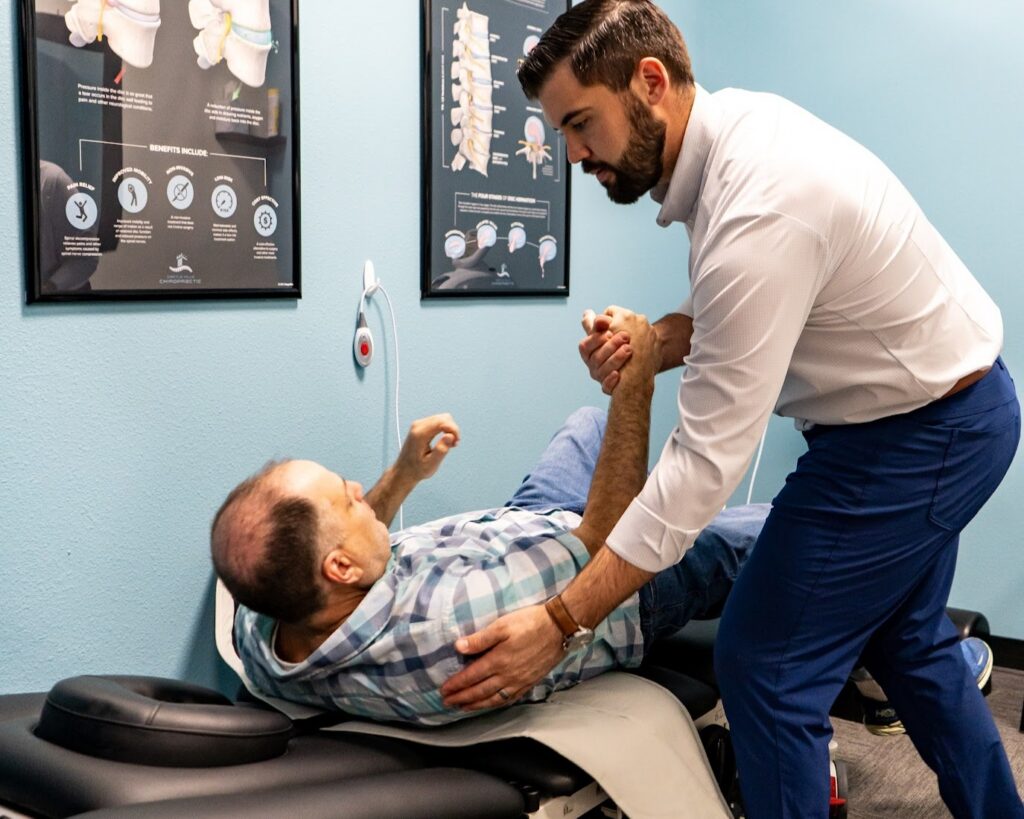
Chiropractic care offers a hands-on approach to maintaining and enhancing spinal health. It's not just about cracking your back—it's a thorough treatment that focuses on your entire musculoskeletal system. When you visit a chiropractor, they'll assess your spine and its alignment, helping you understand how it affects your overall well-being.
Here are some key benefits you can expect from chiropractic care:
- Pain Relief: Alleviating discomfort in your back, neck, and joints using targeted adjustments.
- Improved Mobility: Enhancing your range of motion, making daily activities easier and more enjoyable.
- Better Posture: Addressing alignment issues to help you stand tall and reduce strain on your body.
During your sessions, you'll receive personalized adjustments tailored to your specific needs. These adjustments can realign your vertebrae, relieve nerve pressure, and promote ideal function throughout your body.
You'll often find that chiropractic care not only addresses existing pain but also helps prevent future issues.
It's important to note that chiropractic care goes hand in hand with regular check-ups. Consistent visits can help maintain the progress you've made, ensuring that your spine stays healthy as you go about your daily life.
Lifestyle Changes for Better Posture
Making simple lifestyle changes can considerably improve your posture and overall spinal health. Start by being mindful of how you sit. If you spend long hours at a desk, invest in an ergonomic chair that supports your lower back. Adjust your monitor to eye level and keep your feet flat on the floor.
Taking regular breaks to stand, stretch, and walk around can help alleviate the tension that builds up from prolonged sitting.
Next, pay attention to your body mechanics when lifting heavy objects. Always bend at the knees, not the waist, and keep the load close to your body. This technique minimizes strain on your back and helps maintain proper alignment.
Incorporating strength and flexibility exercises into your routine, such as yoga or Pilates, can also contribute to better posture. These activities strengthen the core muscles that support your spine and improve flexibility.
Another vital aspect is your sleeping position. Choose a mattress that provides adequate support and a pillow that keeps your neck aligned with your spine. Sleeping on your back or side is generally better for your posture than sleeping on your stomach.
Lastly, stay active and maintain a healthy weight. Extra weight, especially around the midsection, can pull your spine out of alignment. Regular physical activity not only helps with weight management but also strengthens the muscles that support your spine.
Mental Health and Physical Wellness
How often do you consider the connection between your mental health and physical wellness? The truth is, they're deeply intertwined. When your mind feels heavy, your body often follows suit. Stress and anxiety can manifest in physical symptoms, impacting your posture, muscle tension, and overall health.
It's essential to recognize how your mental state can affect your physical wellness.
Here are a few ways to bridge the gap between mental health and physical wellness:
- Mind-Body Practices: Activities like yoga and tai chi can help harmonize your mental and physical states. They encourage relaxation and improve flexibility, enhancing both your physical posture and mental clarity.
- Regular Exercise: Physical activity releases endorphins, the body's natural mood lifters. Even a brisk walk can elevate your mood and improve your posture, making you feel more confident and energized.
- Mindfulness and Meditation: Taking a few moments to breathe deeply and meditate can reduce stress and promote a sense of peace. This practice can also help you become more aware of your body, leading to better posture and alignment.
Conclusion
By prioritizing your spinal health, you're not just improving your physical well-being; you're also boosting your mental state. When you align your spine, you enhance your mood, confidence, and resilience. Implementing exercises, chiropractic care, and simple lifestyle changes can lead to lasting benefits. So, stand tall and take charge of your posture—it's a powerful step toward a happier, healthier life. Remember, a well-aligned spine supports a vibrant mind!