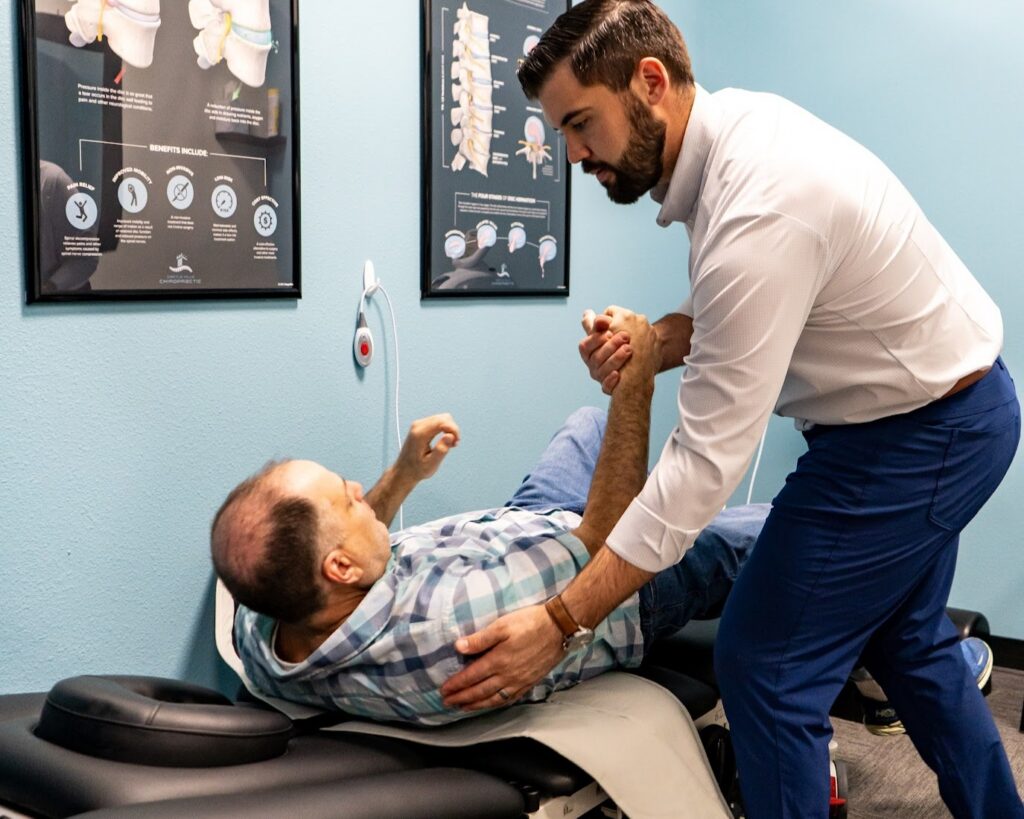
When you consider the complexities of your health, it's clear that a one-size-fits-all approach often falls short. Tailored treatments, which take into account your unique genetics, lifestyle, and specific health challenges, can greatly enhance your health journey. By personalizing care, these strategies not only improve the effectiveness of treatments but also help minimize side effects. You might wonder how this individualized approach can empower you to take control of your health and lead to better outcomes. Let's explore what sets tailored treatments apart and how they can impact your well-being.
Understanding Tailored Treatments
Tailored treatments are revolutionizing how we approach healthcare, offering personalized strategies that cater to your unique needs. Instead of a one-size-fits-all approach, these treatments focus on the individual, taking into account your genetics, lifestyle, and specific health conditions. By understanding your personal health profile, healthcare providers can develop customized interventions that are more effective and efficient.
You might wonder how this personalization works. It begins with an in-depth analysis of your medical history and current health status. Your provider might recommend various tests to gather valuable data, which will inform a treatment plan designed just for you. This could involve selecting medications that are more likely to work based on your genetic makeup or suggesting lifestyle changes that fit seamlessly into your daily routine.
The beauty of tailored treatments lies in their adaptability. As you progress, your healthcare provider can adjust your plan based on how you respond. If a particular treatment isn't yielding the desired results, they can pivot to alternative strategies that better align with your needs.
This dynamic approach empowers you to take an active role in your health journey, ensuring that you're not just another statistic. Ultimately, understanding tailored treatments means recognizing the importance of personalization in healthcare. By embracing this approach, you can experience more effective care, leading to improved health outcomes and a better quality of life.
The Science Behind Personalization
When it comes to your health, understanding the genetic influences at play is essential.
Your individual lifestyle factors also play a significant role in how treatments work for you.
Genetic Influences on Health
Genetics play an essential role in shaping your health, influencing everything from your susceptibility to certain diseases to your response to medications. Understanding these genetic influences allows for more personalized health strategies that can greatly enhance your well-being.
Here are a few key aspects of how genetics impacts your health:
- Disease Risk: Certain genetic markers can indicate a higher risk for conditions like heart disease, diabetes, and cancer.
- Medication Efficacy: Your genetic makeup can affect how well specific medications work for you, determining the right dosage and treatment plan.
- Nutritional Needs: Genetic variations can influence how your body processes nutrients, which can guide dietary choices for ideal health.
- Lifestyle Compatibility: Knowing your genetic predispositions helps tailor lifestyle changes, making them more effective and sustainable.
Individual Lifestyle Factors
Understanding how individual lifestyle factors influence your health is essential for creating effective, personalized strategies. Your daily habits, including diet, exercise, sleep, and stress management, all play critical roles in your overall well-being.
For instance, if you're someone who leads a sedentary lifestyle, incorporating regular physical activity can greatly improve your health outcomes. Conversely, if you're already active, tweaking your exercise routine might yield even better results.
Nutrition is another important aspect. The foods you choose directly affect your energy levels, mood, and even your immune system. Tailoring your diet to fit your specific needs—whether that means focusing on whole foods, managing portion sizes, or avoiding certain allergens—can lead to substantial health improvements.
Sleep quality shouldn't be overlooked either. A well-rested body can handle stress more effectively, promote better cognitive function, and enhance physical performance.
Finally, how you manage stress can greatly impact your health. Techniques like mindfulness, meditation, or even simple breathing exercises can help you navigate daily challenges more effectively.
Customized Treatment Plans
As you explore the world of customized treatment plans, it's clear that personalization is key to achieving ideal health outcomes. Tailoring your treatment to your unique needs can greatly enhance effectiveness and satisfaction.
By considering your individual circumstances, healthcare providers can create a plan that works specifically for you.
Here are some essential elements that define a successful customized treatment plan:
- Genetic Factors: Understanding your genetic makeup can help guide medication choices and dosages.
- Lifestyle Choices: Your daily habits, including diet and exercise, play a vital role in how treatments work.
- Medical History: Past health issues can inform current treatment decisions, ensuring a safer approach.
- Personal Preferences: Your comfort and preferences regarding treatment methods can enhance adherence and overall satisfaction.
Benefits of Customized Healthcare
When you choose customized healthcare, you get personalized treatment plans that cater specifically to your needs.
This approach not only improves your health outcomes but also enhances your engagement in the treatment process.
You'll feel more empowered and connected to your care, making it a truly collaborative experience.
Personalized Treatment Plans
Crafting personalized treatment plans can significantly enhance your healthcare experience. When your treatment is tailored specifically to your needs, you're more likely to see positive outcomes. You won't just be another patient; you'll be an individual with unique health challenges and goals.
Here are some key benefits of personalized treatment plans:
- Targeted Approaches: Treatments are designed to address your specific health concerns, leading to more effective solutions.
- Improved Effectiveness: Customized plans often result in superior outcomes compared to one-size-fits-all approaches.
- Reduced Side Effects: With targeted treatments, you're less likely to experience unnecessary side effects from ineffective medications.
- Informed Decision-Making: You'll have the opportunity to discuss various options with your healthcare provider, empowering you to make informed choices about your health.
Enhanced Patient Engagement
Customized healthcare not only focuses on individual needs but also fosters greater patient engagement. When you feel your treatment plan is designed just for you, it naturally motivates you to take an active role in your health journey.
You're more likely to ask questions, express concerns, and share your preferences, which leads to a more collaborative relationship with your healthcare provider. This engagement empowers you to make informed decisions about your treatment. You know what works best for you, and that knowledge can drive better outcomes.
Tailored approaches often include educational resources and tools that resonate with you, making it easier to understand your condition and treatment options. Moreover, when you feel heard and valued, your satisfaction with the healthcare experience increases.
You'll likely adhere to treatment protocols more consistently, knowing they align with your lifestyle and preferences. The result? Improved health outcomes and a more positive journey.
In essence, enhanced patient engagement through customized healthcare transforms your experience from passive to active, ensuring you're not just a recipient of care but a crucial participant in your own health narrative.
Genetic Factors in Treatment Plans
Genetic factors play an essential role in shaping treatment plans tailored to individual patients. By understanding your unique genetic makeup, healthcare providers can better predict how you'll respond to various treatments. This personalized approach increases the likelihood of successful outcomes and minimizes the chances of adverse effects.
Here are some key aspects of how genetics influence treatment plans:
- Drug Metabolism: Your genetic profile can determine how your body metabolizes medications, affecting their efficacy and safety.
- Disease Susceptibility: Certain genetic markers can indicate your risk for specific diseases, helping doctors recommend proactive measures.
- Treatment Response: Genetics can influence how well you respond to particular therapies, allowing for adjustments as needed.
- Side Effects: Understanding your genetic predispositions can help identify potential side effects, enabling your doctor to choose safer alternatives.
Having this information empowers you to engage actively in your healthcare decisions. When you collaborate with your healthcare team, you'll be able to make informed choices about your treatment options.
Genetic testing can provide insights that lead to more effective and safer therapies tailored specifically to you.
Incorporating genetic factors into treatment plans not only enhances your health journey but also fosters a deeper understanding of the complexities of your body.
Ultimately, this personalized approach can transform the way you experience healthcare, making it more effective and aligned with your unique needs.
Lifestyle Considerations and Health
When it comes to your health, lifestyle choices can make or break your treatment outcomes. Your daily habits, from diet and exercise to sleep and stress management, greatly influence how well tailored treatments work for you. A balanced diet rich in nutrients can enhance your body's ability to respond to medications and therapies, while poor nutrition can hinder your progress.
Regular physical activity is essential too. It not only improves your overall health but also boosts your mood and energy levels, which can be beneficial during treatment. Even simple activities like walking or stretching can make a difference.
Sleep plays an important role in your healing process as well. Quality rest allows your body to recover and regenerate, making it easier for treatments to take effect. Aim for 7-9 hours of sleep each night to give your body the rest it deserves.
Don't underestimate the impact of stress on your health journey. Chronic stress can lead to inflammation and other health issues that might complicate treatment. Incorporating mindfulness practices, like meditation or deep-breathing exercises, can help you manage stress effectively.
Lastly, your social environment matters. Surrounding yourself with supportive friends and family can provide motivation and encouragement, making it easier for you to stick to your health goals.
Enhancing Patient Engagement
Your active participation in your healthcare can greatly enhance the effectiveness of tailored treatments. When you engage with your healthcare providers and take charge of your health journey, you create a dynamic partnership that leads to better outcomes.
Engaging actively allows you to understand your treatment plan, voice your concerns, and provide valuable feedback.
Here are some ways you can enhance your engagement:
- Ask Questions: Don't hesitate to seek clarification on any aspect of your treatment. The more you know, the more empowered you'll feel.
- Track Your Progress: Keep a journal or app to monitor your symptoms and responses to treatments. This data can help your provider make informed adjustments.
- Communicate Openly: Share any side effects or challenges you face. Honest communication helps you and your provider tailor the treatment to better suit your needs.
- Stay Informed: Research your condition and treatment options. Understanding available choices can help you make informed decisions in collaboration with your healthcare team.
Overcoming Common Healthcare Challenges
Maneuvering the healthcare system can feel overwhelming, but tackling common challenges head-on is essential for effective treatment. You might find yourself facing issues like long wait times, confusing insurance policies, or difficulty in accessing specialists. To overcome these hurdles, start by being proactive in your healthcare journey.
First, get familiar with your insurance plan. Understand what services are covered and how referrals work. This knowledge can save you time and money. If you're unsure, don't hesitate to contact your insurance provider for clarification.
Next, make a list of your healthcare needs and prioritize them. This will help you stay focused during appointments and guarantee you address your most pressing health concerns. Always come prepared with questions, as this empowers you to take an active role in your treatment.
Additionally, consider using technology to your advantage. Many healthcare providers offer online portals where you can schedule appointments, access test results, and communicate with your healthcare team. This can streamline your experience and give you more control over your health.
Lastly, don't underestimate the power of a support system. Engage family or friends to help you navigate the process, especially when dealing with complex medical issues. They can accompany you to appointments, provide emotional support, or even help with research about treatment options.
Real-Life Success Stories
Celebrating real-life success stories can inspire hope and motivation in anyone facing health challenges. When you hear about others who've transformed their health through tailored treatments, it reminds you that change is possible.
These stories highlight the power of personalization in medicine and show how individualized approaches lead to remarkable outcomes.
Here are some inspiring examples of real-life success stories:
- John's Journey: After struggling with obesity for years, John embraced a personalized nutrition and fitness plan. Within months, he lost over 50 pounds and improved his overall health.
- Lisa's Victory: Diagnosed with a chronic autoimmune condition, Lisa found relief through a treatment plan tailored to her specific symptoms. Today, she leads an active life, free from debilitating flare-ups.
- Mark's Transformation: Following a heart attack, Mark adopted a customized heart health program, focusing on medication, diet, and exercise. Now, he's not only healthier but also more engaged with his family.
- Sophia's Success: After battling depression for years, Sophia received a personalized therapy plan that addressed her unique emotional needs. With ongoing support, she's thriving and enjoying life again.
These success stories remind you that every health journey is unique, and tailored treatments can lead to significant improvements.
They serve as a beacon of hope, showing you that with the right approach, you too can achieve your health goals.
The Future of Personalized Medicine
The future of personalized medicine holds immense promise, with advancements in technology and research paving the way for more precise and effective treatments.
Imagine a world where your healthcare is tailored specifically to your genetic makeup, lifestyle, and unique health conditions. This isn't just a dream; it's becoming a reality as genomic sequencing and data analytics evolve.
You're likely to see a shift from the one-size-fits-all approach to treatments that are as unique as you are. With the help of artificial intelligence, healthcare providers can analyze vast amounts of data to identify patterns and predict how you might respond to various treatments. This means you'll receive therapies that are more effective and have fewer side effects.
Moreover, wearable technology and mobile health apps are set to revolutionize how you manage your health. These tools will allow you to track your crucial signs and activity levels in real-time, providing valuable data that can inform your treatment plan.
You'll also have the opportunity to engage in preventative care, reducing the risk of chronic diseases before they start.
As research continues to uncover new biomarkers and therapeutic targets, you can expect ongoing refinement in treatment strategies. This will empower you to take control of your health journey, making informed decisions based on the most relevant information about your body.
The future of personalized medicine isn't just about better treatments; it's about redefining your relationship with healthcare, ensuring that your needs are at the forefront of every decision.
Conclusion
Tailored treatments truly transform your health journey by putting you at the center of your care. By considering your unique genetics and lifestyle, these personalized approaches enhance treatment effectiveness and minimize side effects. You gain the power to engage actively in your healthcare, making informed decisions that lead to better outcomes. As personalized medicine continues to evolve, you can look forward to an even more fulfilling and effective healthcare experience that meets your specific needs.