
If you're feeling overwhelmed by anxiety, you might be surprised to learn how simple adjustments in your daily life can make a significant impact. By understanding your anxiety triggers and incorporating mindful practices, you can create a more balanced routine that promotes calmness and resilience. From the benefits of physical activity to nurturing social connections, these changes can empower you to better handle stress. But what specific strategies can you implement today to start this journey? Let's explore some effective adjustments that could transform your approach to anxiety.
Understanding Anxiety Triggers
Recognizing anxiety triggers is vital for managing your mental health. Triggers are specific situations, events, or even thoughts that provoke feelings of anxiety. By identifying these triggers, you can take proactive steps to minimize their impact on your life.
Start by paying attention to your emotional responses in various scenarios. Notice when anxiety creeps in—what were you doing or thinking just before it happened?
It can be helpful to keep a journal. Write down moments when you feel anxious, detailing the context and your feelings. Over time, you'll begin to see patterns emerge. Maybe crowded places make you uneasy, or perhaps certain conversations with friends leave you feeling on edge. Recognizing these patterns can empower you to anticipate and manage your anxiety more effectively.
Don't forget to reflect on internal triggers as well. These could be negative self-talk, past traumas, or looming deadlines. They often sneak up on you when you least expect it. By acknowledging these internal triggers, you can work on reframing negative thoughts or breaking the cycle of anxiety that follows.
Lastly, remember that everyone's triggers are unique. What causes anxiety for one person mightn't affect another. Be patient with yourself as you navigate this process.
Understanding your triggers is a significant step towards reducing anxiety and reclaiming your mental well-being. Embrace the journey of self-discovery, and let it guide you to a more balanced life.
Benefits of Lifestyle Changes
Once you've identified your anxiety triggers, making lifestyle changes can greatly enhance your mental well-being. Simple adjustments in your daily routine can markedly reduce stress and improve your overall mood.
For instance, incorporating regular exercise into your life not only boosts your physical health but also releases endorphins, the body's natural mood lifters. Whether it's a brisk walk, yoga, or dancing, find an activity you enjoy and stick with it.
Another effective change is prioritizing sleep. Quality sleep is essential for emotional regulation and cognitive function. Aim for 7-9 hours of sleep each night. Establishing a consistent sleep schedule can help you fall asleep faster and wake up feeling refreshed.
Nutrition also plays an important role in managing anxiety. Eating a balanced diet rich in whole foods, fruits, vegetables, and healthy fats can stabilize your mood and energy levels. Avoiding excessive caffeine and sugar can prevent spikes in anxiety that often come with energy crashes.
Additionally, reducing your screen time, especially before bed, can help you unwind and lower anxiety levels. Engaging in hobbies, spending time in nature, or connecting with loved ones can also provide a much-needed break from daily stressors.
Lastly, setting realistic goals and practicing self-compassion can help you navigate your challenges more effectively.
Incorporating Mindfulness Practices
Incorporating mindfulness practices into your daily routine can greatly enhance your ability to manage anxiety. Mindfulness helps you become more aware of your thoughts and feelings without judgment, allowing you to observe your anxiety rather than becoming overwhelmed by it. By dedicating just a few minutes each day to mindfulness, you can create a sense of calm that extends throughout your life.
One effective method is mindful breathing. Take a few moments each day to focus solely on your breath. Inhale deeply through your nose, hold for a moment, and exhale slowly through your mouth. This simple exercise can ground you and bring your attention back to the present, easing anxious thoughts.
Another practice is body scan meditation. Lie down comfortably and mentally scan your body from head to toe, paying attention to any areas of tension. Acknowledge those sensations without trying to change them. This can help you release built-up stress and connect with your physical self.
You can also incorporate mindfulness into daily activities. Whether you're eating, walking, or even showering, focus on the sensations and experiences in that moment. Notice the taste of your food, the sound of your footsteps, or the warmth of the water.
The Role of Physical Activity
When you engage in regular physical activity, you're not just working on your fitness; you're boosting your mental health too.
Movement can greatly reduce stress levels, helping you feel more relaxed and focused.
Exercise and Mental Health
Regular exercise greatly boosts mental health by reducing anxiety and improving overall well-being. When you engage in physical activity, your body releases endorphins, the natural mood lifters. These chemicals help create feelings of happiness and euphoria, making it easier for you to cope with daily stressors.
Incorporating regular workouts into your routine can also enhance your self-esteem. As you see improvements in your physical abilities or reach fitness goals, you'll likely feel more confident and empowered. This boost in self-worth directly translates to reduced anxiety levels.
Moreover, exercise provides a healthy outlet for frustration and negative emotions. Instead of bottling up feelings, you can channel them into your workouts. Whether it's a brisk walk, a dance class, or a weightlifting session, moving your body can help clear your mind.
Finally, working out often fosters social connections. Joining a group or class allows you to meet new people who share similar interests, reducing feelings of isolation and loneliness.
Movement Reduces Stress
Movement plays an essential role in reducing stress by providing an effective outlet for releasing built-up tension. When you engage in physical activity, your body produces endorphins, which are natural mood lifters.
You'll find that moving your body not only distracts you from stressors but also helps you gain a sense of control and accomplishment.
Here are three ways movement can help you alleviate stress:
- Walking in Nature: Picture yourself strolling through a lush park, surrounded by trees and fresh air. This calming environment can greatly lower your stress levels.
- Dancing: Imagine letting loose on the dance floor, feeling the rhythm and allowing your body to flow. Dancing is a joyful way to express yourself while shaking off tension.
- Yoga: Visualize yourself in a serene space, focusing on your breath and flowing through poses. Yoga combines movement, mindfulness, and deep breathing, making it a powerful stress-reliever.
Incorporating these activities into your routine can help you manage stress effectively, leaving you feeling more balanced and centered.
Seeking Professional Support
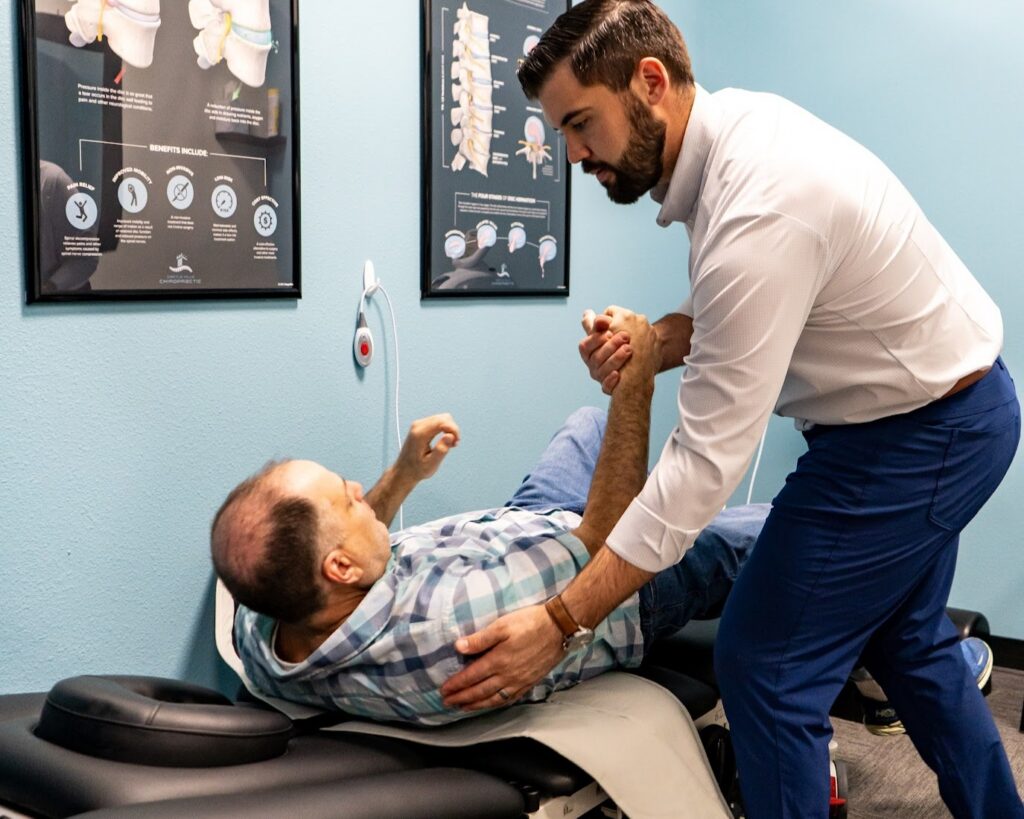
When you're feeling overwhelmed by anxiety, seeking professional support can make a significant difference.
Working with the right specialist provides you with tailored guidance and strategies that fit your unique needs.
It's crucial to find someone who understands your situation and can help you navigate your path to relief.
Benefits of Professional Guidance
Many people find that seeking professional support can greatly reduce anxiety and enhance overall well-being. When you reach out to a professional, you gain access to valuable guidance that can lead to meaningful changes in your life.
Here are three significant benefits of professional support:
- Personalized Strategies: Professionals can assess your unique situation, helping you develop tailored coping mechanisms and strategies that resonate with you. This personalized approach often leads to more effective results.
- Accountability and Motivation: Having someone to check in with can keep you accountable for your progress. A professional can motivate you to stick to your goals, making it easier to overcome challenges and stay committed to your journey.
- Safe Space for Expression: Professionals create a non-judgmental environment where you can freely express your thoughts and feelings. This safe space allows you to explore your emotions, leading to deeper insights and personal growth.
Finding the Right Specialist
Finding the right specialist can greatly impact your journey toward reducing anxiety. With so many options available, it's vital to take the time to find someone who aligns with your needs and preferences.
Start by identifying what type of support you're looking for—whether it's a therapist, counselor, or psychiatrist. Each professional offers different approaches and expertise, so knowing what you want will guide your search.
Next, do your research. Look for specialists who've experience in treating anxiety and check their credentials. Online reviews and testimonials can provide valuable insights into their effectiveness.
Don't hesitate to ask for recommendations from friends, family, or your primary care physician.
Once you've narrowed down your options, schedule initial consultations. This gives you a chance to gauge their compatibility with your personality and communication style.
Remember, it's okay to switch if you don't feel a connection; finding the right fit is vital for your progress.
Finally, trust your instincts. A supportive, understanding specialist can create a safe space where you feel comfortable exploring your anxiety and working toward adjustments that lead to positive change.
Establishing Healthy Routines
Establishing healthy routines can greatly reduce anxiety and create a sense of stability in your life. When you create a structured daily schedule, you're not just filling your time; you're also setting a framework that can help you feel more in control.
Here are three key elements to contemplate when building your routine:
- Morning Rituals: Start your day with a consistent morning routine. Whether it's a few minutes of meditation, a brisk walk, or a nourishing breakfast, these small actions can set a positive tone for the day ahead.
- Work Blocks: Organize your work tasks into specific time blocks. By dedicating focused time to complete certain projects, you'll minimize distractions and feel a sense of accomplishment as you check items off your to-do list.
- Evening Wind-Down: Establish a calming evening routine to signal to your body that it's time to relax. This could include reading, gentle stretching, or journaling about your day. Such activities can help ease your mind and prepare you for a restful night's sleep.
Importance of Social Connections
Social connections play an essential role in reducing anxiety and enhancing overall well-being. When you surround yourself with supportive friends and family, you create a safety net that helps you navigate life's challenges. These relationships provide a sense of belonging, which can greatly alleviate feelings of loneliness and isolation that often accompany anxiety.
Engaging with others allows you to share your thoughts and feelings, making it easier to process what you're going through. You'll find that simply talking about your worries can lessen their weight.
Furthermore, social connections offer opportunities for distraction and joy, pulling your focus away from anxious thoughts and redirecting it toward positive experiences. You don't need a large circle of friends to reap these benefits; even a few close relationships can make a considerable difference.
Regularly connecting with others—whether through phone calls, text messages, or face-to-face interactions—can provide the support you need. Consider joining groups or activities that interest you, as these can help you meet new people and strengthen your social network.
Additionally, being there for others can boost your own mental health. When you offer support, you reinforce your connections and create a sense of purpose.
This reciprocal relationship fosters a positive environment that can reduce anxiety for both you and those around you. Prioritizing social connections is a powerful tool in your journey toward managing anxiety and enhancing your overall well-being, so reach out and nurture those relationships.
Exploring Holistic Approaches
How can holistic approaches help you manage anxiety more effectively? By addressing not just the symptoms but also the root causes of your anxiety, these methods can provide a more all-encompassing path to relief.
Holistic approaches focus on the whole person—body, mind, and spirit—helping you cultivate balance and resilience.
Here are three key holistic strategies you might consider:
- Mindfulness Meditation: Practicing mindfulness allows you to tune into the present moment. You'll learn to observe your thoughts without judgment, creating space to reduce anxiety. Imagine sitting quietly, focusing on your breath, and feeling the weight of your worries lift.
- Herbal Remedies: Certain herbs, like chamomile and ashwagandha, can promote relaxation and help alleviate anxiety. Picture sipping a warm cup of herbal tea, the soothing aroma wrapping around you, calming your nerves.
- Yoga and Physical Movement: Engaging in yoga or any form of physical activity can release endorphins, which are natural stress relievers. Visualize flowing through a series of poses, your body stretching and releasing tension, as your mind finds clarity and peace.
Incorporating these holistic strategies into your routine can empower you to take control of your anxiety.
You'll not only feel more grounded but also develop tools to manage stressors as they arise. Embracing a holistic approach can truly transform how you experience and respond to anxiety in your life.
Conclusion
By making simple lifestyle adjustments, you can greatly reduce anxiety and improve your overall well-being. Embrace mindfulness, stay active, and nourish your body with balanced nutrition. Establishing healthy routines and nurturing your social connections will empower you to face challenges with confidence. Remember, seeking professional support is always a valuable option. Each small change you make can lead to a calmer, more resilient you. Start today, and watch how these adjustments transform your life!